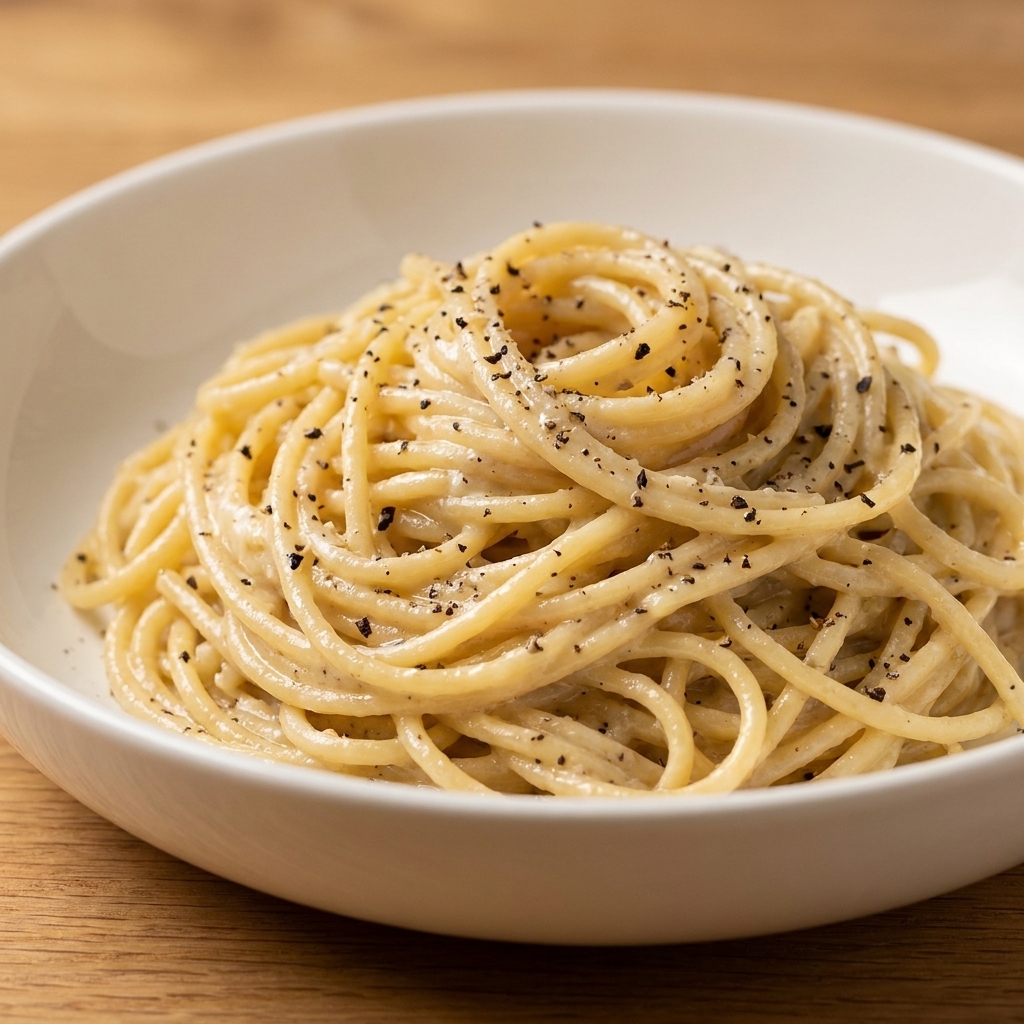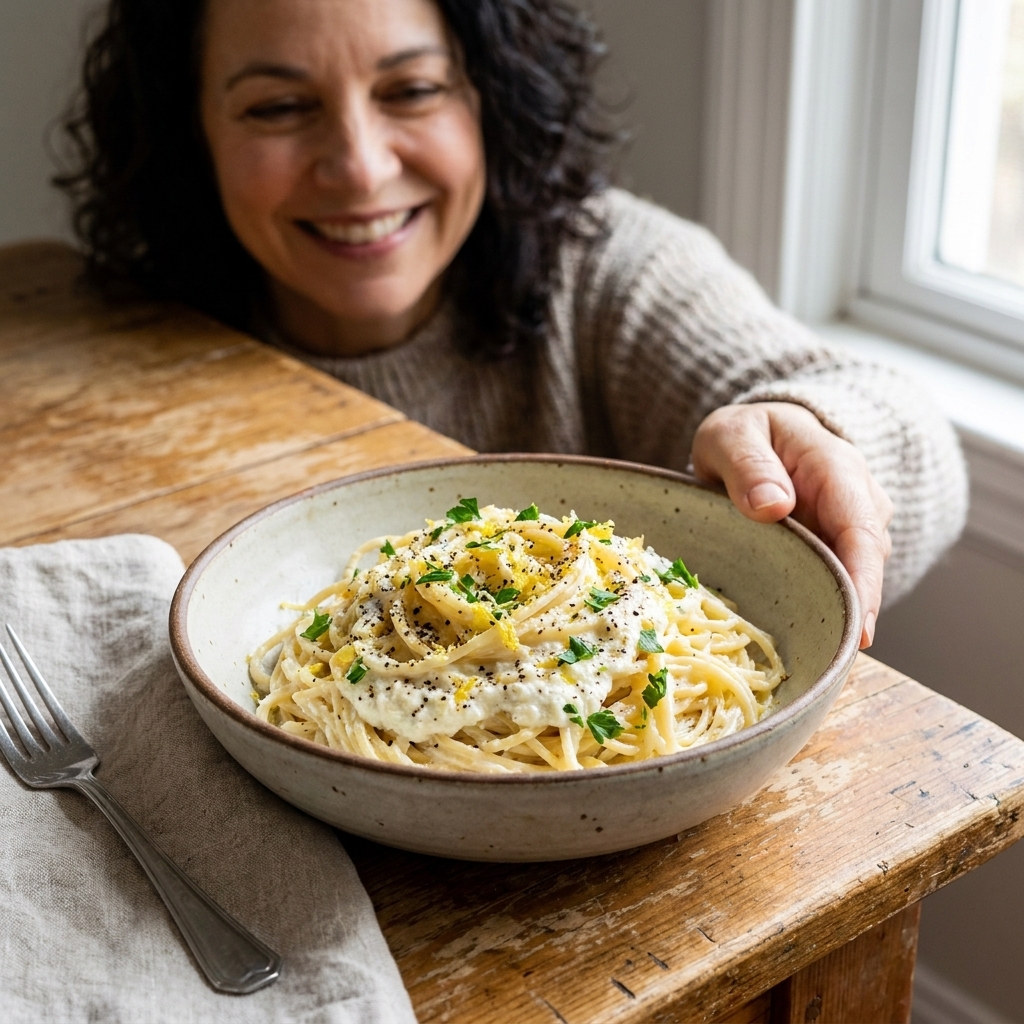
If you have ever tasted a truly good Pasta al Limone, you know the magic trick: it eats like a cream sauce, but many versions do not use a drop of heavy cream. Just lemon, butter, parmesan, and that starchy pasta water we used to pour right down the drain until someone smart in the family yelled, “Stop!”
This is one of my favorite weeknight pasta dinners because it is fast, bright, and comforting all at once. The key is an emulsion, meaning we whisk or toss fat and water together until they turn silky and unified. When it works, the sauce turns glossy and clings to every strand. When it does not, it can look a little broken or oily. Do not worry. I will walk you through the sensory cues so you can nail it in 15 minutes.

What makes it creamy
Pasta al Limone gets its “creaminess” from three things working together:
- Butter for richness and body.
- Finely grated parmesan for savory depth and gentle thickening.
- Starchy pasta water to help emulsify, meaning it helps the butter and cheese disperse into a smooth sauce instead of separating.
Lemon brings acidity and perfume. The trick is adding it at the right time and keeping the heat gentle so the cheese melts smoothly instead of clumping.
Ingredients (serves 2 to 3)
- 8 to 10 ounces spaghetti, linguine, or bucatini
- Salt for the pasta water: aim for water that tastes pleasantly salty (about 1 to 2 tablespoons fine sea salt for a large pot, or roughly 10 to 15 g per liter)
- 3 tablespoons unsalted butter, cut into pieces
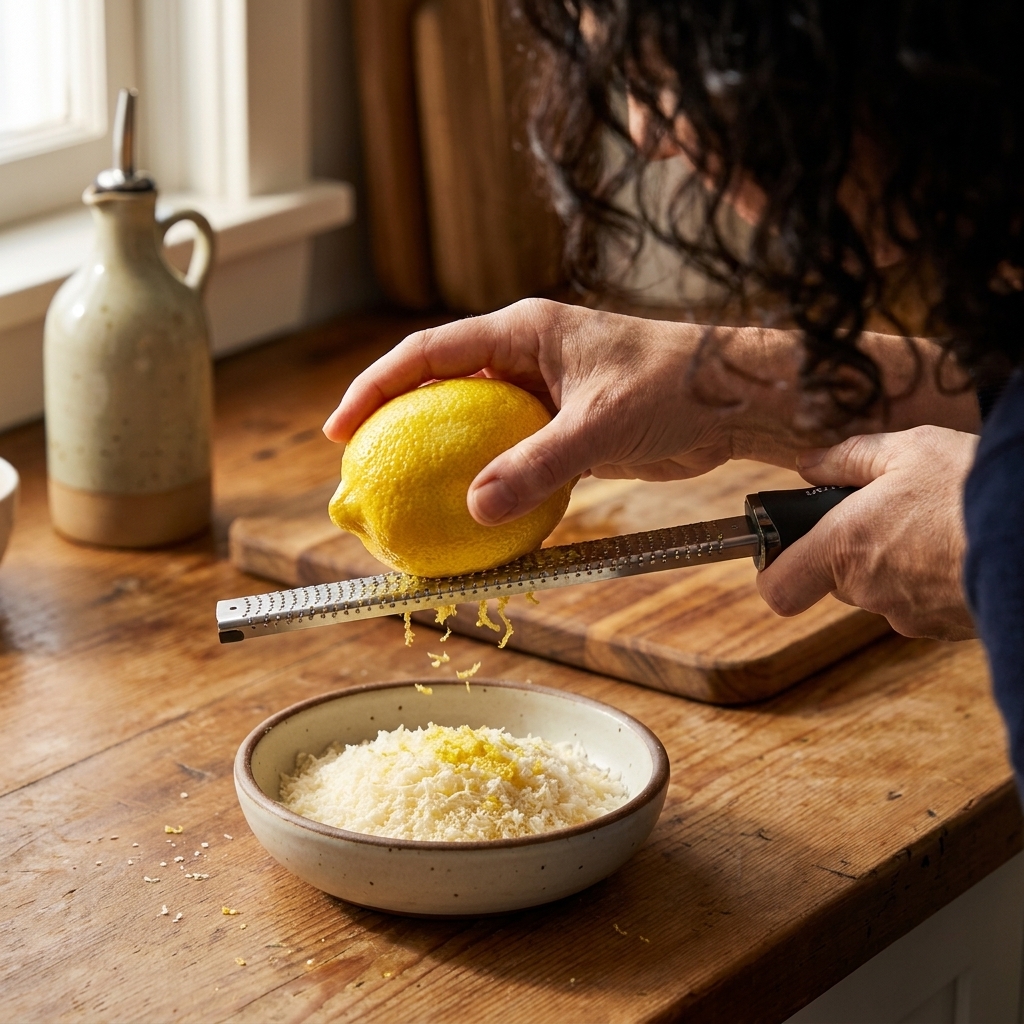
- 1 teaspoon finely grated lemon zest (from 1 lemon), plus more to finish
- 3 to 4 tablespoons fresh lemon juice (from 1 to 2 lemons), to taste
- 3/4 cup finely grated Parmigiano-Reggiano (or Grana Padano), plus more to serve
- 1/2 teaspoon freshly cracked black pepper, plus more to finish
- Optional: 1 small garlic clove, lightly crushed (for perfuming the butter), or a pinch of red pepper flakes
Lemon note: If you can, use unwaxed lemons. Either way, wash and dry well, and zest only the yellow part. The white pith is where bitterness lives.
Grate your cheese as fine as you can. The powdery “snow” melts into the sauce. Shredded cheese can be stubborn and stringy.
Step by step
1) Boil the pasta and save the water
Bring a pot of water to a boil. Salt it well. Cook your pasta until just shy of al dente, about 1 minute less than the package says. Right before you drain, scoop out 1 1/2 cups of pasta water and keep it by the stove.
The pasta water should look a little cloudy. That cloudiness is your sauce insurance.
2) Start a gentle base in a big pan
While the pasta cooks, set a large skillet (a 12-inch pan is ideal) over low heat. Add the butter. If you are using a crushed garlic clove, let it sit in the butter for 30 to 60 seconds to perfume it, then remove it. You want the butter melted and warm, not browned.
Rub the lemon zest between your fingers and drop it into the butter. The heat wakes up the citrus oils and the kitchen will smell like sunshine.
3) Build the emulsion off the heat
Turn the heat off. Add about 1/2 cup of hot pasta water to the butter and whisk. It will look thin at first. That is fine.
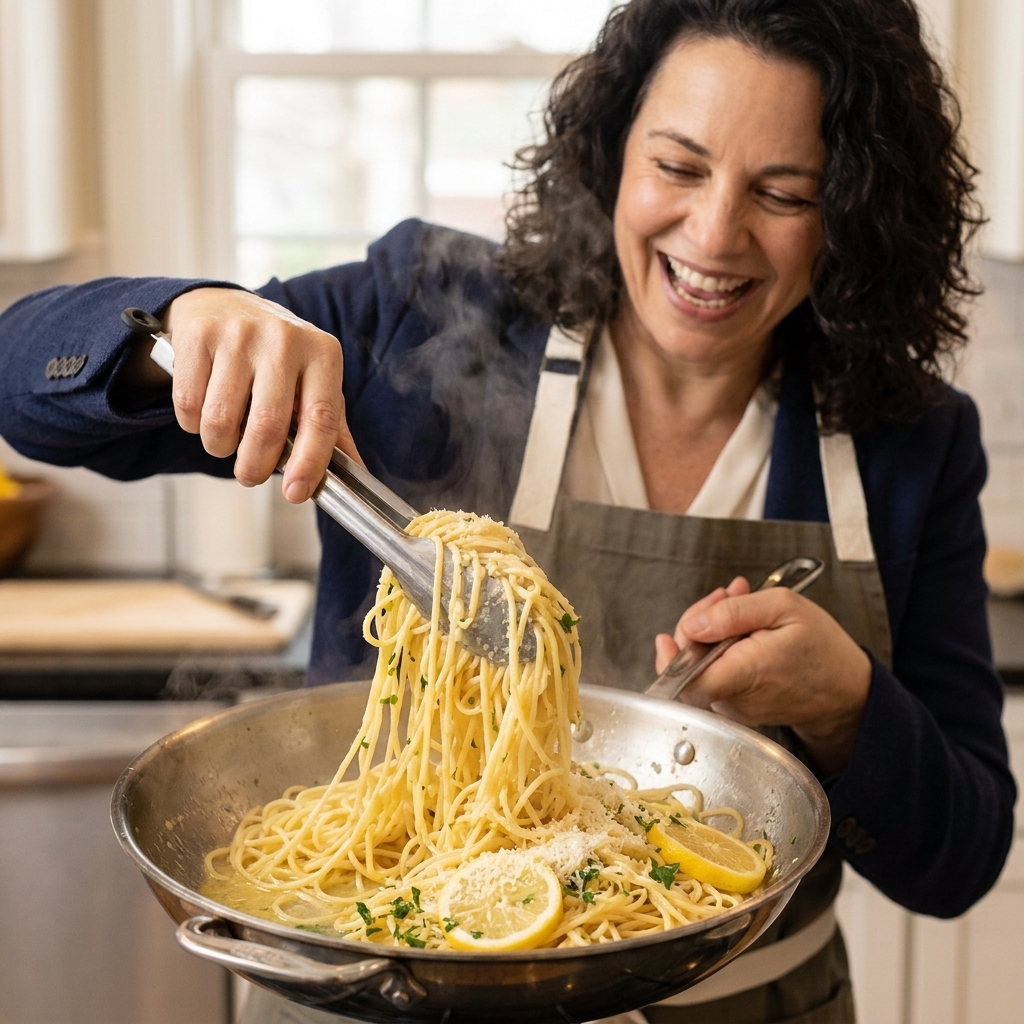
Add the pasta to the skillet. For long noodles, the easiest move is to transfer it straight from the pot with tongs, letting a little water come along for the ride. If you prefer to drain, drain quickly after reserving the water, then add the pasta right away.
Sprinkle in the parmesan a handful at a time while tossing constantly (or stirring vigorously with tongs). Add black pepper.
If the pan cools too much and the cheese is not melting smoothly, return it to very low heat while you toss. Warm is good. Bubbling is not.
4) Add lemon juice last
Now drizzle in 2 tablespoons lemon juice and toss. Add more pasta water, a splash at a time, until the sauce looks glossy and lightly coats the pasta. Taste and decide if you want the remaining lemon juice. Different lemons vary a lot, so trust your tongue.
What you are looking for: when you lift a forkful, the pasta should shine. The sauce should not puddle watery at the bottom, and it should not look oily. If it looks a little tight, add another splash of pasta water and toss again.
5) Serve immediately
Plate right away. Finish with extra parmesan, a little more zest, and another crack of black pepper.
Technique tips
Keep the heat low for the cheese
High heat is the #1 reason the sauce breaks or the cheese clumps. Acid (hello, lemon) can also make aged cheese seize if the pan is too hot. Warm is good. Bubbling is not. If your pan feels too hot, pull it off the burner for a moment and toss there.
Use finely grated cheese, and add it gradually
Think of parmesan like you would think of thickening a sauce: little by little, while moving constantly. If you dump it all in at once, it can seize.
Pasta water is not optional
That starch is what lets butter and water become one. If you forgot to save it, you can use hot water, but the sauce will be less creamy and more prone to separation. If you are in that situation, add a touch more cheese and toss longer.
Choose the right pasta shape
Long noodles are classic here. Spaghetti and linguine give you that gorgeous, glossy coat. If you only have short pasta, go for something with a little texture like fusilli or casarecce so the sauce has places to cling.
Fix common problems
My sauce looks oily or broken
- Take the pan off the heat.
- Add 2 to 3 tablespoons hot pasta water.
- Toss vigorously until it comes back together and turns glossy.
If it is still oily, you may need a little more cheese to help stabilize it. Add a small handful and toss again.
My cheese clumped into strings
- Your heat was likely too high, the lemon went in too early, or the cheese was too coarsely grated.
- Lower the heat and add pasta water, then toss hard.
You can also switch to whisking in the pan if tossing is not cutting it.
It tastes bitter or too sharp
- Use less lemon juice and lean more on zest for lemon flavor.
- Make sure you are not grating the white pith when zesting.
- Balance with a touch more butter and parmesan.
It is bland
Salt is usually the issue. The pasta water should be properly salted, and parmesan brings salt too. Add a pinch of salt at the end only after tasting.
Easy variations
Lemony pasta with shrimp
Sear shrimp quickly in olive oil, remove, then build the sauce in the same pan. Toss shrimp back in at the end. Keep the heat gentle once the cheese enters the story.
Pasta al limone with peas
Add a handful of frozen peas to the pasta water during the last 2 minutes of cooking. Bright, sweet, and kid-friendly.
Extra silky, Roman-style
Swap half the parmesan for Pecorino Romano if you like a sharper bite. Go slowly with the cheese and keep the heat low because pecorino can be quicker to clump.
Leftovers and reheating
This pasta is at its absolute best the minute it is tossed. If you have leftovers, store them in an airtight container for up to 2 days.
To reheat, put the pasta in a skillet over low heat with a splash of water. Toss until loosened and glossy again. Avoid the microwave if you can. It tends to separate the sauce and make the cheese rubbery.
FAQ
Is Pasta al Limone made without cream?
Often, yes. Many traditional Italian versions rely on butter, cheese, and pasta water for the creamy effect. Some cooks also add a small splash of cream, especially outside Italy or in modern takes, but you do not need it to get that velvety texture.
Can I use bottled lemon juice?
You can, but fresh tastes cleaner and sweeter. Zest is also a big part of the flavor here, so fresh lemons really matter.
What if I do not have parmesan?
Grana Padano is the easiest swap. Pecorino works too, just use a little less at first and keep the heat low.
Can I make it dairy-free?
This particular sauce depends on butter and aged cheese to emulsify and taste right. If you need dairy-free, you are better off making a lemony olive oil sauce with garlic and pasta water, then finishing with toasted breadcrumbs for body.
Quick recap
Boil pasta and save 1 1/2 cups pasta water. Melt butter with lemon zest in a large skillet over low heat. Off heat, whisk in pasta water, add pasta, then toss in parmesan gradually. Add lemon juice last, loosening with more pasta water until glossy. Serve immediately with extra cheese, zest, and pepper.
If you make this, take a second to taste before the last squeeze of lemon. When it is right, it is bright but not sour, rich but not heavy, and it makes a plain Tuesday feel like you opened a window on the Amalfi Coast.