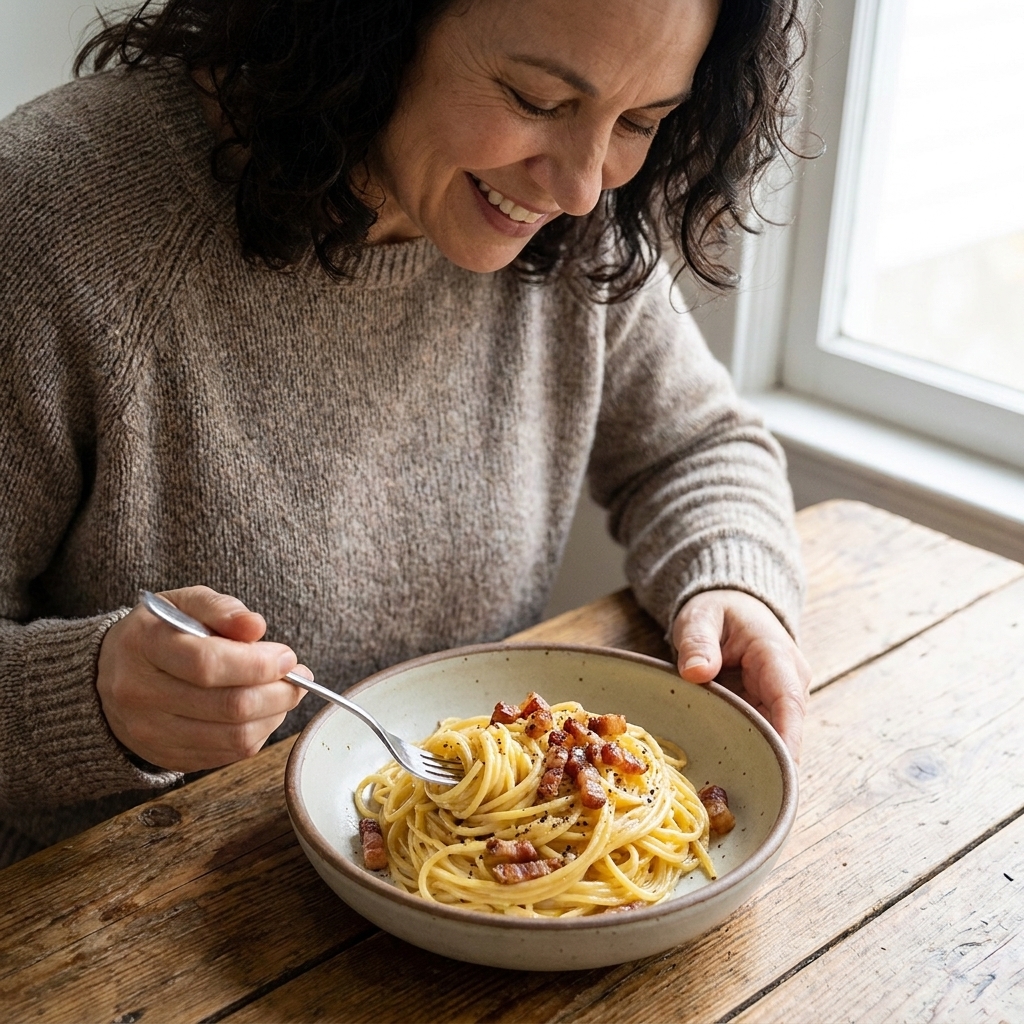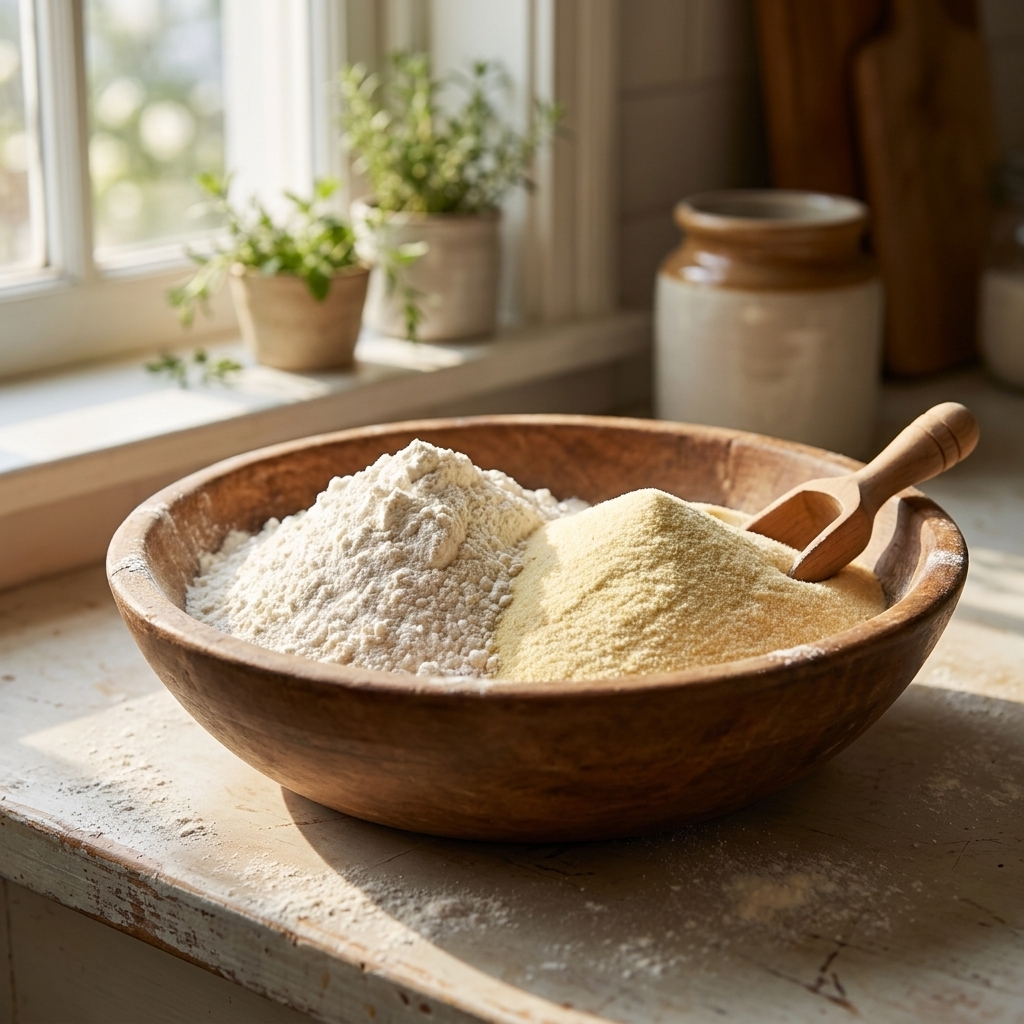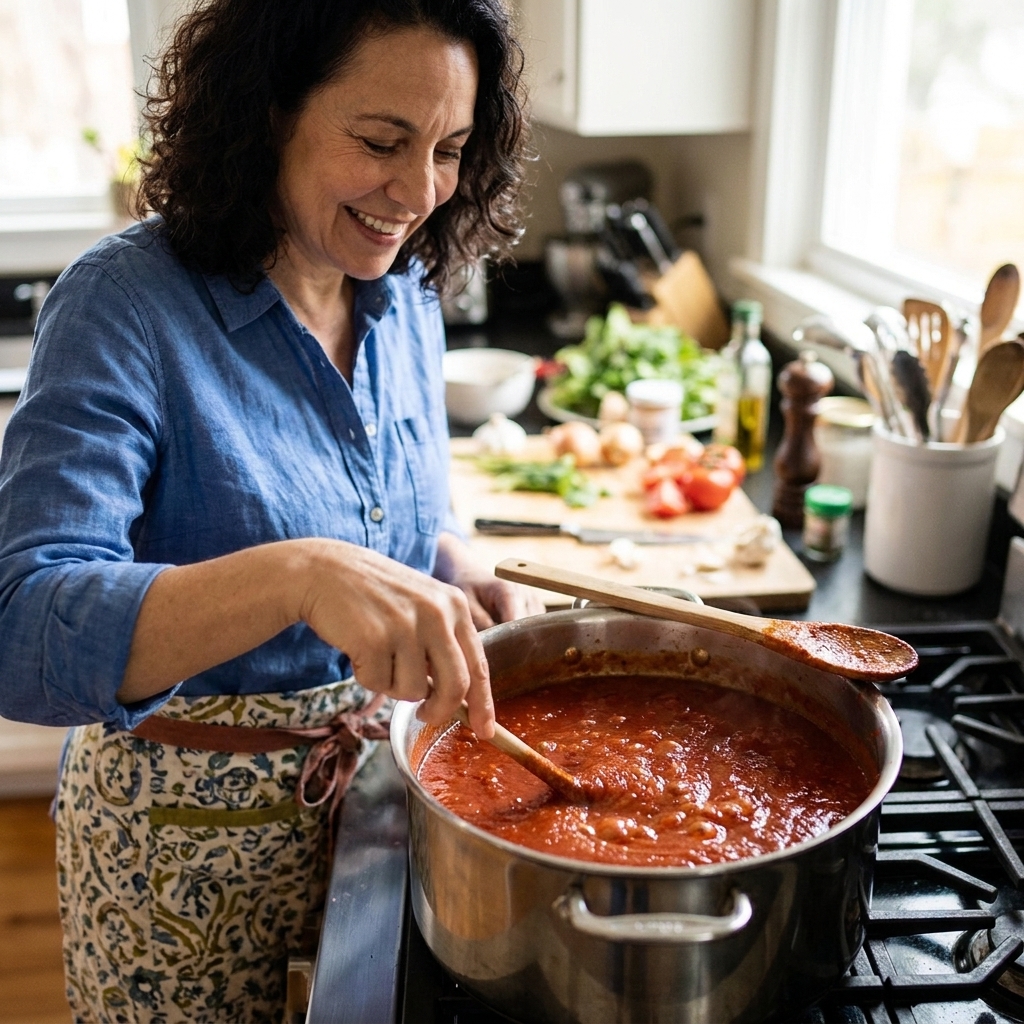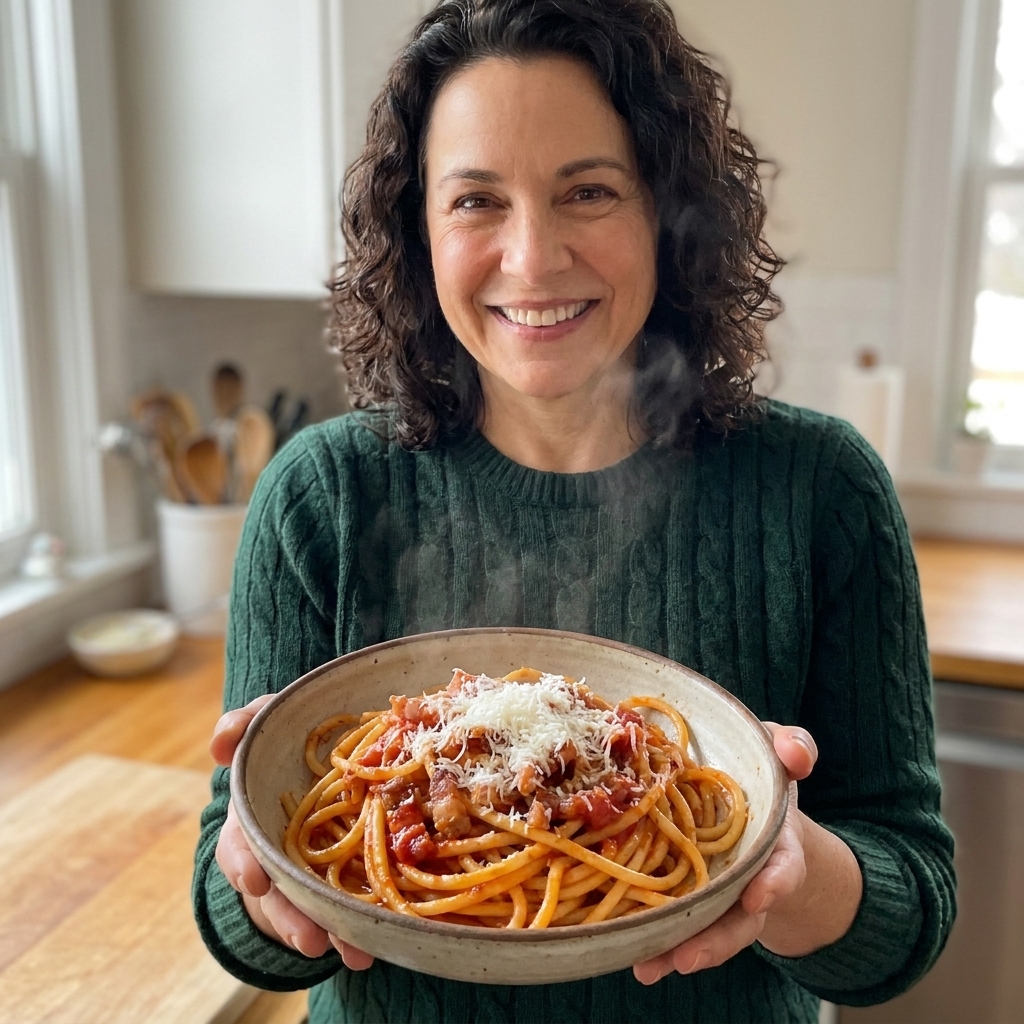
Cacio e pepe is the kind of pasta that looks like nothing and tastes like everything. Just cheese, pepper, and pasta water, and somehow it feels like a warm blanket. But it also has a reputation for turning into gummy strings or little cheese pebbles, especially when you are hungry and rushing. Let’s fix that.
This is the method I use at home when I want the signature Roman silkiness: a sauce that clings to every strand, glossy and peppery, with no clumps. You do not need cream. You do not need butter. You need good Pecorino, properly starchy water, and the right temperature, plus a little confidence in the toss.
A simple baseline (scale up or down): For 1 pound (450 g) pasta, plan on 6 to 7 ounces (170 to 200 g) finely grated Pecorino Romano, 1 1/2 to 2 teaspoons freshly cracked black pepper (more if you like it bold), and 1 to 2 cups reserved pasta water as needed.
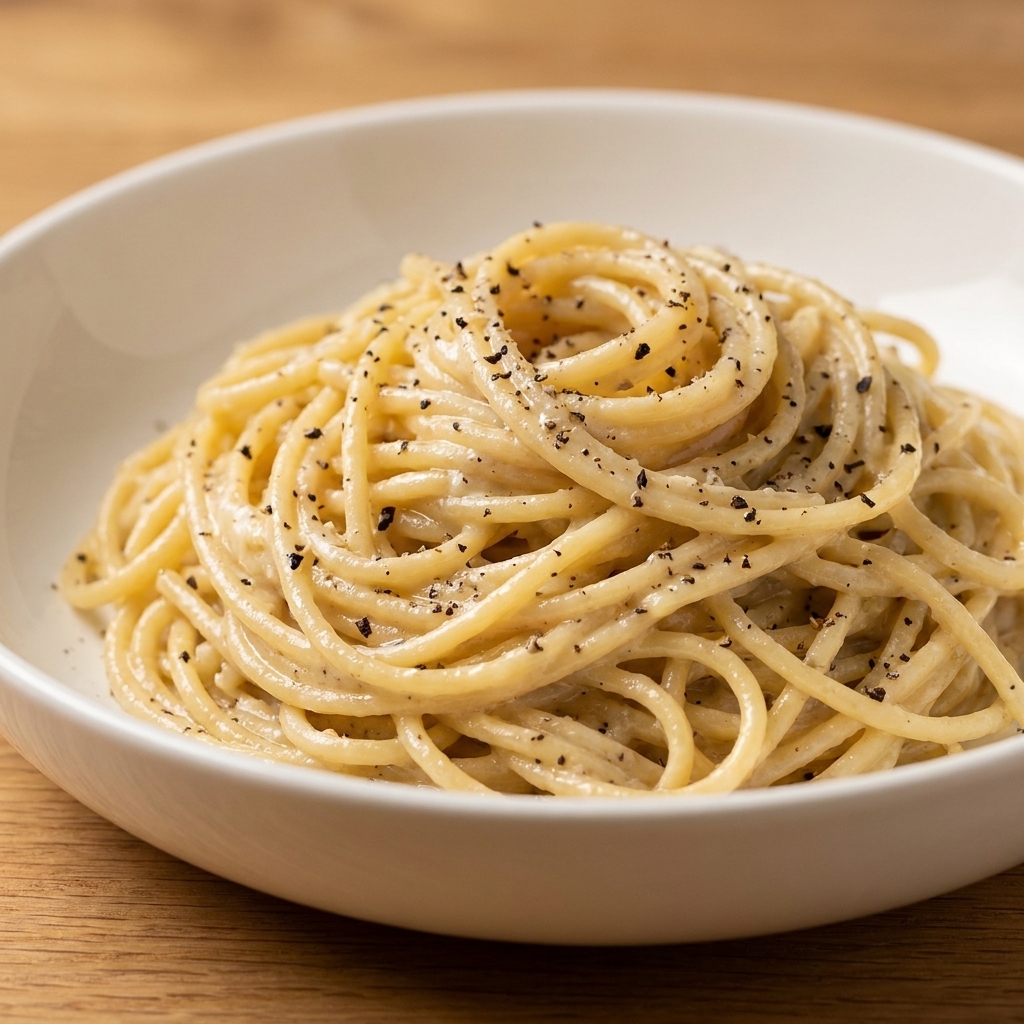
What “emulsified” means
In cacio e pepe, “emulsified” is kitchen shorthand for the cheese and starchy pasta water coming together into one smooth, creamy coating instead of breaking into greasy puddles and clumps. Pecorino Romano is rich in fat and protein. If it gets too hot too fast, the proteins tighten and turn grainy or stringy. If the water is starchy and the heat is gentle, that starch helps keep everything suspended and silky.
So the whole game is: build starch in the water, keep the temperature under control, and combine gradually while tossing like you mean it.
Ingredients that matter
- Pasta: Spaghetti, tonnarelli, or bucatini are classic. Long pasta gives you lots of surface area for sauce to cling to.
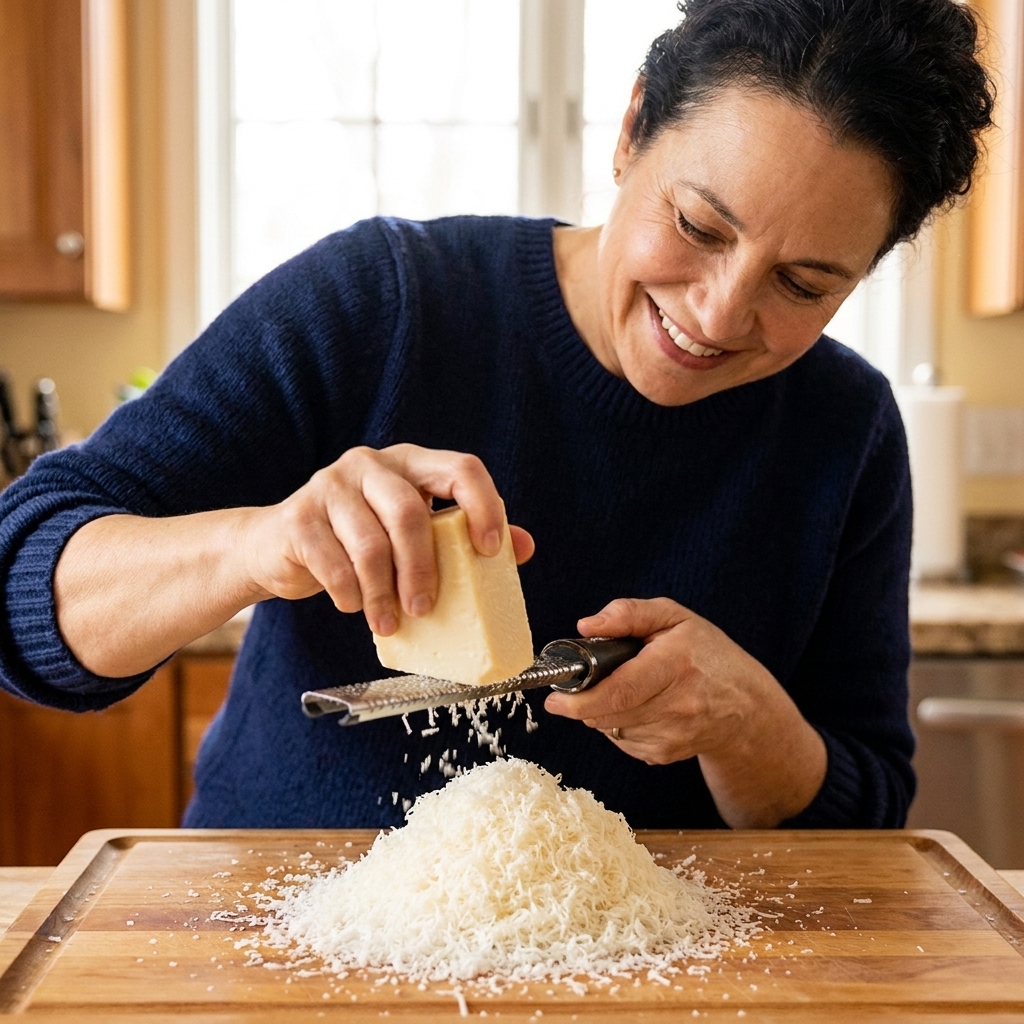
- Pecorino Romano: Freshly grated, very fine. Let it sit at room temperature while the pasta cooks so it melts more smoothly.
- Black pepper: Freshly cracked. You want floral, toasty pepper, not dusty heat.
- Salt: Go lighter than usual because Pecorino is salty.
Cheese tip from my Sunday-dinner kitchen: buy a wedge and grate it yourself. And grate it fine, like soft snow. Big shreds melt unevenly and love to clump. Pre-grated cheese is often drier and may include anti-caking agents such as cellulose or starch, which can make a smooth sauce harder to pull off.
Step by step
1) Use less water
Use a wide pot or deep skillet and boil your pasta in less water than normal, just enough to cover. Less water means higher starch concentration, which is your natural sauce stabilizer.
Because the water is shallow, stir more often for the first minute or two and keep it at a lively simmer so the pasta does not stick or scorch. Salt the water, but a little lighter than usual.
2) Toast the pepper
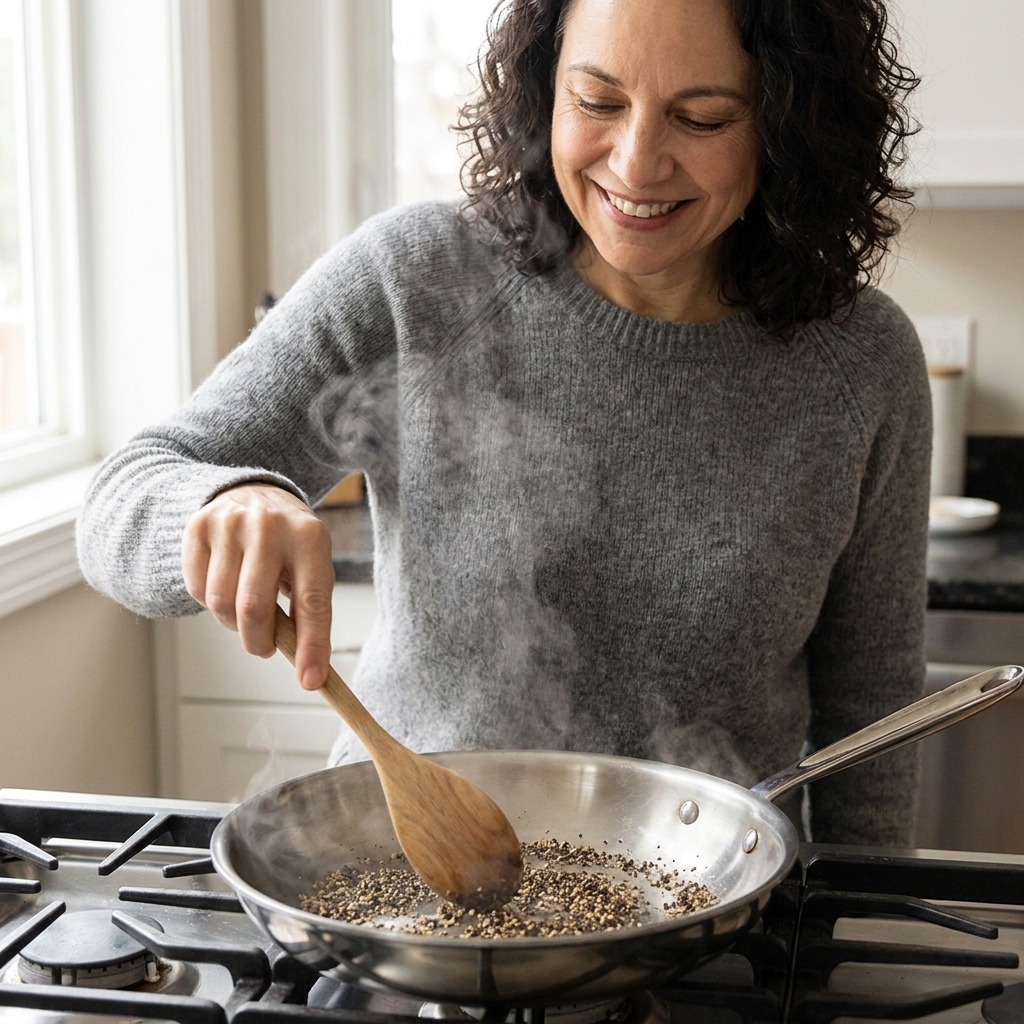
While the pasta cooks, put a large skillet over medium heat. Add a generous amount of freshly cracked black pepper. Toast it dry for 30 to 60 seconds until it smells warm and fragrant. If it smells sharp or smoky, you went too far.
Add a ladle of pasta water to the skillet. It should sizzle briefly, then settle into a peppery tea. This step wakes up the pepper and gives you a warm base to finish the pasta.
3) Reserve pasta water
Before draining, scoop out 1 to 2 cups of pasta water. You might not use it all, but cacio e pepe is unforgiving when you are short on warm, starchy water.
4) Finish in the skillet
When the pasta is just shy of al dente, move it straight into the peppery skillet using tongs. Add a small splash of pasta water and keep the heat at medium-low, just enough to keep things steamy, not aggressively bubbling. Toss and stir for 30 to 60 seconds, or until the pasta is al dente.
You want to see a light, slightly cloudy liquid coating the pasta. Cloudy is good. Clear water will not help you.
5) Off heat, add cheese slowly
This is the make-or-break moment. Turn the heat off. Take the skillet off the burner for a few seconds. Let the bubbling calm down.
Now add the grated Pecorino in small handfuls, tossing constantly with tongs. Add a splash of warm pasta water as needed. Think of it like building a glossy coat, not dumping everything in at once.
Sensory cue: the sauce should look like wet satin. If it starts to look grainy, you are too hot or too dry. Add a spoonful of pasta water and keep tossing off heat.
6) Loosen, then serve
Cacio e pepe tightens as it sits. Aim for a sauce that looks a touch looser in the pan than you want on the plate. A final splash of pasta water right before serving is often the difference between “nice” and “Roman trattoria silky.”
Two ways to prevent clumps
1) The off-heat rule
Cheese clumps when it hits high heat. Always combine Pecorino with pasta off heat, using residual warmth only. If your pan is ripping hot, it will seize the cheese instantly.
2) The Pecorino paste
If you want extra insurance, make a quick cheese paste in a bowl:
- Put finely grated Pecorino in a bowl.
- Add a few tablespoons of warm pasta water (not boiling) and stir until it becomes a thick paste.
- Once the pasta is in the skillet and off heat, add the paste and toss, loosening with more pasta water as needed.
This slows down how fast the cheese heats up, which makes clumping much less likely.

Problems and quick fixes
“My cheese turned into strings or rubbery bits.”
- Cause: pan too hot or cheese added too fast.
- Fix: move the pan off heat, add a splash of pasta water, and toss vigorously. If it is really seized, transfer pasta to a cooler bowl and try loosening with warm pasta water little by little.
“My sauce is grainy.”
- Cause: overheating or cheese grated too coarse.
- Fix: add pasta water and keep tossing off heat. Next time, grate finer, let the cheese warm slightly at room temperature, and cool the pan longer before adding it.
“It’s watery.”
- Cause: not enough cheese or pasta water not starchy enough.
- Fix: toss a bit longer off heat to bring it together, then add more Pecorino gradually. Next time, cook pasta in less water to concentrate starch.
“It tastes flat.”
- Cause: not enough pepper blooming, or pepper is old.
- Fix: toast fresh cracked pepper in the pan first, and do not be shy. Cacio e pepe should taste boldly peppery.
No-panic timeline
- Start pasta in a wide pot with less water than usual.
- Grate Pecorino very fine while pasta cooks.
- Toast pepper in the skillet, then add a ladle of pasta water.
- Move pasta to skillet a minute early, finish with a splash of water over medium-low.
- Turn off heat. Wait 20 to 30 seconds.
- Add cheese gradually while tossing, loosening with pasta water as needed.
- Serve immediately in warm bowls.
Warm bowl tip: if your kitchen runs chilly, rinse bowls with hot water and dry them. A cold bowl can tighten your sauce fast.
Best pasta shapes
Romans love tonnarelli because it is thicker and slightly rough, which grabs sauce beautifully. At home, I reach for:
- Tonnarelli: ideal bite and sauce cling.
- Spaghetti: classic and easy to find.
- Bucatini: hearty, but can be a little slippery, so toss well.
- Rigatoni: not traditional, but very forgiving for beginners because you can stir more aggressively without breaking noodles.
FAQ
Can I use Parmigiano Reggiano instead of Pecorino?
You can, but the flavor changes. Parmigiano is nuttier and less sharp. If Pecorino feels too intense, do a blend like 70 percent Pecorino and 30 percent Parmigiano. Keep the same technique.
Do I need a nonstick pan?
No. A stainless steel skillet works beautifully. What matters is controlling heat and having enough starchy water.
Why does everyone say “no cream”?
Because the creaminess is supposed to come from cheese and pasta water coming together into a smooth sauce. Cream will make it rich, but it is a different dish and it can mute the peppery bite that makes cacio e pepe special.
How much pepper is enough?
More than you think. For 12 ounces to 1 pound of pasta, I often use 1 1/2 to 2 teaspoons freshly cracked black pepper, sometimes more depending on how punchy it is. Toasting it first makes a huge difference.
One last reminder
Cacio e pepe is simple, but it asks you to pay attention. Listen for the simmer to calm before you add cheese. Watch the sauce turn from cloudy to glossy. Smell the pepper blooming in the pan. When you hit that moment where the noodles look lacquered and the sauce hugs them, you will feel it in your bones.
Serve right away, pass extra Pecorino at the table, and let everyone fight politely over the last twirl.