If you have ever stood in the flour aisle holding a bag of 00 flour in one hand and semolina in the other, welcome. This is one of those little Italian kitchen questions that seems simple until you actually start mixing dough and realize flour is not just flour.
In my family, the choice was always tied to what was happening on Sunday. Silky egg pasta for tagliatelle or ravioli meant a soft, fine flour. A more rustic pasta with real chew, especially when we wanted something sturdy under a heavy sauce, meant semolina somewhere in the mix. Once you know what each flour brings to the bowl, you can choose with confidence instead of guessing.
What 00 flour is
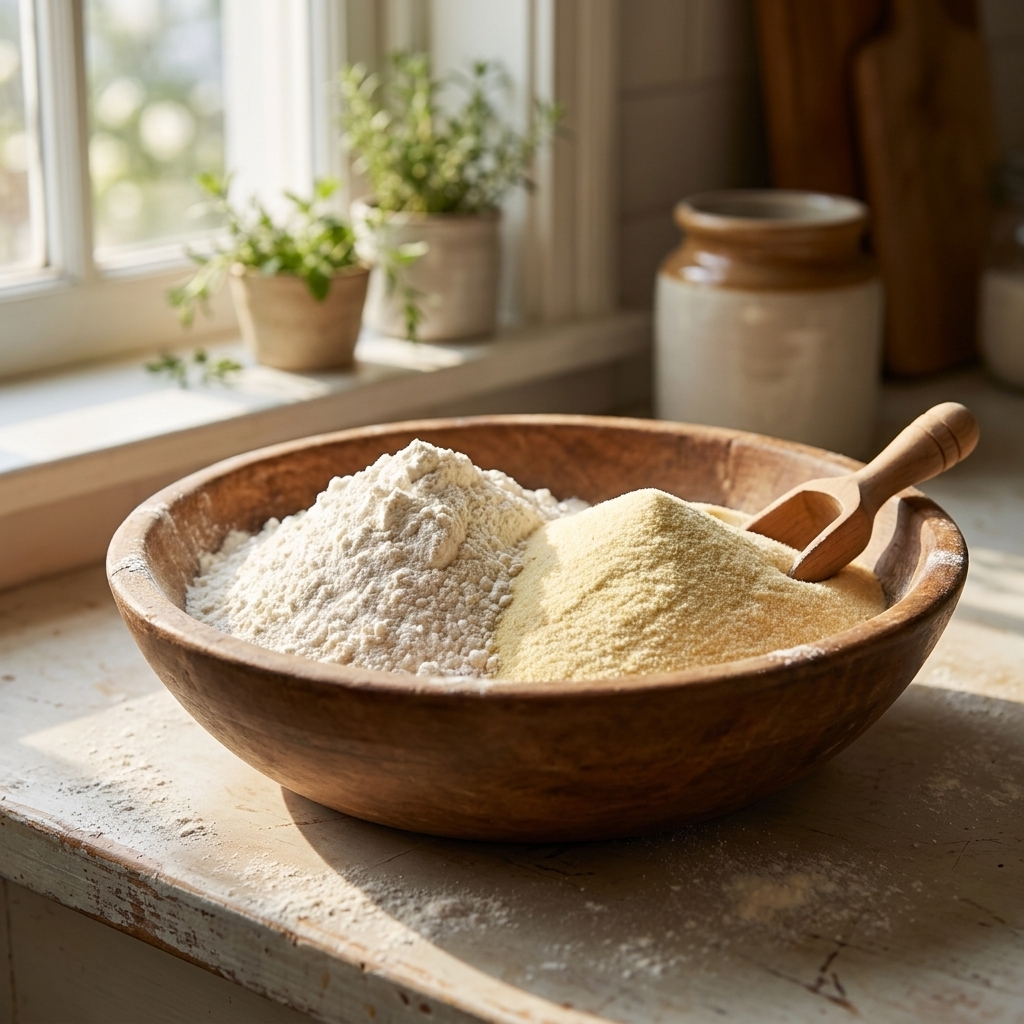
00 flour is an Italian-style wheat flour that is highly refined and low in ash, and it is typically milled very finely. The “00” refers to the degree of refinement in the Italian classification system, not the protein content. That last part matters because two different 00 flours can behave very differently depending on the wheat and the intended use (pasta versus pizza), so it is always worth checking the label if the brand provides protein or “W” strength.
How 00 feels in dough
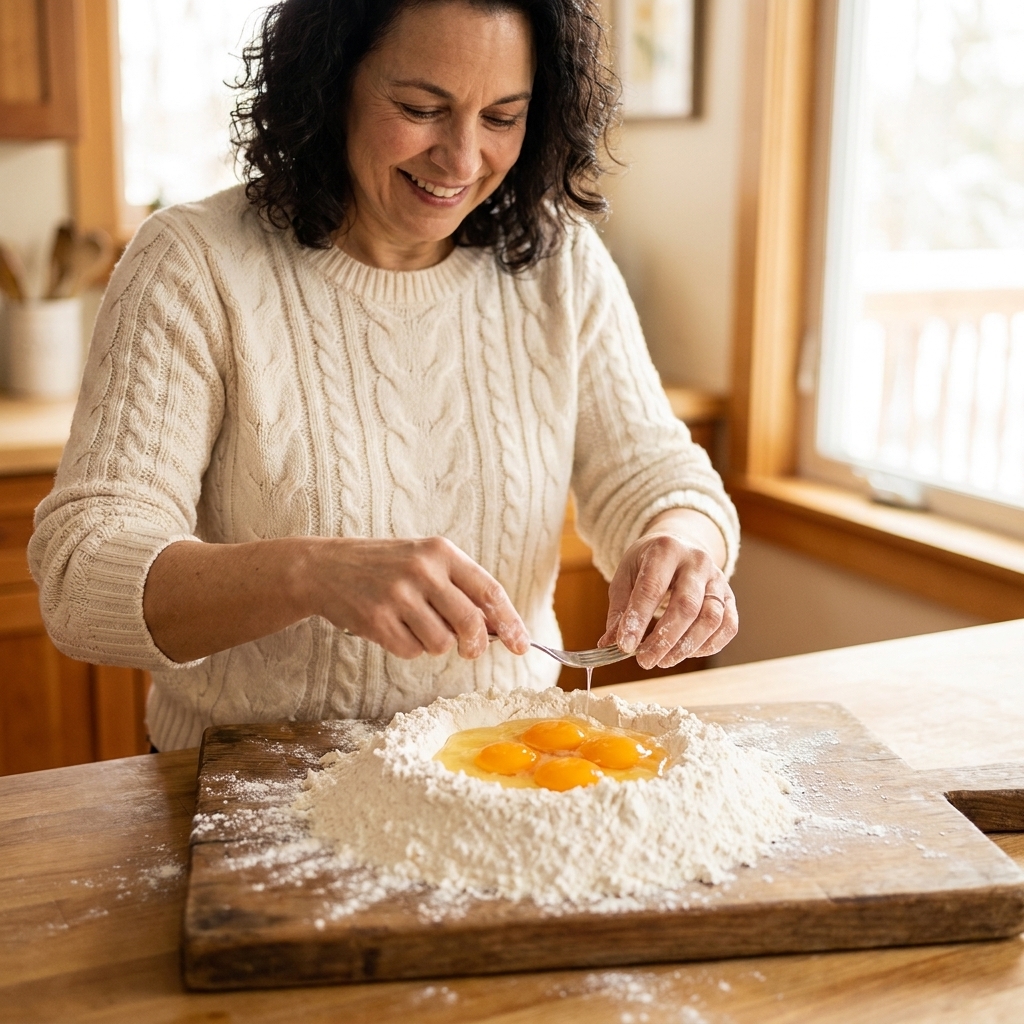
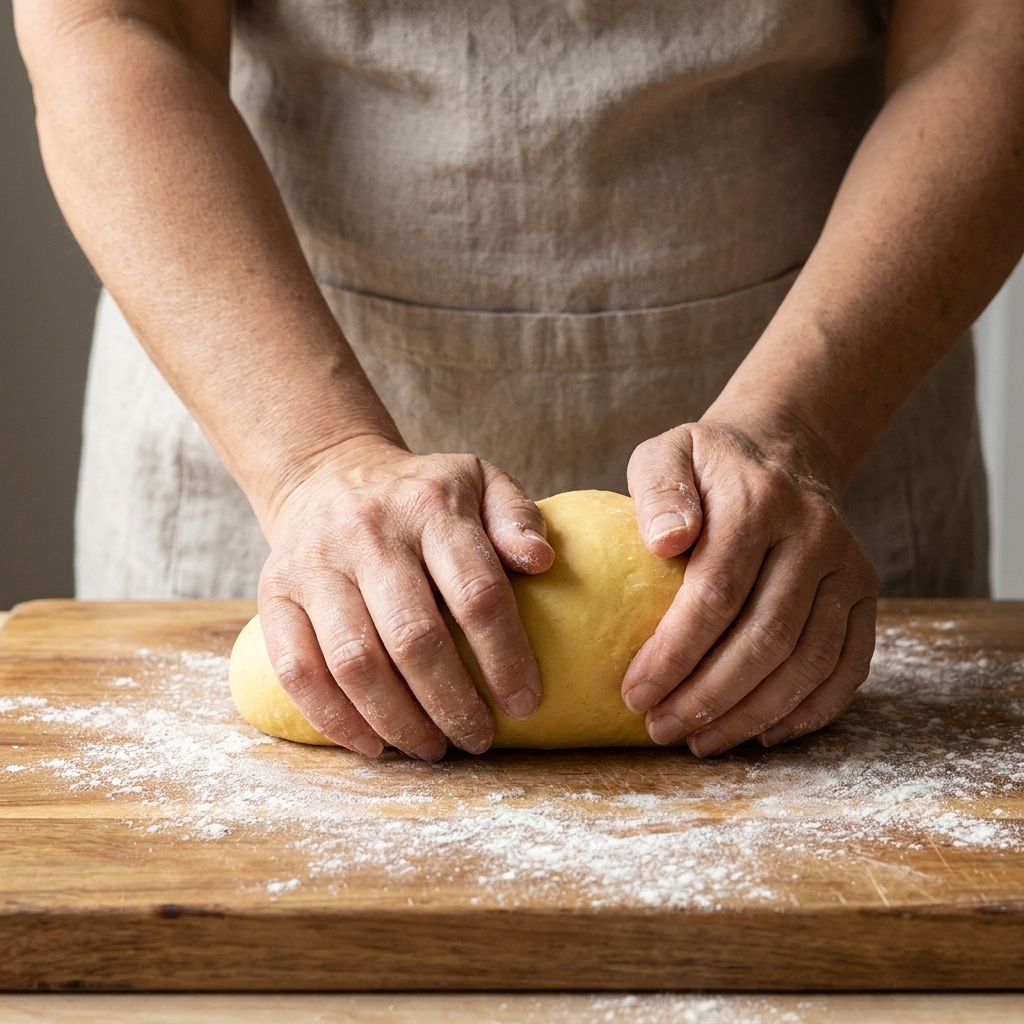
00 flour often makes a dough that feels smooth, satiny, and easy to roll. When you knead it, it tightens up into a tidy ball quickly, and when you roll it, it stretches beautifully without tearing. I reach for it when I want a thin sheet that holds together, especially for stuffed pasta.
One nuance: some 00 flours are quite soft, while pizza-style 00 can be stronger. Both are “00,” but they can feel different in your hands.
What it tastes and eats like
Pasta made with 00 flour tends to have a tender bite and a very clean, delicate texture. Think of the way fresh tagliatelle almost melts at the edges, or how a thin ravioli wrapper yields easily when you cut into it.
- Best for: egg pasta, rolled sheets, delicate shapes
- Texture you get: smooth, tender, elastic
- One tradeoff: it can be too soft for very rustic shapes unless you add semolina or use a higher-protein 00
What semolina is
Semolina is made from durum wheat, a harder wheat than what is typically used for all-purpose flour. It is usually milled more coarsely than 00, and it has that warm, yellow color that looks like sunshine in a bag.
How semolina behaves in dough
Semolina dough feels grittier at first and can seem stubborn when you begin mixing. Give it a little patience and give it time to hydrate. After a rest, it becomes pliable and strong. That strength is the whole point.
What it tastes and eats like
Semolina brings a firm, satisfying bite. It is the flour that makes you think, yes, this pasta can stand up to a hearty ragù or a spicy sausage sauce without turning delicate on you.
- Best for: water-based doughs, rustic shapes, sturdier noodles
- Texture you get: chewy, resilient, toothsome
- One tradeoff: pure semolina dough can be harder to roll paper-thin without cracking unless you rest it well
00 vs. semolina
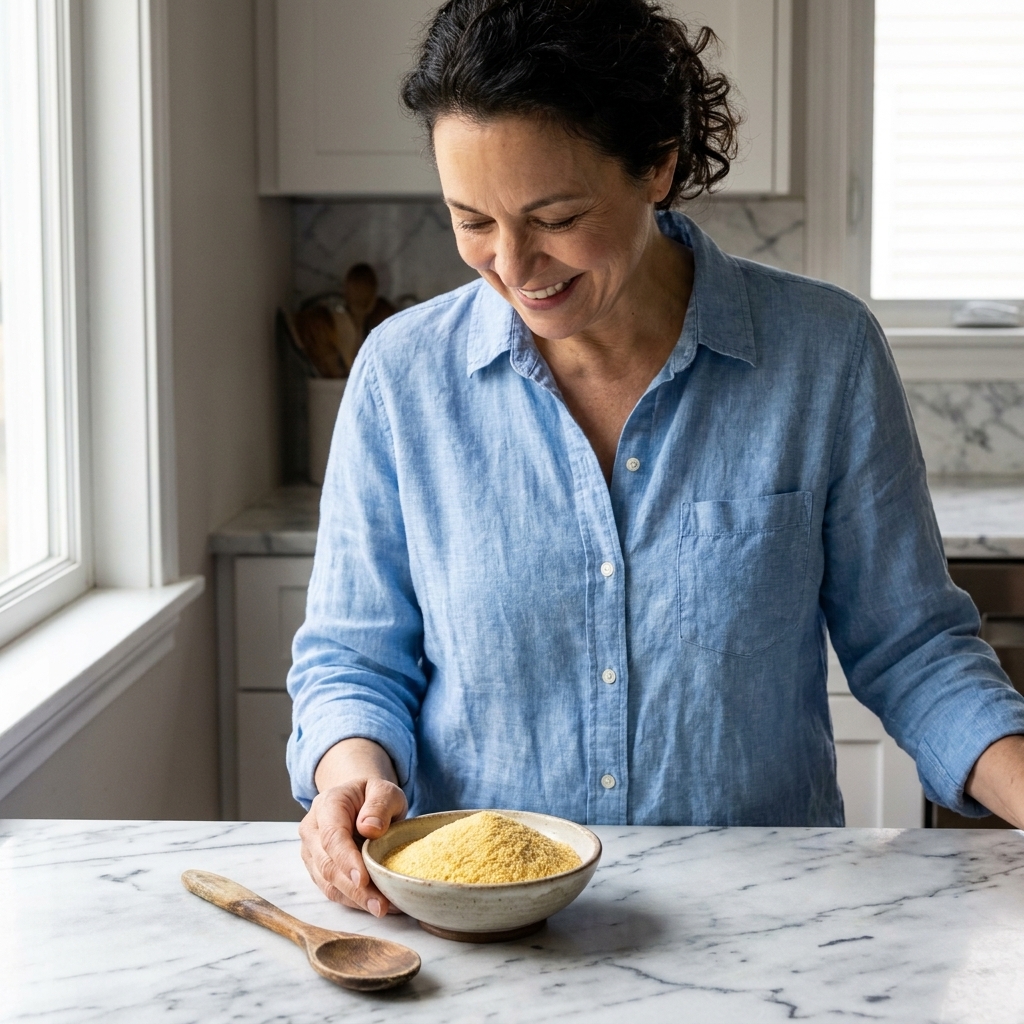
There are lots of flour details you can nerd out on, but for everyday home pasta-making, these are the differences you will feel immediately.
Grind and surface texture
00 flour is very fine, so the dough surface becomes smooth quickly and rolls into thin sheets beautifully. Semolina is coarser, which can leave a slightly more textured surface in fresh pasta. In practice, sauce cling is also influenced by shaping and drying methods (especially for dried pasta), but for fresh pasta, a coarser grind and semolina bench flour can absolutely help.
Stretch vs. bite
00 flour tends to give you stretch and easy rolling, especially in egg doughs. Semolina tends to give you structure and chew. Neither is “better,” they just build different kinds of pasta.
Hydration and resting time
Semolina needs more time to absorb water. If you mix semolina and immediately try to roll, it often feels crumbly or splits at the edges. Rest it, and you will feel it transform under your hands. This matters even more with water doughs, but egg doughs can vary too since eggs are never exactly the same size.
Color and flavor
Semolina brings a gentle wheaty, almost sweet flavor and a deeper golden color. 00 is paler and more neutral, which is perfect when you want the eggs and the sauce to be the stars.
When I choose 00
If I am making pasta that needs to roll thin, fold cleanly, and cook quickly, 00 flour is my first choice.
Use 00 for egg pasta sheets
- Tagliatelle and fettuccine
- Lasagna sheets
- Maltagliati
- Pappardelle when you want tender ribbons
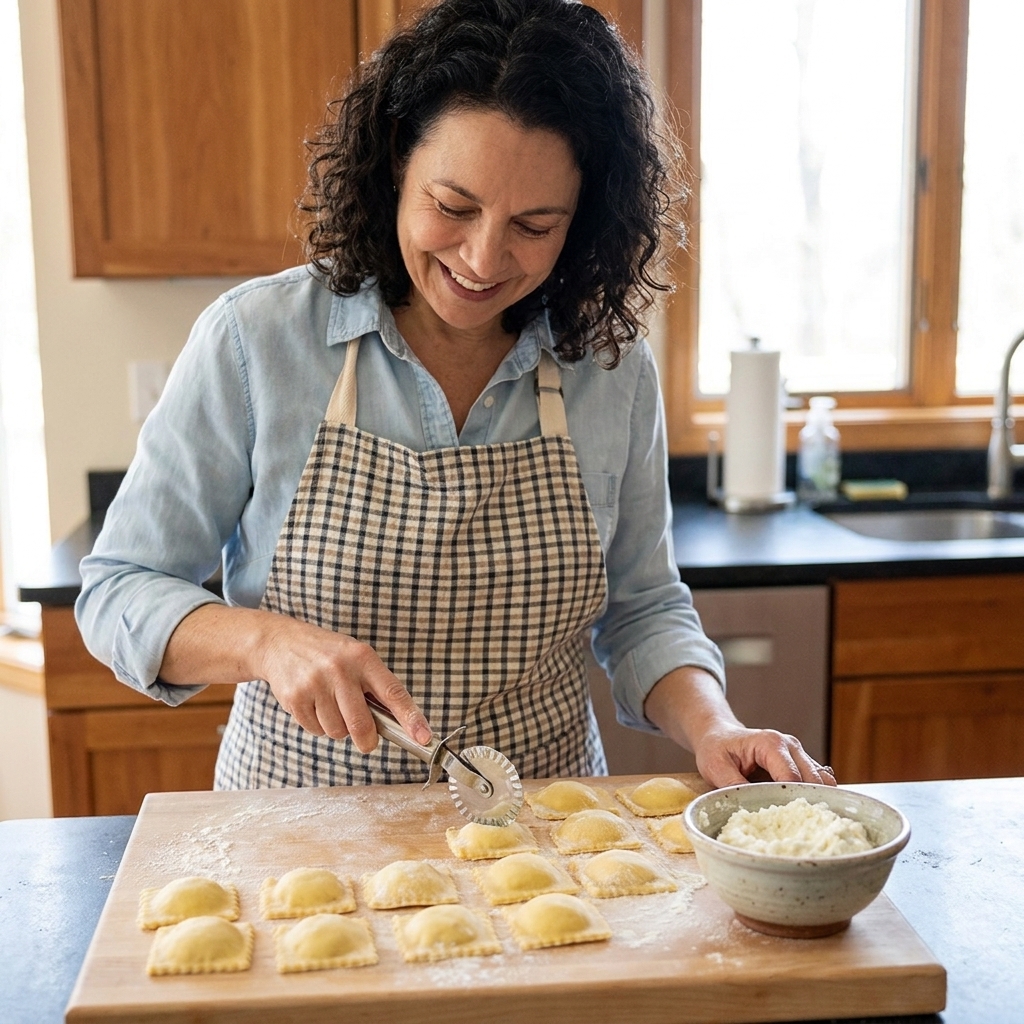
Use 00 for stuffed pasta
For ravioli, tortellini, agnolotti, and anything where the wrapper matters, 00 flour gives you that supple dough that seals well and does not fight you when you shape.
Clara tip: If your ravioli dough keeps shrinking back when you roll it, it usually needs a longer rest. Wrap it tightly and give it 20 to 30 more minutes. The difference is night and day.
When I choose semolina
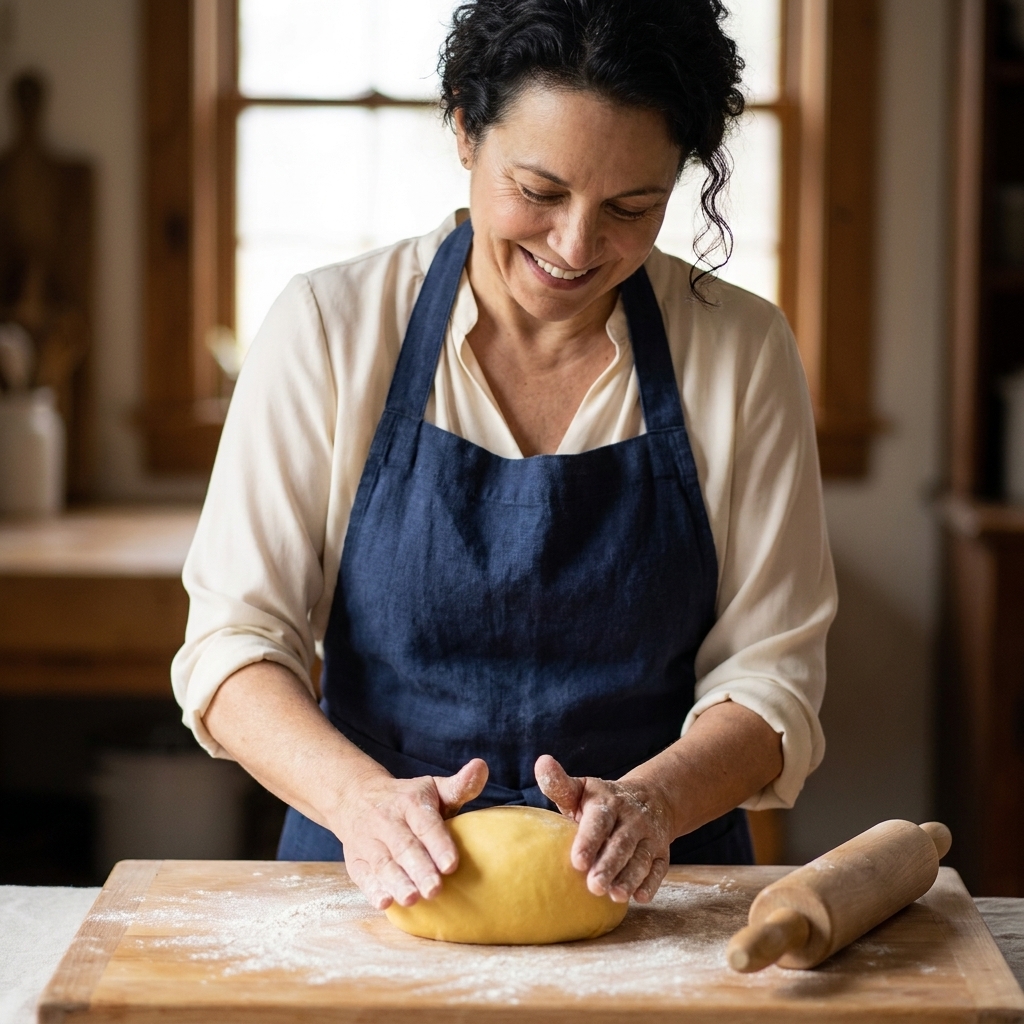
I reach for semolina when I want pasta that has a little backbone, especially with sauces that are rich, chunky, or oily.
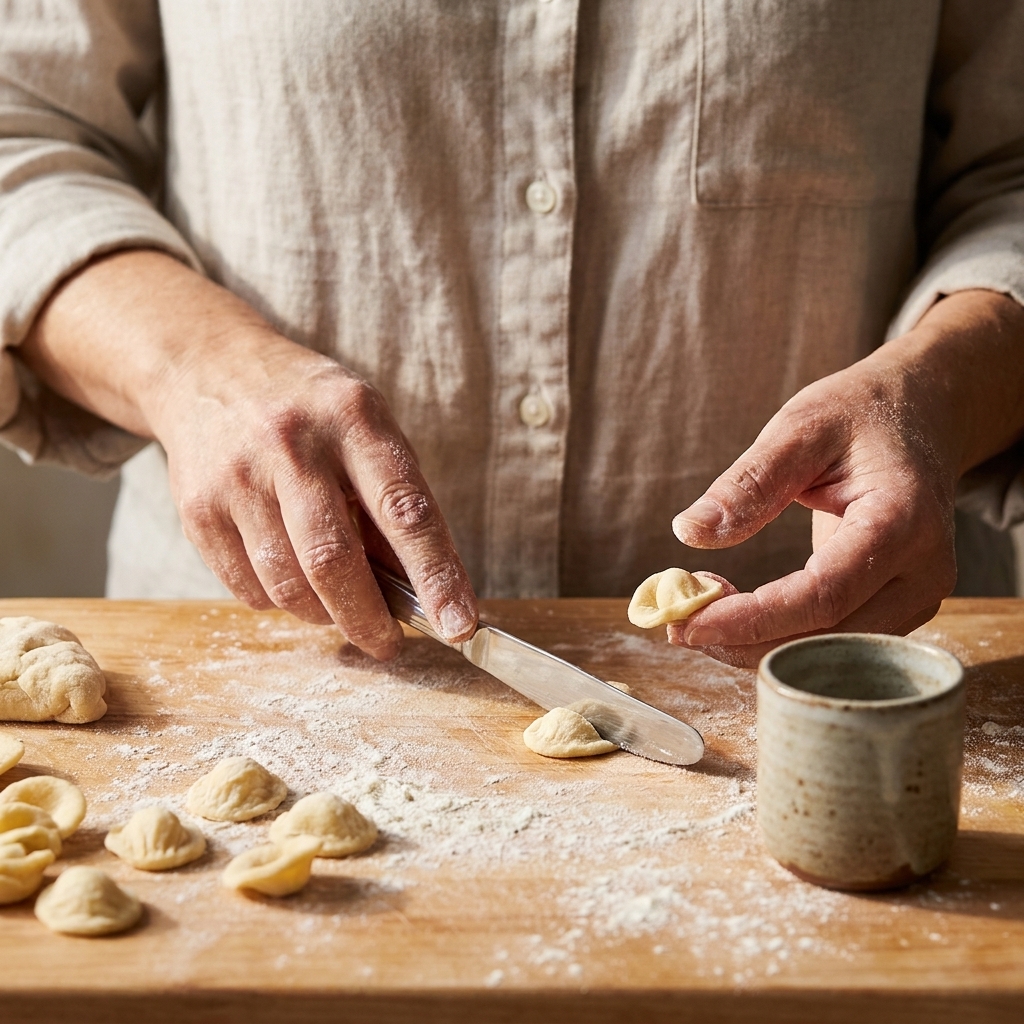
Use semolina for rustic shapes
- Orecchiette
- Cavatelli
- Trofie
- Busiate
Use semolina for water doughs
Many Southern Italian styles rely on just flour and water, and semolina is perfect here. It gives you strength without eggs and makes shapes that keep their character in the pot.
Clara tip: If semolina dough feels dry and pebbly, do not panic and dump in a bunch of water. Sprinkle in a teaspoon at a time, knead, and then rest the dough. Hydration catches up during the rest.
Best choice by project
If you want a simple way to decide, start with the pasta shape and the sauce you are craving.
| Pasta goal | Choose this | Why it works |
|---|---|---|
| Thin sheets for ravioli or tortellini | 00 flour (often with eggs) | Rolls thin, seals cleanly |
| Silky ribbons for quick weeknight pasta | 00 flour | Tender bite and smooth texture |
| Rustic hand-rolled shapes | Semolina (often with water) | Firm structure and chew |
| Hearty sauces like ragù or sausage and broccoli rabe | Semolina or a blend | More bite, holds up to weighty sauce |
| All-purpose fresh pasta for lots of shapes | 00 plus semolina blend | Best of both: rollability plus bite |
My favorite approach
If you are only going to remember one thing, let it be this: a blend is often the sweet spot. 00 flour gives you that smooth rollability, semolina gives you chew and durability.
Easy blend ratios
- 70% 00, 30% semolina: great for fettuccine, tagliatelle, and pappardelle with a little more bite
- 50% 00, 50% semolina: sturdier noodles, excellent when you want a more rustic chew
- 100% semolina (water dough): best for orecchiette, cavatelli, and shapes that do not need to roll paper-thin
Clara tip: When you blend, keep your bench flour semolina. That little bit of grit on the outside helps prevent sticking and gives the finished pasta a lightly textured surface that sauce loves.
How to adjust dough
Flour choice is only half the story. The way the dough feels tells you what to do next.
If the dough tears when you roll
- It may be too dry, especially with semolina-heavy doughs
- It may need a longer rest so the flour can hydrate
- If it is semolina only and you are trying to roll very thin, consider blending in some 00 next time
If the dough shrinks back
- It needs more resting time
- If you are using a very strong 00 (often labeled for pizza), try a softer 00 next time or blend with a little all-purpose
If the cooked pasta is too soft
- Use a higher percentage of semolina next time
- Roll slightly thicker, especially for wide noodles
- Cook 30 to 60 seconds less, fresh pasta moves fast
Buying tips
For 00 flour
Look for “00” and, if available, a note about intended use. Some brands label 00 for pizza, some for pasta. Both can work, but the protein and strength vary. If you love making egg pasta, a 00 intended for pasta or general baking often gives a more tender result than a very strong pizza 00.
For semolina
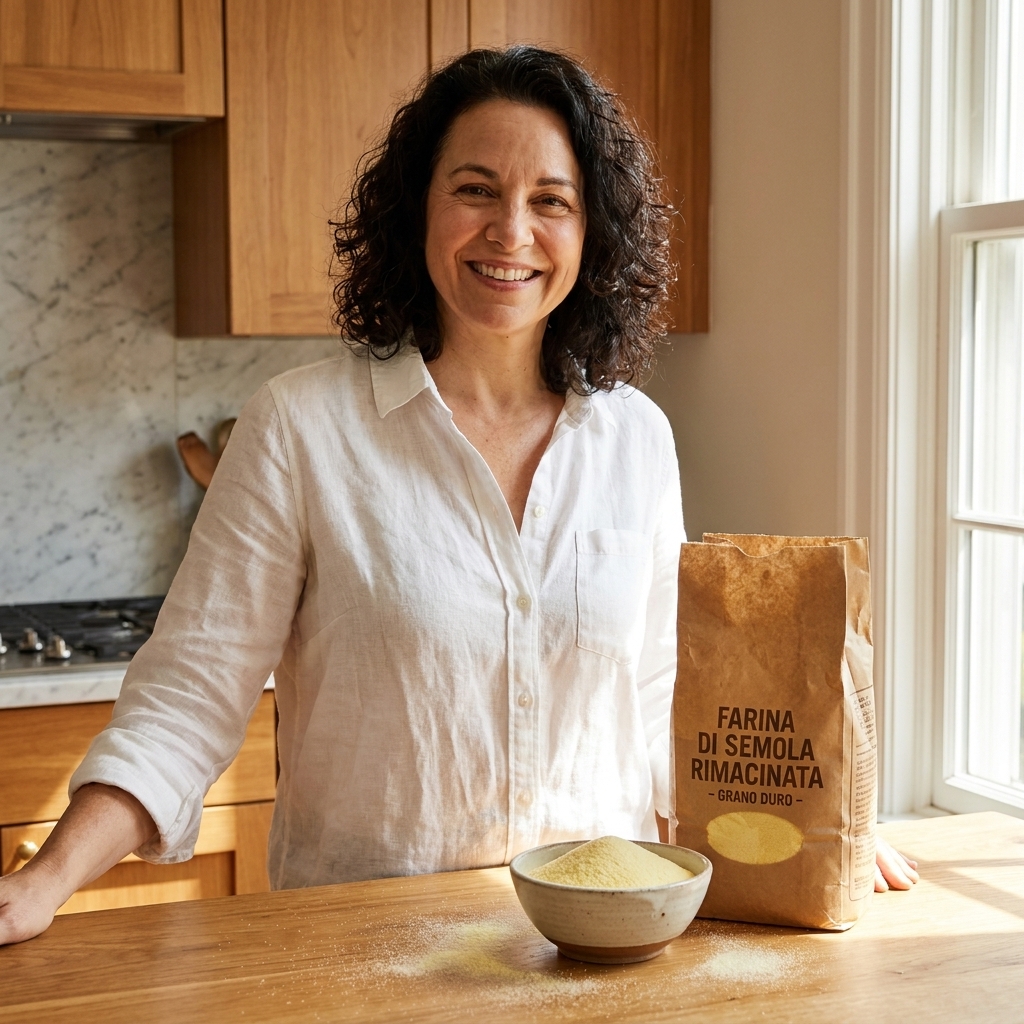
Choose durum semolina or semola rimacinata if you can find it. Semola rimacinata is “re-milled,” meaning it is finer than standard semolina, and it can make kneading and shaping easier while still giving you that durum bite.
If you are shopping in the US, you may also see bags labeled “durum flour.” It is often finer than classic semolina, closer in feel to semola rimacinata, and it can be a great option for pasta if that is what you can find.
FAQ
Can I substitute all-purpose flour for 00?
Yes. All-purpose can make lovely fresh pasta, especially egg pasta. Expect a slightly different feel when rolling and a slightly less silky finish. If you have all-purpose and a little semolina, blending them can get you very close to the texture you want.
Can I make pasta with only semolina?
Absolutely, especially for water-based doughs and rustic shapes. If you want thin sheets for ravioli, pure semolina can be challenging. It is doable with a fine semola rimacinata and a good rest, but a blend with 00 is usually easier.
Why does semolina dough crack at the edges?
Most of the time it is under-hydrated or under-rested. Semolina needs time to drink in the water. Wrap the dough and rest 30 to 60 minutes, then try again.
Which flour is best for pasta that holds sauce?
Semolina shines here, especially in fresh pasta where a coarser grind or semolina bench flour can leave a lightly textured surface. A blend also works beautifully, especially if you dust your noodles with semolina as you cut them.
The simplest way to choose
If you want silky, tender pasta, reach for 00. If you want chewy, sturdy pasta, reach for semolina. If you are not sure, blend them and let the dough tell you the rest.
And remember, the “right” flour is the one that matches the pasta you are making on this day, for these people you are feeding. That is how my grandmother cooked, and honestly, it is still the best rule I know.