Fresh pasta has a funny way of making you feel like you did something wrong when really it just needs a tiny course correction. My grandmother used to say, “The dough tells you what it needs.” And she was right. When you know what to look for, the fixes are usually simple: a sprinkle of flour, a few drops of water, a longer rest, a gentler roll.
This guide is for the most common problems I see in home kitchens, from a crumbly dough that will not come together to silky sheets that suddenly tear the second they hit the cutter. Keep it nearby the next time you make dough, and you will feel the confidence click into place.
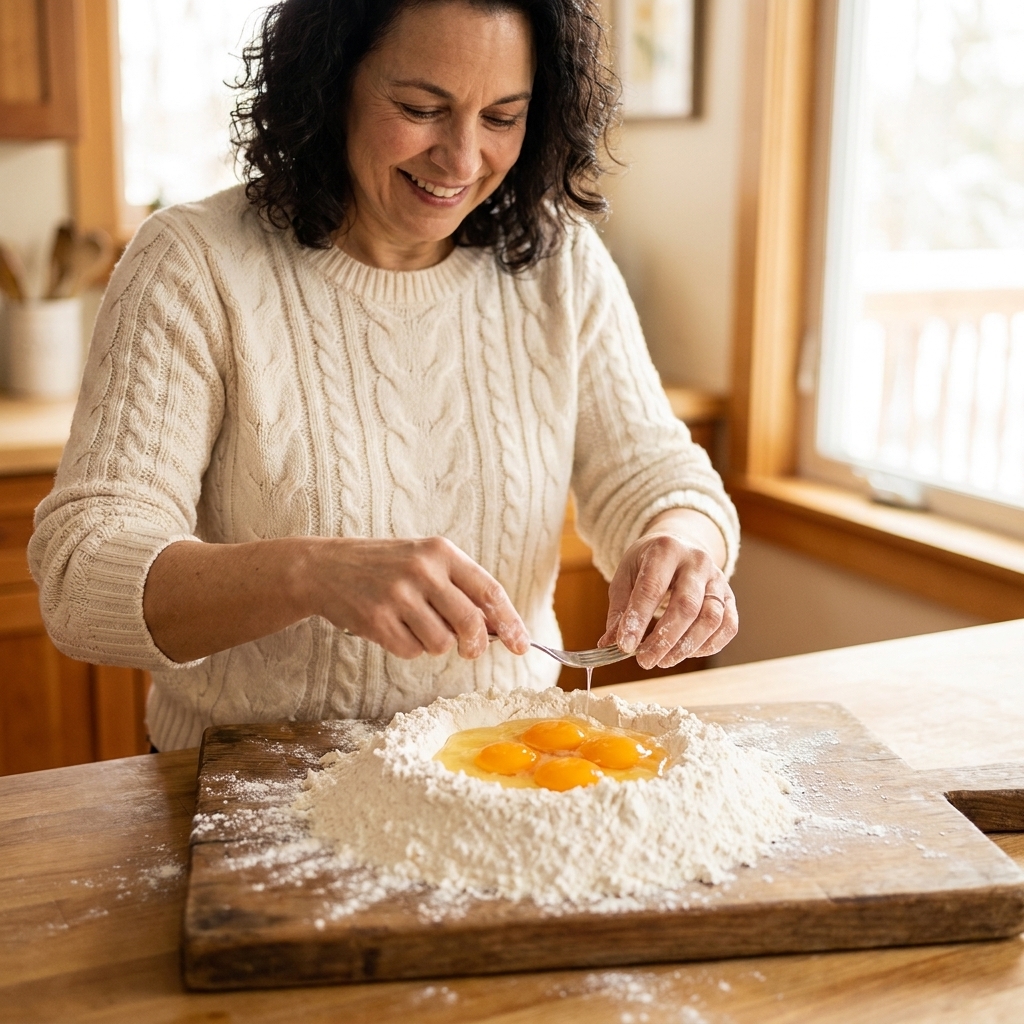
Before we troubleshoot, a good starting point: For classic egg pasta, I start with 100 grams flour per 1 large egg. It is not a law, just a reliable place to begin. Eggs vary, kitchens vary, and flour absorbs differently depending on brand and humidity. That is why we cook by feel.
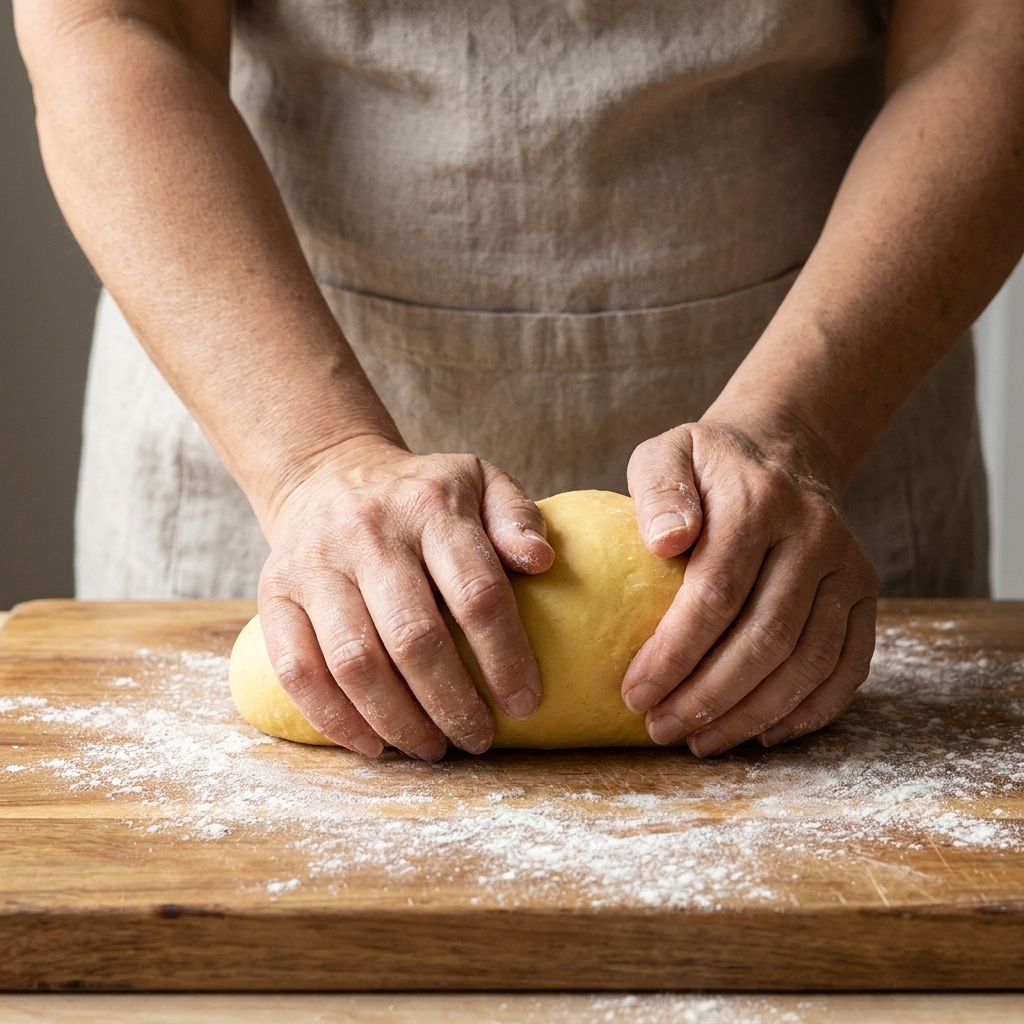
1) The dough is crumbly and won’t come together
What it looks like: Shaggy pieces, dry corners, flour that refuses to hydrate. You squeeze it and it breaks apart like damp sand.
Most common causes:
- Too much flour for the amount of egg or liquid.
- Eggs were small, or your kitchen is dry (winter air is famous for this).
- You are not kneading long enough for it to become cohesive.
How to fix it:
- First, keep kneading for 2 to 3 minutes. Crumbly dough often looks hopeless, then suddenly turns cohesive once the gluten wakes up.
- Add moisture slowly. Wet your fingertips and knead, repeating as needed. If you need more, add 1 teaspoon of water at a time. You want “just enough,” not a sticky dough.
- If you used a scale, you can still adjust. Flour absorbs differently depending on brand and humidity. Trust feel over perfection.
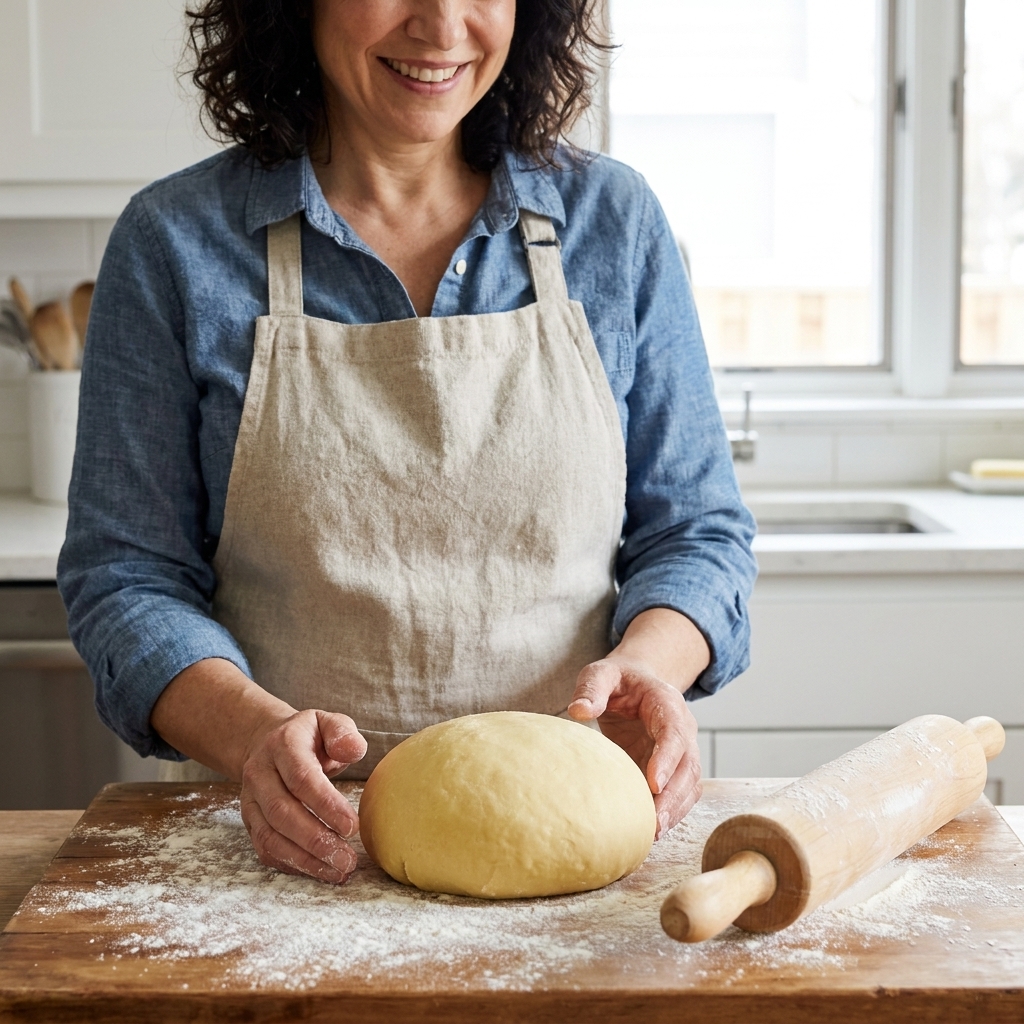
Clara’s cue: When it is right, it feels firm like a stress ball, not soft like bread dough. Press a thumb in and it should slowly spring back.
2) The dough is sticky, tacky, or gluey
What it looks like: It clings to your hands, the counter, and the roller. It leaves smears instead of a clean surface.
Most common causes:
- Too much egg or added water too quickly.
- Not enough kneading, so the dough feels wet and weak.
- Dough is warm, especially if your kitchen runs hot.
How to fix it:
- Dust lightly and keep kneading. Add flour in pinches, not handfuls. Too much flour now makes pasta tough later.
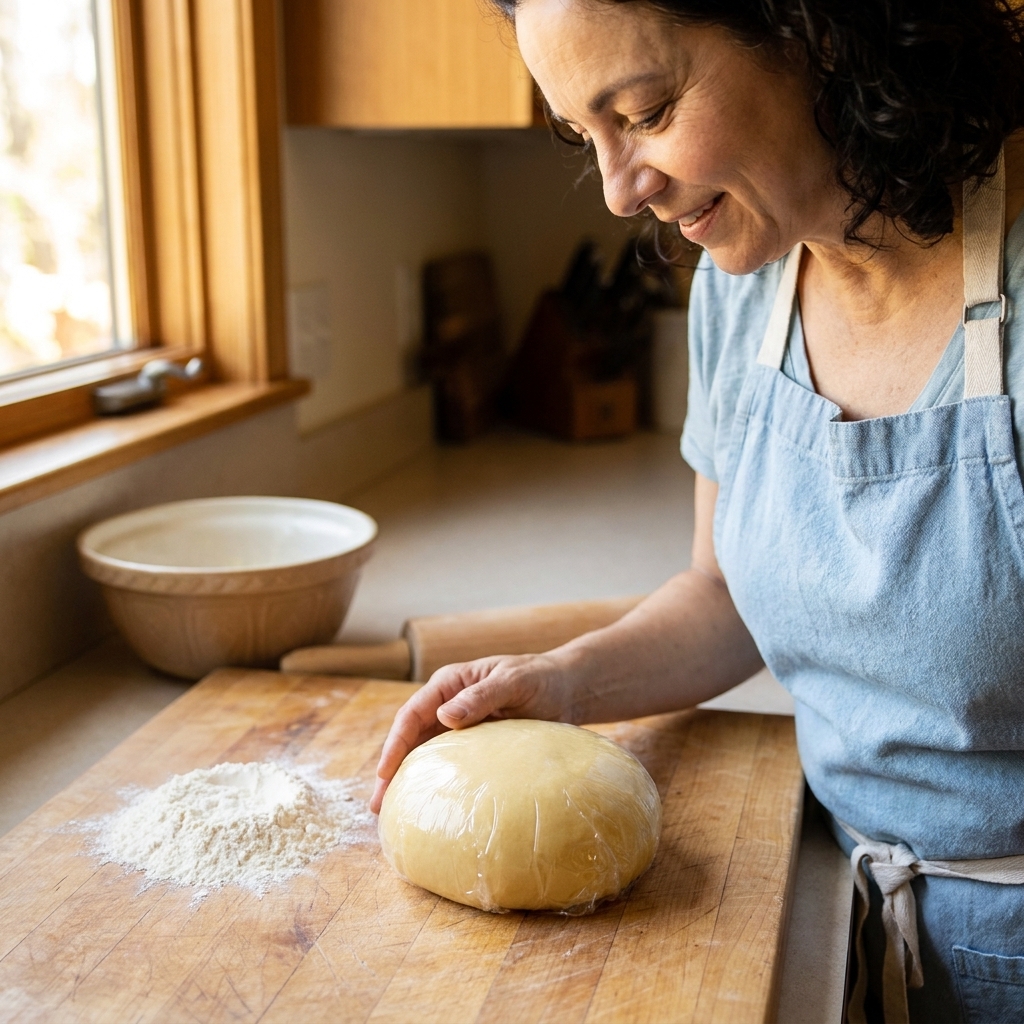
- Give it a rest. Wrap tightly and rest 20 to 30 minutes. Resting lets flour fully absorb moisture, and stickiness often disappears.
- Cool it down if needed. If your dough feels warm and oily, rest it somewhere cool, or give it 10 minutes in the fridge. Avoid freezing.
3) The dough keeps shrinking back when you roll it
What it looks like: You roll a strip, it pulls back like an elastic band. You fight it the whole way down the machine.
Most common causes:
- Not enough resting time.
- Overworked dough without breaks.
- Dough is too dry and tight.
How to fix it:
- Rest, rest, rest. Let the dough sit wrapped for at least 30 minutes. If it still snaps back, give it 15 more.
- Work in smaller pieces. Keep the unused dough wrapped so it stays relaxed and hydrated.
- If it feels very stiff, mist your hands with water and knead briefly, then rest again.
Clara’s cue: After a proper rest, the dough rolls with a calm, steady resistance. You should not feel like you are wrestling it.
4) The sheets tear, crack, or get holes in the machine
What it looks like: Ragged edges, thin spots that rip, or little holes that appear as the sheet stretches.
Most common causes:
- Dough is too dry, especially around the edges (often from air exposure).
- You skipped gradual thinning (jumped from thick to thin too fast).
- Not enough kneading, so the gluten structure is weak.
How to fix it:
- Condition the dough. Run it through the widest setting, fold into thirds like a letter, and run it again. Do this 4 to 6 times until the sheet looks smooth and even.
- Move one setting at a time. Pasta likes gentle transitions. If you see thin white streaks or the edges start to look stressed, slow down.
- Patch and continue. If a small tear starts, fold that section over itself and roll again on a thicker setting to reset the sheet.
- If the edges are cracking, lightly dampen your hands and rub the edge of the sheet before re-rolling. Also make sure the rest of the dough is wrapped while you work so it does not form a crust.
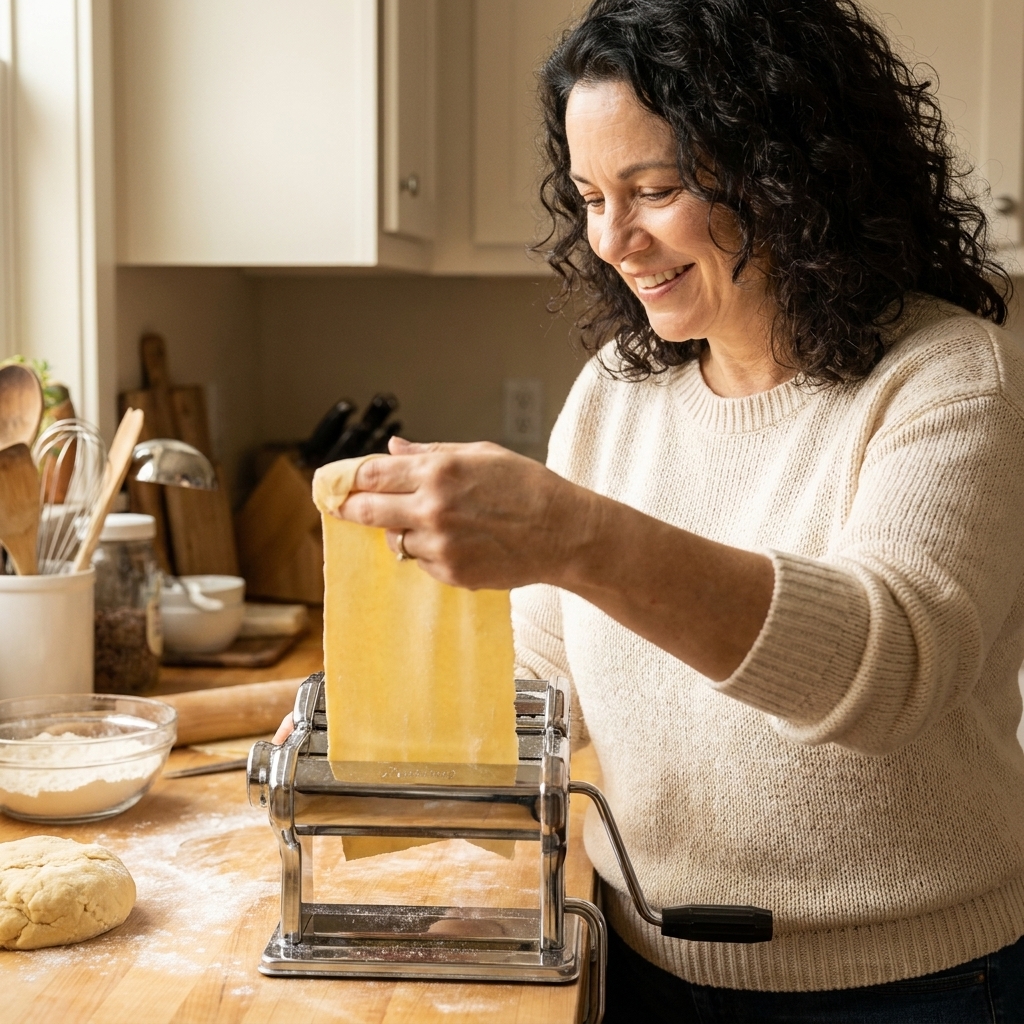
5) The sheets stick to the rollers or to themselves
What it looks like: The sheet wraps around the roller, or two layers glue together when you fold or hang it. You end up with a thick stuck ribbon.
Most common causes:
- Sheet is too moist on the surface.
- Not enough flouring during rolling.
- Steam or humidity in the kitchen (yes, boiling water nearby matters).
How to fix it:
- Dust the sheet, not the machine. Lightly flour both sides of the dough with semola rimacinata or all-purpose flour. Tap off excess. You want a whisper of flour, not a snowstorm.
- Keep your work surface dry. If there is water on the counter from washing, the dough picks it up fast.
- Let sheets air-dry 1 to 2 minutes before cutting. This is the sweet spot: not brittle, just less tacky.
Machine care note: If sticking makes you want to rinse the rollers, resist. Most pasta machines should not be washed with water. Let any bits dry, then brush them out.
Clara’s cue: Properly floured sheets feel satiny, and when you lift them they release cleanly without tugging.
6) The pasta is rubbery or chewy
What it looks like: The noodles bounce back too much. They feel tough, especially when cool. You keep chewing and it never melts.
Most common causes:
- Too much flour added during kneading or rolling.
- Not enough resting time, so the dough stays tight.
- Sheets rolled too thick for the shape.
- Kneading itself is rarely the villain, but a very dry dough kneaded aggressively can become overly tight.
- Overcooking is not the usual culprit with fresh pasta, but under-salting the water can make it taste “hard” and flat.
How to fix it next time:
- Add flour sparingly. If the dough is sticky, rest it before you keep adding flour.
- Knead until smooth, then stop. For most home batches, 8 to 10 minutes of kneading is plenty. You want smooth and elastic, not rock-solid.
- Roll thinner than you think. Machine numbers vary, so use thickness as your guide. For ribbons like fettuccine or tagliatelle, aim for about 1 millimeter. For filled pasta, go a bit thinner, around 0.6 to 0.8 millimeter. On many Atlas-style machines, that lands around the mid to thinner settings.
- Salt your water like you mean it. The pasta water should taste pleasantly salty. That alone can make the texture feel more “pasta shop” at home.
Quick save: If your cooked pasta feels chewy, toss it with warm sauce plus a splash of pasta water and let it simmer together 30 seconds. It will not fix everything, but it softens the bite and brings it back to life.
7) The noodles clump, stick, or turn gummy
What it looks like: You cut beautiful strands, then they fuse into a single pasta blob on the board. Or the pasta feels tacky in the pot and sticks to itself.
Most common causes:
- Cut pasta was not floured and aired out briefly.
- Too much surface moisture on the sheet when you cut.
- Not enough boil and agitation, so starch concentrates around the pasta and it sticks.
- Overcrowding the pot.
How to fix it:
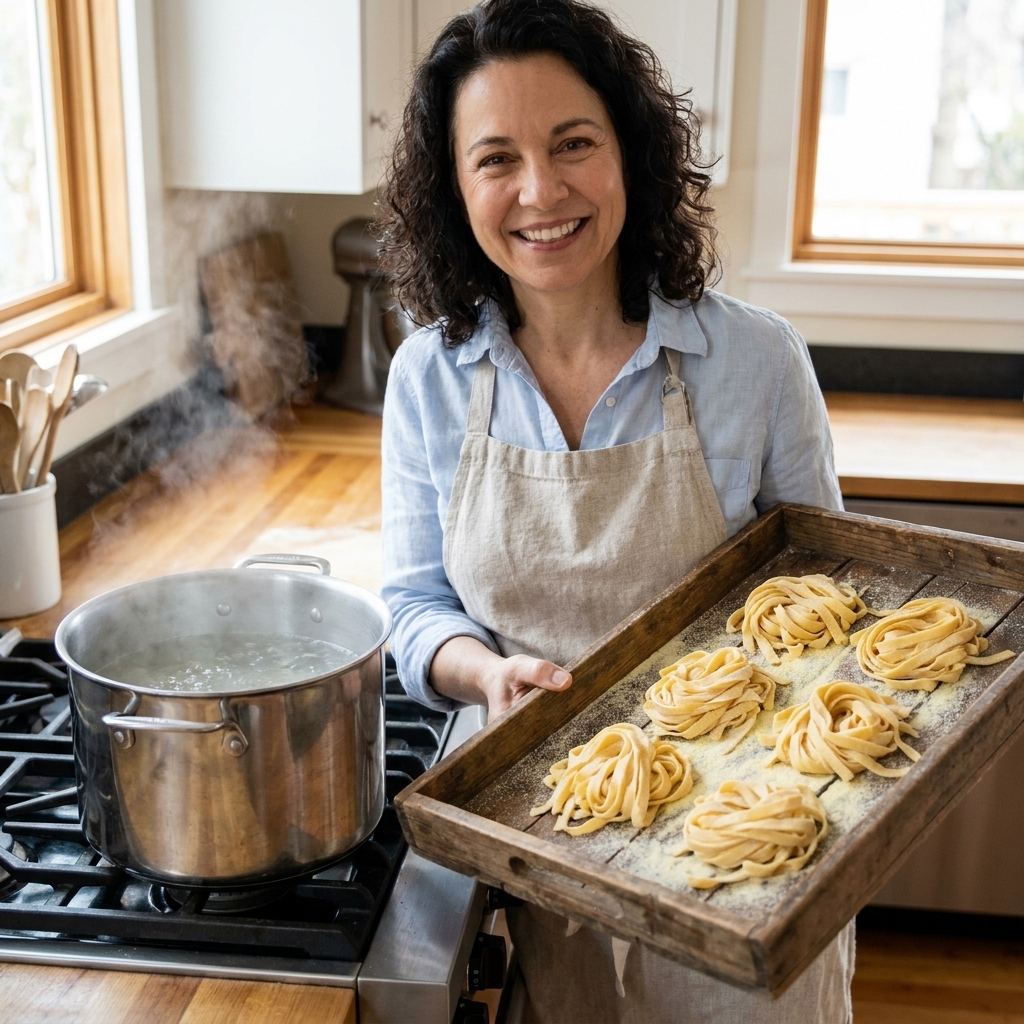
- Dry for a short window. After cutting, toss strands with a little flour or semola, then let them sit 5 to 10 minutes on a floured tray. This small dry time makes a huge difference.
- Use a wide pot and a rolling boil. Fresh pasta needs movement and space. Stir in the first 20 seconds.
- Cook in batches if you need to. Clumping often comes from crowding, not your dough.
- Skip oil in the water. It does not prevent sticking as well as boiling hard and stirring, and it can make sauce slide off later.
A quick reset checklist
If your pasta session starts to go sideways, pause and run through this like a little kitchen mantra.
- Too dry? Knead longer first, then add water by the teaspoon.
- Too sticky? Rest 20 to 30 minutes, then dust lightly.
- Shrinking back? Rest longer, work smaller pieces.
- Tearing? Condition by folding and re-rolling on a thicker setting.
- Clumping? Dry 5 to 10 minutes, boil hard, stir early.
FAQ
How long should fresh pasta dough rest?
I aim for 30 minutes at room temperature, tightly wrapped. Resting relaxes the dough so it rolls thin without fighting you. If your kitchen is very warm, a short rest in the fridge can help, just keep it airtight so the edges do not dry out.
Should I use 00 flour, semolina, or all-purpose?
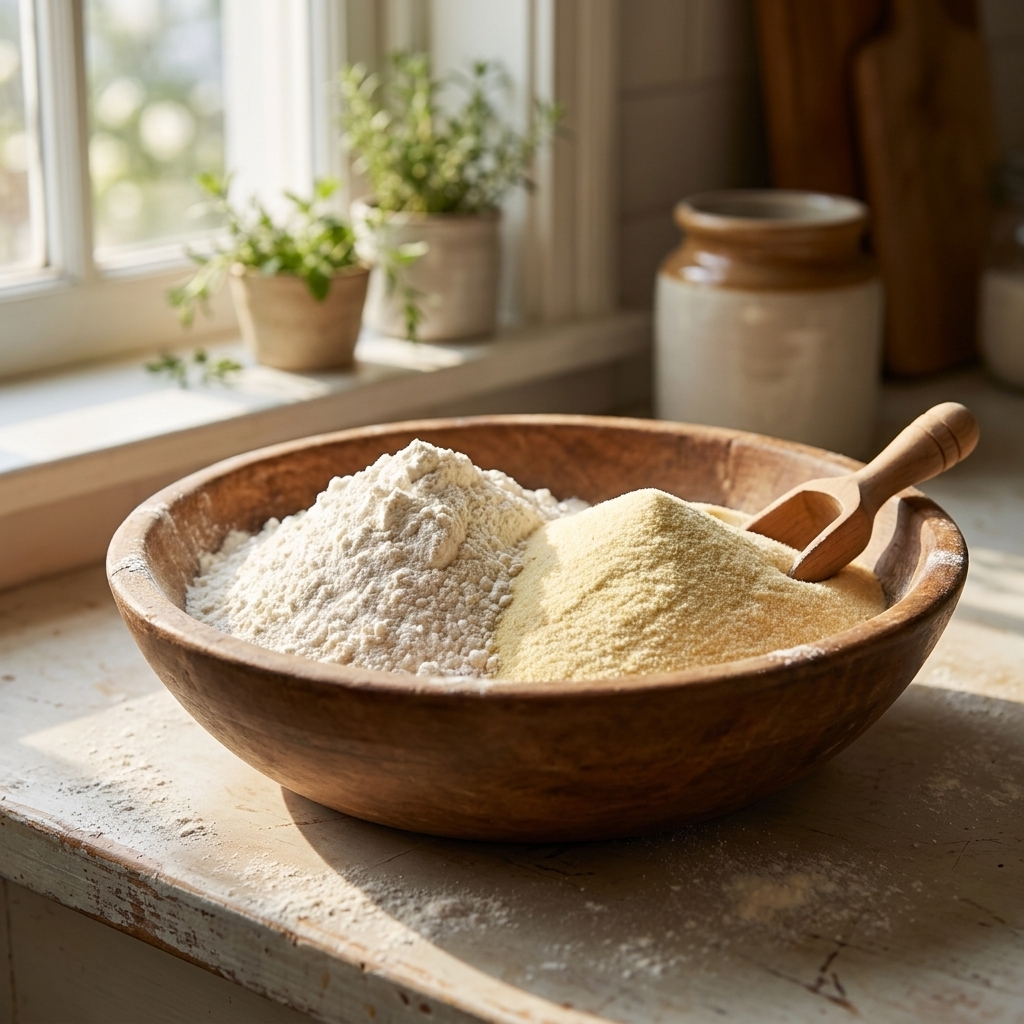
For tender, classic egg pasta, 00 flour is wonderful, but all-purpose flour absolutely works and is what many home cooks use successfully. Semolina is great for dusting and for sturdier shapes, but for a smooth sheet of egg pasta I usually keep semolina as my anti-sticking insurance rather than the main flour.
Whole eggs or extra yolks?
Whole eggs make a balanced, forgiving dough. A yolk-heavy dough tends to be silkier and richer, and it can be a little less prone to tearing, but it may feel softer or slightly stickier while rolling. Either way, adjust slowly and let resting do some of the work.
Why does my dough look dry at first, then suddenly turns sticky?
Because flour hydrates gradually. Early on, you see dry bits. Then the moisture distributes and the surface can feel tacky. That is why I recommend kneading a few minutes before making big adjustments, and resting before adding lots of extra flour.
Can I fix pasta dough after it rests?
Yes. If it is too dry, knead in a little water with damp hands. If it is too wet, knead in a pinch of flour and rest again. Think of it like tuning a radio, small turns.
What if I do not have a pasta machine?
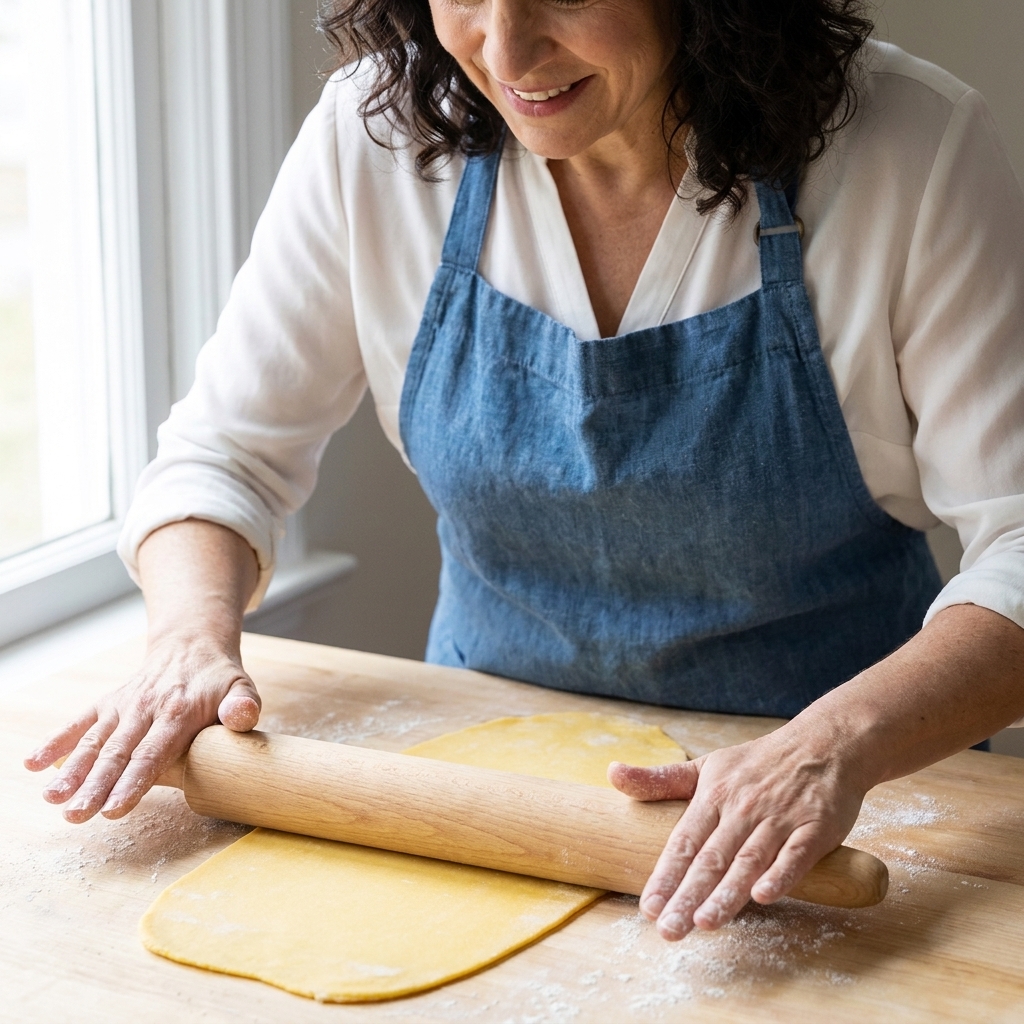
You can still use this guide. Roll with a rolling pin until the sheet is thin enough that you can see the shadow of your hand underneath when you lift it. If it tears, rest it. If it shrinks, rest it. The dough rules stay the same.
One last reminder
Pasta dough is not a multiple-choice test. It is a conversation. If it is dry, you give it a little drink. If it is sticky, you give it time. And if it is tearing, you slow down and let it become smooth again. Once you learn the cues, you will be able to make pasta on a Tuesday night without overthinking it, which is exactly when it starts to feel like love.