I grew up thinking pasta dough was supposed to feel like a living thing in your hands: springy, smooth, and just a little stubborn. Then gluten-free flours enter the picture and suddenly the dough acts like a moody toddler. It cracks, it sticks, it tears, it refuses to roll thin.
This is the gluten-free fresh pasta dough I finally trust. It is egg-rich like classic Italian pasta, it rolls without heartbreak, and it cooks up tender with a pleasantly chewy bite. You do not need fancy equipment, but I will show you how to make it work with a rolling pin, too.
If you are cooking for celiac disease or strict gluten avoidance, make sure your flours and starches are certified gluten-free (and double-check any dusting flour, too).
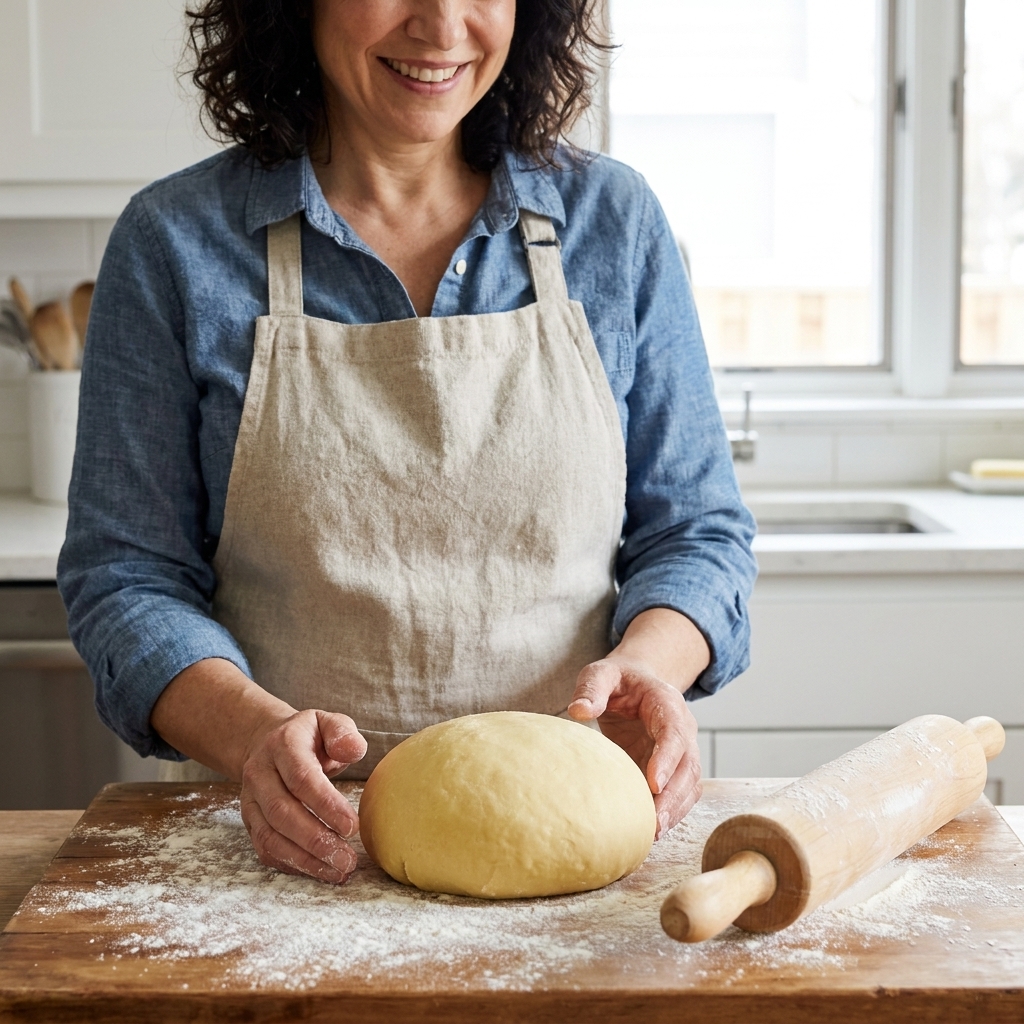
What makes gluten-free pasta rollable
Traditional pasta dough relies on gluten for stretch. In gluten-free dough, we have to build that stretch with a team effort:
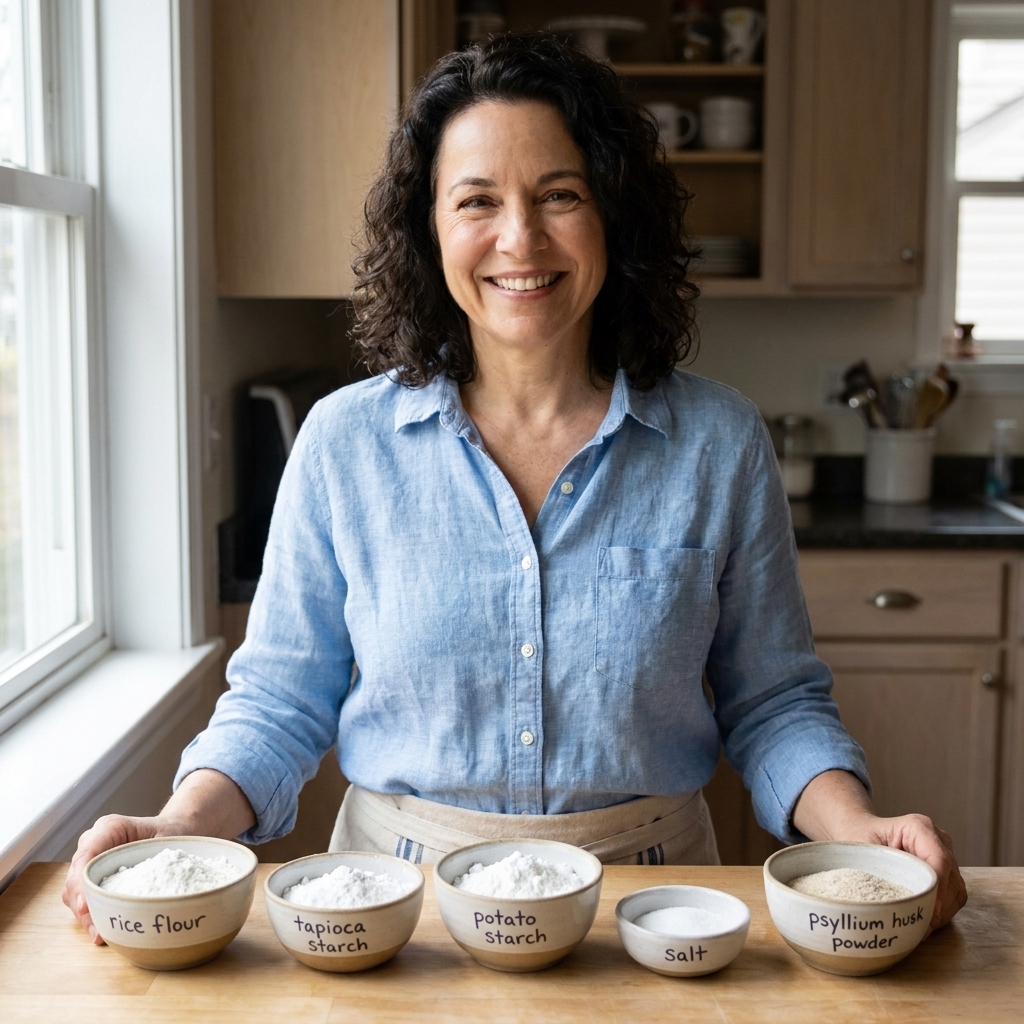
- A balanced flour blend: rice for structure, tapioca for elasticity, and potato starch for tenderness.
- Eggs plus one extra yolk: yolk brings richness and helps bind.
- Psyllium husk: the secret that gives the dough a flexible, almost gluten-like pull. It hydrates and turns the dough cohesive instead of crumbly.
- A short rest: gluten-free flours need time to absorb moisture. Resting transforms the dough from shaggy to silky.
If you have tried recipes that skip psyllium, you probably noticed the dough rolls, then fractures at the edges the moment you thin it out. Psyllium helps a lot with that and can greatly reduce cracking, especially after a proper rest.
Ingredients
This recipe makes about 330 to 360 g dough, enough for 3 to 4 servings depending on shape and appetite.
- 150 g fine white rice flour (plus more for dusting)
- 70 g tapioca starch
- 40 g potato starch (not potato flour)
- 10 g psyllium husk powder (or 15 g whole psyllium husk)
- 1/2 tsp fine sea salt
- 2 large eggs
- 1 large egg yolk
- 1 tbsp extra-virgin olive oil
- 70 to 100 g warm water (start with 70 g and add as needed)
Quick psyllium note: If you can, use blonde psyllium. Dark or black psyllium can deepen the color of the dough and sometimes changes how much water it wants. Also, psyllium powders vary by brand and grind, so think of the water range as real, not optional.
Why warm water? It wakes up the psyllium quickly and helps the dough come together without overworking it.
Step-by-step
1) Mix the dry ingredients
In a medium bowl, whisk together the rice flour, tapioca starch, potato starch, psyllium, and salt. Whisk well. Psyllium likes to clump, so give it a good mix now.
2) Add eggs and start hydrating
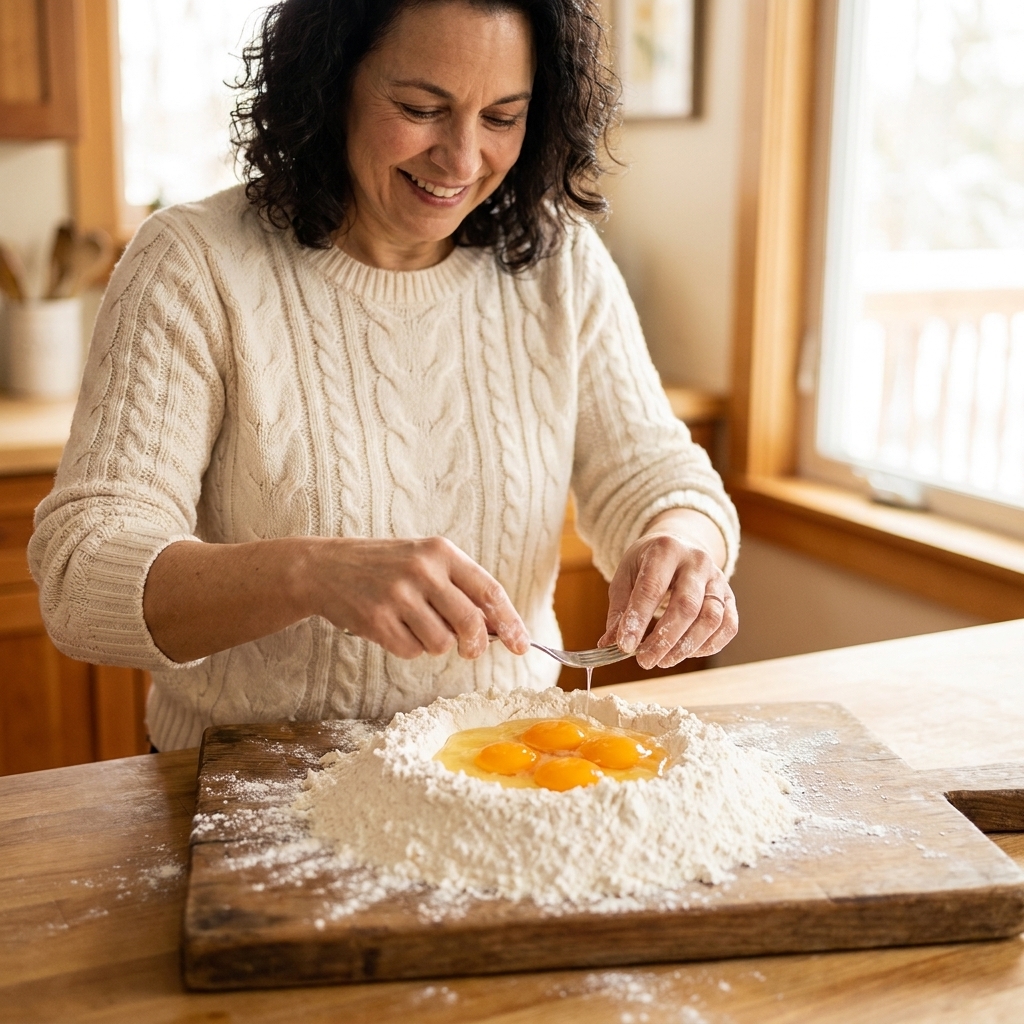
Make a well in the center. Add the eggs, yolk, and olive oil. Using a fork, beat the eggs, then slowly pull in flour from the edges until it becomes shaggy.
Drizzle in 70 g warm water and keep mixing. If you still have dry flour hiding at the bottom, add more water 1 tablespoon at a time.
3) Knead briefly, then let time do the heavy lifting
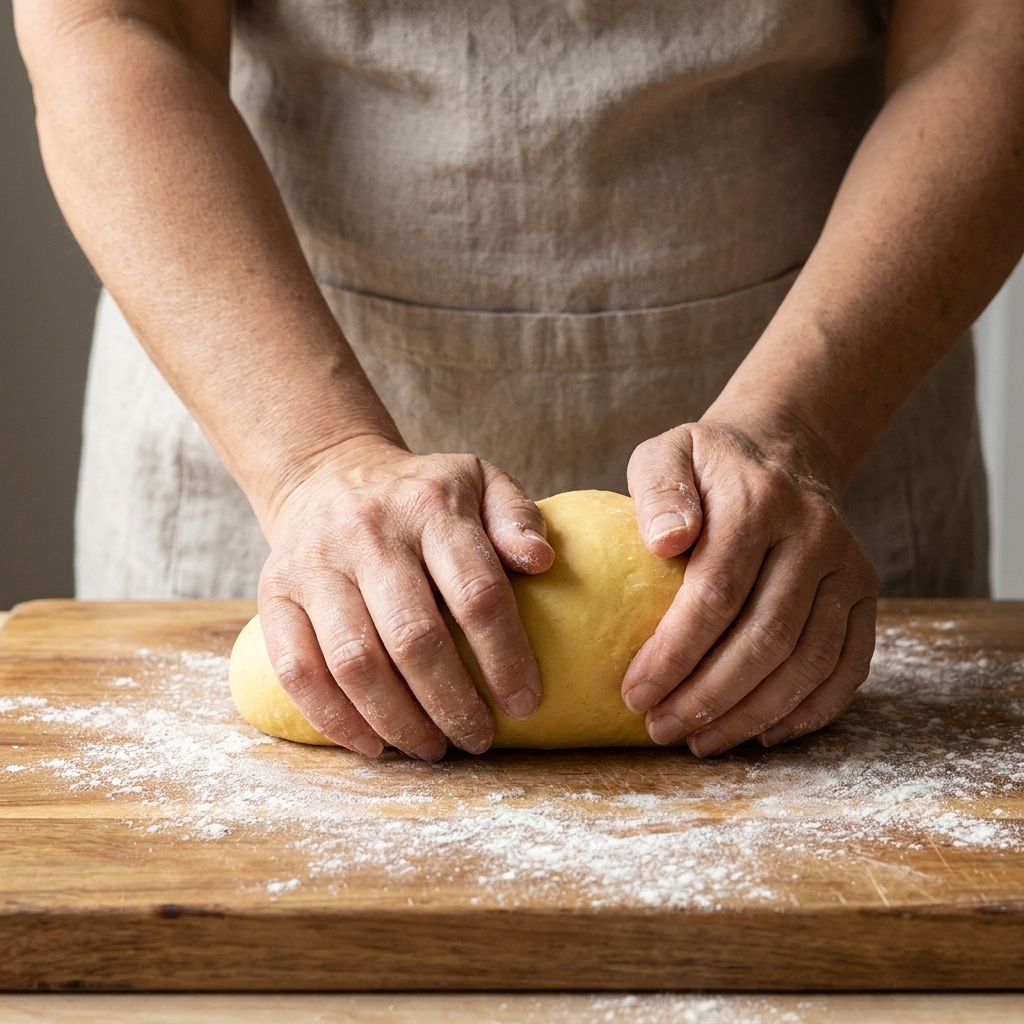
Turn the dough out onto a surface lightly dusted with rice flour. Knead for about 2 to 3 minutes, just until it looks smooth and you can press it without it crumbling.
The dough should feel like firm Play-Doh: pliable, not sticky, and not dry. If it cracks when you pinch the edge, knead in a teaspoon of water at a time.
4) Rest
Wrap tightly or cover with an upside-down bowl and let rest for 30 minutes at room temperature. Do not skip this. The dough will become more elastic and easier to roll.
5) Divide and roll
Cut into 4 pieces. Keep the pieces you are not using covered.
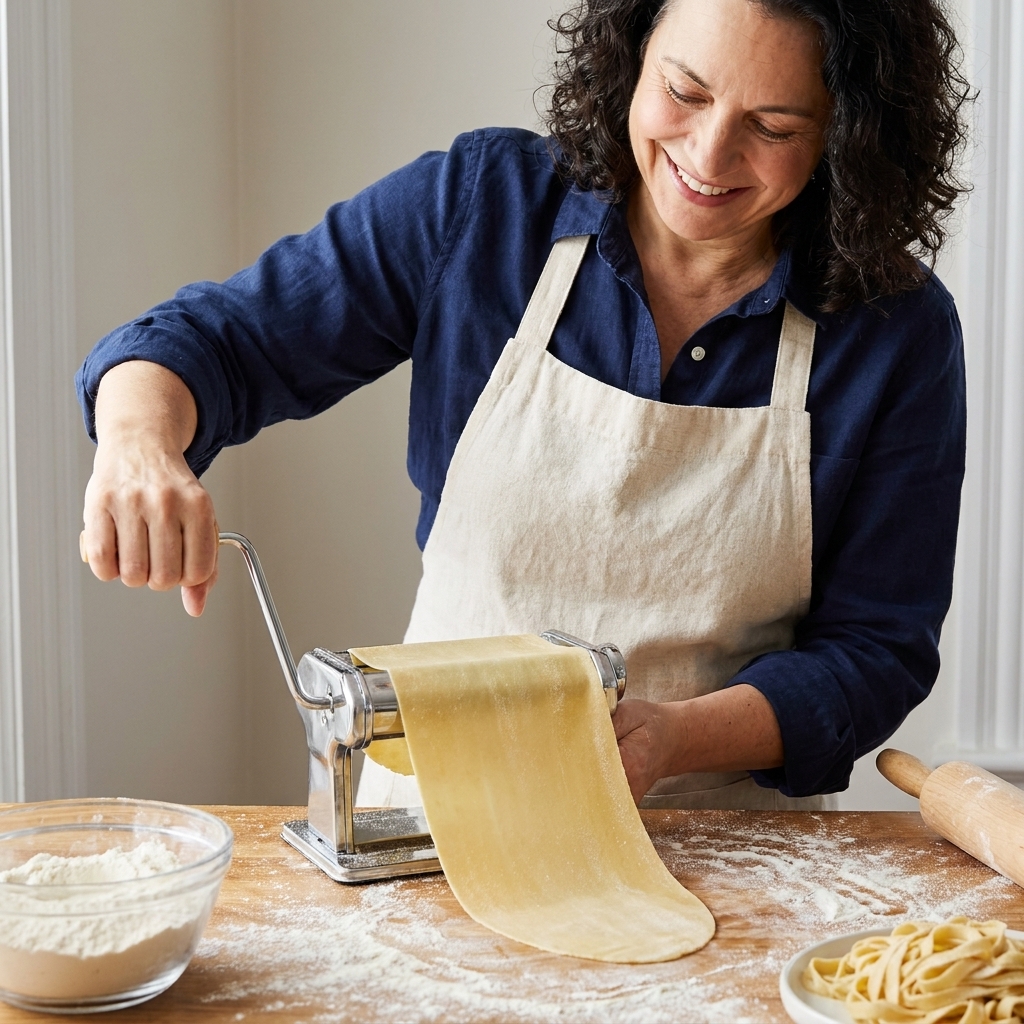
With a pasta machine: Flatten one piece into a rectangle. Dust lightly with rice flour. Roll through the widest setting. Fold into thirds like a letter, rotate, and roll again. Do this 2 to 3 times to build a smooth sheet. Then continue reducing settings one step at a time until you reach your desired thickness.
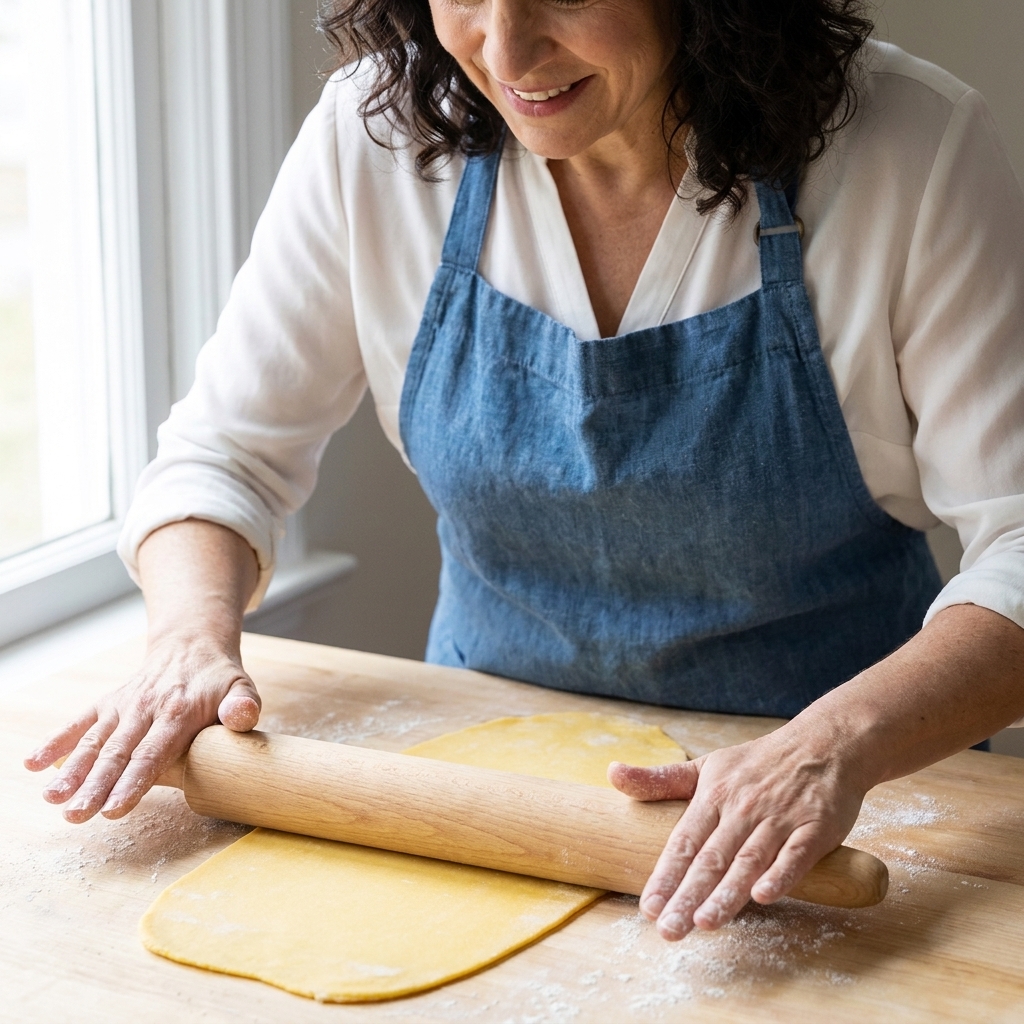
With a rolling pin: Roll from the center outward, turning the dough often. Dust with rice flour as needed. If the edges start to split, press them back together and roll a bit thicker, then come back to thinning once the sheet warms slightly under your hands.
6) Cut your pasta
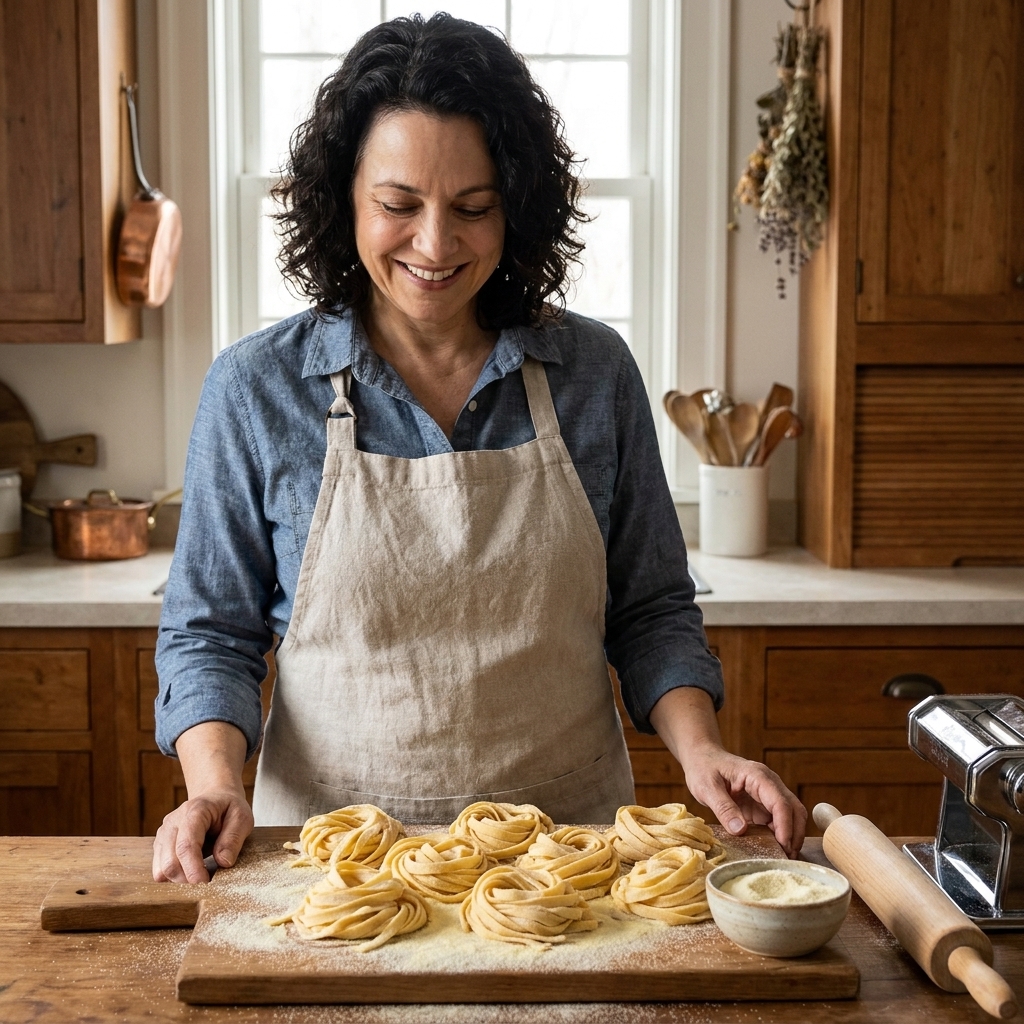
For tagliatelle or fettuccine, lightly dust the sheet, roll it up loosely, then slice. Unfurl gently.
For ravioli, keep the sheet slightly thicker so it seals well and does not tear when you boil it.
7) Cook
Bring a large pot of well-salted water to a steady simmer-to-gentle boil. Gluten-free fresh pasta is delicate at first, so avoid an aggressive rolling boil.
Cook 2 to 4 minutes, depending on thickness and shape. Start tasting at 2 minutes. You are looking for tender pasta with a little bite in the center.
Thickness guide
Pasta machine numbers vary a lot by brand, so use this as a feel guide first. If you like measurements, the millimeter ranges below are a good target.
- Lasagna sheets: medium thickness, about 1.2 to 1.5 mm. You want sturdiness.
- Tagliatelle and fettuccine: medium-thin, about 0.9 to 1.1 mm.
- Ravioli: medium, about 1.1 to 1.4 mm, especially if your filling is juicy.
- Very thin sheets: possible, but go slowly and flour lightly. If your dough starts tearing, stop and roll one step thicker.
My personal sweet spot is “thin enough to see a shadow of your hand through it, but not transparent.”
Tips for dough that behaves
Use rice flour for dusting
Do not dust with your full starch blend. Tapioca can get gummy on the surface. Rice flour stays dry and helps the sheet glide.
Keep the dough covered
Gluten-free dough dries fast, and dryness equals cracking. Cover pieces you are not actively rolling.
Work in smaller pieces
Instead of trying to roll a huge sheet, divide the dough. Smaller sheets tear less and are easier to handle.
Let the dough warm slightly if it feels stiff
If your rested dough feels cold and tight, knead it 10 seconds and give it 2 minutes on the counter. Warm dough rolls cleaner.
Sauce matters
Gluten-free fresh pasta loves sauces that cling. Think butter and sage, creamy mushroom, or a slow-simmered tomato sauce. A little extra sauce helps keep the bite luscious instead of dry.
Troubleshooting
The dough is cracking when I roll it
- It is too dry. Knead in water 1 teaspoon at a time.
- It did not rest long enough. Give it 10 to 15 more minutes.
- You are rolling too thin too fast. Reduce thickness gradually.
The dough is sticky and smearing
- It is too wet. Knead in a little rice flour, 1 tablespoon at a time.
- Your kitchen is warm. Chill the dough 10 minutes, then roll.
- Too much dusting flour can also create paste. Use a light hand.
The sheet tears in the pasta machine
- Make sure you start on the widest setting and feed a neat rectangle.
- Dust lightly and keep edges tidy. Ragged edges grab and rip.
- If it keeps tearing, the dough is likely dry or under-hydrated. Add a tiny bit of water and rest 10 minutes.
The pasta falls apart in the water
- Sheet was rolled too thin. Go a bit thicker next time.
- Boil was too aggressive. Keep it at a gentle boil and stir carefully for the first 30 seconds.
- Dough may have been under-hydrated or under-rested. Next time, add a touch more water and do not rush the rest.
Best shapes for this dough
- Tagliatelle: forgiving and perfect with ragù or mushroom cream.
- Pappardelle: wide ribbons, big comfort.
- Maltagliati: rustic torn pieces, excellent in brothy soups.
- Lasagna: sturdy, layered, and reheats beautifully.
- Ravioli: keep the sheet medium-thick and do not overfill.
Make-ahead and storing
Resting (same day)
You can rest the wrapped dough up to 2 hours at cool room temperature. Longer than that, refrigerate.
Refrigerating dough
Wrap tightly and refrigerate up to 24 hours. Before rolling, let it sit at room temperature 20 to 30 minutes, then knead briefly to smooth it out.
Freezing cut pasta
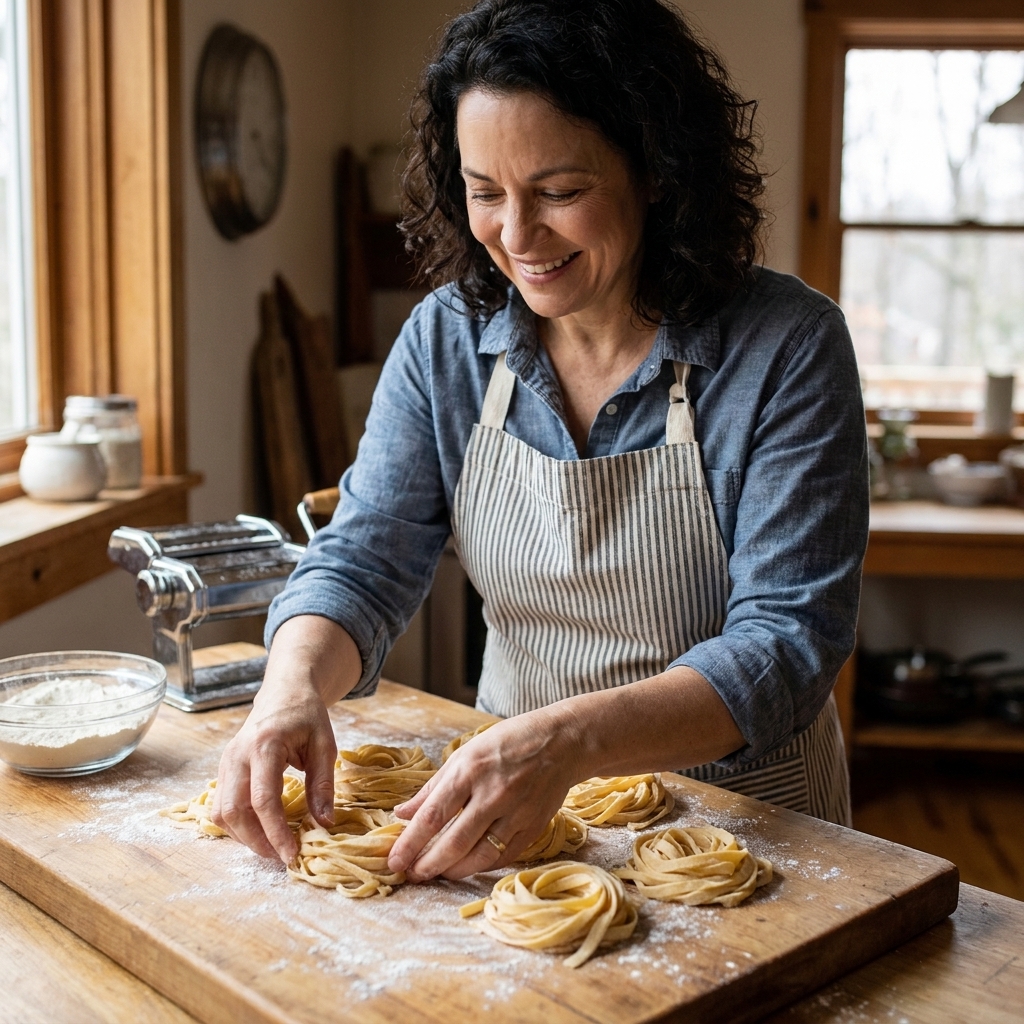
Lay cut pasta in loose nests on a rice-flour-dusted tray and freeze until firm, about 45 to 60 minutes. Transfer to a freezer bag and freeze up to 2 months. Boil from frozen, adding about 1 to 2 minutes and tasting early.
Drying?
I do not recommend fully drying this gluten-free fresh pasta like you would semolina shapes. Freezing keeps the best texture.
Serving ideas
- Brown butter, sage, and parm: warm, nutty, fast.
- Garlic tomato basil: let the garlic just turn golden, then add tomatoes and simmer until it smells sweet.
- Olive oil, lemon zest, and arugula: bright and peppery.
- Classic ragù: this dough can handle a hearty sauce.
FAQ
Can I use a store-bought gluten-free flour blend?
Sometimes, but results vary wildly. If your blend already contains xanthan gum, it can turn gummy when combined with psyllium. If you want to experiment, replace the rice, tapioca, and potato starch with the same total weight of your blend, then keep the psyllium and adjust water slowly.
Do I need xanthan gum?
No. Psyllium does the binding and elasticity work here. Xanthan can make the dough sticky and hard to roll in fresh pasta.
Can I make this egg-free?
This particular recipe is built around eggs for structure and bite. Egg-free gluten-free pasta is possible, but it is a different formula and technique.
Why potato starch and not potato flour?
Potato starch is light and helps tenderness. Potato flour is heavier, absorbs more water, and can make the dough dense.
What should the dough feel like before rolling?
Smooth, pliable, and firm. When you press a fingertip into it, it should leave a dent without crumbling or sticking to your skin.
Printable recipe
Gluten-Free Fresh Pasta Dough (Rollable and Elastic)
Yield: 3 to 4 servings
Rest time: 30 minutes
Cook time: 2 to 4 minutes
Ingredients
- 150 g fine white rice flour, plus more for dusting
- 70 g tapioca starch
- 40 g potato starch
- 10 g psyllium husk powder (or 15 g whole husk)
- 1/2 tsp fine sea salt
- 2 large eggs
- 1 large egg yolk
- 1 tbsp extra-virgin olive oil
- 70 to 100 g warm water, as needed
Instructions
- Whisk rice flour, tapioca starch, potato starch, psyllium, and salt in a bowl.
- Add eggs, yolk, and olive oil. Mix with a fork, pulling in dry ingredients.
- Drizzle in 70 g warm water and mix until a shaggy dough forms. Add more water 1 tablespoon at a time if needed.
- Knead on a rice-floured surface 2 to 3 minutes until smooth.
- Wrap and rest 30 minutes at room temperature.
- Divide dough into 4 pieces. Roll with a pasta machine (starting at the widest setting) or with a rolling pin, dusting lightly with rice flour.
- Cut into desired shapes. Cook in well-salted water at a gentle boil 2 to 4 minutes, tasting early.
If you make this dough, I want you to pay attention to the smells and feels: the clean, slightly sweet scent of rice flour, the way the dough goes from rough to satin after resting, and that first moment the noodles hit the water and float. That is the moment it starts to feel like Sunday dinner again.