If you have ever made fresh pasta and then stared at your beautiful noodles thinking, “Okay, but how do I keep you from turning into one giant sticky scarf,” you are in the right place. Storing homemade pasta is less about fancy gadgets and more about timing, a little flour, and good airflow. I learned this the way most of us do, by trial, error, and one memorable clump of fettuccine that could have doubled as a jump rope.
This guide walks you through the best ways to store pasta dough, hold shaped pasta for the day, dry pasta for longer pantry storage, and freeze fresh pasta so it cooks up like you just made it.
First: Know what you made
How you store pasta depends on two things: the dough type and the pasta shape.
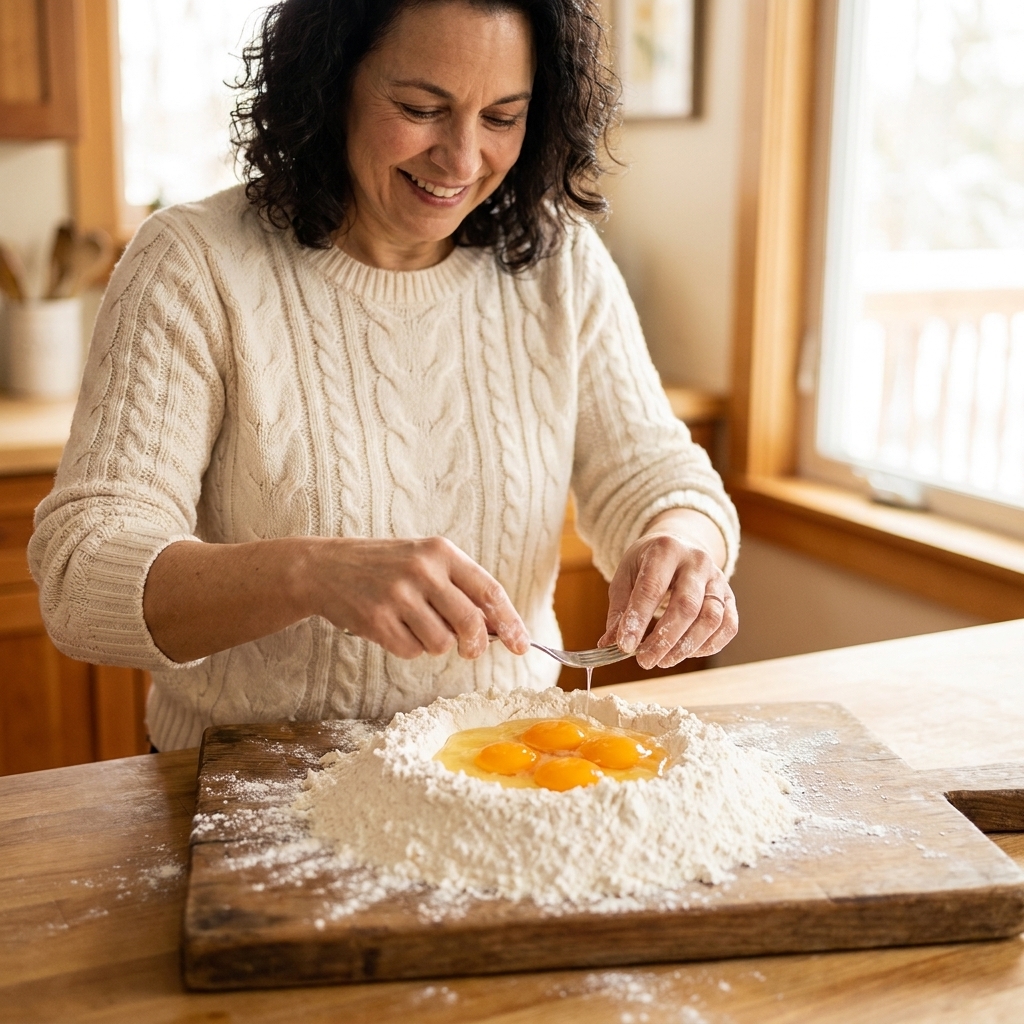
- Egg pasta (00 flour plus eggs) is tender and dries faster on the surface. It can also crack if it dries too quickly.
- Semolina and water dough (think orecchiette, cavatelli) is sturdier and often handles drying and freezing very well.
- Filled pasta (ravioli, tortellini) is its own category because the filling changes everything.
Thin shapes like tagliatelle and sheets dry and freeze differently than chunky shapes like gnocchetti sardi. Keep that in mind as you choose your method below.
How to store pasta dough
Short rest on the counter (30 to 90 minutes)
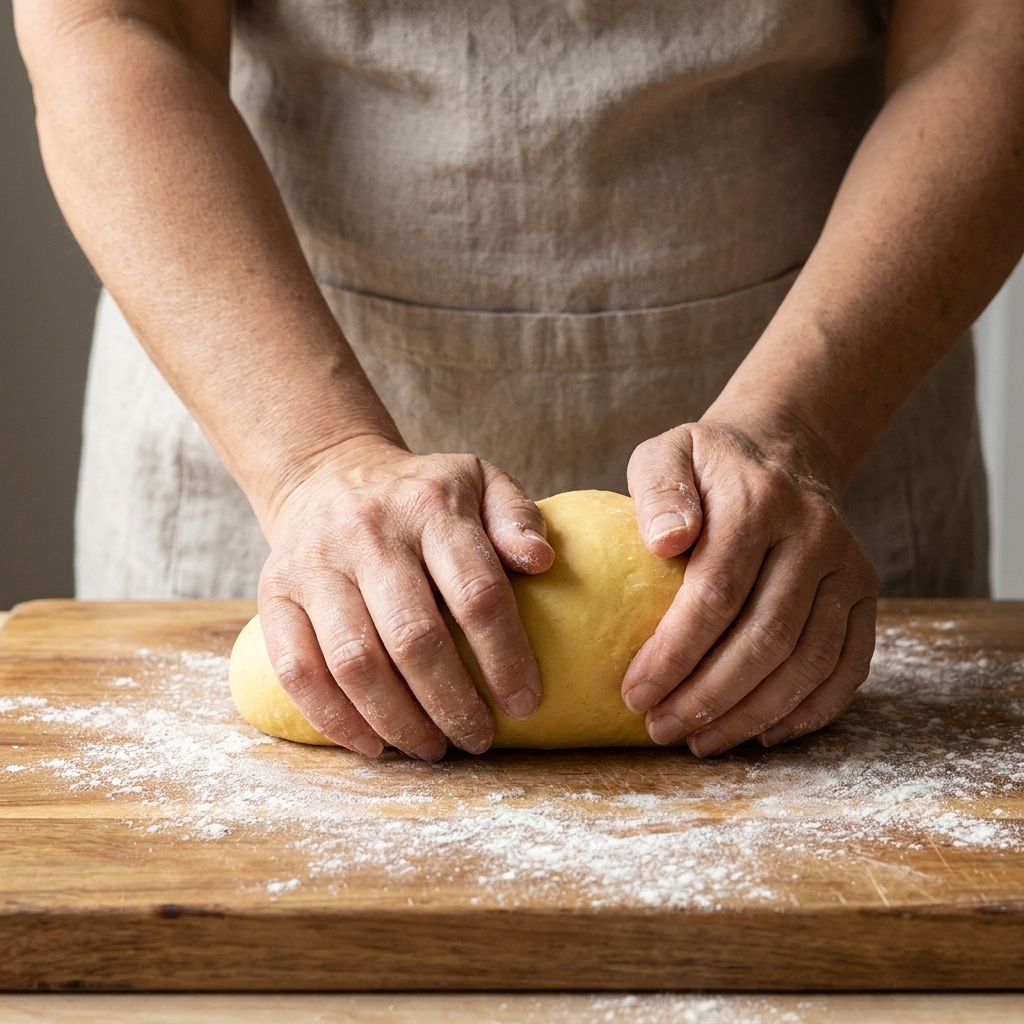
If you are taking a break while the gluten relaxes, wrap the dough tightly in plastic wrap or cover it with an overturned bowl. The goal is simple: no crusty edges.
Refrigerate pasta dough (up to 24 hours)
Wrap the dough very tightly in plastic wrap, then tuck it into a zip-top bag or airtight container. Refrigeration gives you flexibility, and it also keeps the dough from drying out while you buy yourself time.
- Before rolling: Let cold dough sit at room temperature 30 to 60 minutes. It should feel pliable again, not stiff like a brick of butter.
- What to expect: Egg dough can darken slightly in the fridge from oxidation. It is usually harmless, but the dough tastes freshest within a day.
- If the surface feels tacky: Dust lightly with flour as you roll, but do not knead in a lot of extra flour or you will toughen the dough.
Freeze pasta dough (up to 1 month for best quality)
Flatten the dough into a disk (it thaws faster and more evenly), wrap tightly in plastic wrap, then place in a freezer bag and press out the air.
- Thaw: Overnight in the fridge, then 30 to 60 minutes at room temperature before rolling.
- What to expect: Egg dough can look slightly mottled after thawing. That is normal. Once rolled, it usually behaves beautifully.
How to store shaped pasta
If dinner is later today, you have two good options: hold at room temperature briefly or refrigerate. The biggest enemy is moisture, which makes noodles glue themselves together.
Food safety note: If your pasta is filled with perishable ingredients (meat, seafood, soft cheese), keep it cold and do not leave it out for long, especially in a warm kitchen. When in doubt, freeze it.
Room temperature holding (up to 2 hours)
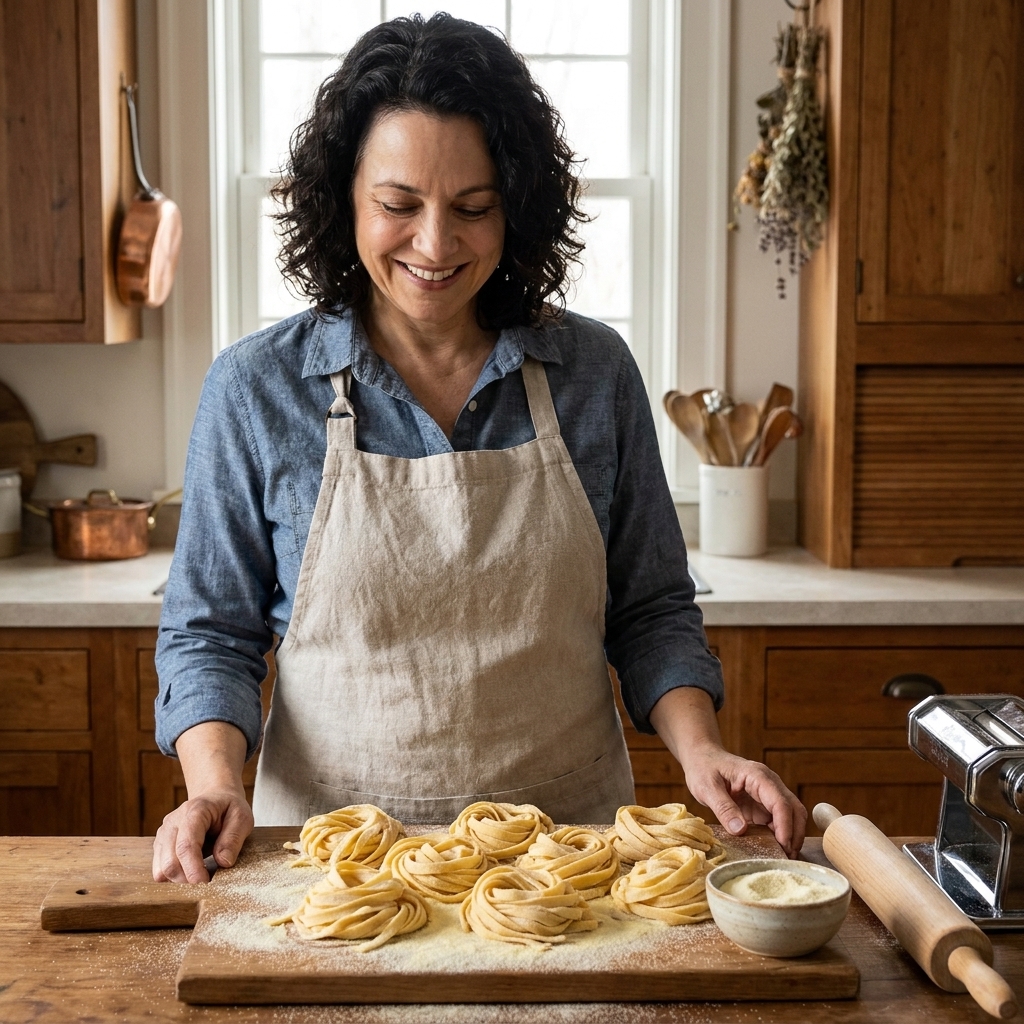
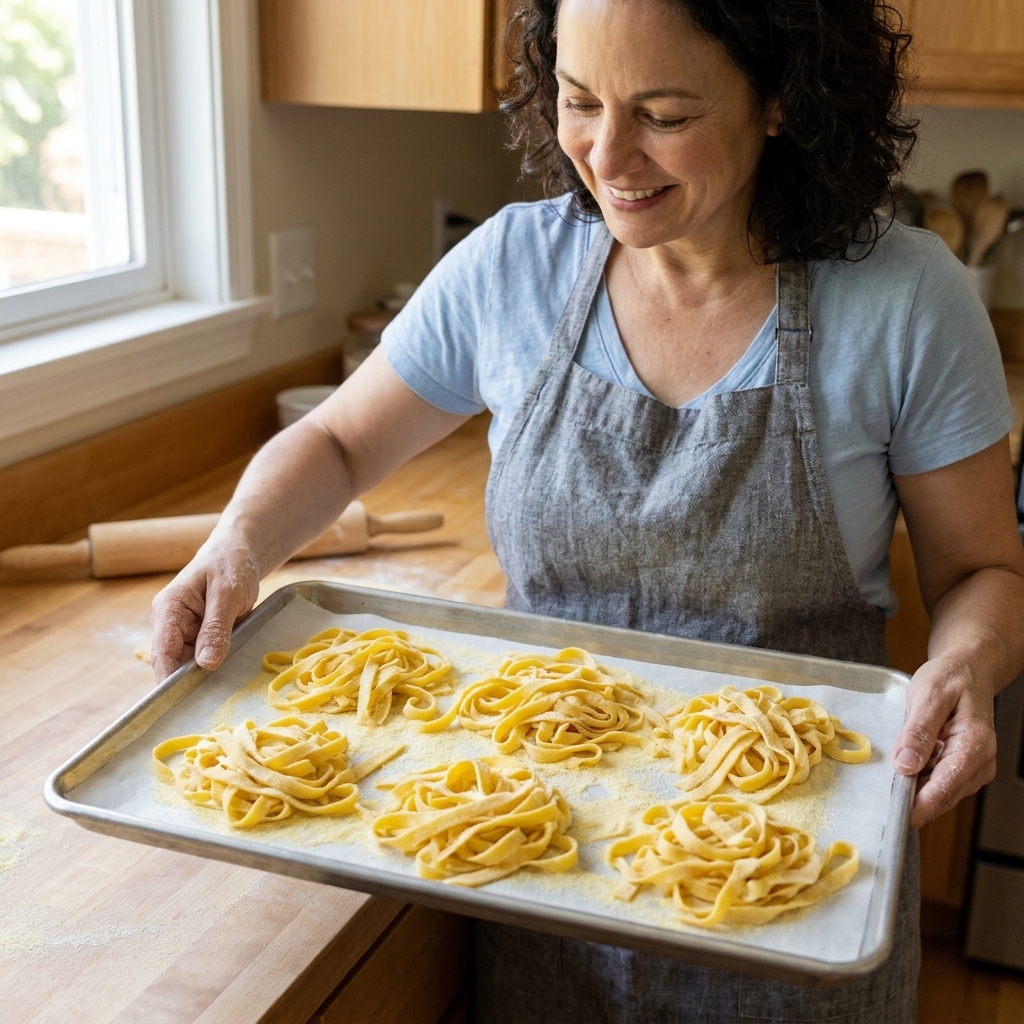
Spread pasta in a single layer on a semolina-dusted sheet pan or board. Semolina is my favorite here because it stays gritty instead of melting into the dough.
- Dust the surface with semolina or a 50-50 mix of semolina and all-purpose flour.
- Keep shapes separated and avoid piling.
- Choose a cool, dry spot away from steam, sunlight, and the stove. If your kitchen is hot or humid, shorten this window.
Refrigerate shaped pasta (best within 12 to 24 hours)
Line a sheet pan with parchment, dust with semolina, and arrange pasta in a single layer. Cover loosely with plastic wrap. You want protection from fridge airflow without trapping condensation directly on the pasta.
- Nests: Make loose nests and dust generously. Tight nests trap moisture and stick in the center.
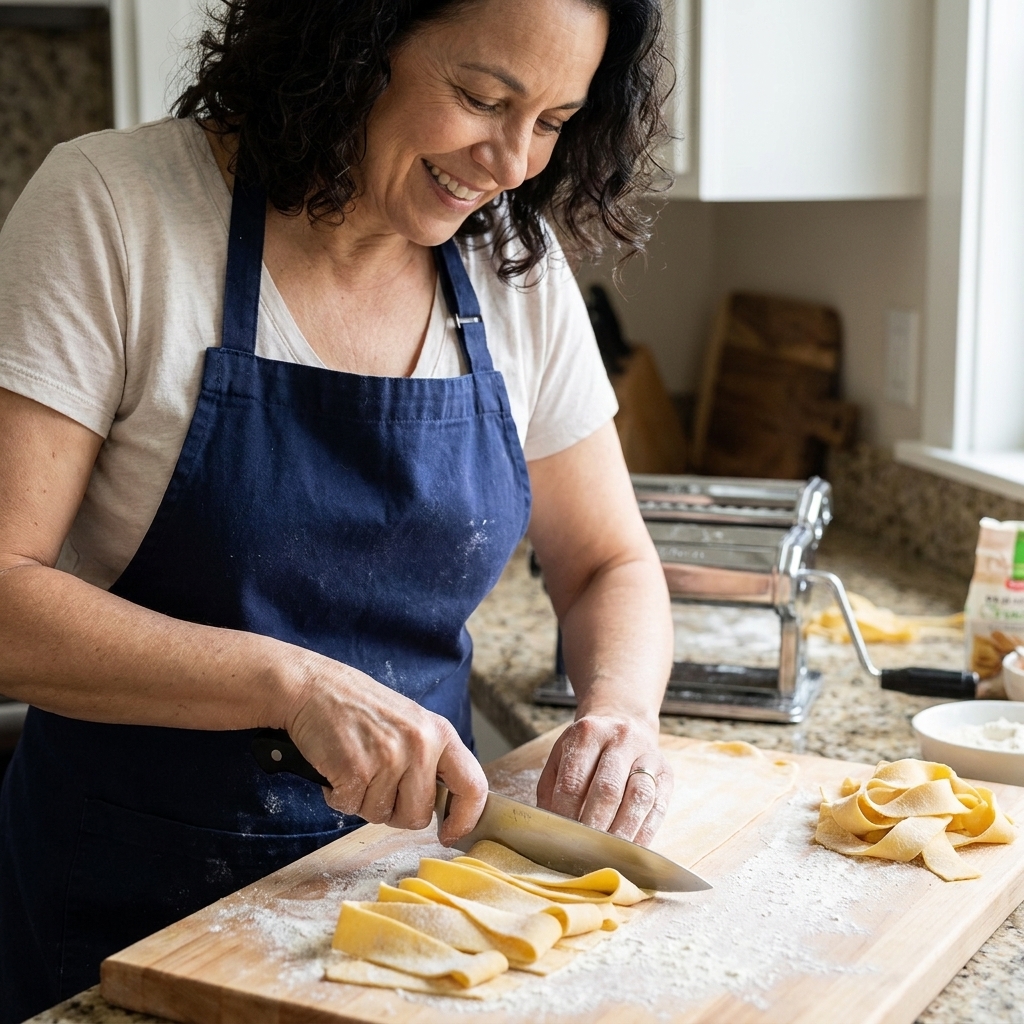
- Cut pasta: If you have a lot, use multiple trays instead of stacking heavily.
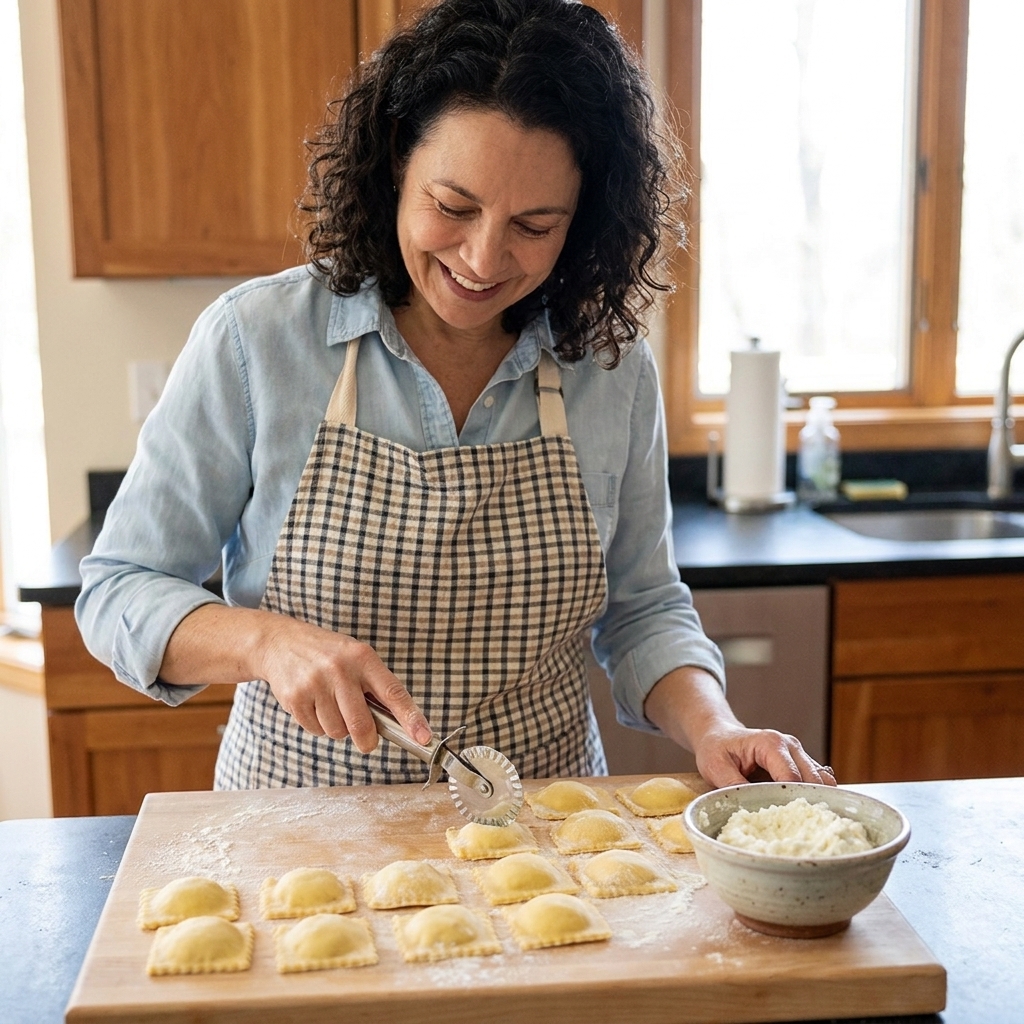
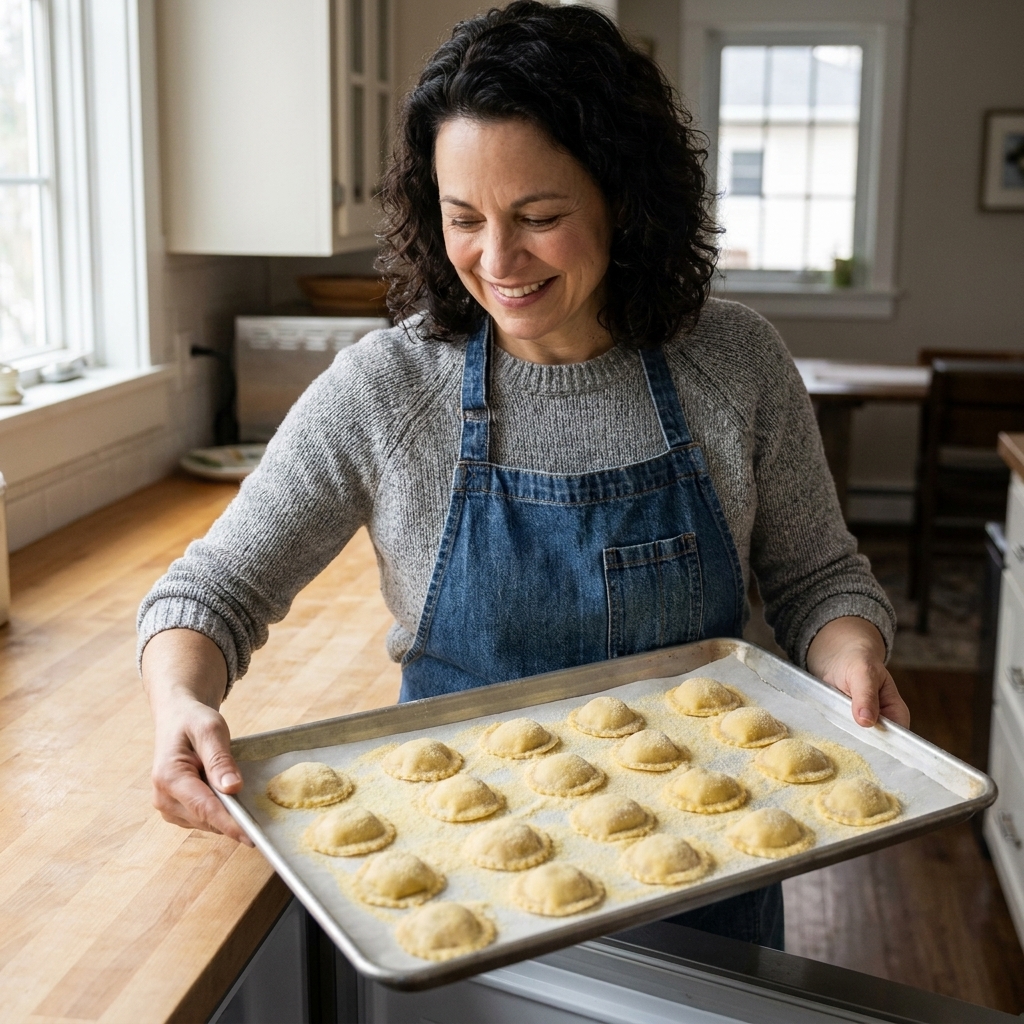
- Filled pasta: Refrigeration is sometimes fine for a short rest, but many fillings will weep and encourage sticking. Freezing is more reliable if you are not cooking soon.
- Before cooking: If pieces feel damp or stuck, loosen gently with your fingertips and a sprinkle of semolina.
How to dry homemade pasta
Drying is wonderful when you want pantry pasta, but it is also where things can go wrong if the pasta is not fully dry before storage. Any hidden moisture can lead to mold, especially in thicker shapes.
If you are nervous about egg dough sitting out, you are not alone. The simplest solution is to freeze your fresh pasta instead of drying it. If you do dry it, commit to drying it thoroughly all the way through before you store it.
Best shapes for drying
- Long noodles: spaghetti alla chitarra, tagliolini, fettuccine
- Short hand-formed shapes: orecchiette, cavatelli, trofie
- Not ideal: filled pasta, very thick sheets, and high-moisture doughs that do not dry evenly
How to dry long noodles
Hang strands on a pasta drying rack or a clean wooden dowel set between two sturdy supports. If you do not have a rack, you can lay noodles in loose nests on a semolina-dusted surface, but hanging gives better airflow.
- Keep strands separated. If they touch, they can fuse.
- Rotate or gently fluff nests once during drying if you are laying them flat.
How to dry short shapes
Spread in a single layer on a clean towel or parchment-lined sheet pan. Give them space, like you are setting out cookies to cool.
How long does homemade pasta take to dry?
Drying time depends on humidity, thickness, and shape, so treat any timeline as a starting point, not a promise. In a humid kitchen, what “should” dry overnight can take significantly longer.
- Thin noodles: often 12 to 24 hours, sometimes longer
- Short shapes: often 24 to 48 hours, sometimes longer
My test: Break a piece. It should snap cleanly and look dry in the center, not bend, and not show a darker moist core.
How to store dried pasta
Once fully dry, store pasta in an airtight container or zip-top bag in a cool, dark pantry. Only seal it once it is truly dry and at room temperature, since trapped moisture is what causes trouble.
- For best flavor: use within 1 month (this is a quality peak, not a hard safety cutoff)
- Good to know: properly dried pasta can last longer, but homemade pasta may stale or pick up off flavors sooner than store-bought.
- Food safety note: if you are not 100 percent confident it is completely dry, do not pantry-store it. Freeze it instead.
How to freeze fresh pasta (my favorite method)
Freezing keeps fresh pasta tasting fresh without the stress of drying. This is the method I use when I want homemade pasta on a Tuesday but only have Sunday energy.
Freeze cut noodles without clumping
- Portion first: Make nests or small bundles. As a rough guide, 3 to 4 ounces of fresh pasta per person is a nice starting point, but appetites vary.
- Dust well: Toss gently with semolina or flour until the surface feels dry, not sticky.
- Flash freeze: Place nests on a parchment-lined sheet pan in a single layer and freeze until firm, 45 to 90 minutes.
- Pack: Transfer to a freezer bag or container. Press out excess air and label.
Cook from frozen: Do not thaw. Drop straight into boiling salted water and stir gently in the first 30 seconds to keep strands separate.
Freeze stuffed pasta (ravioli, tortellini)
Arrange in a single layer on a semolina-dusted parchment-lined tray. Freeze until solid, then pack into a container with parchment between layers.
- Key tip: Freeze quickly. The longer filled pasta sits, the more likely the filling will moisten the dough and cause sticking.
- Cook from frozen: Simmer gently, not a raging boil, to avoid burst ravioli.
Freeze shaped semolina pasta
Orecchiette and cavatelli freeze like a dream. Spread them on a tray, freeze until hard, then bag. Cook straight from frozen.
Quick timing guide
| What you have | Best method | How long | Notes |
|---|---|---|---|
| Pasta dough | Wrap and refrigerate | Up to 24 hours | Bring to room temp before rolling |
| Pasta dough | Freeze | Up to 1 month | Flatten into a disk for even thawing |
| Cut noodles, same day | Tray, room temp | Up to 2 hours | Single layer, semolina dusting, shorten in warm kitchens |
| Cut noodles | Refrigerate on tray | Best within 12 to 24 hours | Cover loosely to avoid condensation |
| Cut noodles | Freeze (flash freeze first) | Best quality within 1 to 2 months | Cook from frozen |
| Stuffed pasta | Freeze (single layer first) | Best quality within 1 to 2 months | Simmer gently from frozen |
| Dried pasta | Pantry airtight | Best within 1 month | Quality peak only, store longer only if fully dry through the center |
How to stop pasta from sticking
Sticking is usually one of these culprits: too much moisture, not enough flour on the surface, too much pressure from stacking, or too much time sitting.
- Use semolina for dusting: It stays gritty and dry instead of melting into the dough.
- Avoid heavy piles: Weight compresses noodles and makes them fuse.
- Watch the kitchen: If you are simmering sauce and boiling potatoes, steam will soften pasta fast. Move trays away from the stove.
- If it is waiting: If pasta is sitting out longer than about 30 minutes, a gentle fluff or quick toss now and then helps keep strands separate.
Common problems and fixes
My pasta dried out and cracked
If it is raw and cracking, it sat uncovered too long. Next time, cover dough portions you are not rolling. If sheets are cracking as you roll, let the dough rest longer and make sure it is not too cold.
My pasta turned gray in the fridge
This can happen from oxidation, especially with egg dough. It is usually harmless, but the flavor is best when you use refrigerated dough within 24 hours.
My frozen pasta clumped in the bag
It was packed before it froze solid. Always flash freeze first, then bag.
My dried pasta molded
It was not fully dry before storage, or it picked up moisture after drying (often from condensation in a sealed container). When in doubt, freeze instead of pantry-storing. Freezing is forgiving. Pantry storage is not.
FAQ
Should I flour fresh pasta before storing?
Yes, lightly. You want a dry, velvety coating, not a thick dusty layer. Semolina is ideal, especially for egg noodles.
Can I refrigerate fresh pasta overnight?
Sometimes. For plain cut noodles, it is usually best within 12 to 24 hours if you keep it in a single layer and cover loosely. For filled pasta, freezing is often the safer, less stressful plan.
Do I thaw frozen fresh pasta before cooking?
No. Cook from frozen. Thawing creates surface moisture, which encourages sticking and can make stuffed pasta soggy.
How do I know when pasta is done cooking from frozen?
Start tasting early. Fresh pasta cooks quickly, usually 2 to 5 minutes depending on thickness. From frozen, it may take 1 to 2 minutes longer. Look for pasta that is tender with a slight bite and no raw flour taste.
A final kitchen pep talk
Fresh pasta is happiest when you make a plan for it. If you are cooking soon, keep it airy and lightly dusted. If you want pasta later, freeze it with care. And if you are drying, commit fully and let it become truly dry before you tuck it away.
Once you get the rhythm, you will start making pasta not just for tonight, but for your future self. And I cannot think of a more delicious love letter than that.