Pappardelle is the pasta I reach for when the sauce is bold and patient. Think long-simmered beef ragù, mushroom ragù, duck, or a buttery chicken braise with pancetta. Those wide ribbons do two things beautifully: they scoop up sauce like a little blanket, and they give you that satisfying chew that makes everyone at the table go quiet for a second.
The good news is that pappardelle is one of the easiest fresh pastas to cut well because it is supposed to be rustic. Even when your ribbons are not perfectly identical, they cook up gorgeous. Let me walk you through the exact roll, fold, cut, and cook method I use at home.
What makes pappardelle pappardelle
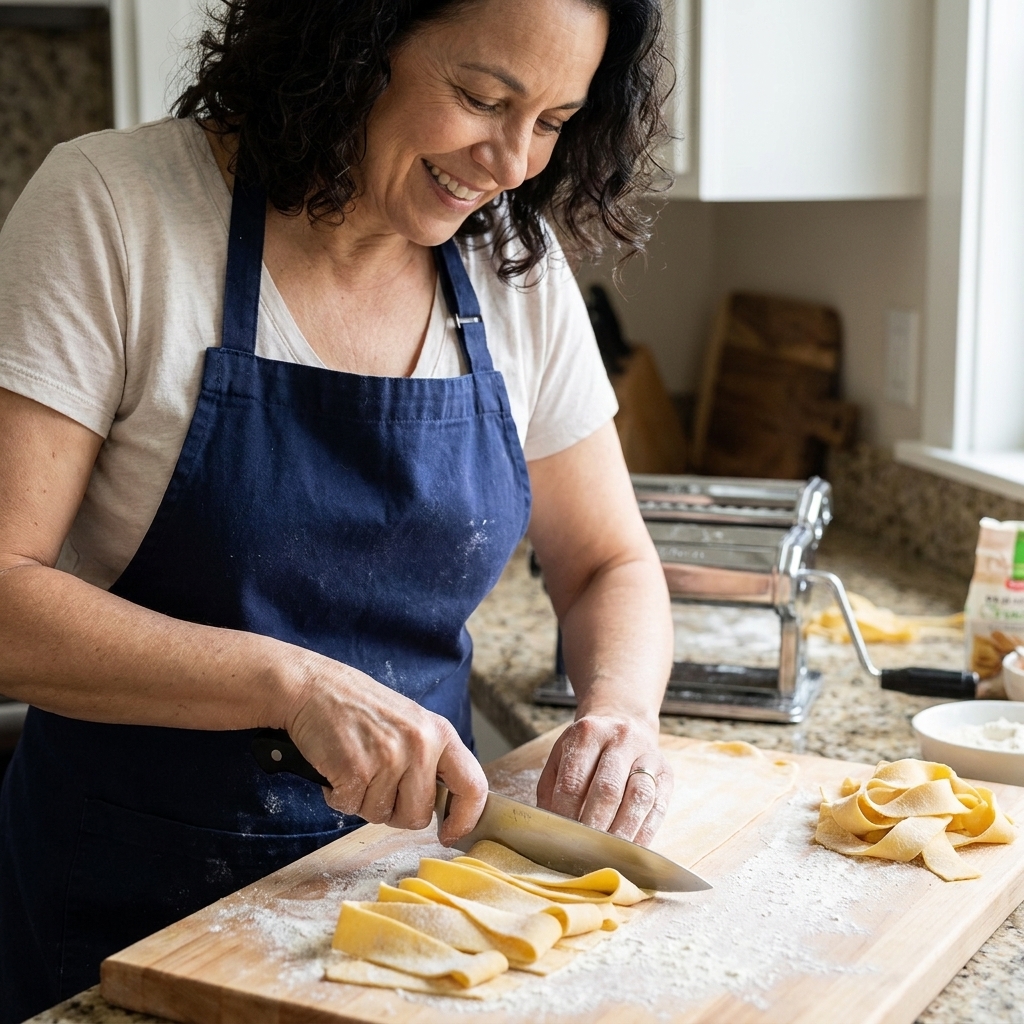
Pappardelle are wide ribbons, typically around 2 to 4 centimeters wide, which is roughly 3/4 to 1 1/2 inches. I tend to cut mine right around 1 inch because it is easy to eyeball and it feels hearty without getting clunky.
Because the noodle is wide, two things matter more than with skinny pasta:
- Even thickness so the ribbon cooks evenly, not over-soft at the edges with a firm center.
- Clean separation so your beautiful ribbons do not glue themselves together in the pot.
Best dough for wide ribbons
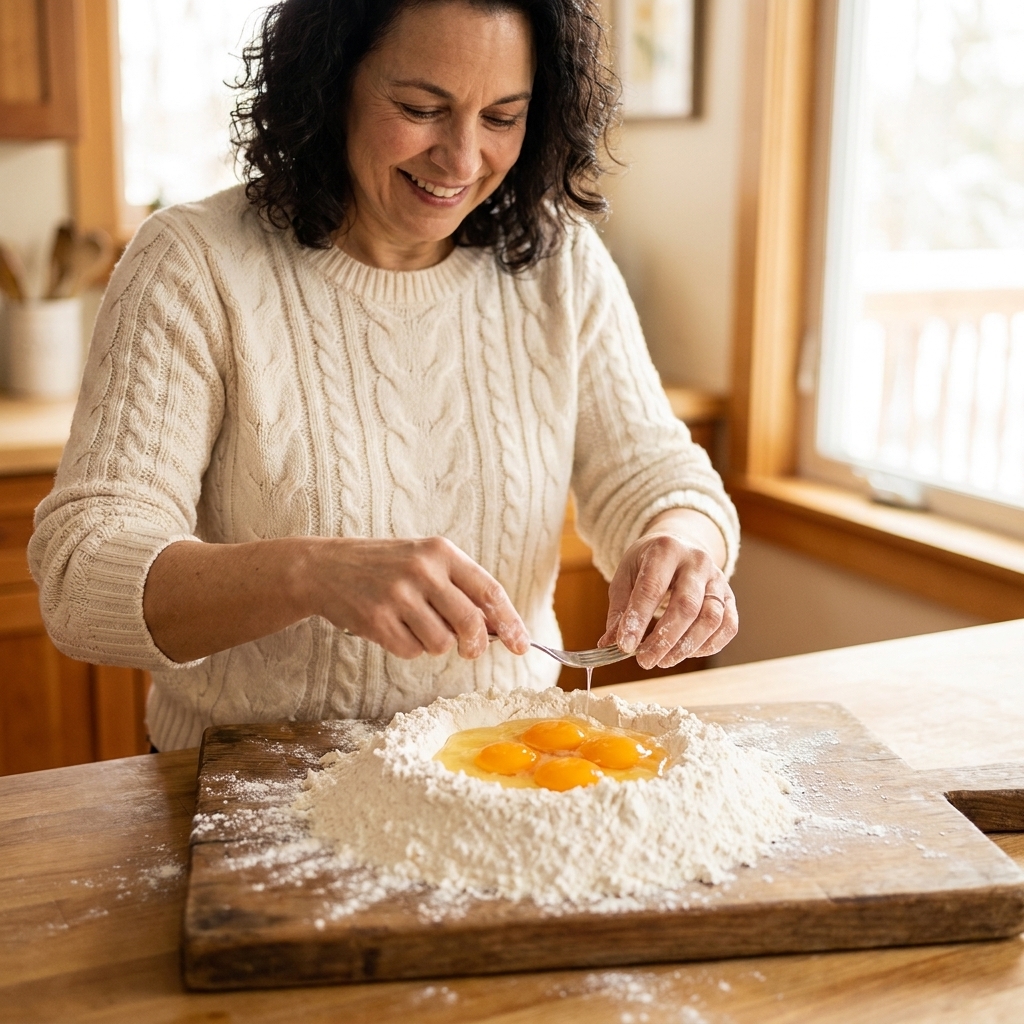
You can make pappardelle with an all-purpose flour and egg dough, or a 00 flour and egg dough. Both work. What I care about most is a dough that is supple but not sticky, since stickiness is what turns cutting into a mess.
A dependable egg dough
- 200 g flour (00, all-purpose, or a 50-50 mix)
- 2 large eggs
- 1 egg yolk (optional, but I love the silk it adds)
- Pinch of salt
Yield: This amount typically serves 2 hungry people or 3 lighter portions, especially with a rich ragù.
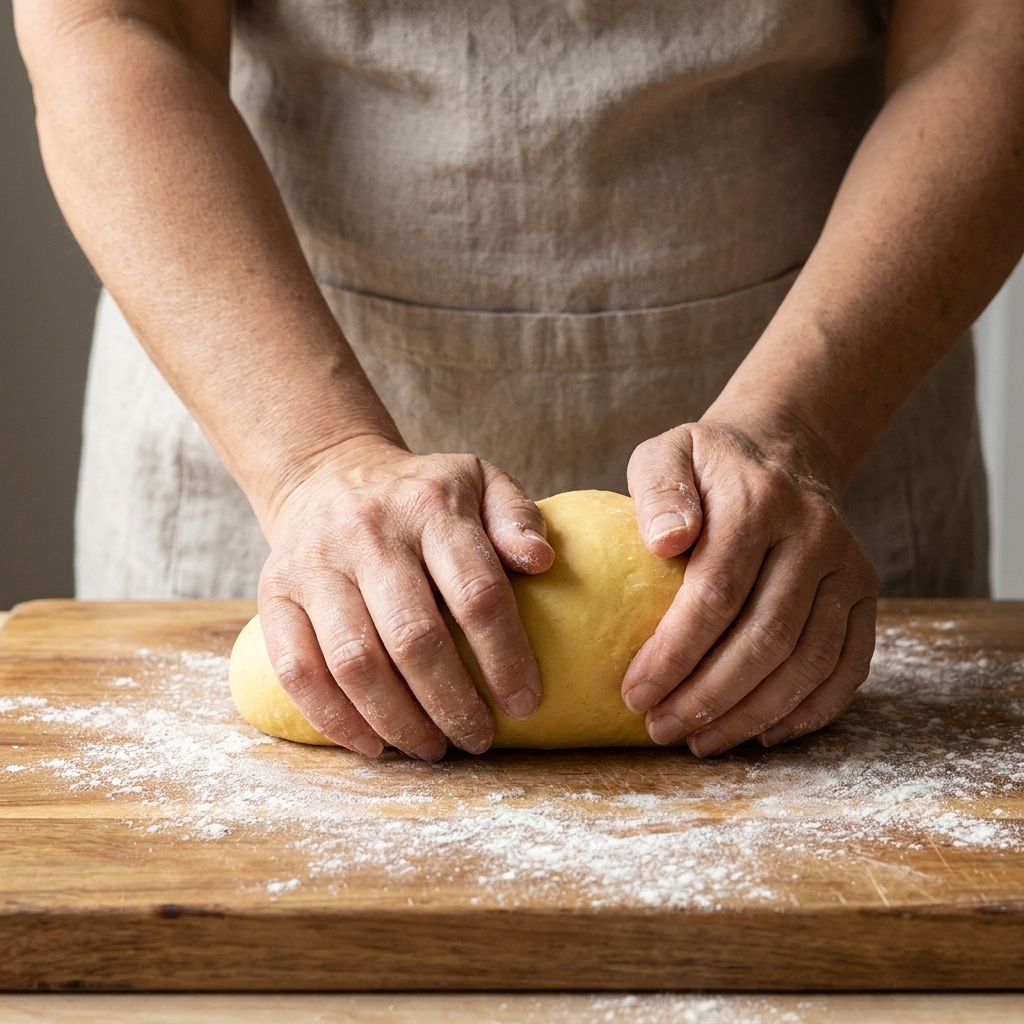
Mix, knead until smooth and elastic, then rest tightly wrapped for at least 30 minutes at room temperature. Resting is not optional. It relaxes the gluten so you can roll thin without the sheet shrinking back like an elastic band.
If your dough feels dry and crackly while kneading, wet your hands and keep kneading. If it feels tacky and wants to cling to everything, dust with a touch more flour and keep going. I am always chasing that “earlobe soft” feel my grandmother described. Soft, springy, and not sticky.
Rolling the pasta
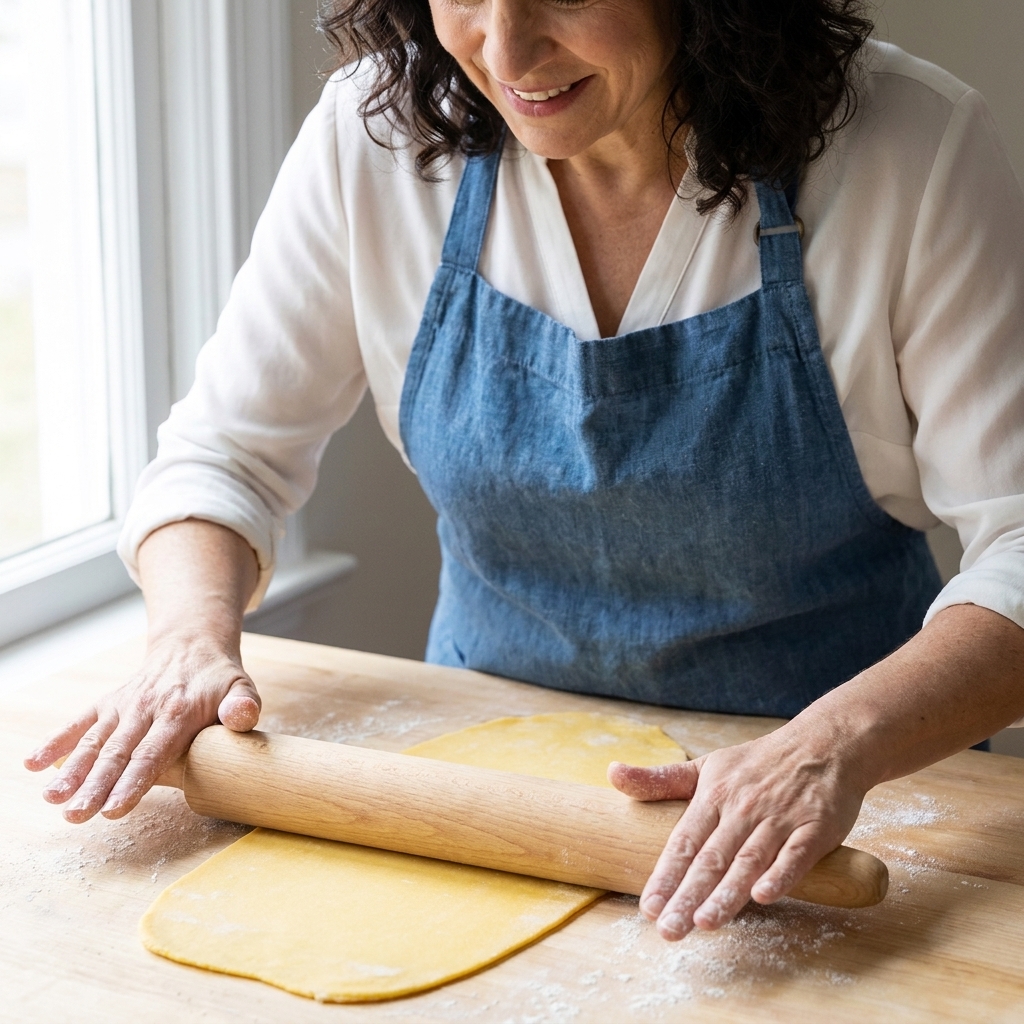
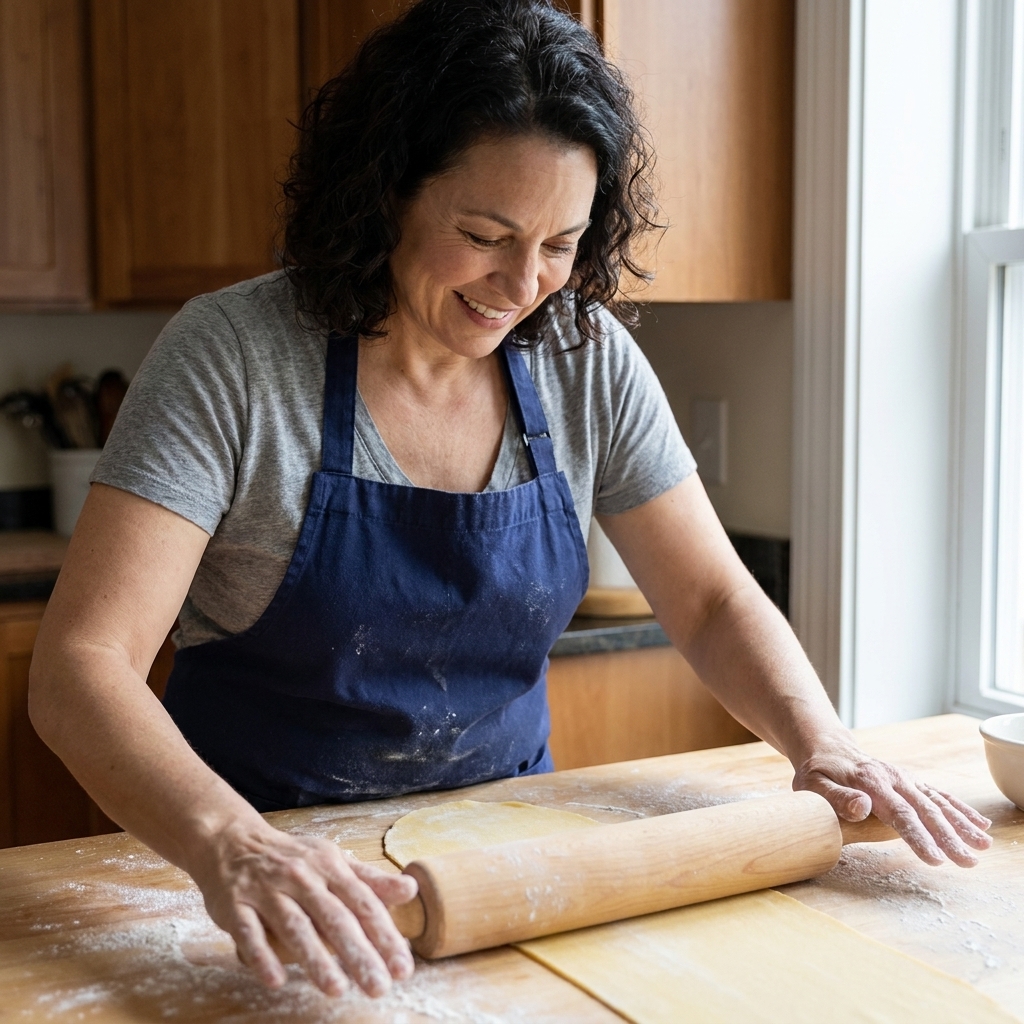
Use what you have. A hand-crank pasta machine makes it fast and consistent, but a rolling pin works beautifully too. With pappardelle, we are not chasing paper-thin sheets like for filled pasta. We want thin enough to be tender, thick enough to have a little chew.
Target thickness
Aim for about 1 mm thickness, a bit thicker than a credit card. Let the dough tell you the truth, though. You should be able to see the shadow of your hand through the sheet, but it should still feel sturdy when you lift it.
Pasta machine note: On many machines, that lands around setting 6 or 7 out of 9, but treat the setting as a rough clue, not a rule.
Keep the sheet lightly floured
As you roll, dust with flour only as needed. Too much flour can dry out the dough and make the cooked pasta taste a little floury. Too little flour and the sheet sticks, tears, and turns the cutting step into frustration.
Fold and cut pappardelle
This is the part that feels like a magic trick the first time it works. The goal is to fold the sheet in a way that helps you cut even ribbons, without creating a sticky, fused stack.
Step 1: Dry the sheet briefly
After rolling, let the sheet sit on the counter for 1 to 3 minutes. It should lose its tackiness but stay flexible. If it is very humid in your kitchen, you may need closer to 4 minutes. If it is dry, 1 minute is plenty.
Sensory cue: When you touch the surface, it should feel satiny, not sticky. If it still grabs your fingertip, wait another minute and dust very lightly.
Step 2: Trim the ends (optional)
If you want tidy, restaurant-looking ribbons, trim ragged edges so you have a clean rectangle. Save scraps. They cook up as the cook’s treat.
Step 3: Dust, then fold loosely
Lightly dust the sheet with flour on both sides. Then fold it into thirds or fourths, like you are folding a scarf. Do not roll it into a tight cylinder. Tight rolling compresses the dough and encourages sticking.
Step 4: Cut wide ribbons
Using a sharp chef’s knife or bench scraper, cut ribbons about 1 inch wide. Cut straight down rather than sawing back and forth, which can pinch the folds and drag the edges.
Step 5: Unfurl and toss
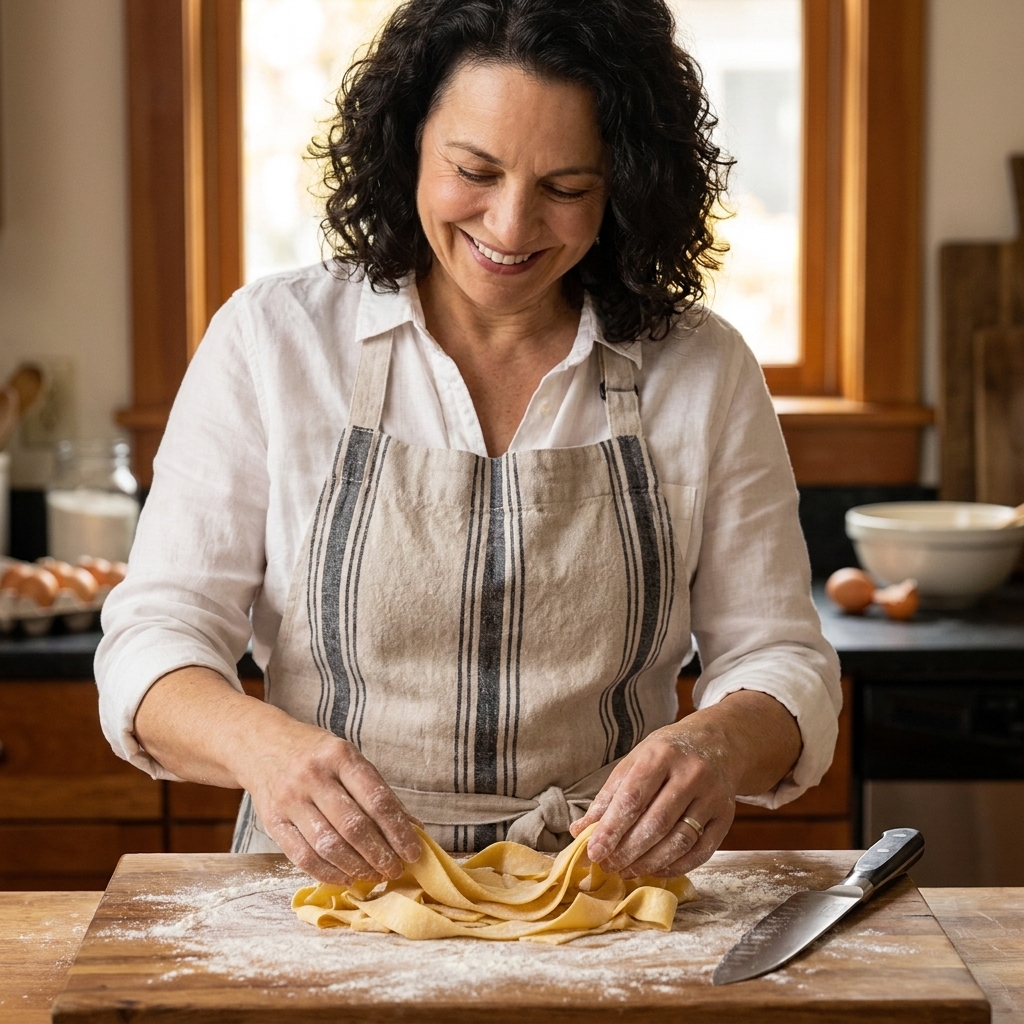
Immediately separate the ribbons with your fingers and toss lightly with flour or, even better, semolina. Semolina is my favorite for preventing sticking because it is a little gritty and acts like tiny ball bearings.
One small habit that helps: Before the pasta goes into the pot, give it a gentle shake to drop excess bench flour. Too much loose flour can make your water cloudy and the surface of the pasta feel a little gummy.
Portion and shape
You have two easy options:
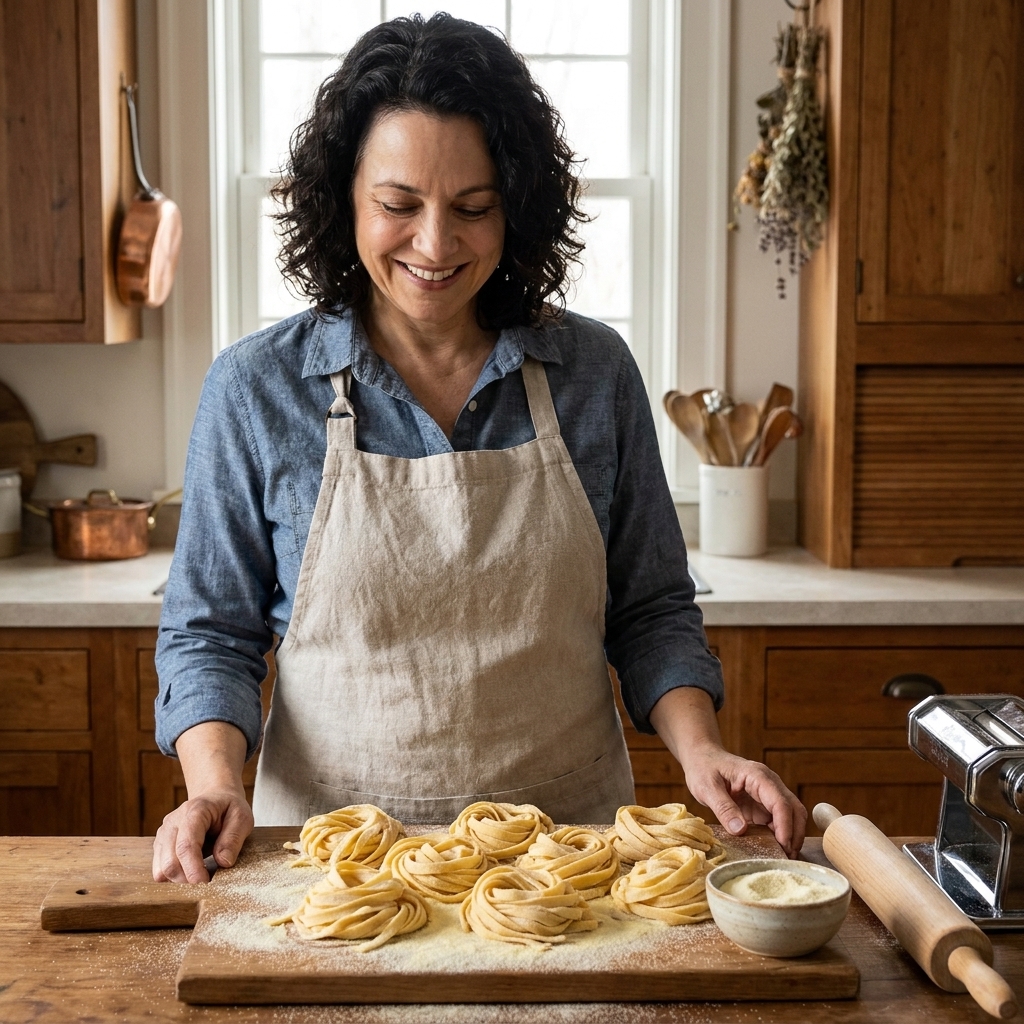
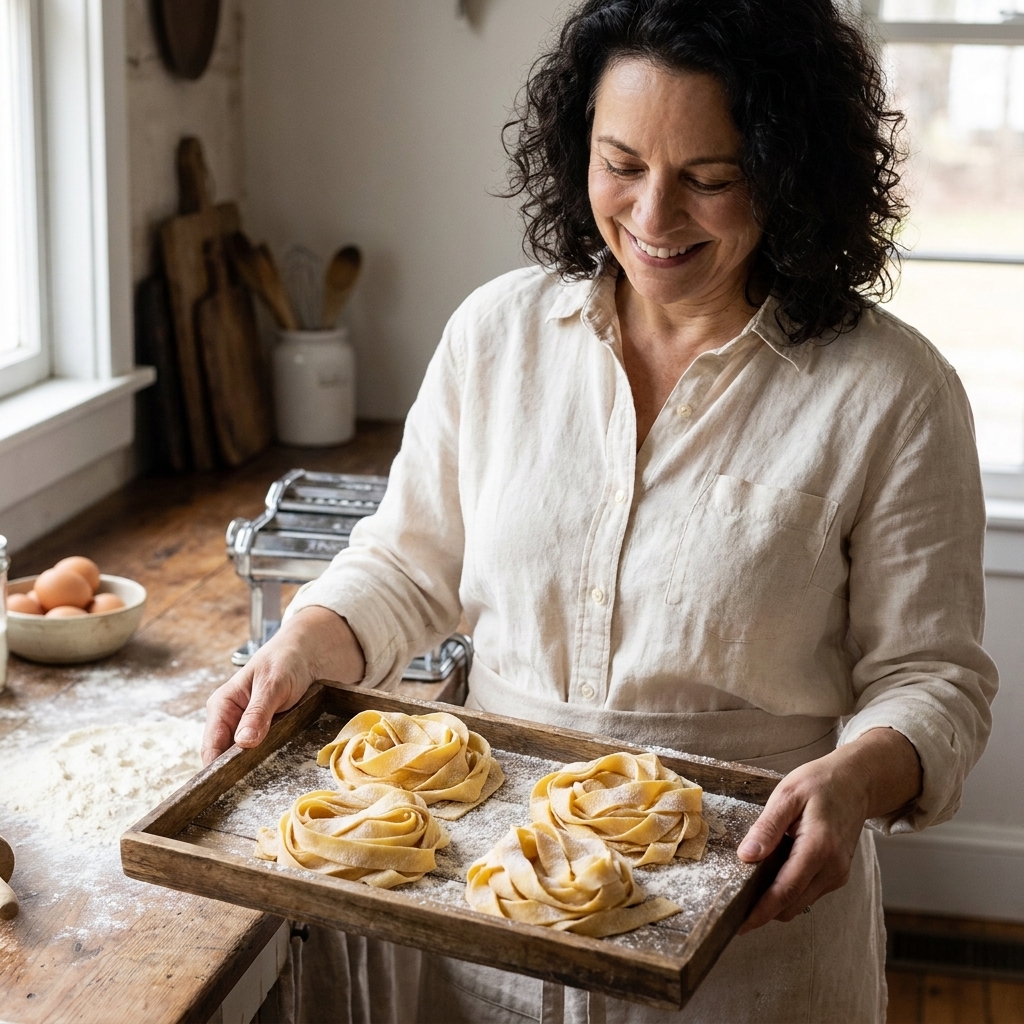
- Little nests: Twist a small handful into a loose coil and set it on a floured tray. This looks beautiful and makes portioning simple.
- Loose ribbons: Lay the ribbons in small piles, well floured, and keep them covered with a towel so they do not dry out too much.
If you are not cooking right away, nests are more forgiving because they tangle less.
Cooking pappardelle
Wide fresh pasta cooks fast, and it can go from tender to too-soft in what feels like a blink. Set yourself up before the pasta hits the water.
Before you boil: get your sauce ready
Fresh pappardelle waits for no one. Have your ragù simmering and ready in a wide pan. I like to loosen thick ragù with a splash of pasta water in advance so it is ready to cling.
Salt the water generously
Use a large pot and plenty of water. Salt it until it tastes pleasantly briny. This is your one chance to season the noodle itself.
How long to cook fresh pappardelle
Most fresh pappardelle takes 2 to 4 minutes, depending on thickness. Thicker, hand-rolled ribbons can take up to 5 minutes. Start checking at 2 minutes. You want tender ribbons with a tiny bit of bite, because they will finish in the sauce.
Tip: Stir gently as soon as the pasta goes in, and again after about 30 seconds. This is when sticking happens.
Transfer, do not drain
Use tongs or a spider strainer to lift the ribbons directly into your saucepan. This brings a little starchy water along, which helps the sauce emulsify and hug the pasta.
Finish in the sauce
Toss over medium heat for 30 to 60 seconds, adding a splash of pasta water if it looks tight or dry. The sauce should gloss the ribbons, not puddle at the bottom.
Serving ideas
For hearty ragù, I like a wide pan finish, then a warm bowl. Top with Parmigiano-Reggiano or Pecorino, depending on your sauce. With beef or pork ragù, Parmigiano is my default. With game or a punchier tomato ragù, Pecorino can be wonderful.
If you are serving a very rich sauce, a small portion goes a long way. Pappardelle is filling in the best way.
Make-ahead and freezing
Can you let pappardelle dry before cooking?
Yes, briefly. You can cut and let it sit on a floured tray for 20 to 40 minutes while your sauce finishes, especially in a humid kitchen. Keep it lightly covered so it does not turn brittle.
How to freeze pappardelle
Freeze it in nests:
- Make nests and place on a floured tray.
- Freeze until firm, about 45 to 60 minutes.
- Transfer to a freezer bag or airtight container.
Cook from frozen. Do not thaw. Add about 1 to 2 extra minutes, then start checking early and go by texture.
How long does fresh pappardelle last in the fridge?
Ideally, cook it the day you make it. If you need to hold it, refrigerate on a floured tray, loosely covered, and cook within 24 hours. Fresh egg pasta can oxidize and darken slightly, which is normal.
If it gets a little tacky in the fridge, re-toss with a pinch of semolina or flour and separate the ribbons before cooking.
Troubleshooting
My ribbons stick together after cutting
- Dust the sheet more before folding and cutting, especially between folds.
- Let the sheet dry 1 to 3 minutes before cutting.
- Toss cut ribbons with semolina, not just flour.
Pappardelle turns gummy in the pot
- Water may not be boiling strongly enough when pasta goes in.
- Pasta may be overcooked. Start checking at 2 minutes.
- Finish in sauce briefly rather than simmering in sauce for several minutes.
- Shake off excess bench flour before boiling.
Ribbons look ragged on the edges
- Use a sharper knife and press straight down.
- If the sheet is too dry, edges crack. Cut sooner, or cover the sheet while you work.
Pasta tastes bland
- Salt the water more generously.
- Season your sauce, then use a splash of pasta water to pull it together.
Quick timing
- Rest dough: 30 minutes (or up to 2 hours at room temp)
- Roll sheets: 10 to 20 minutes
- Dry sheet slightly: 1 to 3 minutes
- Fold and cut: 5 to 10 minutes
- Cook: 2 to 4 minutes (sometimes up to 5), then 30 to 60 seconds in sauce
FAQ
How wide should I cut pappardelle?
About 3/4 to 1 1/2 inches is a classic range. I cut about 1 inch when I want that hearty, ragù-ready ribbon.
Can I cut pappardelle with a pizza cutter?
Yes. A pizza wheel works well if your sheet is lightly floured and you cut with confident pressure. A knife gives the cleanest edge, but use what feels easiest.
Why fold instead of cutting long strips directly?
Folding helps you cut even widths quickly without needing a giant counter. The key is to fold loosely and flour between layers so the ribbons separate easily.
Is pappardelle the same as fettuccine?
They are cousins. Fettuccine is narrower, usually around 1/4 inch. Pappardelle is wide and meant for heartier sauces that need a bigger noodle to hold them.