In my family, choosing pasta was never an afterthought. You did not just grab whatever box was closest. You picked the shape like you were picking the right spoon for soup. Because in Italian cooking, the pasta is not just a vehicle. It is a partner.
Once you start noticing why certain pairings work, you will feel it in every bite: sauce that actually coats, a better balance between pasta and condiment, and that cozy, harmonious feeling Italians chase at the table. Let me walk you through the rulebook I learned at loud Sunday dinners, plus how to break the rules when you need to.
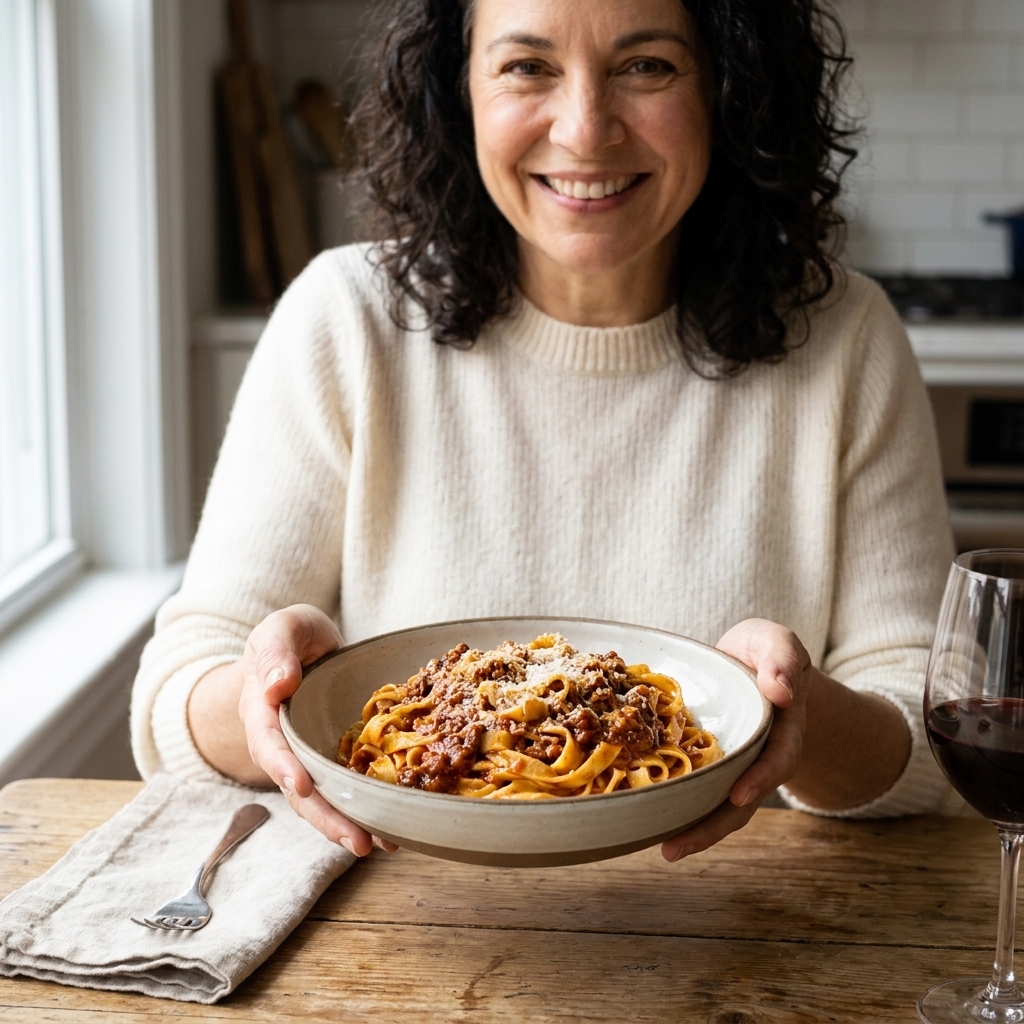
Why pairing matters
Italian pasta pairing is practical, not precious. It comes down to three things.
- Cling: Does the sauce coat the surface, catch in ridges, or tuck into twists?
- Capture: Can the shape hold little bits like guanciale, peas, mushrooms, or crumbled sausage?
- Chew: Does the texture of the pasta match the weight of the sauce so one does not bully the other?
When those three line up, you get a forkful where pasta and sauce arrive together, at the same intensity, with the same rhythm.
How to read a shape
If you are standing in front of the pantry thinking, What goes with what? use this shortcut.
- Long and thin: best with smooth, light sauces that coat rather than chunk.
- Long and wide: best with hearty, meaty sauces that need surface area.
- Tubes: best with chunkier sauces that can slip inside.
- Ridges: great with slick sauces that need grip, and just as helpful with many tomato and meat sauces.
- Twists and curls: best with pesto and sauces with small pieces that can nestle in.
- Little shapes: best for brothy soups and spoonable comfort.
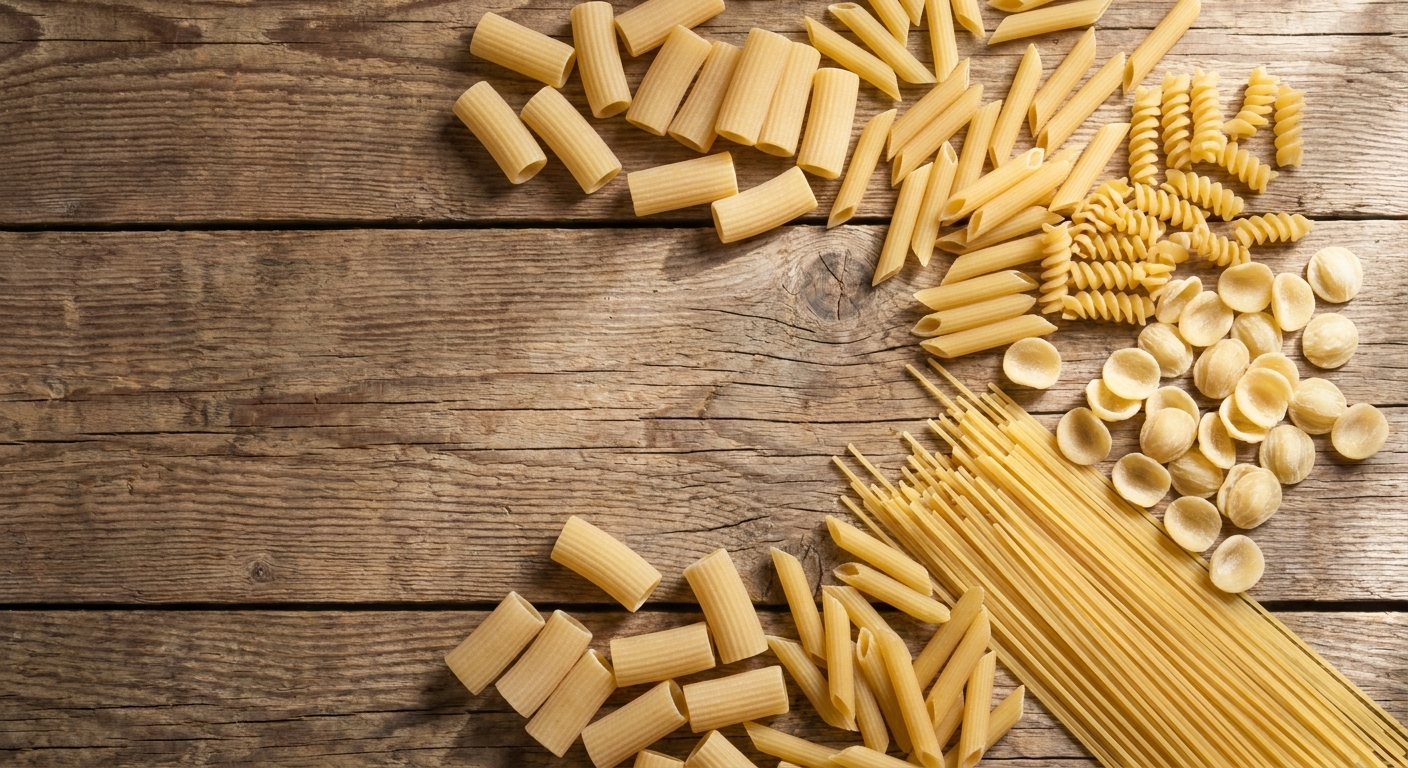
Long pasta
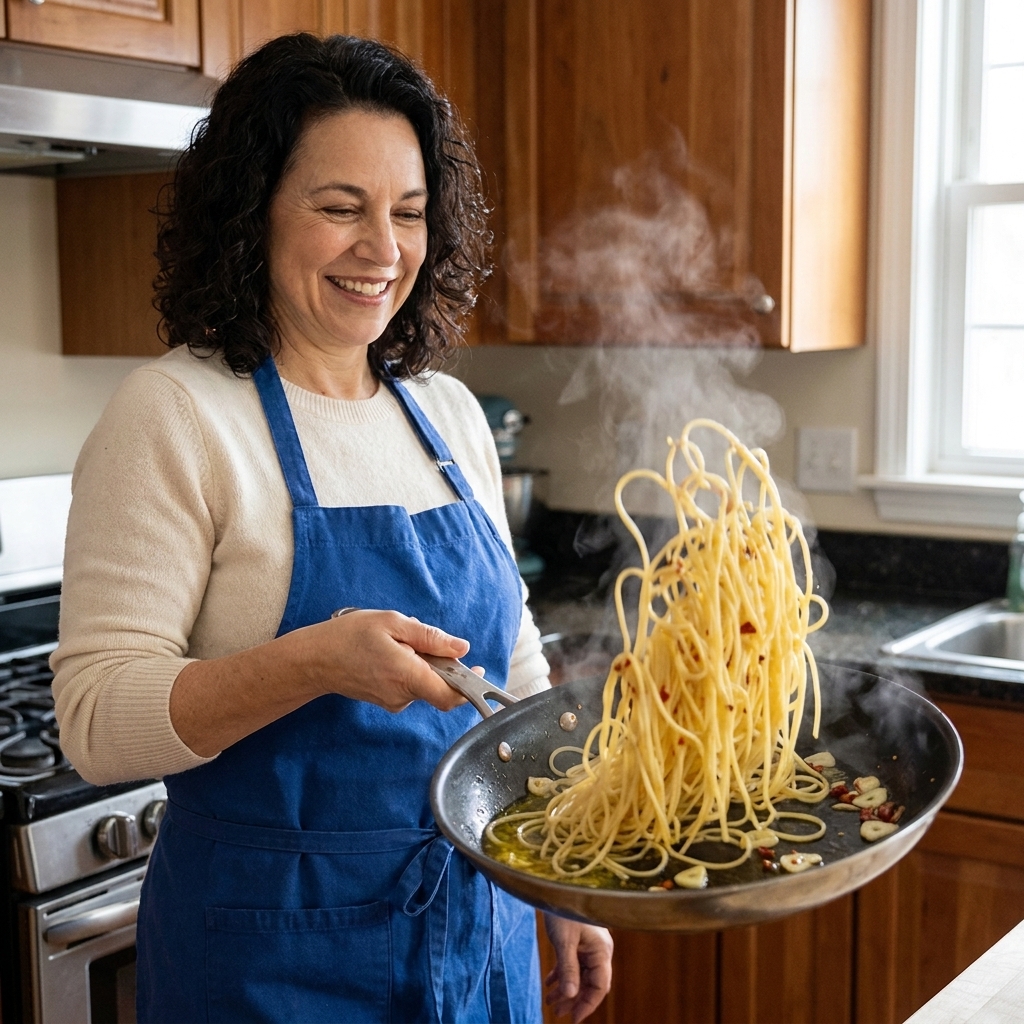
Spaghetti
Pairs best with: pomodoro, aglio e olio, cacio e pepe, carbonara, amatriciana.
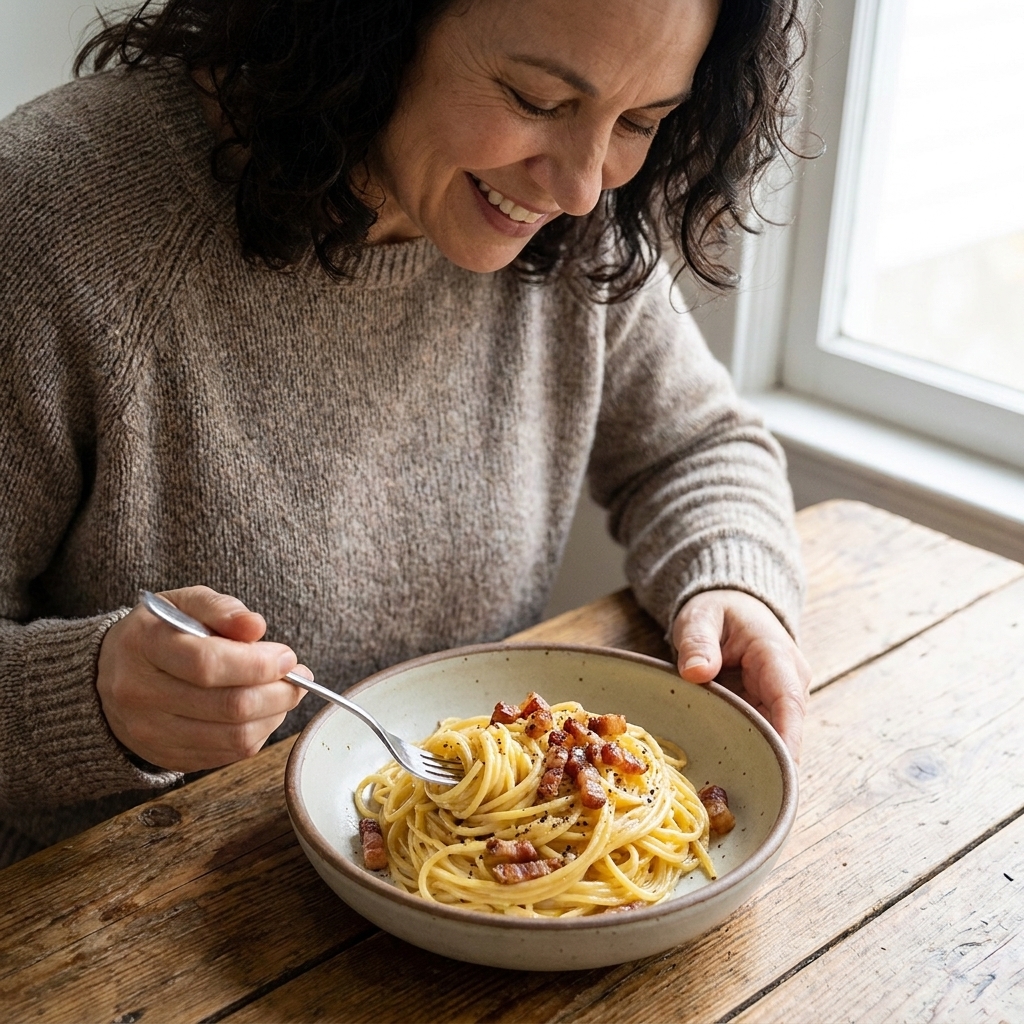
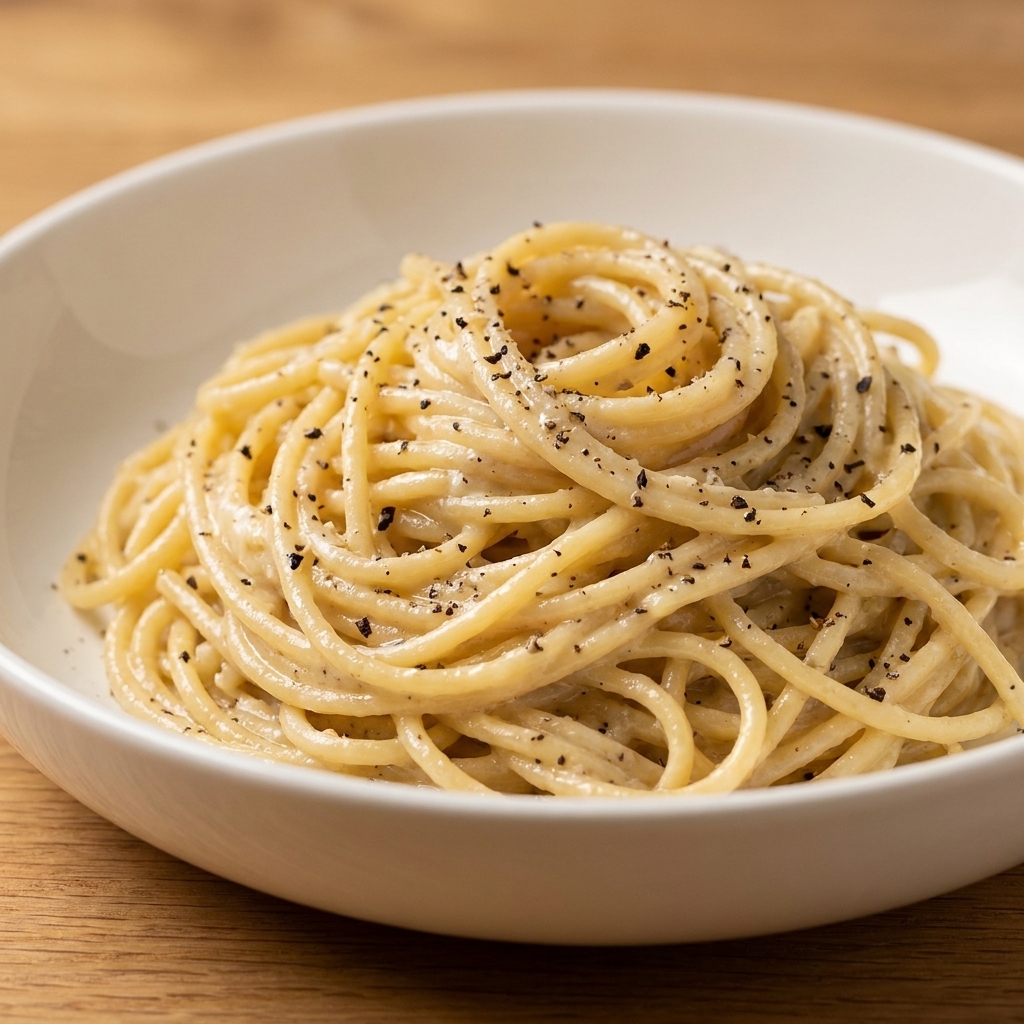
Spaghetti likes sauces that are cohesive and silky. If your sauce is very chunky, the bits fall off and puddle at the bottom. For spaghetti, think: glossy, emulsified, and eager to hold on.
- Kitchen cue: if you can toss the pasta and the sauce looks like it is “hugging” each strand instead of sliding off, you are in spaghetti territory.
Linguine
Pairs best with: seafood sauces, clams (alle vongole), lemony olive oil sauces, light cream sauces.
Linguine has a little more presence than spaghetti, so it handles briny seafood and a touch more richness without turning heavy.
Bucatini
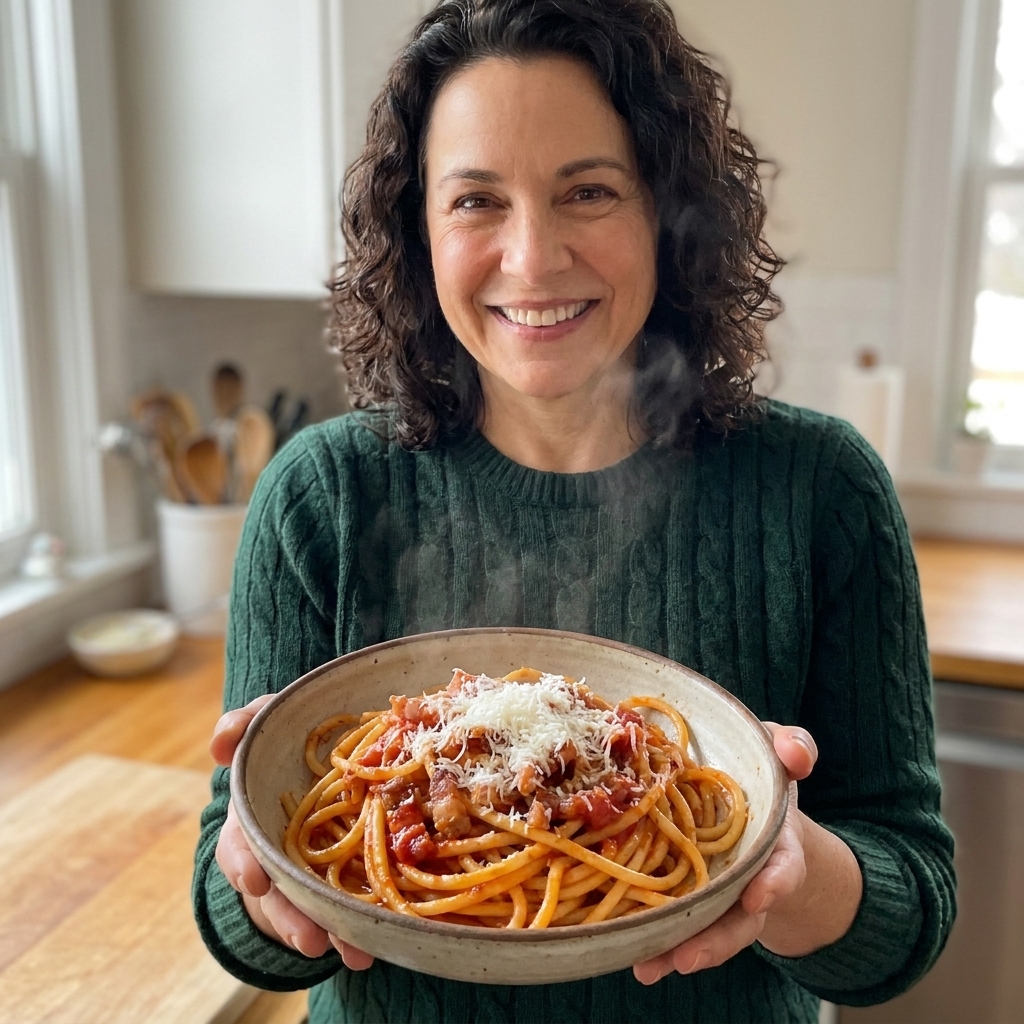
Pairs best with: amatriciana, rich tomato sauces with guanciale or pancetta.
The hollow center is not a gimmick. It draws in sauce, especially a slightly thicker tomato base. Bucatini wants something bold.
Tagliatelle, pappardelle, fettuccine
Pairs best with: ragù, braised meat sauces, mushroom sauces, buttery pan sauces with meat juices.
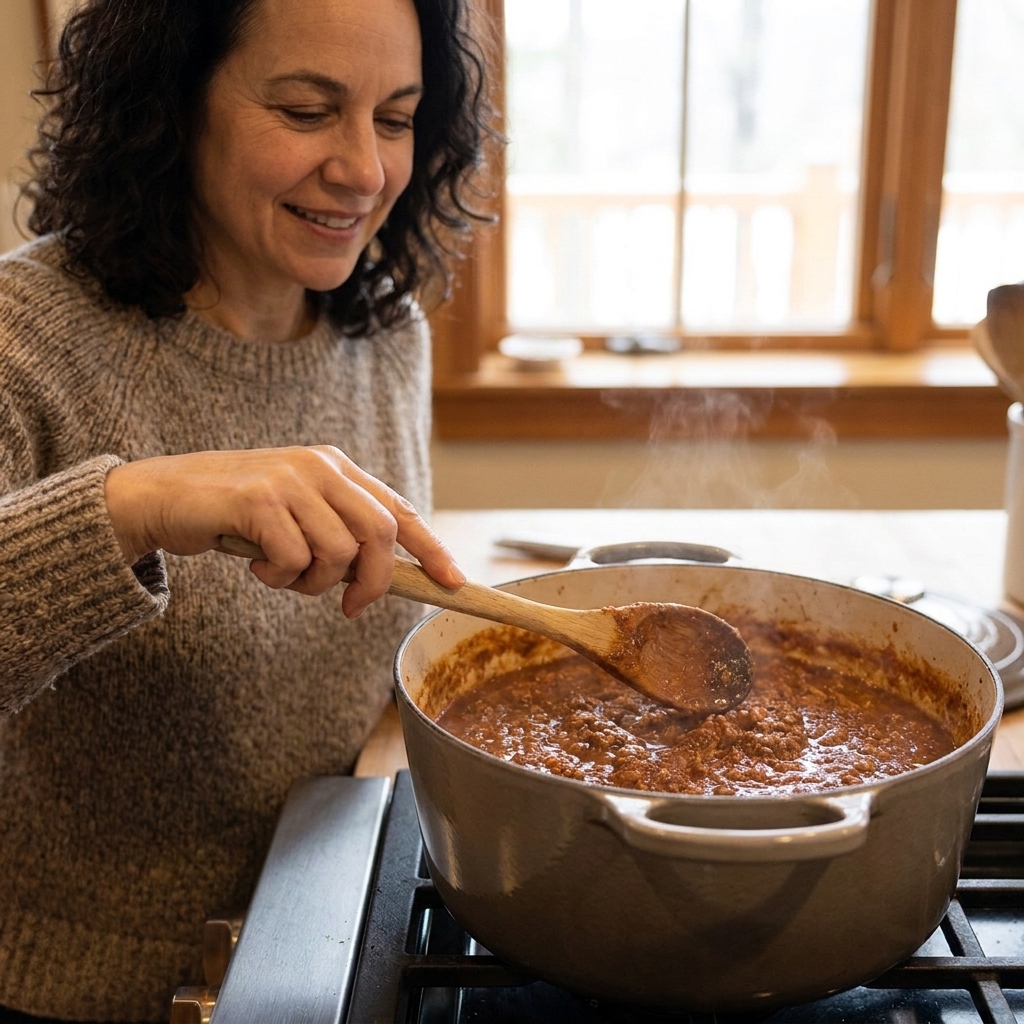
Wide ribbons are built for heft. A proper ragù is not supposed to be watery. It is meant to coat, and tagliatelle gives it a runway.
- Classic rule (with wiggle room): in Bologna, the most traditional pairing for ragù is tagliatelle, not spaghetti. You will also see ragù in other local classics, like lasagna alla bolognese with lasagne verdi.
Short pasta
Penne
Pairs best with: arrabbiata, vodka sauce, vegetable sauces, baked pasta.
Penne is reliable on weeknights because it catches sauce inside the tube and on the cut edges. It is especially friendly with sauces that are not perfectly smooth.
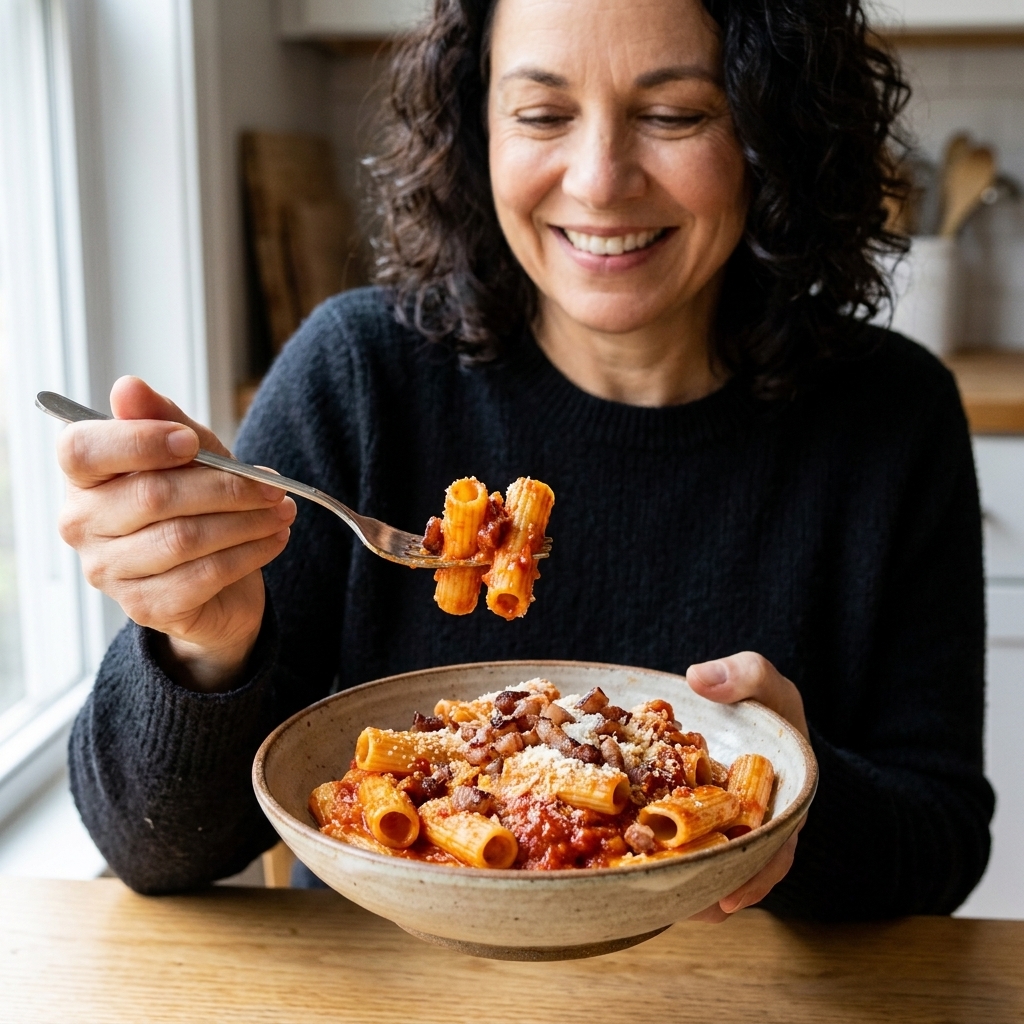
Rigatoni
Pairs best with: meat ragù, sausage and peppers, Roman-style sauces like alla gricia variations, baked-ziti-style casseroles.
Those ridges are sauce insurance. Rigatoni also stands up to big chunks. If your sauce has bites of sausage, eggplant, or mushrooms, rigatoni will not get bullied.
Ziti and mezzi rigatoni
Pairs best with: baked ziti, Sunday gravy style tomato meat sauces, ricotta and mozzarella.
This is the baked-pasta comfort zone: enough structure to stay springy after the oven, enough hollow space for pockets of sauce and cheese.
Paccheri
Pairs best with: slow-cooked Neapolitan ragù, seafood with tomatoes, creamy mushroom sauces.
Paccheri is big, dramatic, and made for sauces with presence. It catches chunky ragù beautifully, and it is also excellent stuffed when you want each piece to feel like its own little event.
Conchiglie (shells)
Pairs best with: creamy sauces, meat sauces, baked pasta, ricotta-based fillings.
Shells do two jobs at once: they scoop sauce in their cup and hold on to it along the ridges. If you like a little “pocket” of flavor, this is your shape.
Farfalle
Pairs best with: light cream sauces, salmon, peas, simple tomato sauces, pasta salads.
Farfalle is best when the sauce is not too chunky. The bow shape gives you tender centers and slightly firmer “wings,” which is part of the charm.
Twists and curls
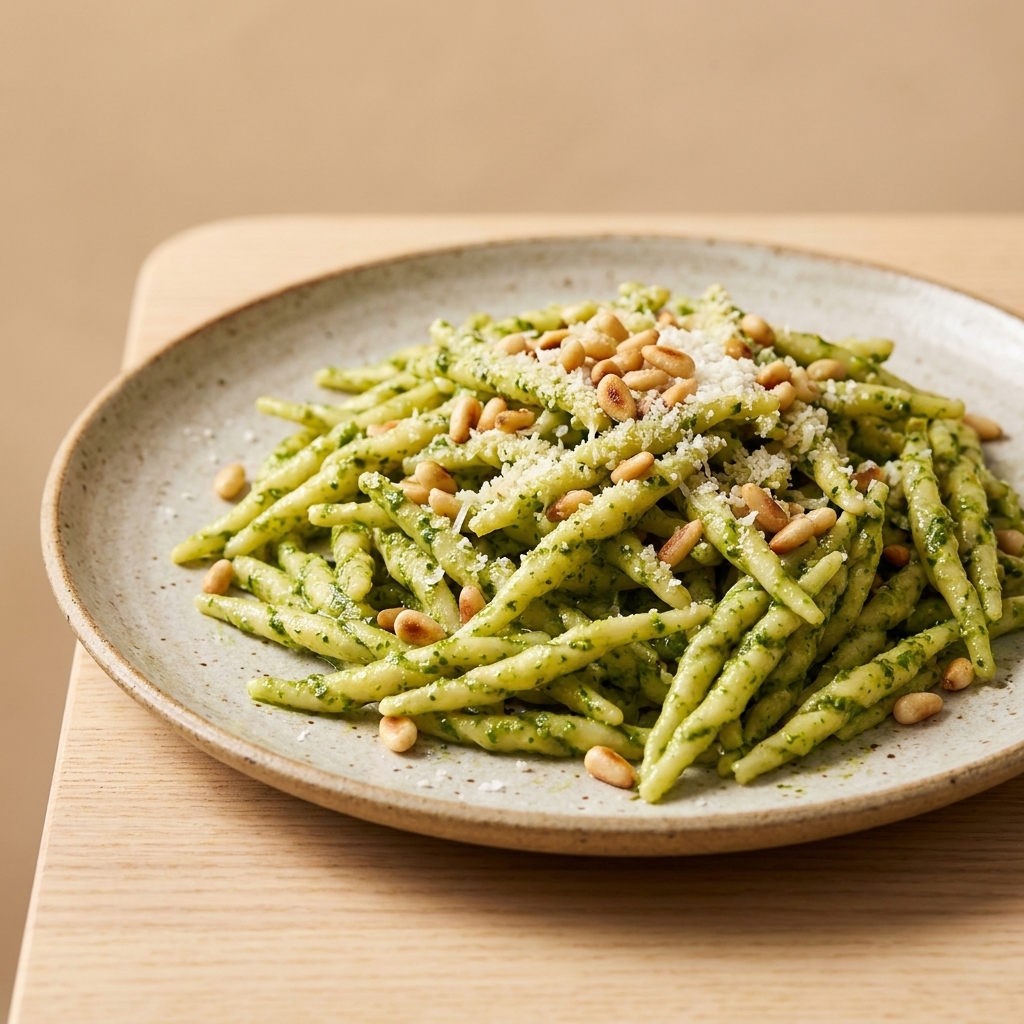
Trofie
Pairs best with: pesto genovese.
This is one of those pairings that feels inevitable once you try it. Trofie’s tight twist grabs pesto and holds it. If you love pesto but feel like it “slides off” other pasta, trofie is the fix.
Fusilli
Pairs best with: pesto, tomato with diced vegetables, creamy sauces with peas or ham.
Those spirals catch everything. Fusilli is also fantastic for pasta salads because the dressing stays put.
Radiatori
Pairs best with: thick creamy sauces, chunky vegetable sauces, meat sauces with small crumbles.
Radiatori have lots of little ledges, which means lots of grip. It is a shape that makes “extra sauce” feel intentional, not messy.
Little shapes
Ditalini
Pairs best with: pasta e fagioli, vegetable soups, brothy bean stews.
Ditalini are tiny tubes that behave beautifully in soup. They let you get pasta, broth, and beans in one spoonful.
Orzo
Pairs best with: light soups, lemony broths, simple butter and cheese.
Orzo is pasta that eats like a grain. It is gentle and cozy, and it can thicken broths a little as it cooks, depending on your ratio and simmer time.
Stelline and acini di pepe
Pairs best with: clear broths, chicken soup, simple buttered pasta for kids.
These are the shapes many Italian families reach for when someone is sick or needs something soothing. They are small, fast, and comforting.

Stuffed and layered pasta
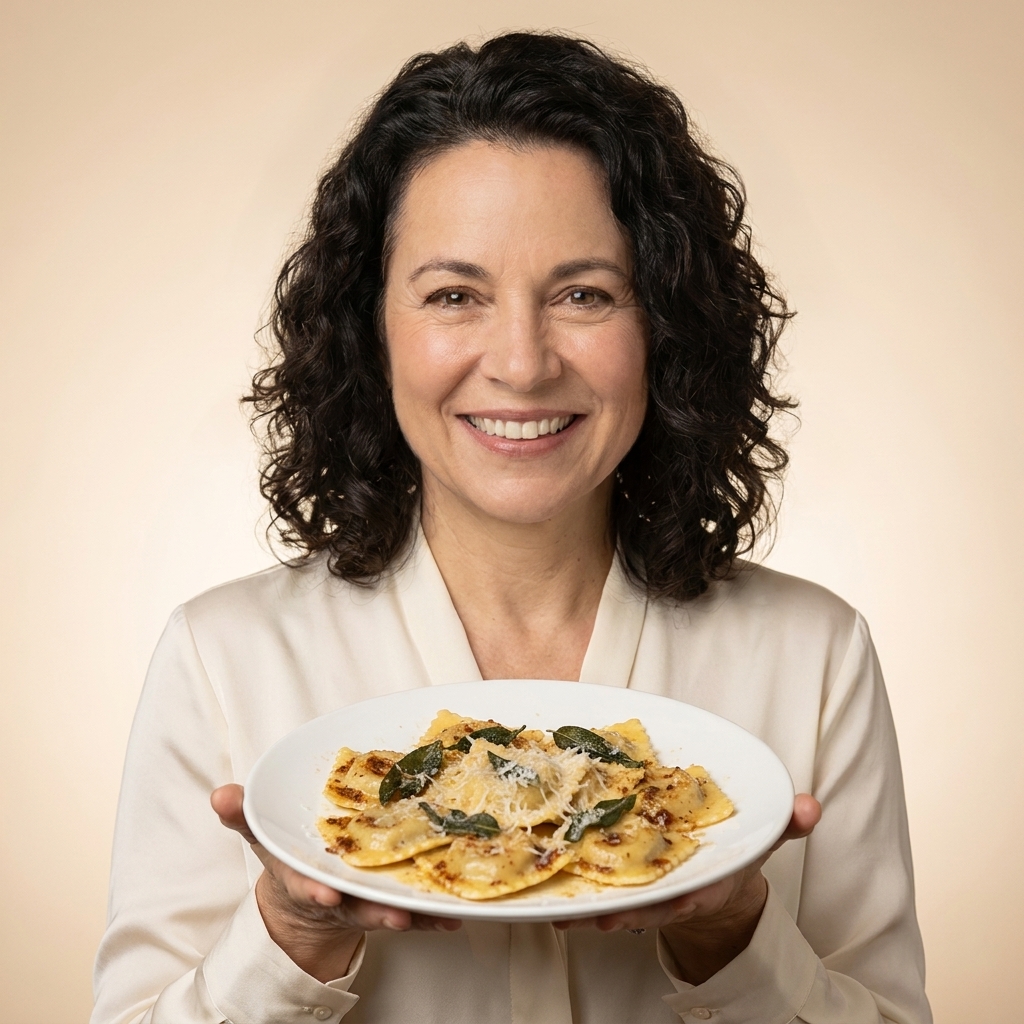
Ravioli and tortellini
Pairs best with: butter and sage, light cream sauces, simple tomato sauce, broth (for tortellini).
With stuffed pasta, the filling is the main character. Heavy sauces can smother the flavor you paid for. I like a sauce that frames, not floods.
Lasagna
Pairs best with: ragù and béchamel, or a well-balanced tomato sauce with ricotta depending on the style.
Lasagna is about layers and moisture control. You want enough sauce to keep things tender, but not so much that slices collapse.
Regional logic, quickly
One reason these pairings feel so “right” is that they grew up together. In much of the north and center, fresh egg pasta shows up often, so you see lots of ribbons with ragù and butter-based sauces. In the south, dried semolina shapes dominate, so tubes, twists, and short cuts are everywhere, built for tomatoes, olive oil, vegetables, and seafood.
It is not a hard border, just a useful way to understand the pattern.
Classic pairings
If you want a quick “trust me” list, these are the combinations that show up again and again in Italian kitchens.
- Tagliatelle + ragù alla bolognese
- Spaghetti + carbonara
- Spaghetti + cacio e pepe
- Bucatini + amatriciana
- Trofie + pesto genovese
- Orecchiette + broccoli rabe and sausage
- Penne + arrabbiata
- Rigatoni + meaty tomato sauces
- Ditalini + pasta e fagioli
- Tortellini + broth
Orecchiette (worth knowing)
If there is one “extra” shape people fall in love with, it is orecchiette. Those little ears are built to cup sauce. They are perfect with bitter greens like broccoli rabe, crumbled sausage, and garlicky olive oil because each piece holds a small, satisfying bite.
When it feels off
Have you ever made a gorgeous chunky sauce, served it over spaghetti, and wondered why it felt slippery and messy? Usually one of these things happened:
- The sauce is too chunky for a thin strand. The pasta cannot grab the pieces.
- The sauce is too thin for a smooth short shape. It slides off and pools.
- The pasta is too delicate for the sauce’s weight. Think thin angel hair under a heavy meat ragù. It can taste unbalanced.
None of this is a moral failing. It is just physics and texture.
Bend the rules
I am all for tradition, and I am also all for Tuesday night reality. If you are missing the “correct” pasta shape, you can still get a great result with a few smart adjustments.
Make the sauce match the shape
- Using long pasta with a chunky sauce? Chop the chunks smaller, simmer a bit longer to tighten the sauce, and finish with a vigorous toss so it coats.
- Using smooth pasta with a slick sauce? Add grip: a handful of grated Parmigiano or Pecorino, a knob of butter, or a splash of pasta water to help it hold.
- Using short pasta with a very light sauce? Choose ridged shapes if you have them, and do not skip the toss in the pan.
Always finish pasta in the sauce
This is the most Italian “rule” of all. Drain the pasta when it is just shy of al dente, then finish it in the sauce for 1 to 2 minutes with a splash of pasta water.
That cloudy water is full of starch. When you toss hard, starch plus fat plus heat turn into a quick emulsion, which is the secret behind sauce that coats instead of separating.
Salt the water properly
If your pasta tastes bland, no pairing can save it. I salt until the water tastes pleasantly salty, like the sea. Not aggressively salty, just unmistakably seasoned.
FAQ
What pasta shape holds sauce best?
Ridges and curves hold sauce well. Rigatoni, fusilli, and radiatori are excellent “grippy” shapes. For silky sauces, long pasta holds on beautifully when you emulsify with pasta water and toss properly.
Is it wrong to use spaghetti with ragù?
It is not wrong. Many Italians prefer ragù with wider pasta like tagliatelle because it carries the meat and coats more evenly. If spaghetti is what you have, make sure the ragù is not watery and finish the spaghetti in the sauce so it really adheres.
What pasta goes with pesto besides trofie?
Fusilli, linguine, and trenette are all great with pesto. Look for twists or slightly flat noodles that give pesto room to grab on.
Does fresh pasta need different pairings than dry pasta?
Often, yes, as a tendency. Fresh egg pasta is tender and slightly more absorbent, so it is especially good with butter-based sauces, cream sauces, and ragùs that coat. Dry pasta, made mostly from semolina, has a firmer bite that is a natural match for punchy tomato sauces and many Roman classics, though you can absolutely cross the streams if the sauce and texture line up.
Is gnocchi pasta?
Technically it is a dumpling, not pasta, but it gets treated like pasta at the table. It loves simple tomato sauce, brown butter and sage, and creamy cheese sauces because the soft texture needs a sauce that supports it, not one that overwhelms it.
Final note
If you remember just one thing, let it be this: the right pairing makes sauce and pasta taste like one dish, not two things sitting next to each other. Pick shapes that grab what you are cooking, finish the pasta in the sauce, and trust your senses. When it looks like it is coating, it will taste like it belongs.