If you have ever looked at a menu and thought, “They are both spicy tomato sauces, so how different can they be?” you are not alone. I asked the same question years ago, standing at my stove with two cans of tomatoes and a brave little pinch of peperoncino. The truth is that amatriciana and arrabbiata are cousins, not twins. One is rich, cured-pork savory, and a little sweet around the edges. The other is lean, garlicky, and sharp with heat.
Let’s break them down the way I like to learn recipes: by flavor, by ingredients, and by the pasta shapes that make them shine.
The quick difference
If you just need the headline while the water is coming to a boil:
- Amatriciana is a tomato sauce built on guanciale (cured pork jowl), usually finished with Pecorino Romano. It tastes rich, savory, and gently spicy, with a gorgeous pork fat sheen.
- Arrabbiata is a tomato sauce built on garlic and chili, traditionally without meat. It tastes bright, punchy, and properly hot, in that clean “wake you up” way.
Amatriciana
What it tastes like
Amatriciana is the kind of sauce that makes the whole kitchen smell like Sunday even if it is a Wednesday. The flavor comes from rendered guanciale, which gives you a silky mouthfeel and a deep savory base before the tomatoes even hit the pan.
The heat is there, but it is usually not the star. Think of it as a warm hum underneath, with saltiness from Pecorino and a tomato sweetness that rounds everything out.
Core ingredients
- Guanciale (traditional). Pancetta can work in a pinch, but you will miss guanciale’s distinctive richness.
- Tomatoes, often peeled whole tomatoes or passata.
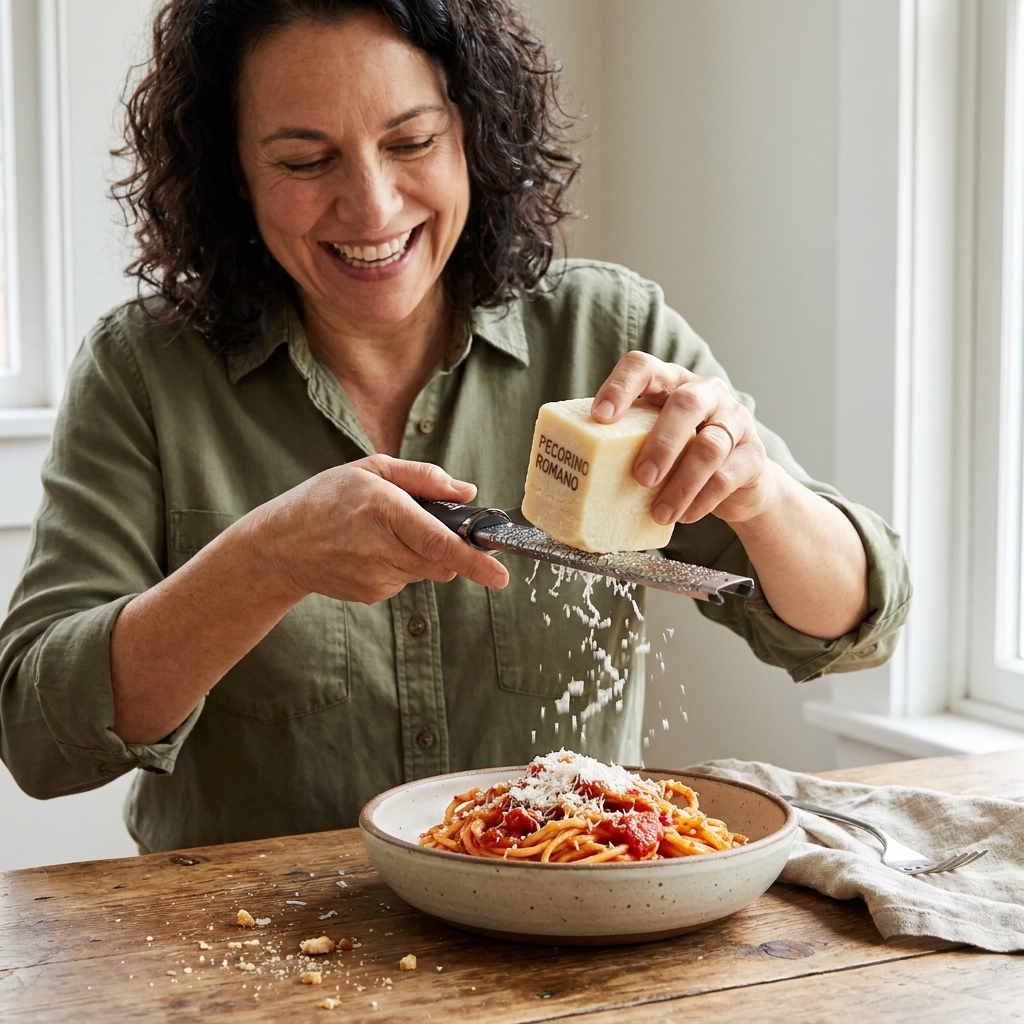
- Pecorino Romano, sharp and salty.
- Peperoncino (dried chili), typically modest.
- White wine is commonly used to deglaze after the guanciale renders.
One note that matters: many traditional Roman versions skip garlic, and onion is optional and varies by cook and region. Either way, the backbone is still pork, tomato, chili, and cheese. That is why it tastes so singular.
Tomatoes and timing
If you want the classic texture, this is helpful: whole peeled tomatoes tend to give a chunkier, more rustic sauce once you crush them, while passata cooks down into something smoother and silkier. Amatriciana usually needs a little time to settle, not hours, just long enough for the rendered fat and tomatoes to become one glossy thing.
Traditional pasta pairing
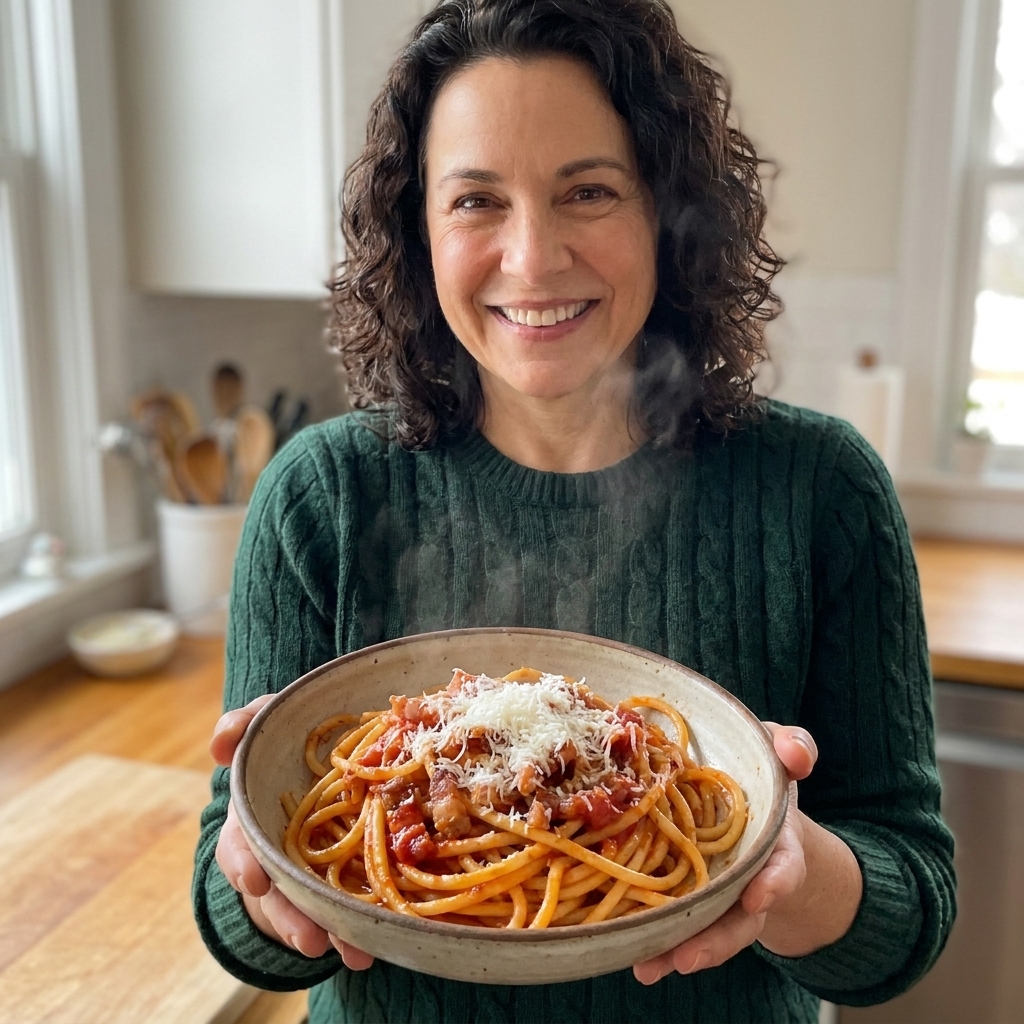
The classic is bucatini all’amatriciana. Bucatini’s hollow center catches sauce, and those little coins of guanciale tuck right in.
Also traditional and fantastic: spaghetti, especially if bucatini is not handy.
Arrabbiata
What it tastes like
Arrabbiata means “angry,” and you can taste why. It is a sauce with clean heat and a direct, tomato-forward personality. When it is done right, you smell garlic blooming in olive oil, then you get that quick chili bite that lifts the whole sauce.
Because there is no meat, arrabbiata feels lighter on the tongue, even when it is generous with olive oil. It is the sauce I reach for when I want big flavor fast.
Core ingredients
- Olive oil
- Garlic, usually sliced or lightly crushed
- Peperoncino (dried chili flakes or whole dried chilies), more assertive than amatriciana
- Tomatoes (crushed or peeled)
- Salt
- Parsley is a common finish
Some cooks finish with a little Pecorino or Parmigiano on top, and I will never stop you. But the heart of arrabbiata is that garlic-chili-tomato trio.
Tomatoes and timing
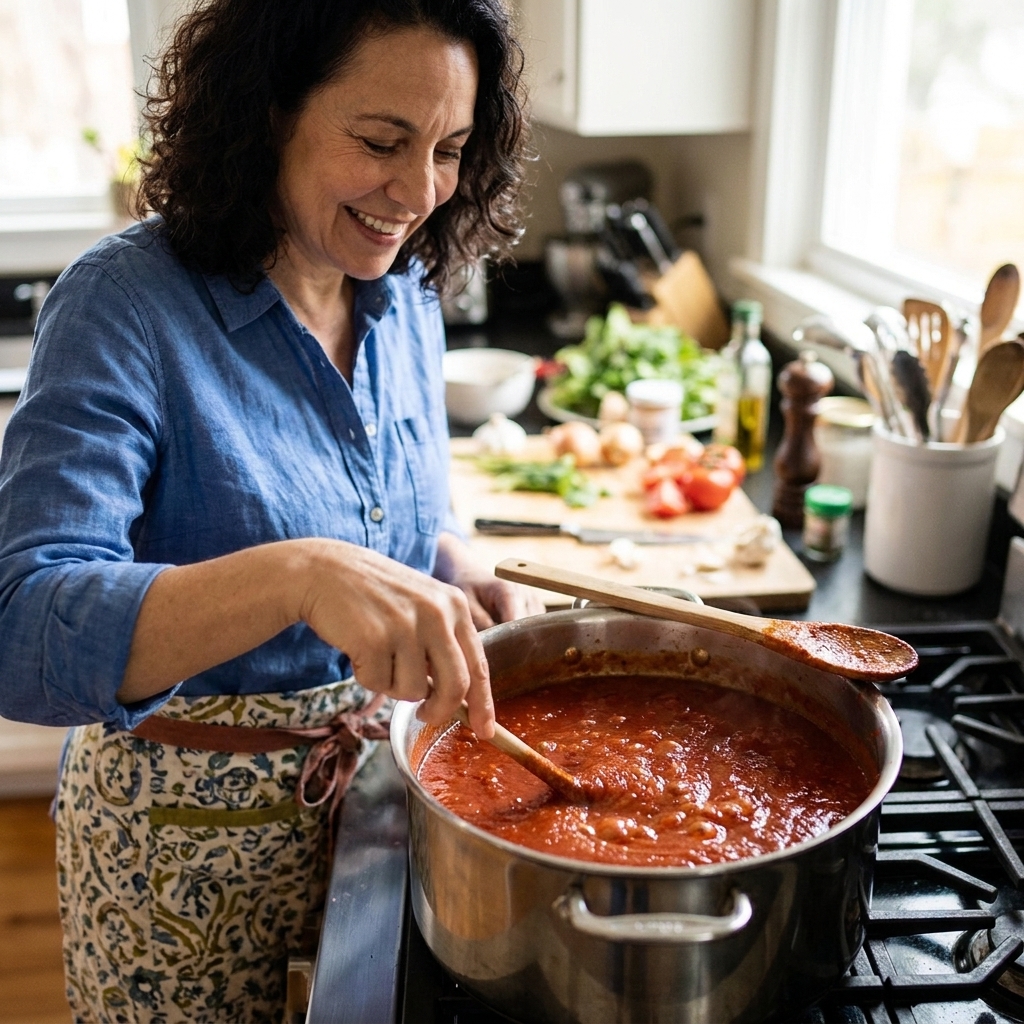
Arrabbiata is usually a faster sauce. Crushed tomatoes get you there quickly. Whole peeled tomatoes give a fresher, slightly sweeter taste if you crush them by hand and let them simmer a bit longer. Either way, the goal is a sauce that still tastes lively, not reduced into submission.
A small but real detail: the sauce’s texture is set by how much extra-virgin olive oil you use. Too little and the heat can taste harsh and thin. Enough oil, and the chili tastes rounder and the sauce clings the way you want.
Traditional pasta pairing
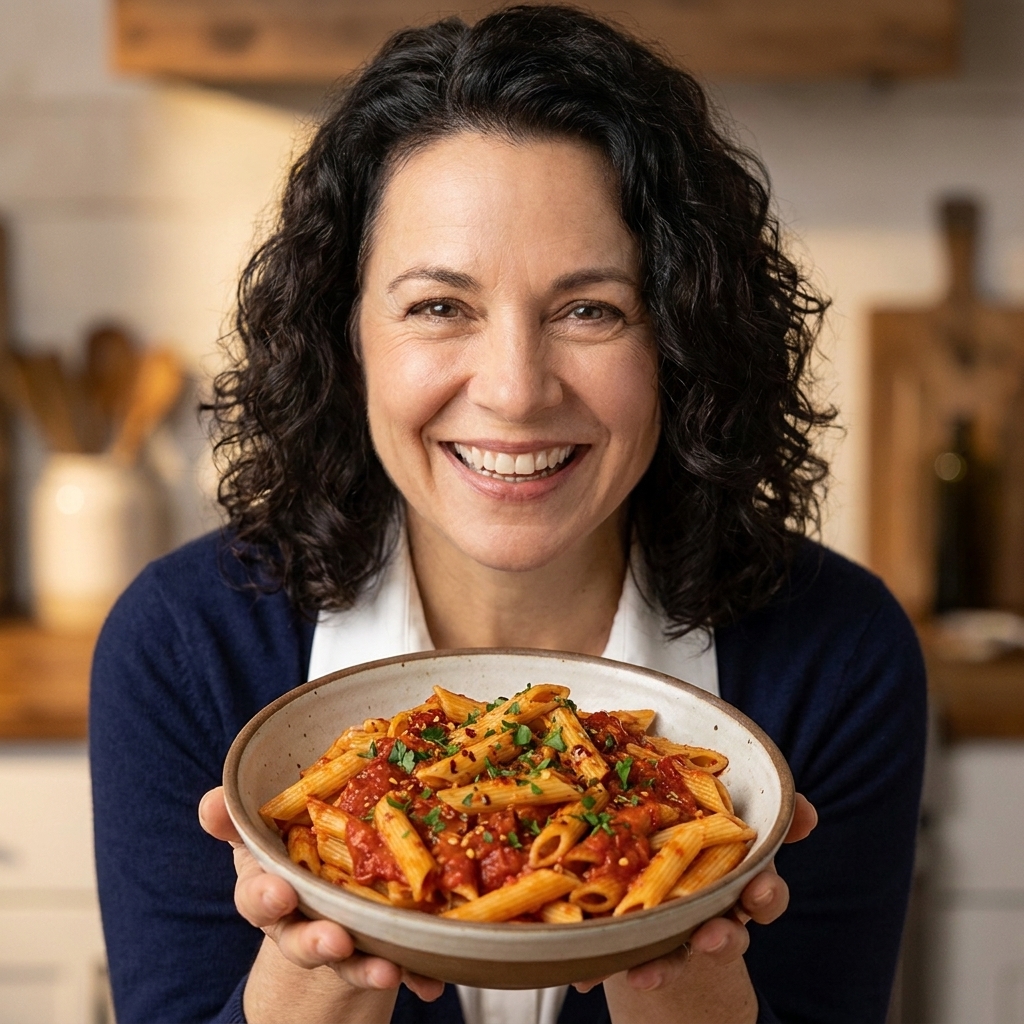
The classic match is penne all’arrabbiata. Those tubes grab sauce inside and out, and the ridges on penne rigate cling beautifully.
It also works wonderfully with rigatoni if you like bigger bites, or spaghetti if that is what you have.
Side-by-side
| Feature | Amatriciana | Arrabbiata |
|---|---|---|
| Signature ingredient | Guanciale | Garlic + chili |
| Heat level | Mild to medium (supporting role) | Medium to hot (main event) |
| Cheese | Pecorino Romano is traditional | Optional |
| Texture | Glossy and rich from pork fat | Glossy with olive oil |
| Typical pasta | Bucatini, spaghetti | Penne, rigatoni |
How to choose
Pick amatriciana if you want…
- Big savory depth without simmering for hours
- A sauce that feels “special occasion” even on a weeknight
- A reason to buy guanciale and use it proudly
Pick arrabbiata if you want…
- Fast dinner from pantry basics
- A sauce that cuts through a heavy day with bright heat
- A naturally meatless option that still feels satisfying
My Tuesday-night rule: if I have guanciale, it is amatriciana. If I have five minutes and a craving for spice, it is arrabbiata.
Clara’s sensory cues
For amatriciana
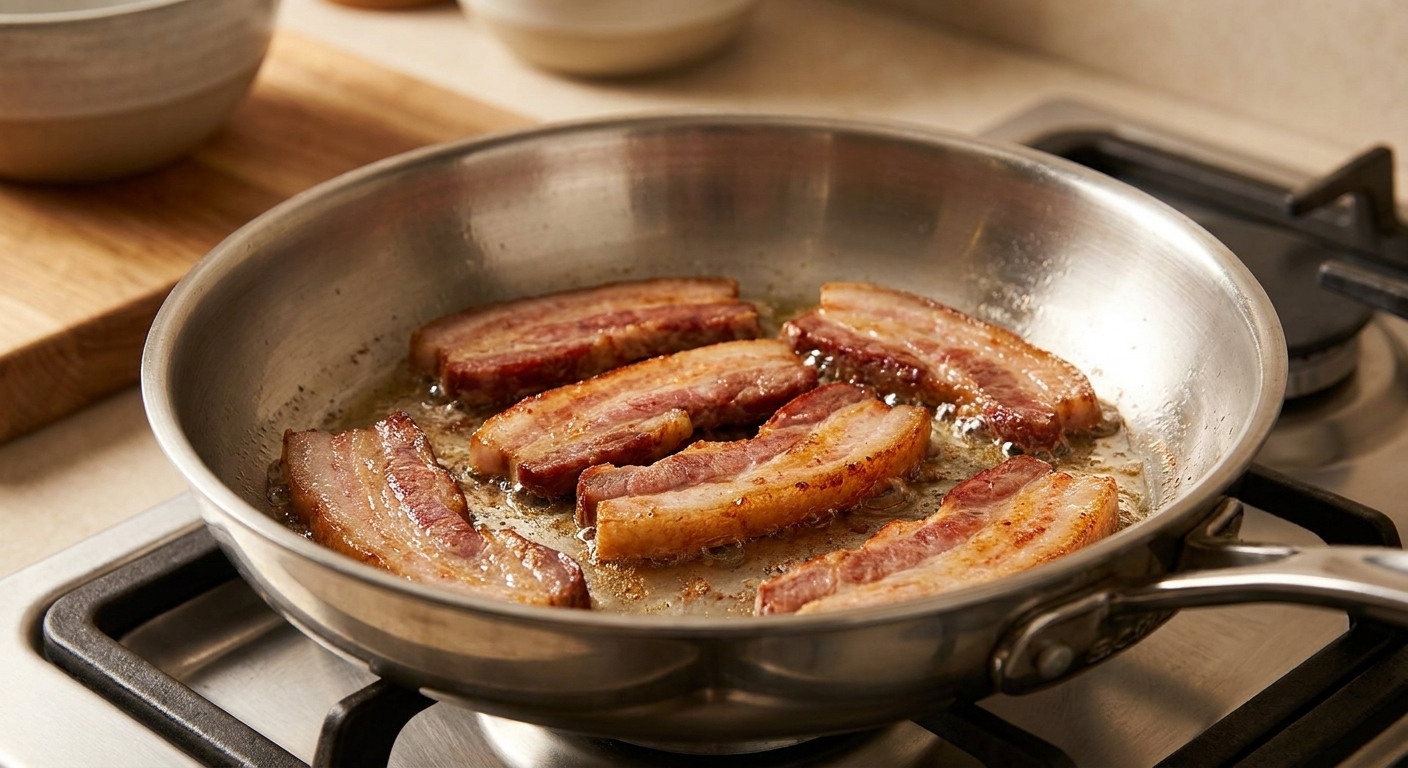
- Guanciale should start translucent, then turn golden at the edges as the fat renders. If it is browning too fast, lower the heat.
- When you add tomatoes, the sauce should look glossy, not greasy. A gentle simmer helps it emulsify.
- Pecorino goes in at the end, off the heat or with very low heat, so it melts into the sauce instead of clumping.
For arrabbiata
- Garlic should smell sweet and toasty, never acrid. The second it starts going too dark, it will turn bitter.
- Chili blooms quickly. You want the oil to smell spicy, then you add tomatoes before anything scorches.
- The finished sauce should taste sharp and lively. If it tastes flat, it usually needs salt, a longer simmer, or a tiny splash of pasta water to bring it together.
Common mistakes
Amatriciana
- Over-browning the guanciale. You want crisp edges, not hard little nuggets. Keep the heat moderate so the fat renders before the meat darkens.
- Adding cheese over high heat. Pecorino can clump or go stringy if the pan is ripping hot.
- Skipping the toss. That final 30 seconds with pasta water is what turns rendered fat and tomatoes into a sauce that truly coats.
Arrabbiata
- Burning the garlic or chili. Once it goes bitter, the whole sauce tastes angry in the wrong way.
- Not using enough olive oil. The sauce can taste thin and the heat can feel sharp instead of warm and integrated.
- Under-seasoning. Tomatoes and spice need salt to taste like themselves.
Common questions
Is amatriciana spicier than arrabbiata?
Usually no. Arrabbiata is typically hotter. Amatriciana often uses chili more gently because the guanciale and Pecorino are the stars.
Can I make amatriciana without guanciale?
You can, but it becomes a different sauce. If you cannot find guanciale, pancetta is the closest swap. Bacon brings smoke, which is not traditional, but it can still be delicious if that is what you have.
Are these sauces Roman?
They are both closely associated with central Italy. Amatriciana is tied to Amatrice and became iconic in Rome. Arrabbiata is a Roman-style spicy tomato sauce that shows up all over Italy now because it is simple and satisfying.
What wine works best with each?
For amatriciana, I like a red with good acidity like Montepulciano d’Abruzzo or a young Sangiovese. For arrabbiata, you can go red again, or even a crisp white if you keep the spice moderate. The key is acidity so the pairing stays lively with tomatoes.
If you remember one thing
Amatriciana is spicy tomato plus guanciale and Pecorino, rich and savory. Arrabbiata is spicy tomato powered by garlic and chili, bright and bold.
And if you are standing at the stove wondering if it is time to toss the pasta, here is my favorite little cue: when the sauce tastes great on its own, add a splash of pasta water, toss hard for 30 seconds, and taste again. That last toss is where both of these sauces go from “good” to “why is this so good?”