There is a special kind of comfort in a pot of marinara quietly bubbling on the stove. Not a million ingredients, not a complicated technique. Just tomatoes, garlic, olive oil, and a little patience. This is the sauce I grew up smelling before I even took my coat off, the one that turns an ordinary weeknight into something that feels like home.
Marinara is meant to be clean and bright, with a gentle sweetness from good tomatoes and the warm perfume of garlic softened in olive oil. If you have ever made a tomato sauce that tasted flat or harsh, do not worry. A few small choices make all the difference, and I will walk you through them like I am right next to you at the stove.
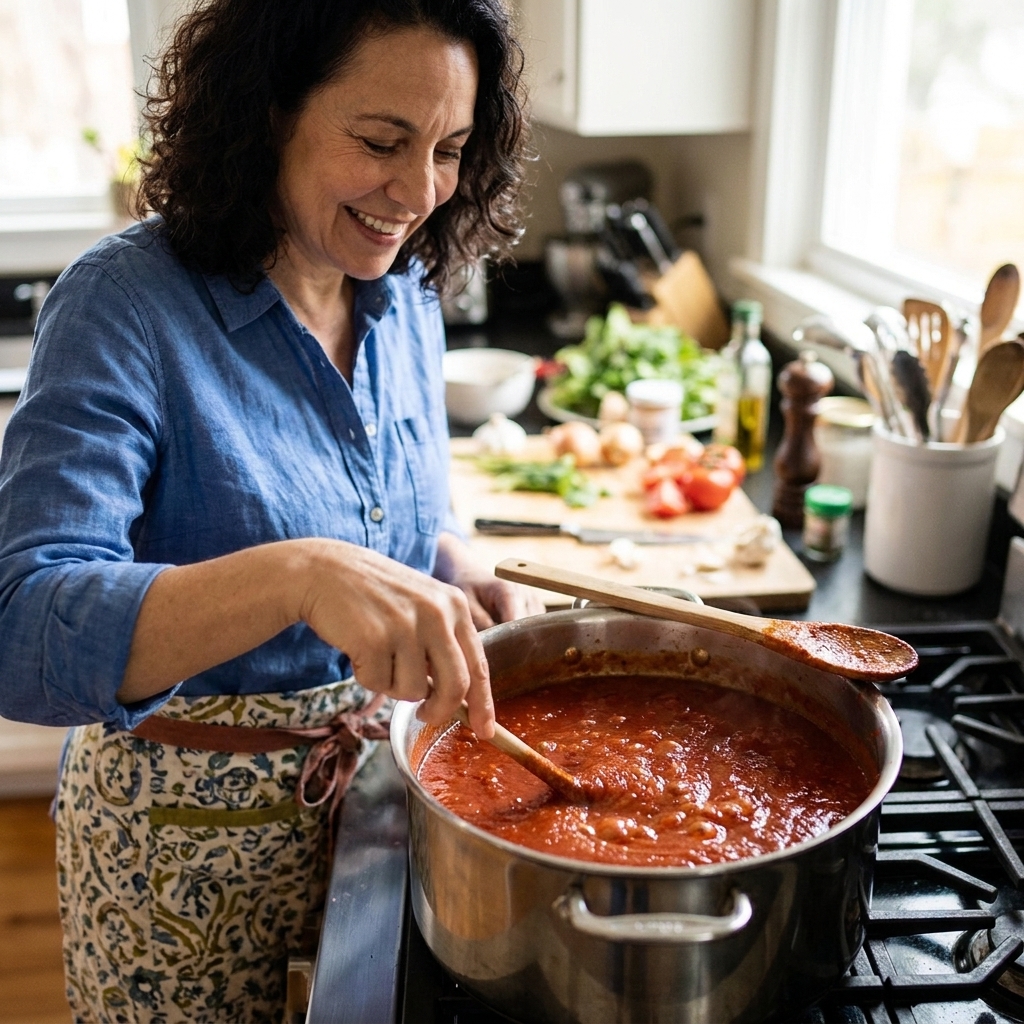
What makes marinara traditional
Marinara is typically a quick, tomato-forward sauce. It is not a long-cooked meat ragù, and it is not a heavily seasoned red sauce with lots of added sugar and a crowded spice cabinet. The goal is to let the tomatoes lead, then support them with a few classic flavors.
That said, recipes vary by region and household. Some versions include onion, some skip basil entirely, and some lean on oregano. What matters is the balance and the gentle cooking.
- Good tomatoes: Often whole peeled tomatoes, crushed by hand or with a spoon.
- Garlic and olive oil: Gently cooked so the garlic turns sweet and fragrant, never browned.
- Salt: Enough to wake up the tomato flavor.
- Fresh herbs: Basil is common, and some cooks use parsley, oregano, or none at all.
- Time: Just long enough to marry the flavors and soften any raw edge.
Ingredients
This is one of those recipes where the ingredient list is short, so quality really shows. If you can, pick a can of whole peeled tomatoes you love. San Marzano style tomatoes are classic, but any whole peeled tomatoes with a clean, sweet flavor can make a beautiful sauce.
- 2 tablespoons extra virgin olive oil
- 3 to 5 garlic cloves, lightly smashed or thinly sliced
- 1 (28-ounce) can whole peeled tomatoes, with juices
- 1 teaspoon fine sea salt, plus more to taste
- Pinch of crushed red pepper flakes (optional)
- 1 small basil sprig, plus more leaves to finish
- 1 small piece of Parmigiano Reggiano rind (optional, for deeper savory flavor)
Tomato note: I usually reach for whole peeled tomatoes instead of pre-crushed because I like controlling the texture, and many brands taste brighter to me. That said, it depends on the brand and how the tomatoes are packed. If you love a crushed tomato, use it.
Step-by-step
1) Warm the oil and soften the garlic
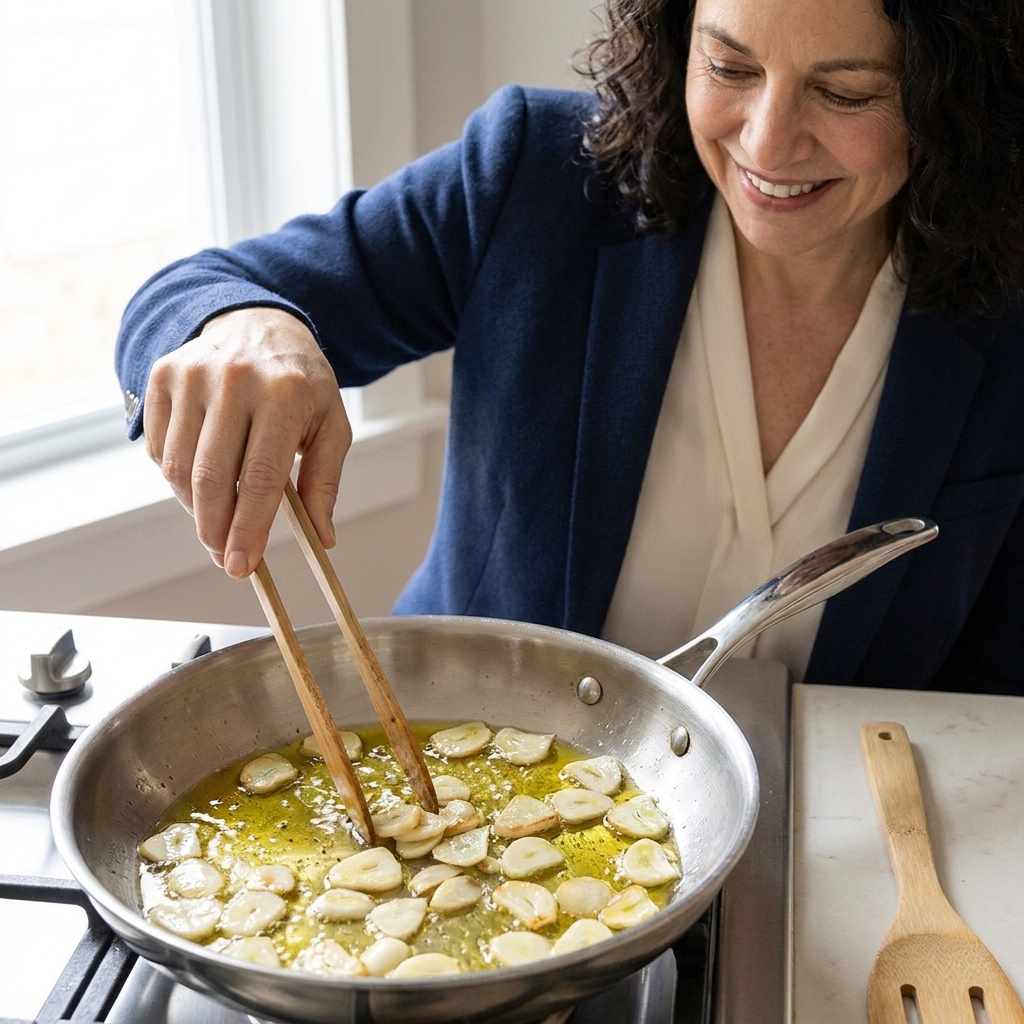
Set a heavy-bottomed pot or deep skillet over medium-low heat. Add the olive oil, then the garlic.
You want a gentle sizzle, not a loud fry. The garlic should smell sweet and fragrant within a minute or two and stay pale, with little to no color. If it starts turning golden quickly, turn the heat down. Garlic that browns too much can make the whole sauce taste bitter.
2) Add tomatoes and crush
Add the whole peeled tomatoes and their juices. Use a wooden spoon or potato masher to break them up right in the pot. I like a rustic texture, so I leave a few small pieces.
Tip: If you crush by hand, do it in a bowl to avoid splatters, then pour everything into the pot.
3) Season and simmer gently
Stir in the salt, red pepper flakes if using, basil sprig, and the Parmigiano rind if you have one.
Bring the sauce just to a simmer, then lower the heat so it barely bubbles. You do not want a hard boil once the tomatoes go in. An aggressive boil can reduce the sauce too quickly, risk scorching around the edges, and it can make the flavor taste a little rougher, depending on the pot and tomatoes. Partially cover the pot to control splatter while still letting a little steam escape.
Simmer for 20 to 35 minutes, stirring now and then. The sauce is ready when it looks glossy, slightly thickened, and the tomato flavor tastes round instead of sharp.
4) Finish and adjust
Turn off the heat. Remove the basil sprig and Parmigiano rind. Tear a few fresh basil leaves and stir them in right at the end.
Taste and adjust salt. If the sauce tastes a bit too bright or acidic, see the section below before reaching for sugar.
Sensory cues
- Garlic stage: Soft and fragrant, ideally pale. A faint straw color is fine. Deep gold or brown is heading bitter.
- Simmer stage: Lazy bubbles, not a rapid boil.
- Finished stage: The surface looks glossy, the oil and tomatoes look married, and a spoon dragged through leaves a trail for a second before it fills back in.
Common problems
My sauce tastes too acidic
First, simmer 10 minutes longer. Time can smooth out sharpness.
If it still tastes a bit aggressive, try one of these gentle fixes. These do not neutralize acidity so much as mellow your perception of it by adding richness, sweetness, or better balance:
- Add a knob of butter: About 1 tablespoon can soften the edge and add a restaurant-style silkiness.
- Add a carrot chunk while simmering: Let it cook in the sauce, then remove. It lends natural sweetness.
- Check your salt: Under-salted tomato sauce often reads as more acidic.
I rarely add sugar. If your tomatoes are truly harsh, a tiny pinch is acceptable, but I treat it like a last resort, not the plan.
My sauce tastes flat
- Add a little more salt, then taste again.
- Finish with fresh basil.
- Add a splash of pasta water when tossing with pasta. That starchy water wakes up flavor and helps sauce cling.
My sauce is too watery
Keep simmering uncovered for 5 to 10 minutes, stirring. Also make sure you are keeping a true simmer, not a heat so low it never reduces.
My sauce tastes bitter
The usual culprit is garlic that browned too much. Next time, lower the heat and give the garlic a slower, gentler start.
How to toss with pasta
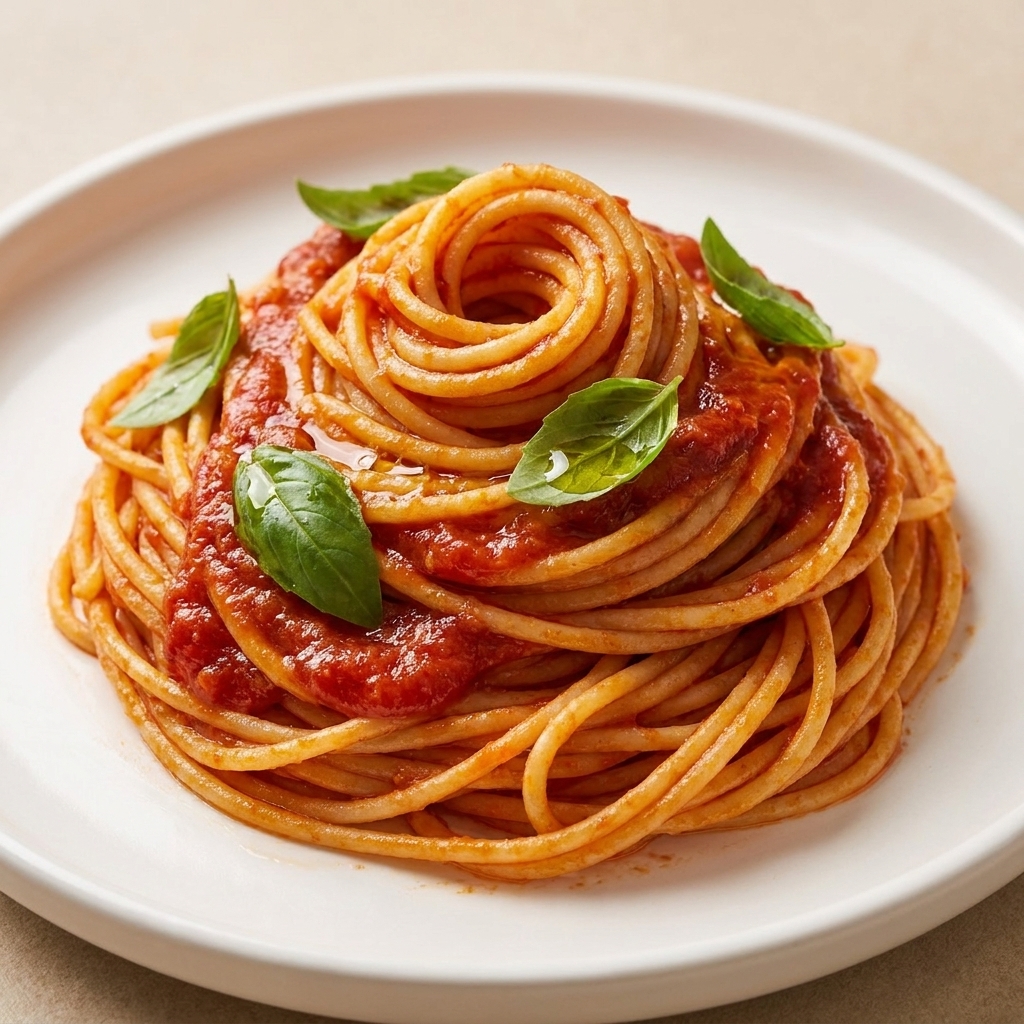
Marinara is not meant to drown pasta. It should coat it, cling to the ridges, and leave a little sauce in the bottom of the bowl for a piece of bread.
Simple method
- Boil pasta in well-salted water until just shy of al dente.
- Warm marinara in a skillet large enough to hold pasta.
- Add pasta to the skillet with a splash of pasta water.
- Toss over medium heat for 30 to 60 seconds until glossy and clinging.
- Finish with basil and, if you like, Parmigiano Reggiano.
My favorite pasta shapes for marinara: spaghetti, linguine, rigatoni, mezze maniche, or a ridged penne.
Variations
Marinara with onion
Add half a small onion, finely chopped, to the olive oil before the garlic. Cook until soft and sweet, then continue.
Marinara with oregano
Add a small pinch of dried oregano during the simmer, then keep the basil at the end. Oregano can take over if you use too much.
Marinara for pizza
Simmer a little less, about 15 to 20 minutes, so it stays bright. You want it spoonable, not thick like paste.
Storage and make-ahead
Marinara is a gift to your future self. Make a double batch when you have the time.
- Refrigerator: Store in an airtight container for up to 4 to 5 days. Cool the sauce promptly and refrigerate within 2 hours.
- Freezer: Freeze in portions for up to 3 months. I love freezing in 1 to 2 cup amounts so a quick pasta dinner is always within reach.
- Reheating: Warm gently over medium-low heat until steaming hot. Add a splash of water if it thickened too much in storage.
Marinara recipe
Yield and timing
- Makes: About 4 cups sauce, enough for about 1 pound of pasta
- Time: 30 to 45 minutes total
Method
- In a heavy pot over medium-low heat, warm olive oil. Add garlic and cook gently 1 to 3 minutes until fragrant and softened, with little to no color.
- Add whole peeled tomatoes with juices. Crush with a spoon or masher.
- Stir in salt, red pepper flakes if using, basil sprig, and Parmigiano rind if using.
- Bring just to a simmer, then lower heat and cook partially covered for 20 to 35 minutes, stirring occasionally.
- Remove basil sprig and rind. Taste and adjust salt. Stir in torn basil leaves to finish.
To serve: Toss hot marinara with pasta and a splash of pasta water until glossy and clinging.
FAQ
Is marinara the same as spaghetti sauce?
Marinara is a type of tomato sauce, usually simpler and quicker than many American-style spaghetti sauces that may include lots of herbs, sugar, or meat. Marinara is tomato-forward and fast.
Should I use fresh tomatoes?
You can, especially in peak summer, but canned whole peeled tomatoes are the most consistent for most of the year. If using fresh, blanch and peel them, then simmer a bit longer to concentrate flavor.
Do I need to blend marinara?
Not at all. Many home-style marinaras are rustic. If you prefer it smooth, use an immersion blender briefly after simmering, but do not puree it into a baby food texture. A little texture is part of the charm.
Why add pasta water?
Pasta water contains starch. That starch helps the sauce cling to the noodles and turns sauce plus oil into something silky and cohesive.