If you have ever stood in your kitchen with a soft, silky ball of dough and a tiny flutter of nerves in your stomach, you already know this truth: the tool matters, but the feel matters more. A good pasta roller should make you want to cook, not make you want to put the dough back in the fridge and order takeout.
So which is better, a traditional hand-cranked pasta machine or a stand mixer attachment? I cook with both, and here is the honest answer: the “best” choice depends on your space, your patience level, and the kind of pasta nights you actually live. Let’s break it down in a way that helps you decide, then I will share a few real-world picks for different kitchens.
What we are comparing
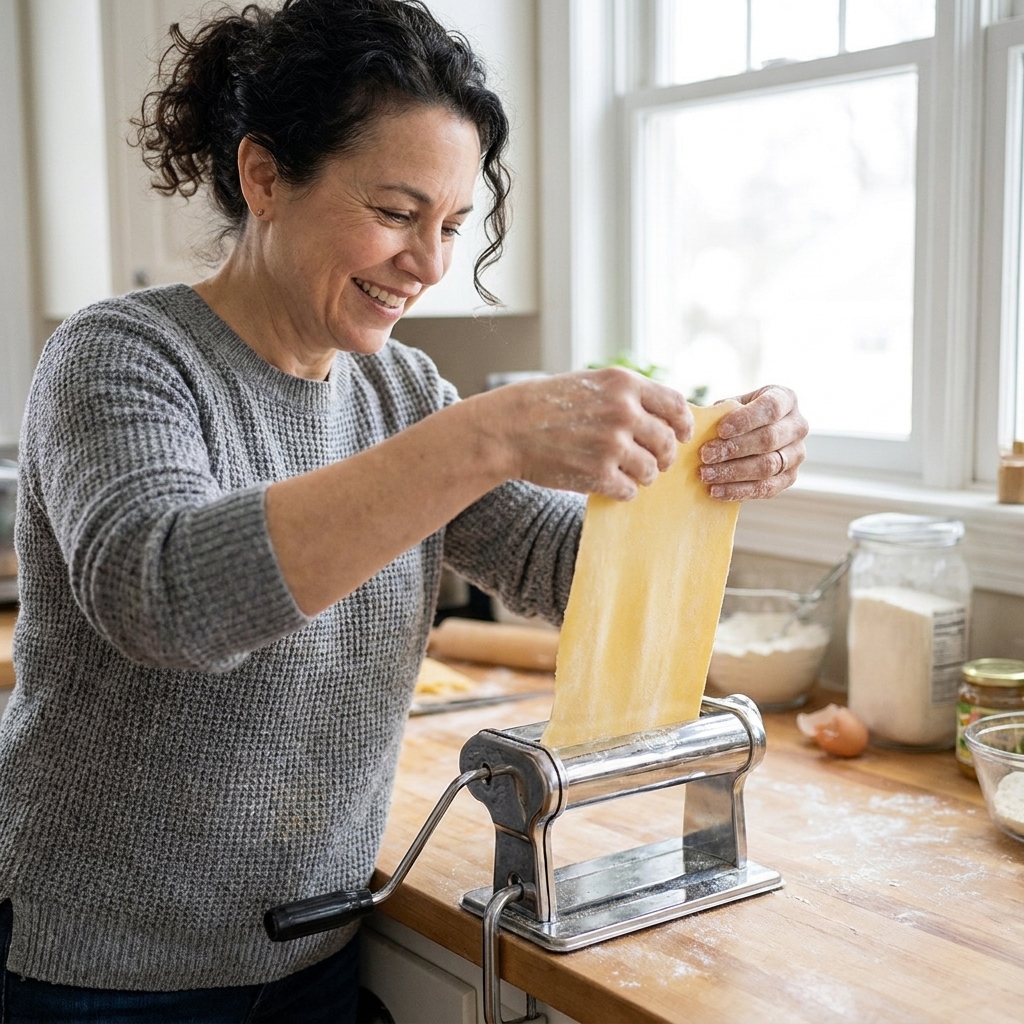
Manual pasta machine
This is the classic countertop pasta machine with rollers (and usually a cutter). You clamp it to the counter, feed dough through, and turn the crank by hand. Think Marcato Atlas style machines, or similar.
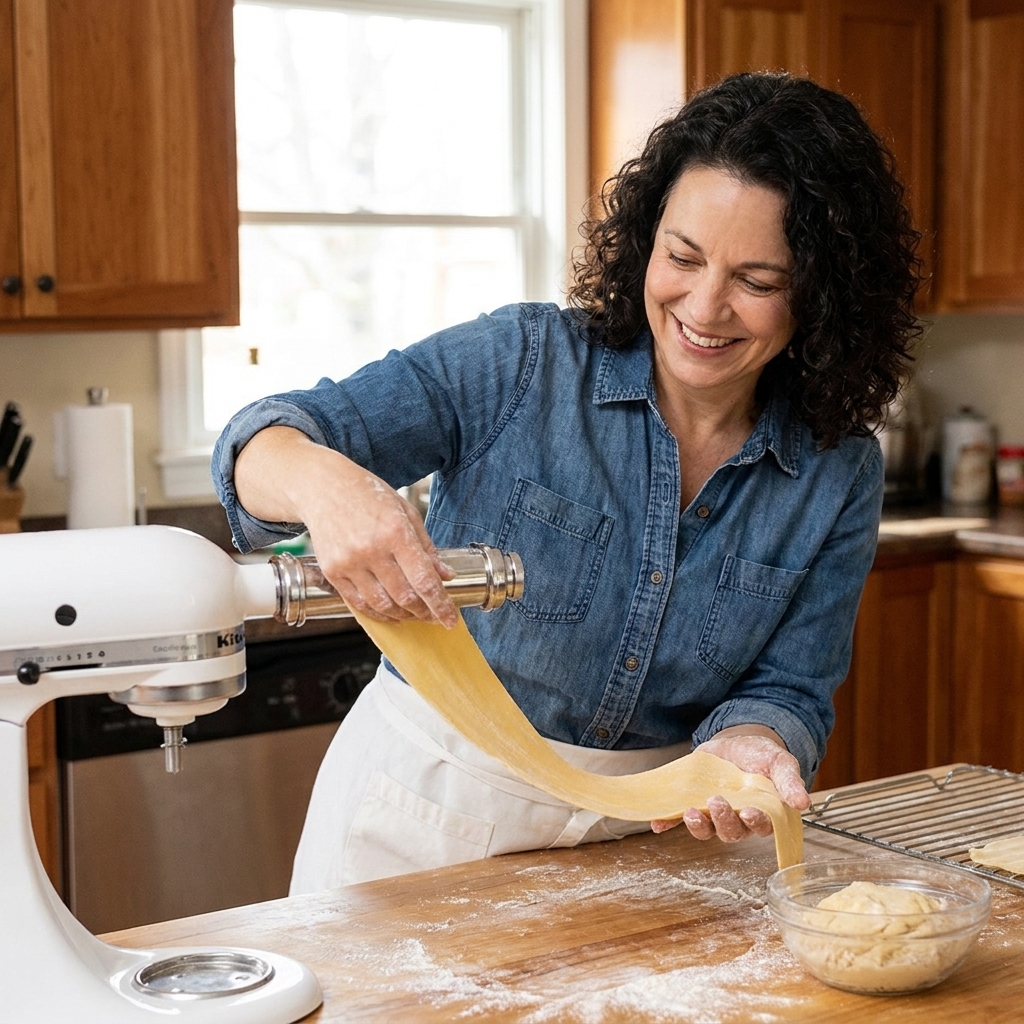
Stand mixer attachments
These are roller and cutter attachments powered by your stand mixer’s motor. You feed the dough in while the mixer turns the rollers. Some brands also sell extruder-style pasta presses, but in this article I am focusing on the roller-and-cutter style attachments since that is the most direct comparison to a manual machine.
The big differences
1) Control and feel
Manual machine advantage: You feel everything. When the dough is too dry, you feel the resistance in the crank. When it is a little tacky, you sense it before it becomes a mess. That feedback makes it easier to learn, especially if you are new to pasta.
Mixer attachment advantage: The rollers turn at a steady pace, which can help you make consistent sheets once your dough is dialed in. But you lose some of that “conversation” with the dough, and if your sheet starts to fold or wrinkle, it can happen quickly.
2) Speed and effort
Mixer attachments often win for speed, especially when you are rolling several batches. With a manual roller, your arm does the work and you may want a second set of hands to catch the sheet, flour it, and guide it back in. With the mixer, many cooks find it easier to work solo because both hands are free to guide and support the sheet.
That said, for a single batch of tagliatelle on a Sunday, the manual crank is not “slow.” It is just more hands-on, in a way some people genuinely love.
3) Setup and cleanup
Manual machines are usually simpler day-to-day. Clamp it, roll, brush off the flour, done. Most models are compact and easy to tuck away.
Mixer attachments can be a little more involved. You have the attachment, possibly the cutter, plus the mixer itself on the counter. Cleanup is not hard, but it is more pieces and more storage.
Important note: most manufacturers recommend keeping water away from rollers and cleaning with a brush or dry cloth once any dough bits dry. Always check your specific manual, especially for attachments, because guidance varies.
4) Space and stability
Manual machines need a sturdy clamp point. If you have thin counters, a wobbly table, or limited overhang, clamping can be annoying. When a machine shifts mid-roll, it is incredibly frustrating.
Mixer attachments need a stable mixer and a little runway. A heavy stand mixer is usually steady, but you do need enough space to feed and support long sheets. In a small kitchen, that stretch of open counter can be the real challenge.
5) Cost and long-term value
Prices vary, but in many kitchens the math looks like this:
- If you already own a stand mixer, attachments can feel like a natural upgrade.
- If you do not own a mixer, buying a mixer just for pasta is rarely the budget-friendly move.
- A well-built manual machine can last for years, but quality varies. If durability matters to you, look for sturdier construction (metal body and strong internal components) from reputable brands.
How each fits your nights
Weeknight pasta
Stand mixer attachments shine if your mixer already lives on the counter and you want to move fast. I love it when I am doing a quick batch of sheets for a simple butter-and-sage situation, or when I am turning dough into noodles while a pot of water heats.
Manual machines still work, but they are at their best when you are not rushing. If you are tired, the crank can feel like one more task.
Big batches
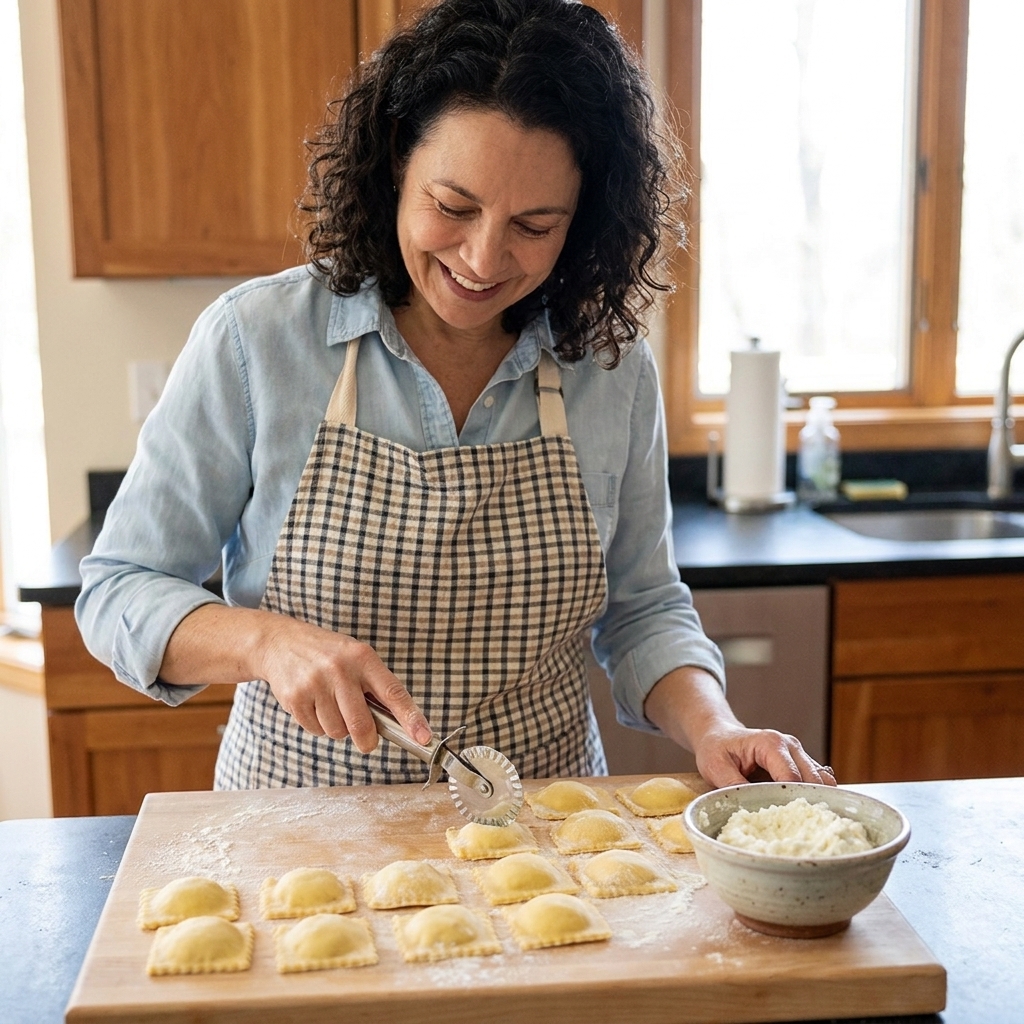
If you are rolling a lot of dough, the mixer attachment can save your arm and make it easier to work solo. For ravioli days, having both hands free to guide and dust sheets is a small miracle.
That said, a manual machine with a helper can be just as efficient. One person cranks, one person catches, and you get into a rhythm that feels like a tiny family assembly line.
Learning fresh pasta
I tend to recommend a manual machine for beginners if the budget and space allow. The slower pace and the physical feedback teach you what “right” feels like. You learn quickly how much flour is too much, when to rest the dough, and how thin you can go before it starts to tear.
Small kitchens
This one surprises people. A manual machine is compact, but only if you have a place to clamp it comfortably. If you do not, it becomes a hassle.
If your stand mixer already lives on the counter, attachments can be convenient. If your mixer lives in a cabinet and you dread hauling it out, a manual machine might get used more often simply because it is lighter.
Sheet quality
When your dough is well-made and properly rested, both tools can produce gorgeous sheets. The biggest differences usually come from pace and handling, not the rollers themselves.
- Manual rolling encourages a slower, more controlled feed. That can mean fewer wrinkles and less tearing when you are still learning.
- Mixer-powered rolling is steady and consistent, but it will not wait for you. If your sheet starts to stick, you have to react fast with a dusting of flour or a pause.
One more practical note: roller width can vary. Some mixer attachments run a bit narrower than some classic manual machines, which can slightly change how wide your sheets and lasagna noodles end up.
My best sensory cue: the sheet should feel cool, smooth, and dry to the touch, like a fresh cotton pillowcase. If it feels tacky, dust lightly. If it feels crackly or starts to split at the edges, add water a few drops or a teaspoon at a time, knead until it evens out, then rest the dough again so the moisture distributes evenly.
Cutters
Both systems usually offer cutters for fettuccine or tagliatelle. In my experience:
- Manual machine cutters can be excellent, especially on well-floured sheets. If the dough is even slightly sticky, the strands may cling together.
- Mixer attachment cutters are convenient because you can feed sheets through steadily, but you still need the right flouring so the noodles fall cleanly.
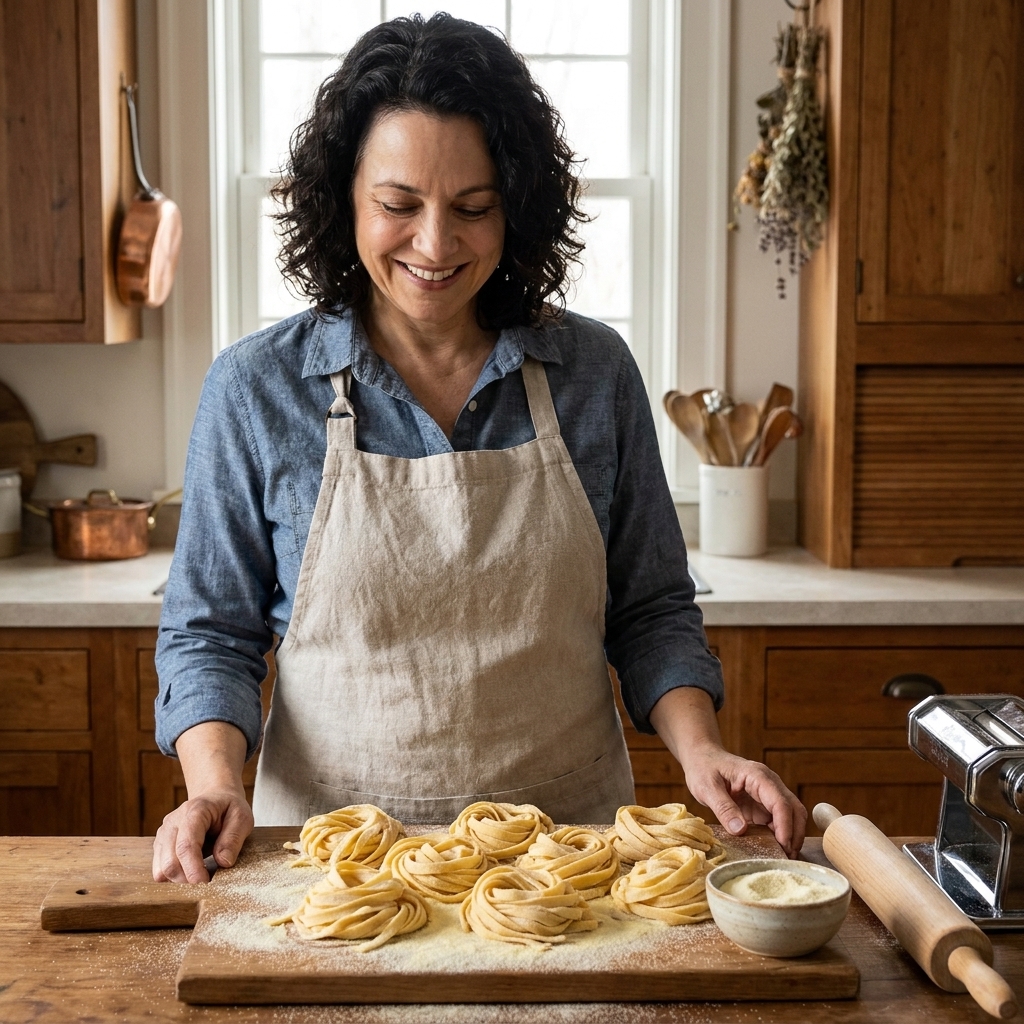
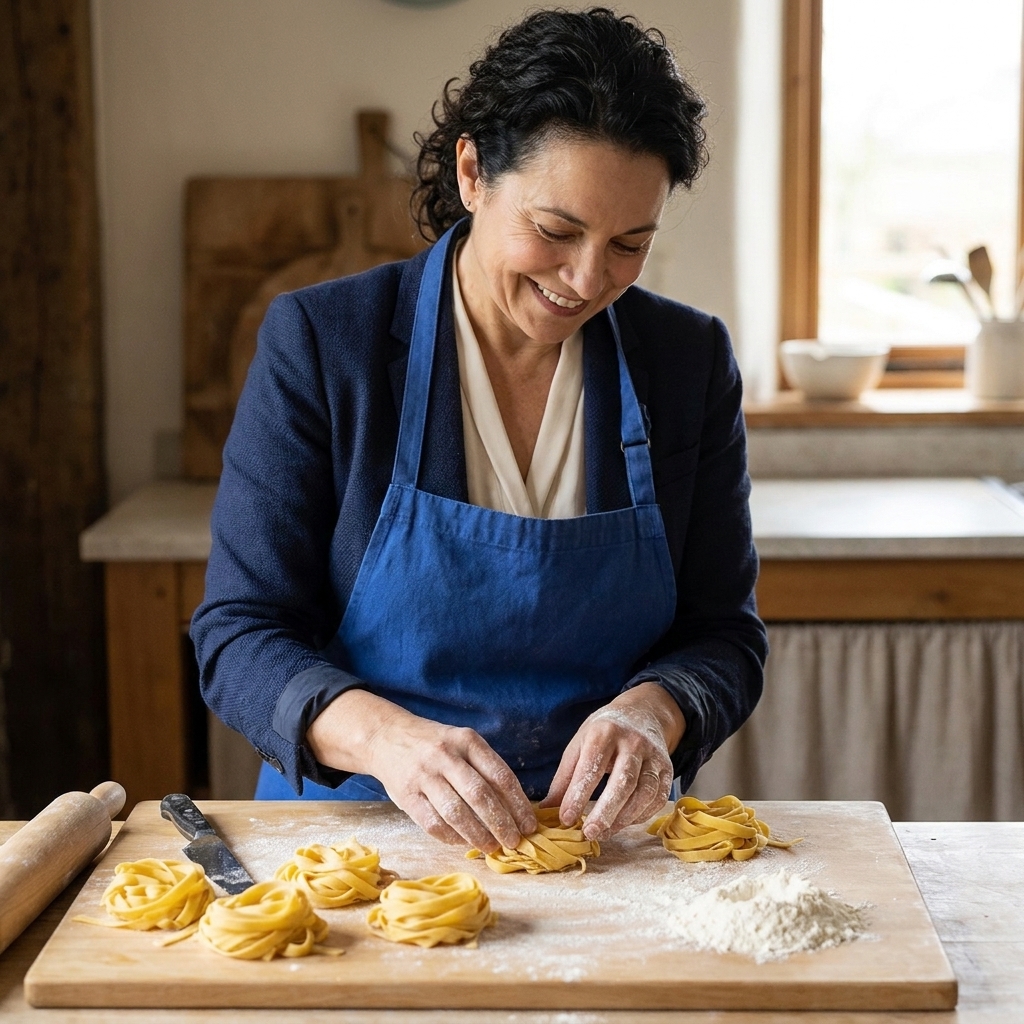
Either way, after cutting, I always toss noodles with a little semola or flour and lay them in loose nests. If you pile fresh noodles straight on top of each other, they will fuse into one big, dramatic pasta blanket.
Common issues
Dough sticking to the rollers
- Cause: dough is too wet or not rested enough.
- Fix: dust lightly with flour, and rest the dough 20 to 30 minutes wrapped. You want the flour fully hydrated.
Jagged edges and tearing
- Cause: dough too dry, or you are skipping thickness settings.
- Fix: knead in water a few drops or a teaspoon at a time if needed, then rest. Roll gradually from thick to thin, folding the sheet once or twice at the thickest setting to smooth it out.
Sheets getting too long
- Cause: you are rolling one huge piece.
- Fix: cut the dough into smaller portions. You will get more control and less countertop chaos.
Machine shifting or wobbling
- Cause: unstable clamp point or not fully seated attachment.
- Fix: clamp to a thicker surface (a sturdy board can help), tighten firmly, and keep the feed straight so the sheet is not pulling sideways.
Compatibility and safety
Compatibility
Stand mixer attachments are not universal. Before you buy, confirm the attachment is made for your mixer brand and hub style, and double-check any model-specific notes. This one small step saves a lot of returns and a lot of swearing.
Safety
Powered rollers move fast. Keep fingers, sleeves, hair, and jewelry away from the rollers, and never use utensils to push dough through. Guide the dough with your hands on the sheet itself and pause the mixer if anything starts to bunch.
My picks
Best manual machine
Marcato Atlas 150. It is the classic for a reason: sturdy, smooth to crank, and consistent. If you want a manual machine that feels like it will still be in your kitchen years from now, this is the one I would start with.
Best manual value
Imperia pasta machine. A longtime favorite with a traditional feel and a price that is often a little friendlier. Like any machine, it rewards careful handling and proper cleaning, but it is a solid entry into the “real” pasta rhythm.
Best stand mixer roller set
KitchenAid 3-piece pasta roller and cutter set. If you already own a KitchenAid stand mixer, this is the straightforward, reliable add-on that turns pasta into a weeknight possibility. It is especially nice for big batches where your arms would otherwise tap out.
Best for small storage
A compact manual machine with a clamp usually wins here, simply because it is lighter and easier to stash than hauling out a mixer. If clamping is a problem in your kitchen, though, a mixer attachment can still be the better choice if your mixer stays out and stable.
My honest take
Choose a manual machine if you want:
- More tactile control and a gentle learning pace
- A simple tool with fewer parts and no motor
- A smaller setup you can stash easily
- The classic hands-on pasta-making experience
Choose a stand mixer attachment if you want:
- Speed and less arm work, especially for big batches
- Both hands free to guide, flour, and catch sheets
- A setup that integrates with a mixer you already use often
- A more efficient solo workflow in many kitchens
If you want my “Sunday dinner” answer: the manual machine feels like tradition. If you want my “Tuesday at 6:12 pm and everyone is hungry” answer: the stand mixer attachment feels like a lifesaver.
Quick checklist
- I cook pasta once in a while: manual machine
- I cook pasta often and make big batches: mixer attachment
- I have limited clamping options: mixer attachment
- I have limited counter space for a mixer: manual machine
- I want to learn by feel and go slow: manual machine
- I usually cook alone: mixer attachment
FAQ
Do stand mixer attachments make better pasta than a manual machine?
Not automatically. With good dough and proper resting, both can make beautiful sheets. The difference is more about workflow: mixer attachments are often faster and easier for solo rolling, while manual machines give you more hands-on control.
Is a manual pasta machine hard to use?
It is very learnable. The first batch is mostly about getting the dough texture right and remembering to flour lightly. After that, it becomes muscle memory.
Can I roll very thin sheets for ravioli with both?
Yes. The key is resting the dough and moving down the thickness settings gradually. If your sheet is tearing, it is usually a dough hydration issue, not a tool issue.
Which is easier to clean?
Manual machines often feel easier because there are fewer pieces. For both types, let bits of dough dry, then brush out. Avoid water on rollers unless your manufacturer explicitly says it is safe.
What matters more than the machine itself?
Dough consistency and rest time. A dough that is smooth, firm, and well-rested rolls like a dream on almost anything. A sticky, rushed dough will fight you even with the fanciest attachment.