If your idea of lasagna is a thick blanket of ricotta and stretchy mozzarella, you are not wrong. You are just thinking of a different, very delicious branch of the family tree. Lasagna alla Bolognese is the northern Italian classic: slow ragù, tender pasta sheets, and a soft, creamy béchamel that bakes into something almost custardy between the layers. No big cheese pull. No heavy ricotta layer. Just a pan that slices cleanly and tastes like Sunday.
I learned this version the way I learned most of what I cook, standing at the edge of the kitchen while the grown-ups talked and stirred and tasted. It is a recipe built on patience, but I promise you it is not fussy. If you can simmer a sauce and whisk a white sauce, you can make this lasagna.
Makes: one 9x13 inch pan (serves 8 to 10)
Time: about 1 hour active, 3 to 4 hours total (ragù does most of the work)
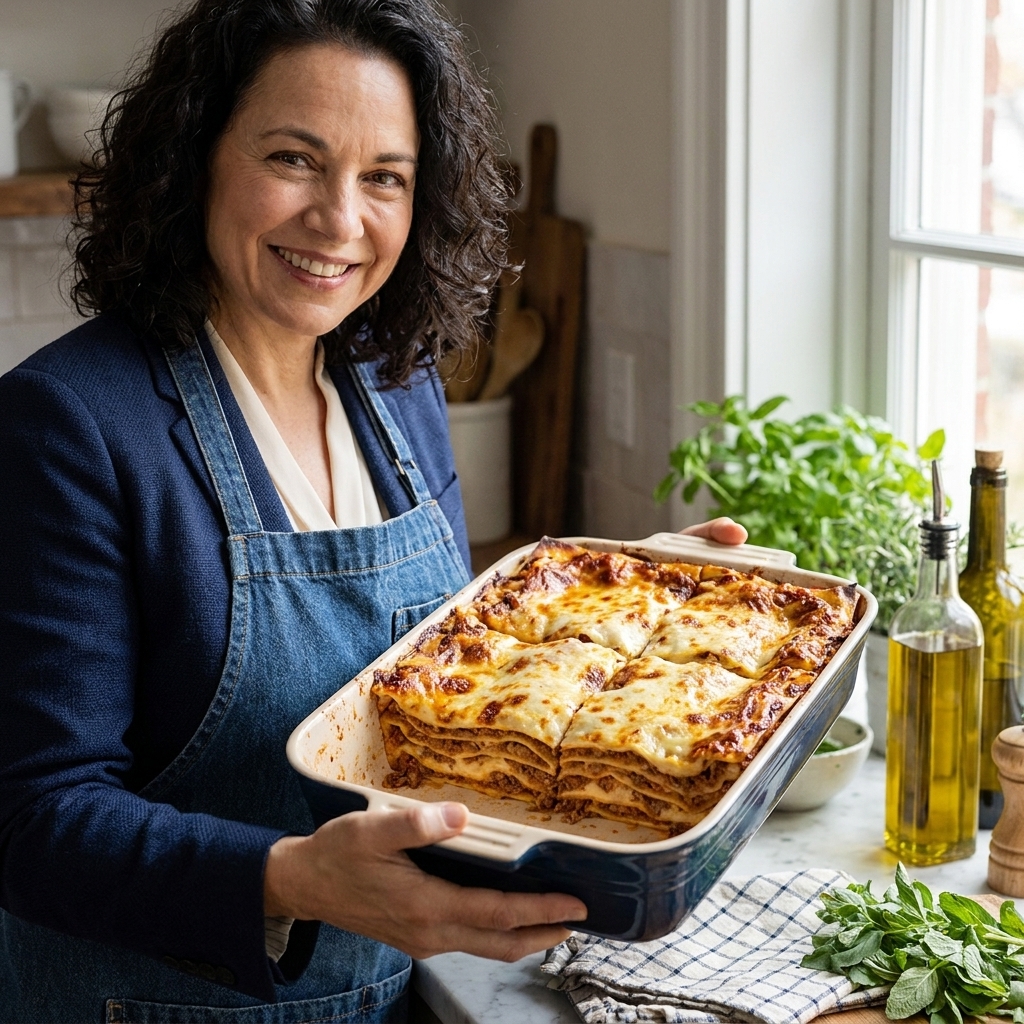
What makes it authentic
In Bologna and across Emilia-Romagna, traditional lasagna is about balance and restraint. Here is what you are aiming for.
- Ragù alla Bolognese that is meaty, gently sweet from soffritto, and simmered until it looks cohesive, not soupy.
- Béchamel that is smooth and pourable, like warm heavy cream with a little body, not thick like glue.
- Fresh pasta sheets, ideally egg pasta. In many classic versions, spinach pasta is also common, especially around Emilia-Romagna.
- Parmigiano-Reggiano for salty depth, not a mountain of shredded cheese.
Think of it this way: the ragù brings richness, the béchamel brings tenderness, the pasta brings structure, and the Parmigiano ties it all together.
Ingredients
For the ragù alla Bolognese
- 2 tbsp extra-virgin olive oil
- 2 tbsp unsalted butter
- 1 medium onion, very finely diced
- 1 medium carrot, very finely diced
- 1 celery stalk, very finely diced
- 3 to 4 oz pancetta (or unsmoked bacon), finely chopped
- 1 lb ground beef (80 to 85 percent lean)
- 1/2 lb ground pork
- 1 cup dry white wine (or dry red)
- 2 tbsp tomato paste
- 1 (28 oz) can whole peeled tomatoes, crushed by hand (or 2 to 3 cups passata)
- 3/4 to 1 cup whole milk (timing varies, see method)
- 1 bay leaf (optional)
- Salt and black pepper
- Freshly grated nutmeg (a small pinch, optional but lovely)
For the béchamel
- 6 tbsp unsalted butter
- 1/2 cup all-purpose flour
- 4 to 5 cups whole milk, warmed
- 1 1/2 tsp kosher salt, plus more to taste
- 1/4 tsp freshly grated nutmeg
Béchamel yield note: With 5 cups milk, you will have a generous amount (usually around 5 to 6 cups finished sauce), which is perfect for thin, plentiful layers. If you are making fewer layers or your pan is a bit smaller, start with 4 cups milk and add more only if you want it looser.
For assembling
- Fresh pasta sheets for lasagna (homemade or store-bought fresh), enough for 5 to 7 layers in a 9x13 pan (often 18 to 24 sheets depending on size)
- 2 to 2 1/2 cups finely grated Parmigiano-Reggiano
- Butter for the baking dish
Ingredient note: If you only have dried lasagna noodles, you can still make a wonderful pan. Cook them just shy of al dente and cool on sheet pans. Fresh sheets are the traditional feel and the tenderness is hard to beat, but do not let dried noodles stop you.
Step 1: Build the ragù
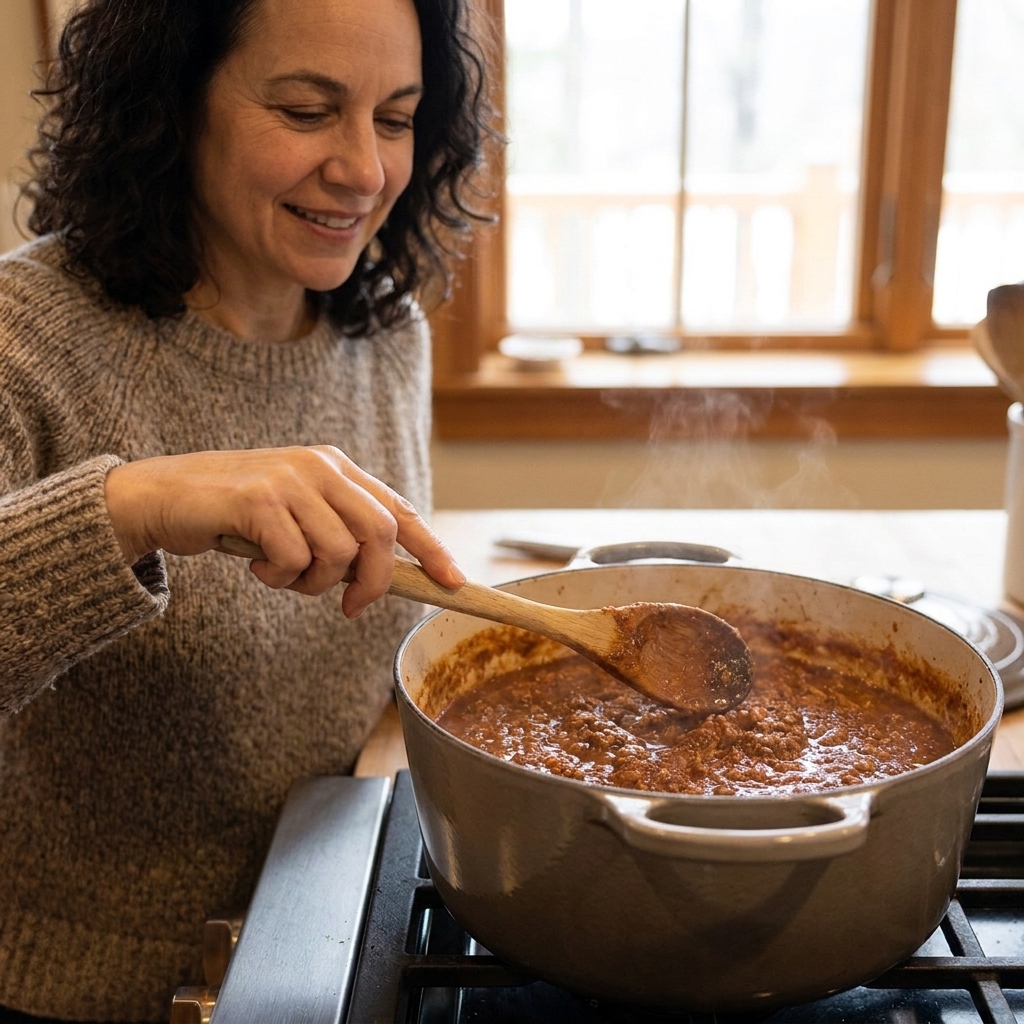
Ragù is not hard, it is simply unhurried. Set yourself up with a heavy pot or Dutch oven and a wooden spoon.
1) Start with soffritto and pancetta
Warm the olive oil and butter over medium heat. Add onion, carrot, celery, and pancetta with a pinch of salt. Cook 10 to 15 minutes, stirring often, until the vegetables look glossy and softened. You should smell sweetness, not raw onion. If anything is browning fast, lower the heat. This step is foundation, not caramelization.
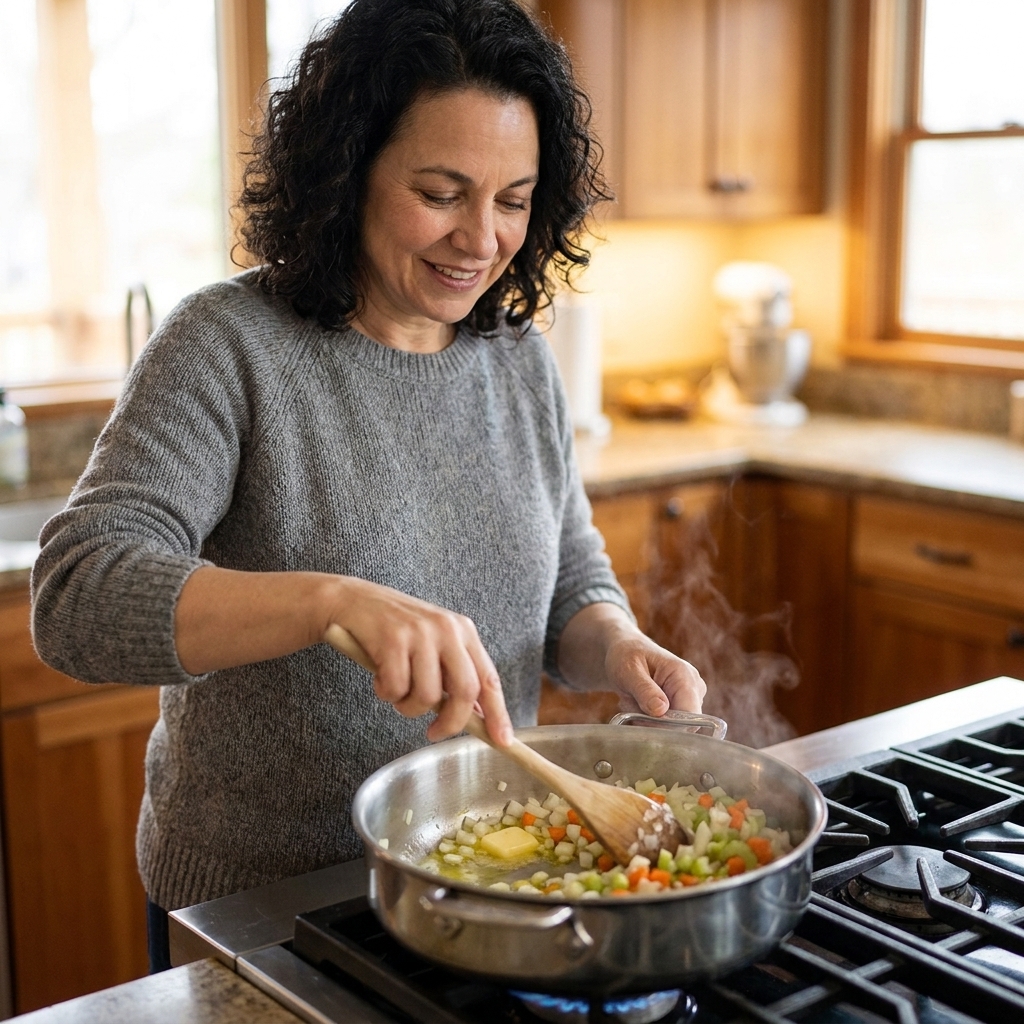
2) Brown the meat gently
Add the beef and pork. Break it up well, then cook until you do not see pink and some parts take on a light brown edge, about 8 to 10 minutes. You should hear a gentle sizzle. You are not aiming for a hard sear with lots of dark bits.
Kitchen cue: You want the meat to go from wet and steamy to smelling like dinner. If you hear fierce sizzling and see lots of dark bits, your heat is too high for this style of ragù. Moderate browning is perfect.
3) Wine, then tomato, then milk (one classic path)
Pour in the wine and scrape the bottom. Simmer until the wine is mostly evaporated, 3 to 5 minutes.
Stir in tomato paste and cook 1 minute. Add the crushed tomatoes and bay leaf if using. Bring to a gentle simmer.
Now add the milk. In many traditional versions of ragù alla Bolognese, milk shows up at some point. Some cooks add it before the tomatoes, some after, some in smaller additions toward the end. This version adds it here to soften acidity and help the meat turn tender and silky.
4) Slow simmer
Partially cover and simmer on low for 2 1/2 to 3 1/2 hours, stirring every so often. If it starts to look dry, add a splash of water or milk. If it looks too loose, uncover for the last 30 minutes.
Finished ragù should look like: thick and spoonable, with the fat and sauce emulsified. When you drag a spoon through it, it should leave a trail for a second before slowly filling in.
Taste and adjust salt and pepper. Add a tiny pinch of nutmeg if you like.
Salt note: Pancetta and Parmigiano vary, so I start lightly (a small pinch early, then a more confident seasoning near the end) and let the finished taste decide.
Step 2: Make silky béchamel
Béchamel can feel intimidating until you make it once. After that, it becomes one of those sauces you do on autopilot while talking to someone in the kitchen.
1) Warm the milk
Warm milk until it is steaming but not boiling. Warm milk blends in smoothly and helps prevent lumps.
2) Make the roux
In a saucepan over medium heat, melt butter. Whisk in the flour. Cook 2 minutes, whisking constantly, until it smells lightly toasted, like warm shortbread. It should not brown.
3) Whisk in milk gradually
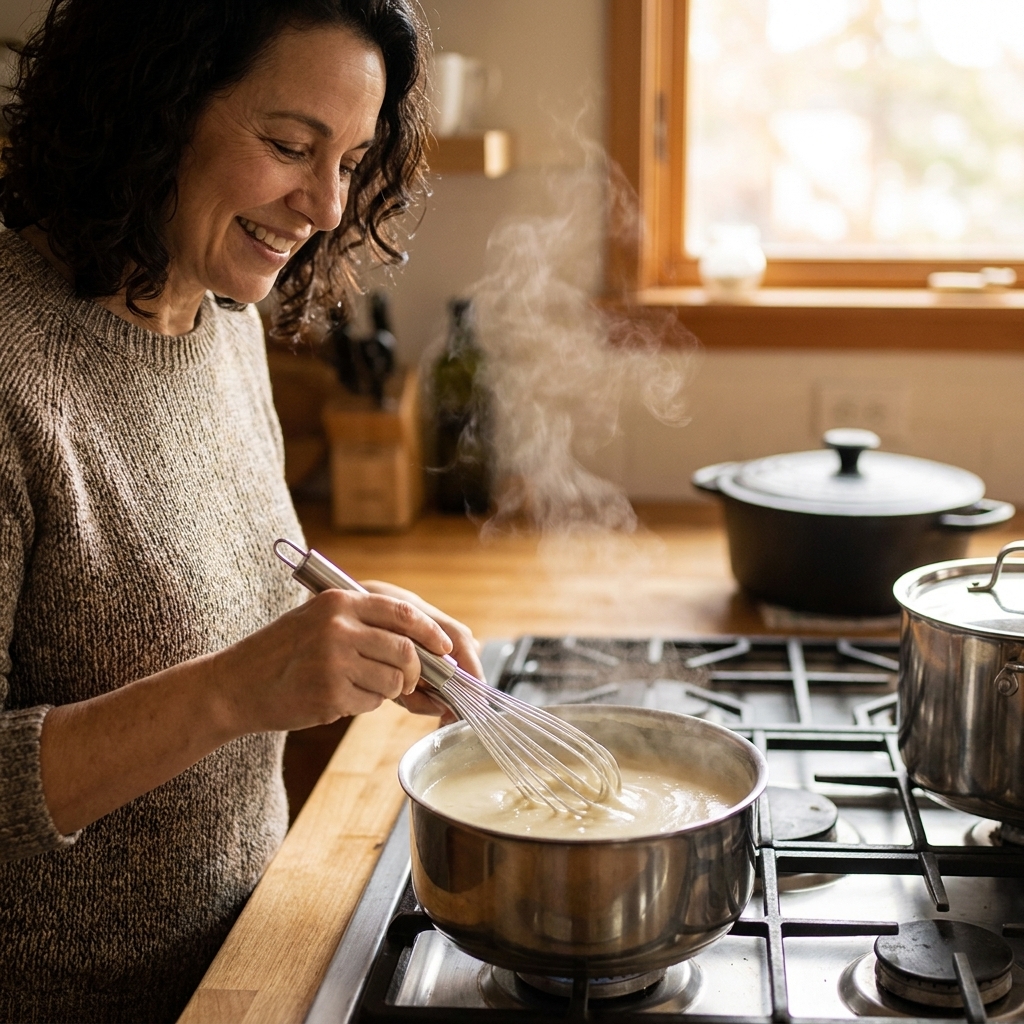
Add a splash of warm milk first and whisk until smooth, then add the rest in a steady stream, whisking. Bring to a gentle simmer and cook 6 to 8 minutes, whisking often, until it coats the back of a spoon.
Season with salt and nutmeg. For lasagna, you want béchamel that pours easily, like heavy cream plus a little thickness. It will thicken more in the oven. If it feels too thick, whisk in a little more warm milk.
Step 3: Pasta sheets
If using fresh pasta sheets
Fresh sheets can be used a few ways. Many homemade sheets (and some thicker fresh sheets) benefit from a quick blanch so they do not turn gummy in the oven. Some store-bought fresh sheets are labeled oven-ready and can go straight into the pan.
If you want to blanch: bring a wide pot of salted water to a boil. Drop in a sheet for 20 to 30 seconds, just until it relaxes. Lift out and lay flat on a clean towel. Repeat.
If using dried noodles
Boil until very al dente, 2 minutes shy of the box time. Drain, rinse briefly to stop cooking, and lay flat on towels. A light brush of olive oil helps prevent sticking if you need extra time.
Step 4: Layer
Preheat the oven to 375°F (190°C). Butter a 9x13 inch baking dish (or similar). A deeper dish gives you more layers, but a standard 9x13 works beautifully.
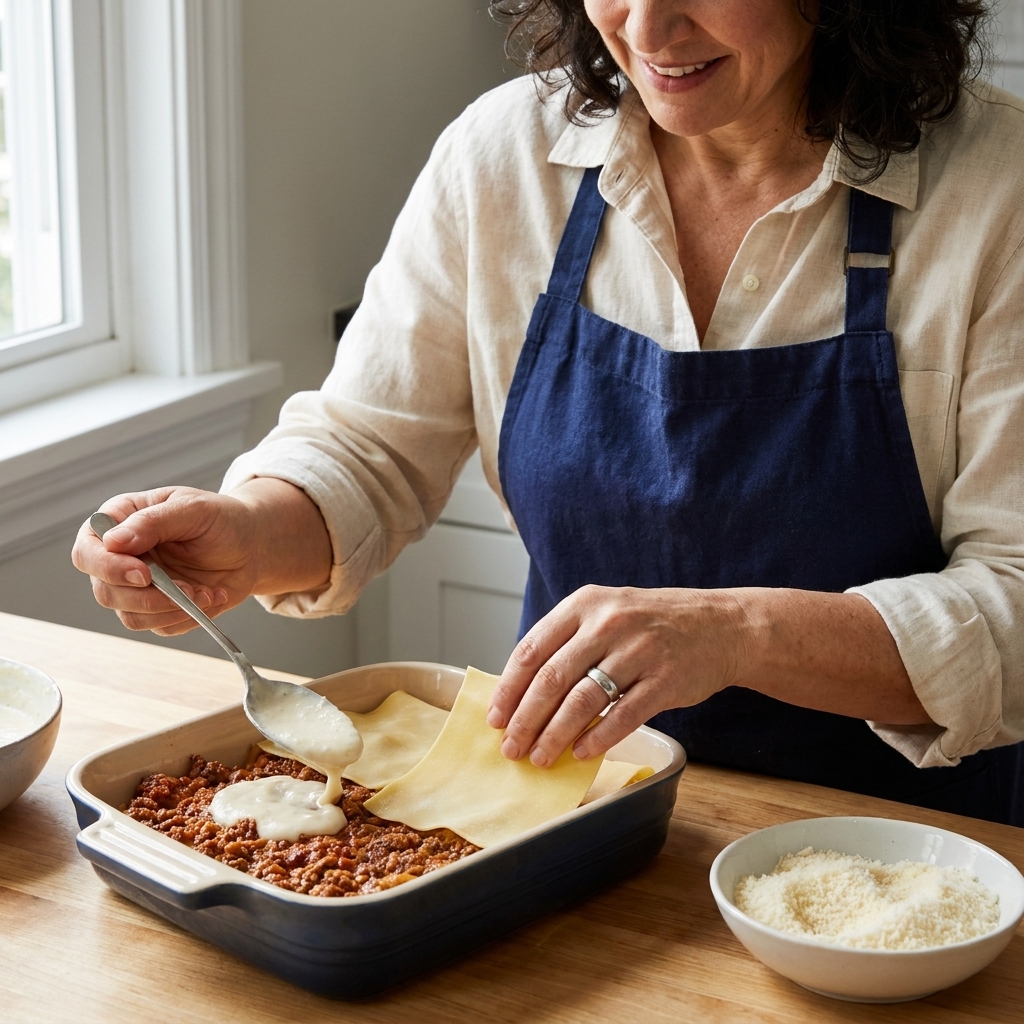
The rhythm is simple: béchamel, pasta, ragù, béchamel, Parmigiano. Repeat until your dish is full, finishing with béchamel and Parmigiano.
Layering order
- Thin béchamel layer on the bottom, just enough to coat.
- Pasta sheets, trimmed to fit.
- Ragù, spread in a thin, even layer. Do not pile it on. Thin layers are the whole point.
- Béchamel, a light drizzle or thin spread.
- Parmigiano, a snowfall, not a blizzard.
- Repeat for 5 to 7 layers, depending on your dish depth and how thin your components are.
- Finish with béchamel and a generous dusting of Parmigiano.
Kitchen cue: When you spread ragù, you should still be able to see hints of pasta underneath. If it looks like a thick meat layer, your slice will eat heavy instead of melting together.
Step 5: Bake and rest
Bake
Cover loosely with foil (do not let it touch the top) and bake 25 minutes. Uncover and bake another 20 to 25 minutes, until bubbling at the edges and lightly browned on top.
Rest
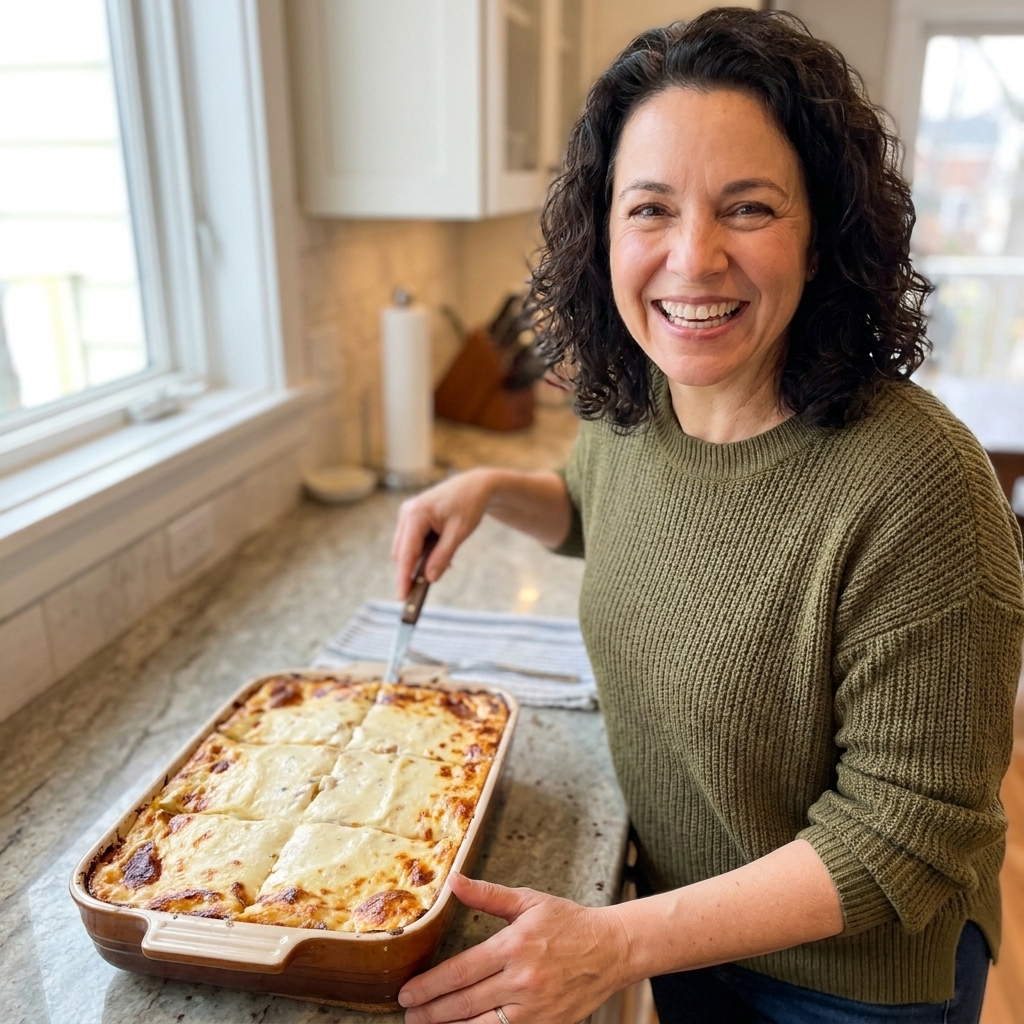
Let the lasagna rest 20 to 30 minutes before slicing. This is not optional if you want clean pieces. The layers settle, the sauces thicken slightly, and everything tastes more unified.
Serving note: Lasagna alla Bolognese is even better warm than piping hot. That is when you taste the ragù most clearly.
Timing plan
- Day 1: Make ragù (it improves overnight). Cool, then refrigerate.
- Day 2: Make béchamel, prep pasta, assemble, bake.
- Same day: Start ragù in the afternoon, béchamel while it finishes, assemble and bake for dinner.
If you are cooking for guests, I strongly recommend making the ragù the day before. You will feel calm and quietly pleased in the best way.
Common problems
My lasagna is watery
- Ragù was too loose: simmer longer uncovered to thicken.
- Béchamel was too thin: cook it a few minutes longer until it coats a spoon.
- Not enough resting time: give it 30 minutes before slicing.
It tastes flat
- Under-salted béchamel is the biggest culprit. Taste it before assembling.
- Use enough Parmigiano. It is seasoning as much as it is cheese.
- Ragù needs time: if it only simmered an hour, it will taste sharp and separate.
Top is browning too fast
Tent with foil and lower the oven to 350°F (175°C) for the remaining bake.
Layers slide when I cut it
Either the lasagna is too hot, or your sauces are too loose. Rest longer, and next time thicken ragù and béchamel slightly.
Make-ahead and storage
Make-ahead
You can assemble the whole lasagna up to 24 hours ahead. Cover and refrigerate. Let it sit at room temperature 30 minutes before baking, then bake as directed. You may need an extra 10 minutes covered.
Freezing
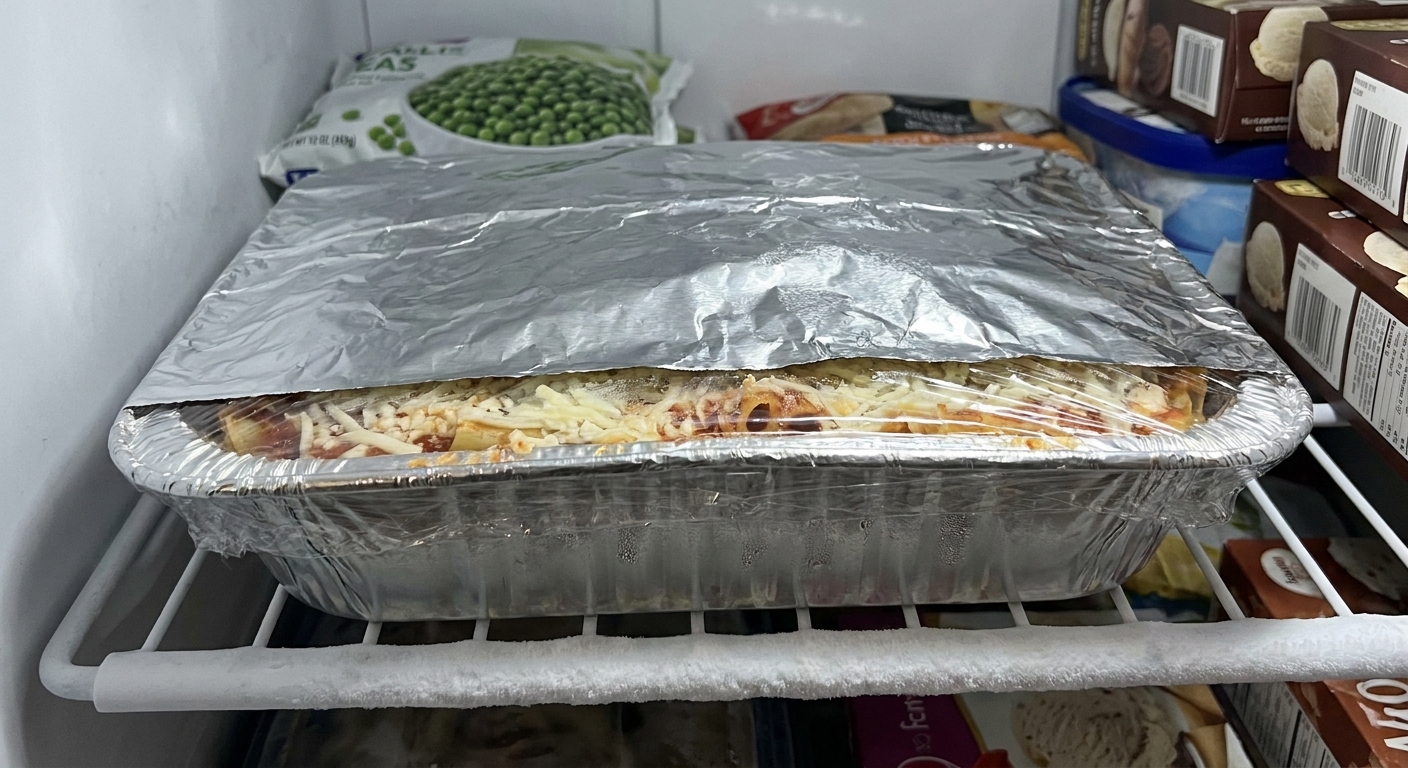
Freeze baked or unbaked. My preference is freeze unbaked for the freshest texture.
- Unbaked: assemble in a freezer-safe dish, wrap tightly in plastic wrap, then foil. Freeze up to 3 months.
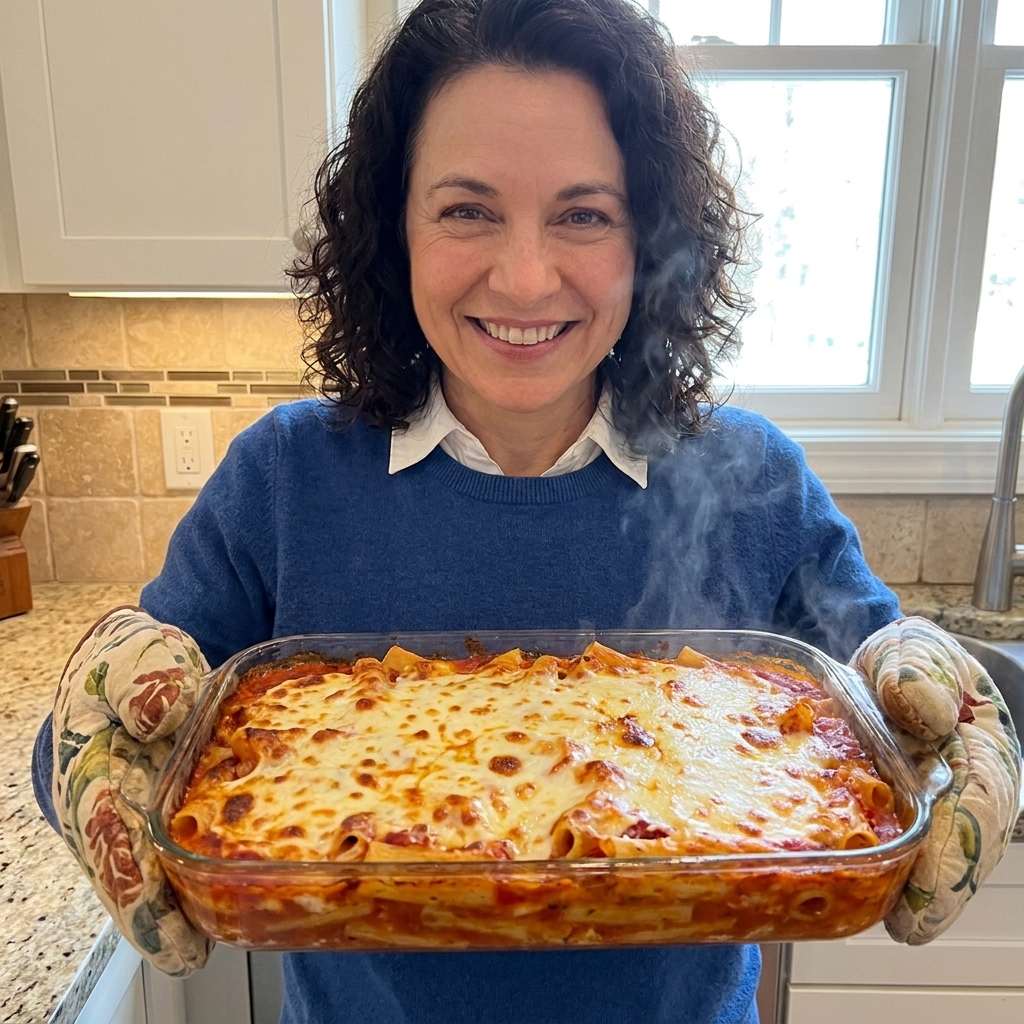
- Bake from frozen: cover and bake at 350°F (175°C) until the edges are bubbling and the center is hot. This is often 70 to 95 minutes covered, then 15 to 25 minutes uncovered to brown, depending on pan depth and material. If you like a hard cue, aim for the center to reach about 165°F (74°C).
Leftovers
Cover and refrigerate leftovers up to 4 days. Reheat slices covered in a 350°F (175°C) oven until hot, 15 to 25 minutes depending on thickness. Add a spoonful of milk or water to the pan to keep it moist. For a larger portion, reheat covered until bubbling at the edges and hot through the middle.
Serving ideas
This lasagna is rich but not heavy in a cheesy way, so keep the sides simple.
- Insalata verde with lemon and olive oil
- Roasted fennel or broccolini with garlic
- Crusty bread to catch the saucy edges
FAQ
Is there ricotta in Lasagna alla Bolognese?
Traditionally, no. The creaminess comes from béchamel. Some families add a very light layer of soft cheese in other regions, but classic Bolognese style relies on ragù, béchamel, Parmigiano, and pasta.
Do I need mozzarella?
No. Parmigiano-Reggiano is the cheese here. If you add mozzarella, the lasagna becomes a different style, still good, just not the traditional northern version.
Can I use all beef?
Yes. Pork adds sweetness and tenderness, but all beef works. If your beef is very lean, add a touch more butter or a drizzle of olive oil to keep the ragù lush.
How many layers should I do?
Aim for 5 to 7 layers. More thin layers beat fewer thick ones every time. The goal is a slice where you can see the pattern, but it still eats like one cohesive bite.
A final nudge
If you have been putting off “real” lasagna because it sounds like a project, let this be your sign. Make the ragù on a quiet afternoon, let the kitchen smell like simmering comfort, and do the layering when you are ready. When you pull that bubbling pan from the oven and the top is bronzed and the corners are crisp, you will understand why this version has lasted for generations.