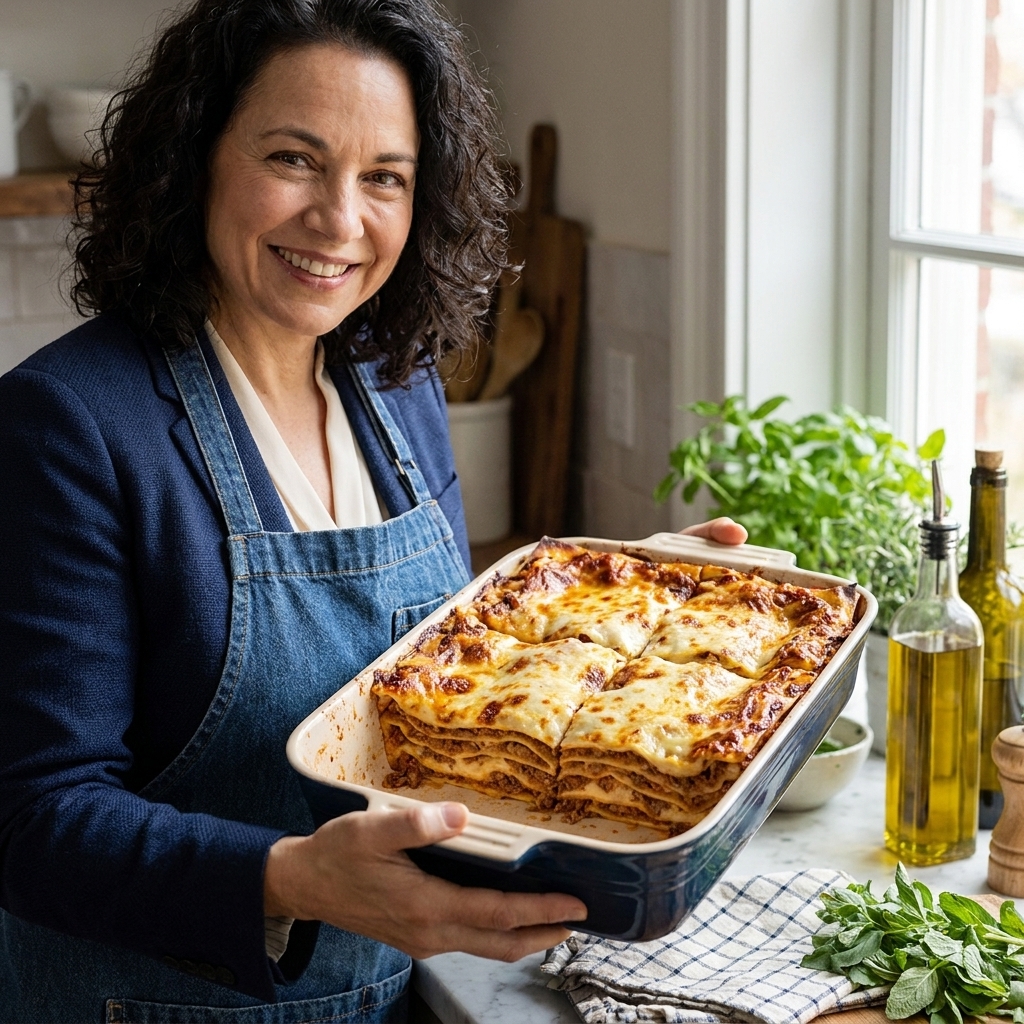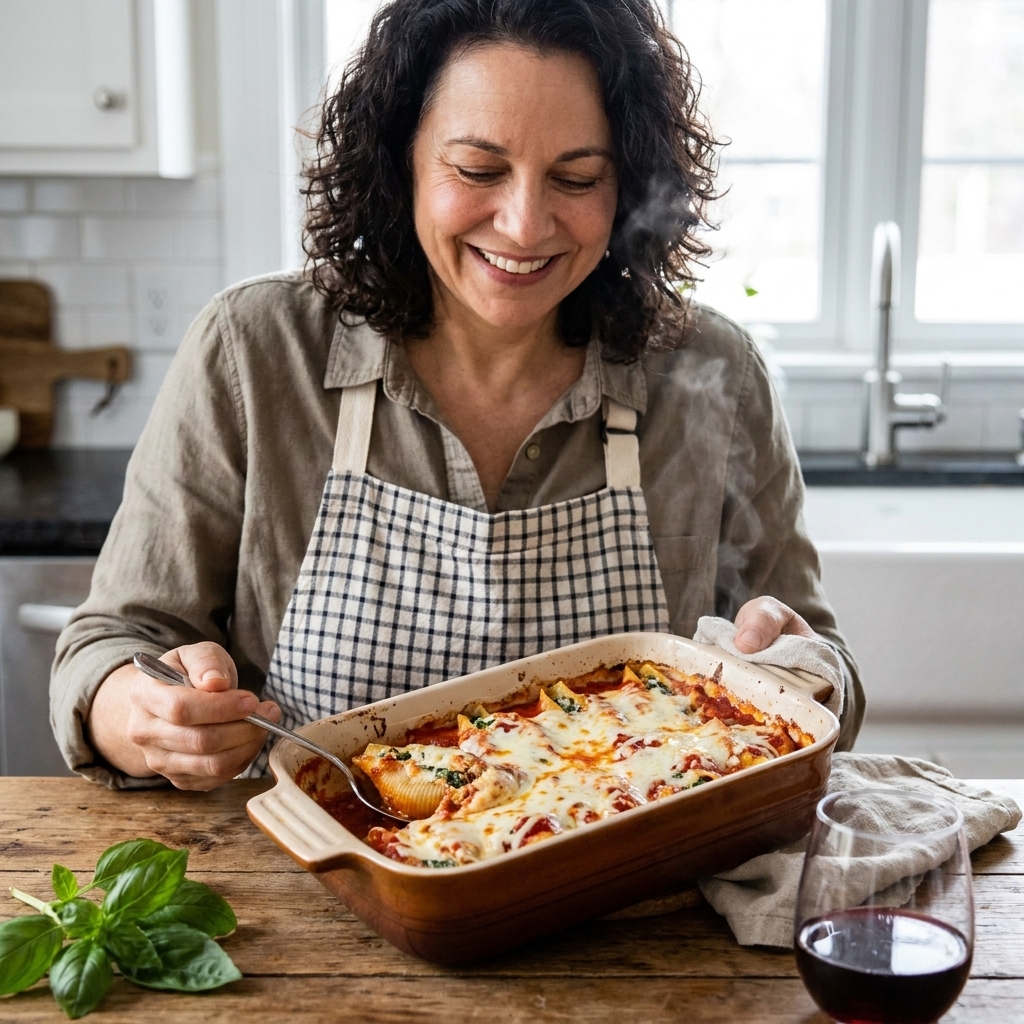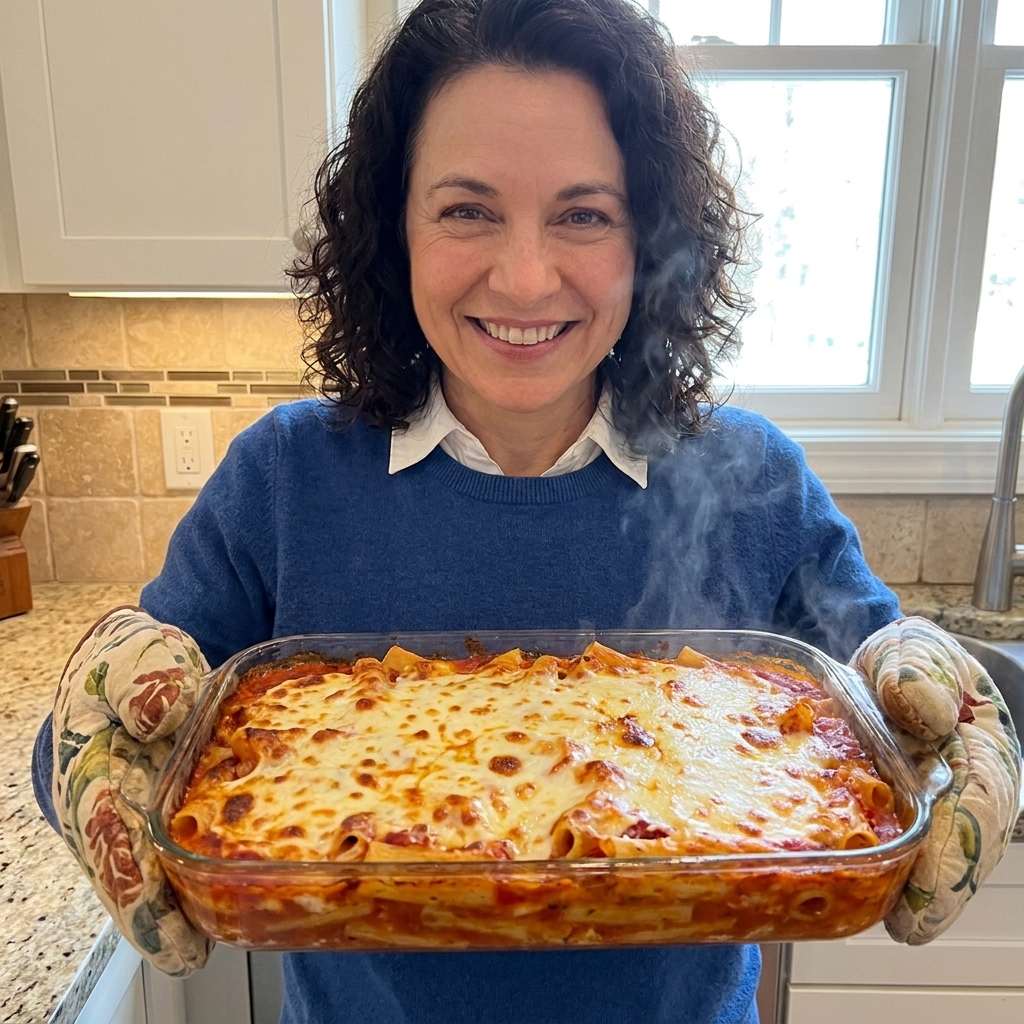
There are two kinds of cozy baked pasta nights in my house. The kind where everything turns silky and spoonable, with that pale-gold, creamy blanket you only get from béchamel. And the kind where you pull back the foil and see little pockets of ricotta, puffed and tender, peeking through red sauce like clouds.
Both are classic. Both are delicious. But they behave differently in the oven, and they can go wrong if you treat them the same way.

Let’s talk about what each base actually does in a baked pasta, how it holds up under heat, and how to choose the one that fits the dish you want to serve.
What each base does
Béchamel: silky, saucy, and smooth
Béchamel is a white sauce made from butter, flour, and milk. In baked pasta, its job is to add creaminess in a smooth, unified way. When properly made, it stays velvety, melts into gaps between pasta sheets or ridged tubes, and bakes into a cohesive layer instead of separate pockets.
Flavor-wise, béchamel is gentle and milky. It tastes like warm dairy and whatever you season it with. A pinch of nutmeg is often used in northern Italian-style béchamel, but salt and a little black pepper are enough to keep it classic.
Ricotta: rich, tender, and rustic
Ricotta is a fresh cheese, so it behaves like a filling more than a sauce. It gives you creamy bites rather than an all-over creaminess, with a mild sweet-dairy richness (and, depending on the brand, a faint tang) that plays beautifully with tomato sauce.
Most baked pasta recipes use ricotta as a mixture, not plain scoops. When you stir in egg, herbs, and sometimes mozzarella or Parmigiano, it becomes more cohesive and bakes up soft and sliceable instead of watery.
- If you want a smooth, restaurant-style creamy layer: béchamel.
- If you want pillowy pockets of cheese and a heartier feel: ricotta.
Texture: the real difference
How béchamel serves
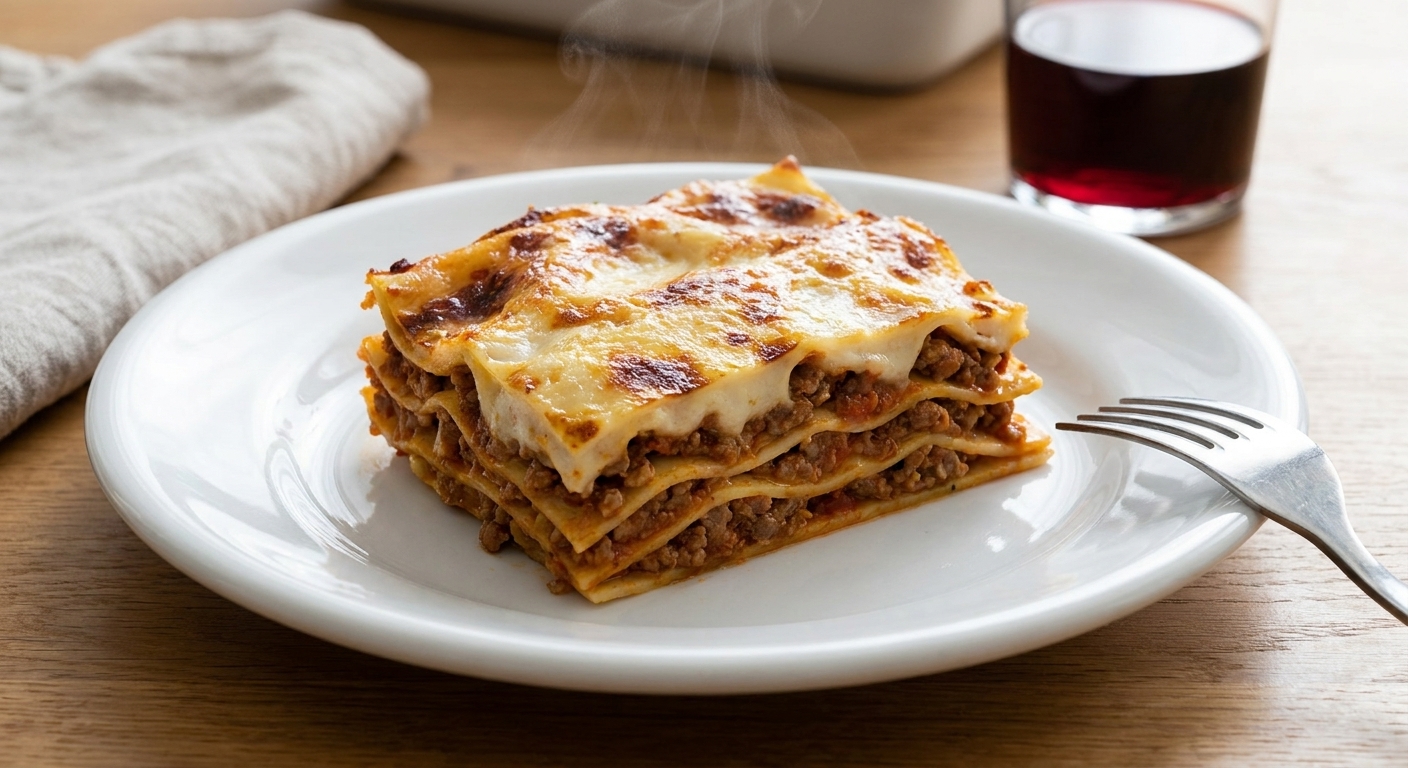
A good béchamel stays glossy and spoon-coating. In a baked pasta, it acts like a soft cushion between layers, so even a thick slice of lasagna feels tender on the fork. It also helps prevent that dry corner piece problem, especially around the edges of the pan.
Clara tip: if your béchamel is the consistency of pancake batter before baking, you are in a good place. If it is as thick as mashed potatoes, it can bake up heavy.
How ricotta serves
Ricotta gives structure. It holds shape in layers and stays where you put it, so your slice tends to look more defined. The tradeoff is that it can feel a bit grainy if the ricotta is dry, or if you skip the mix-ins that help it spread and soften.
Clara tip: if you want ricotta that eats creamy, choose whole-milk ricotta and stir it until it loosens up. It should spread like soft frosting, not crumble like feta.

Flavor matchups
Béchamel loves subtle, meaty, and earthy flavors
Because béchamel is mild, it shines when the rest of the dish has depth. It is gorgeous with:
- Ragù (beef, pork, veal, or a mix)
- Sausage and mushroom
- Roasted vegetables like squash or cauliflower
- Spinach and Parmigiano for a white lasagna
Ricotta loves bright tomato sauce and bold herbs
Ricotta’s mellow richness is a natural partner for red sauce. It is especially good with:
- Classic marinara or Sunday gravy (a long-simmered Italian-American tomato sauce, often with meat)
- Spicy arrabbiata
- Lots of fresh herbs like parsley and basil
- Garlic-forward sauces that need something softening
Moisture and watery bakes
If you have ever pulled a baked ziti from the oven and found a puddle at the bottom, you already know this is the make-or-break issue.
Béchamel moisture rules
- Cook the flour properly: let the butter and flour bubble for a minute or two before adding milk so it thickens reliably.
- Warm milk helps: it reduces lumps so you do not whisk yourself into a frenzy.
- Do not make it too thin: if your sauce looks like plain milk, it will not thicken enough in the oven.
Ricotta moisture rules
- Drain if needed: if your ricotta looks wet or has liquid in the container, spoon it into a fine-mesh strainer for 15 to 30 minutes.
- Add egg for stability: often, 1 egg per 15 ounces of ricotta is enough to help it set, but use less for a looser bake and more only if you want a firmer slice.
- Go easy on extra liquids: chopped spinach should be squeezed dry, and sauces should be simmered until thick, not soupy.
Clara cue: tomato sauce for baked pasta should taste lively and a touch salty, and it should coat a spoon without running off like broth.
Quick fixes
If béchamel is lumpy or too thick
- Lumpy: whisk off the heat for a moment, then return to low heat. If it is stubborn, run it through a fine-mesh strainer or blitz with an immersion blender.
- Too thick: whisk in warm milk a splash at a time until it loosens to a pourable, spoon-coating sauce.
If ricotta is watery or too stiff
- Watery: drain it, then stir in Parmigiano or mozzarella to help bind, and make sure your red sauce is not thin.
- Too stiff: stir vigorously, then loosen with a spoonful or two of milk or a ladle of warm sauce until it spreads easily.
Best picks for béchamel
If you are standing in your kitchen wondering, “When is béchamel the right call?” start here:
- Lasagna alla Bolognese: the classic Emilia-Romagna style often uses béchamel instead of ricotta for that silky slice.
- White lasagna: béchamel plus cheese is the backbone of spinach, mushroom, or chicken lasagna without tomato sauce.
- Creamy baked pasta with vegetables: think baked rigatoni with roasted zucchini and a little lemon zest in the béchamel.
- Anything you want to feel “melty”: béchamel flows into every bite.
Best picks for ricotta
Ricotta is your friend when you want cheesy pockets and a cozy, familiar Italian-American bake.
- Classic lasagna with marinara: especially the kind many of us grew up with, layered with ricotta and mozzarella.
- Baked ziti: dollops of ricotta throughout give you creamy surprises between the pasta and sauce.
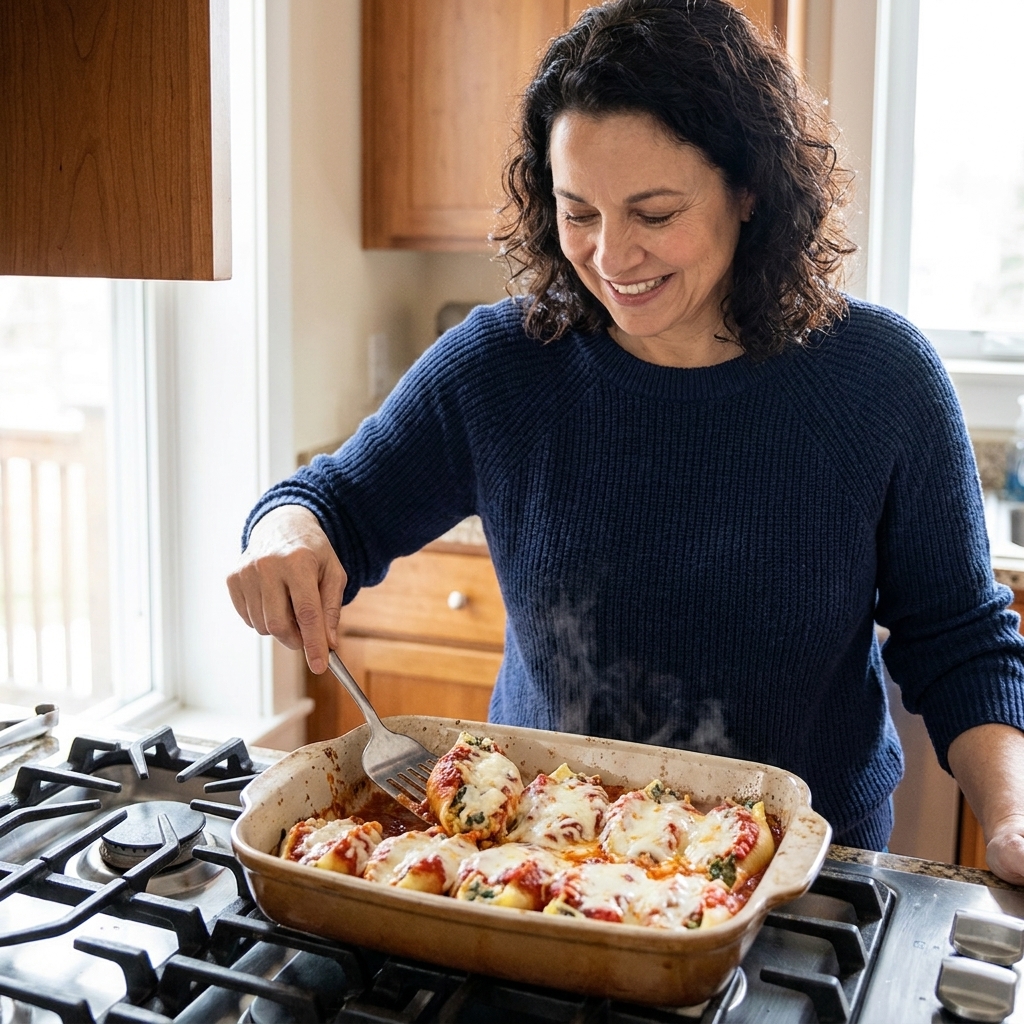
- Stuffed shells: ricotta is practically made for filling pasta, especially when mixed with herbs and Parmigiano.
- Manicotti and cannelloni: ricotta stays put inside the tubes and bakes up tender.
Can you use both?
Yes, and when it works, it is luxurious. The key is to give each one a clear role.
- Ricotta as the filling: inside shells, manicotti, or layered as a spreadable cheese mixture.
- Béchamel as the finishing blanket: a thin layer on top (or between a couple layers) to keep everything creamy and encourage gentle browning.
If you do both heavy-handed in every layer, the bake can turn dense. I like a light touch: ricotta where you want structure, béchamel where you want silk.
Quick decision guide
If you are deciding at 5:45 pm with a hungry family circling the kitchen, use this:
- Choose béchamel if you want a smooth, creamy, saucy texture and a more delicate dairy flavor.
- Choose ricotta if you want defined layers, cheesy pockets, and a mellow richness that stands up to red sauce.
- Choose both if your dish has a filling element (ricotta) but you want a silky finish (béchamel).
Swaps and add-ins
If you are working with what is in the fridge, here is what tends to translate well:
- Cottage cheese: a common ricotta swap. It is looser and more tangy, so drain it well and consider blending for a smoother texture.
- Mozzarella and Parmigiano: add melt and pull, no matter which base you choose. Think of them as your texture helpers.
- Mascarpone: can enrich béchamel or soften a ricotta mixture, but use a light hand. It is luxurious fast.
FAQ
Is béchamel more authentic than ricotta in lasagna?
They are authentic in different regions and traditions. Many northern Italian lasagnas, especially around Emilia-Romagna, use béchamel with ragù. Many southern Italian and Italian-American styles use ricotta. The most authentic version is the one that matches the dish you are making and the flavors you love.
Why does my ricotta layer turn watery?
Usually it is one of three things: the ricotta was very wet, the sauce was too thin, or vegetables (like spinach) were not squeezed dry. Draining ricotta briefly and adding egg for stability can make a big difference.
Can I make béchamel ahead?
Yes. Cool it, cover it so plastic wrap touches the surface (to prevent a skin), and refrigerate up to 3 days. Rewarm gently and whisk until smooth before layering.
Can I skip egg in ricotta mixture?
You can, especially if you like a looser, creamier feel. But if you want clean slices that hold together, egg helps the ricotta set during baking.
A final Clara note
When my grandmother taught me to layer baked pasta, she never talked in technical terms. She would just say, “This one should feel like velvet,” and “This one should feel like a soft pillow.” Béchamel is the velvet. Ricotta is the pillow.
Once you know which feeling you are aiming for, the choice gets easy, and your baked pasta gets a whole lot more reliable.