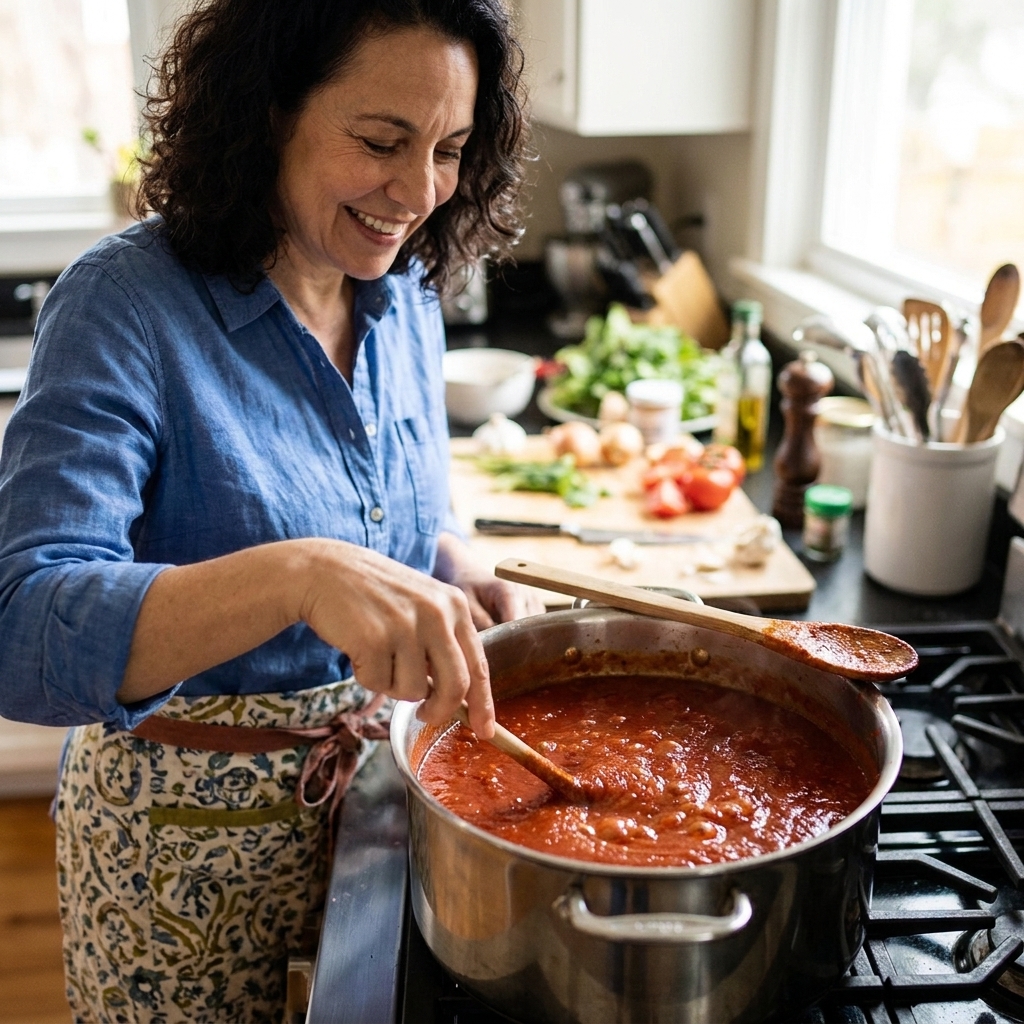
Stuffed shells are one of those dishes that feels like a Sunday hug, even when you make it on a Tuesday. The goal is simple: jumbo shells that stay tender (no tearing), a filling that is creamy (not watery), and a bake that comes out bubbling and glossy (not dried out at the edges). I will walk you through the little moves that make a big difference, like undercooking the pasta on purpose and building a soft “sauce blanket” so everything steams gently in the oven.
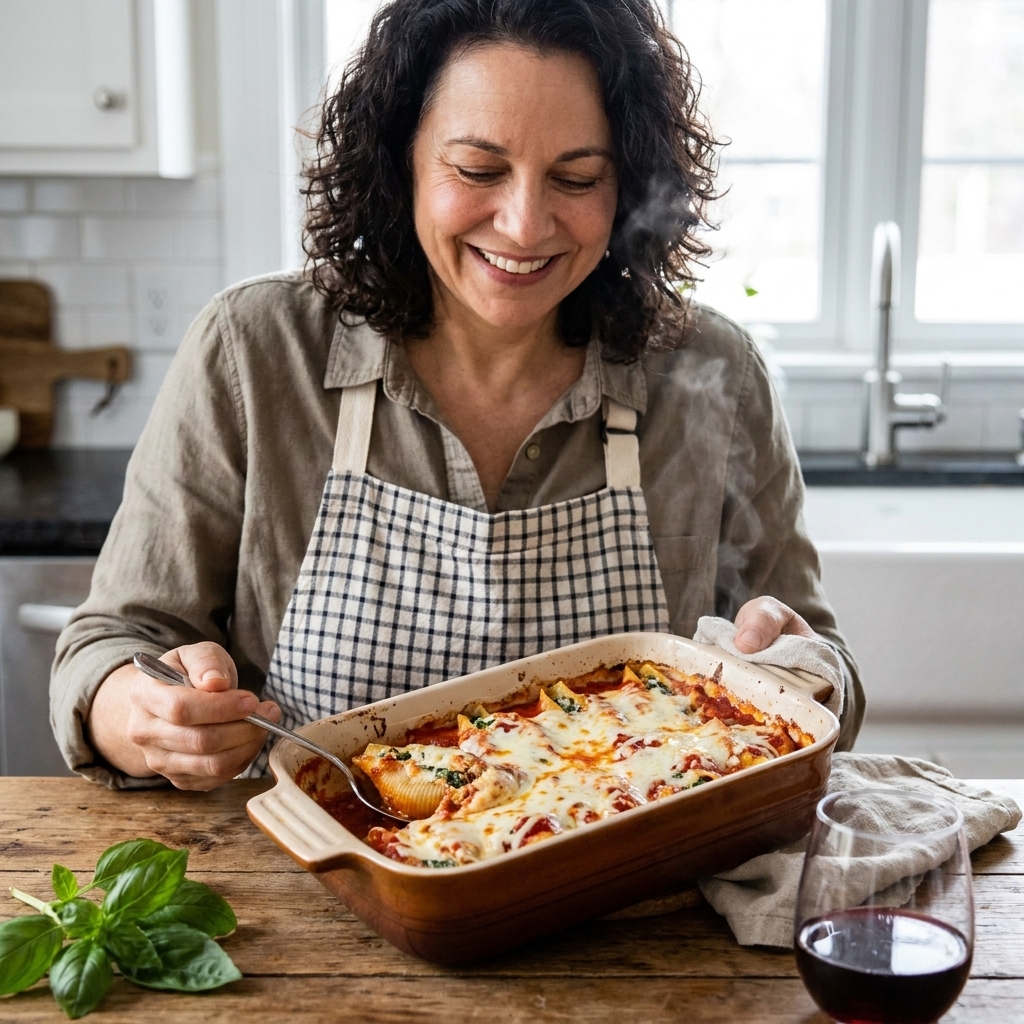
What goes wrong (and how we fix it)
- Shells tear while boiling: usually from overcooking, crowding the pot, or rough stirring. A chaotic boil can contribute too. We will cook them briefly, stir gently once, then leave them alone.
- Shells dry out in the oven: not enough sauce underneath and on top, or the pan is baked uncovered too long. We will sauce the pan generously and cover for most of the bake.
- Watery filling: ricotta that is too wet or spinach that was not squeezed dry. We will drain the ricotta if needed and wring the spinach like you mean it.
- Filling leaks out: shells are too soft or overstuffed. We will stop just shy of al dente, cool the shells, and fill them like little cups, not like balloons.
Ingredients (serves 6 to 8)
Yield: This fills about 24 to 28 shells, depending on how generously you scoop.
For the shells
- 24 to 30 jumbo pasta shells (conchiglioni), plus a few extra in case some crack
- Kosher salt for the pasta water
- 1 tablespoon olive oil (optional, for tossing after draining)
For the ricotta and spinach filling
- 30 ounces whole-milk ricotta (about 3 3/4 cups)
- 10 ounces frozen chopped spinach, thawed and squeezed very dry (or 8 to 10 ounces fresh spinach, wilted and squeezed)
- 1 cup grated Parmigiano-Reggiano (or Grana Padano)
- 1 large egg
- 1 to 2 garlic cloves, finely grated or minced
- 1/2 teaspoon kosher salt, plus more to taste
- 1/4 teaspoon black pepper
- Pinch of freshly grated nutmeg (optional but lovely)
- 1 cup shredded low-moisture mozzarella, plus 1/2 to 1 cup more for topping
For saucing and baking
- 4 to 5 cups marinara sauce, homemade or a good-quality jar
- 1/4 cup water (to loosen the sauce if it is very thick)
- Extra Parmigiano for topping
- Fresh basil or parsley (optional, for serving)
Before you start
1) Drain the ricotta if it looks wet
Not all ricotta behaves the same. If yours has liquid pooled around it or looks loose, spoon it into a fine-mesh strainer (or a cheesecloth-lined colander) set over a bowl and let it drain 15 to 30 minutes. This one step prevents that puddle-at-the-bottom situation later.
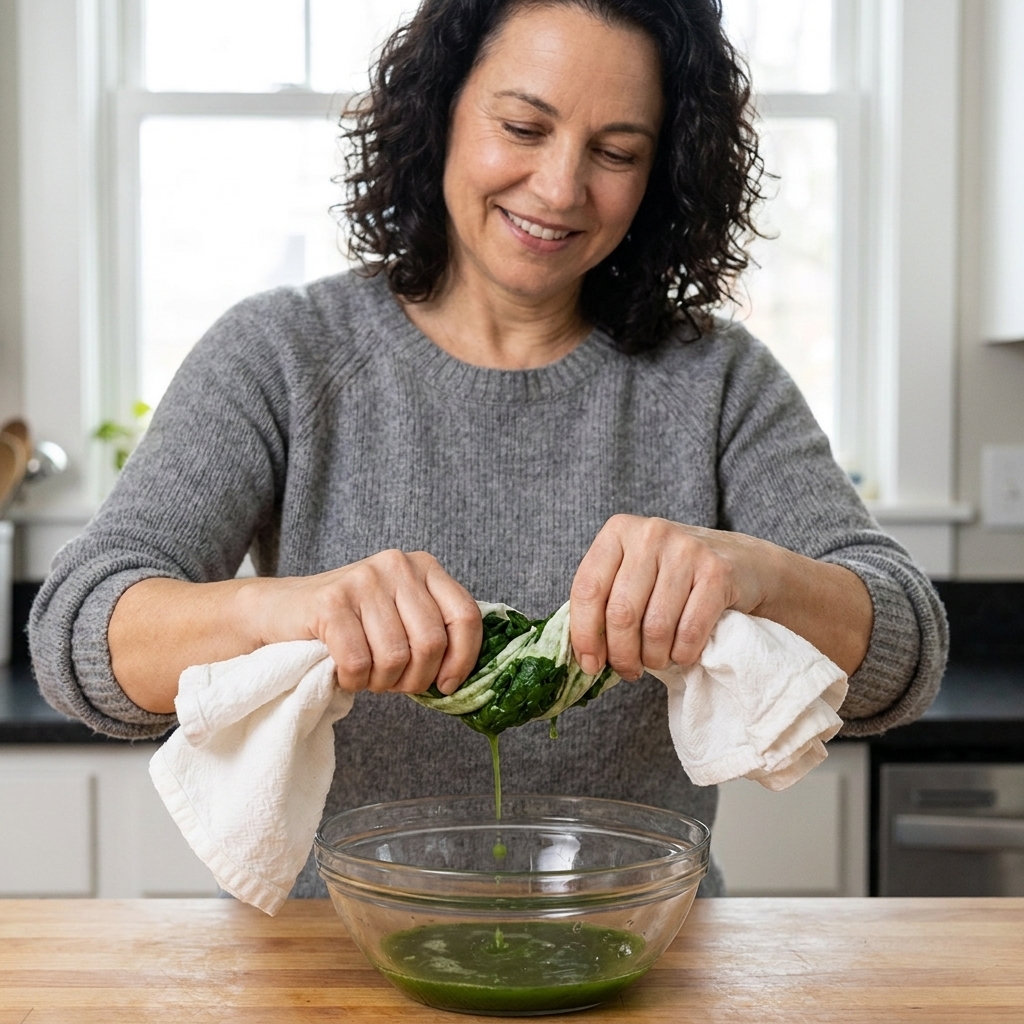
2) Squeeze the spinach until it is almost fluffy
Thawed spinach should feel like a dry, compact ball after you squeeze it. Wrap it in a clean kitchen towel (or sturdy paper towels) and wring hard. If you can still drip water out of it, keep squeezing. Your future self will thank you.
Step by step
1) Cook the shells just shy of al dente
Bring a large pot of water to a steady boil and salt it generously. Add the shells and give them one gentle stir so they do not stick to the bottom, then let them cook until they are flexible enough to open without cracking, but still have a firm bite, usually 2 minutes less than the package says.
Tip: You want shells that hold their shape. If they feel fully soft in the pot, they will be too delicate to stuff.
2) Cool and separate so they do not tear
Drain the shells, then give them a quick rinse with cool water just to stop the cooking. Drain well. Lay them out on a lightly oiled baking sheet or clean towel in a single layer. If you stack them hot, they glue together and rip when you pull them apart.
3) Make the filling
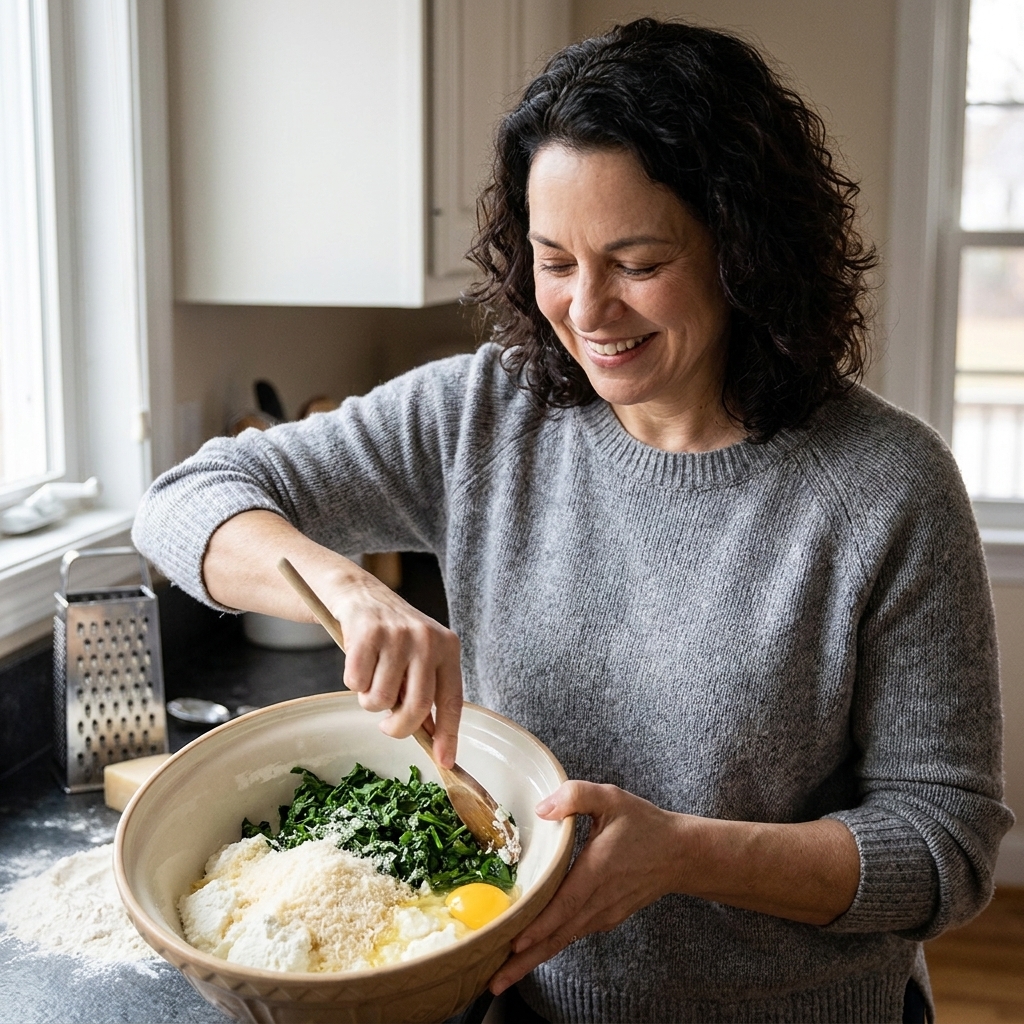
In a large bowl, mix ricotta, squeezed spinach, Parmigiano, egg, garlic, salt, pepper, and nutmeg. Fold in the mozzarella last. The filling should be thick and scoopable, like a soft cookie dough.
4) Build the sauce base
Heat the oven to 375°F (190°C). Spread about 1 1/2 to 2 cups marinara on the bottom of a 9x13-inch baking dish and reserve the rest for the top. If your sauce is very thick, stir in a splash of water so it spreads easily. This base layer is your insurance policy against sticking and drying.
5) Stuff the shells
Spoon about 1 1/2 to 2 tablespoons filling into each shell. Nestle the shells open-side up in the dish. For speed and neatness, you can use a piping bag or a zip-top bag with the corner snipped.
What it should feel like: The shell should look nicely filled, not stretched. If you see cracks forming at the edges, you are pushing too much in.
6) Sauce the top, then cover
Spoon about 2 1/2 to 3 1/2 cups marinara over the shells, or enough to generously cover and protect any exposed pasta edges. Sprinkle 1/2 to 1 cup mozzarella and a little Parmigiano over the top.
Cover tightly with foil. If you have had cheese stick to foil before, lightly oil the underside of the foil, or tent it slightly so it does not touch the cheese.
7) Bake until bubbly
- Covered: 25 to 30 minutes, until the sauce is bubbling at the edges and the center is hot throughout.
- Uncovered: 8 to 12 minutes, until the top is lightly browned.
If you like a precise checkpoint, the center should register about 165°F (74°C) on an instant-read thermometer.
Let the pan rest 10 minutes before serving. This helps the filling set so the shells stay intact on the plate.
Keep shells from tearing
- Use a big pot: crowded shells bump and crack.
- Keep a steady boil: lively enough to prevent sticking, not so aggressive that the shells get battered.
- Stir once, gently: right after adding, then leave them alone.
- Undercook slightly: they finish in the oven.
- Cool before handling: hot shells are fragile and rip easily.
Keep shells from drying out
- Sauce underneath and on top: think of it as a marinara mattress and a marinara blanket.
- Cover for most of baking: foil traps steam so the pasta stays tender.
- Do not skimp on sauce: if you are on the fence, add a little more.
- Rest after baking: the sauce thickens slightly and hugs the shells instead of sliding off.
Make ahead and freeze
Make ahead
Assemble the entire dish up to 24 hours ahead. Cover and refrigerate. When ready to bake, let the dish sit at room temperature 20 to 30 minutes while the oven heats, then bake covered until hot and bubbling. You may need an extra 10 to 15 minutes since it is starting cold.
Freeze
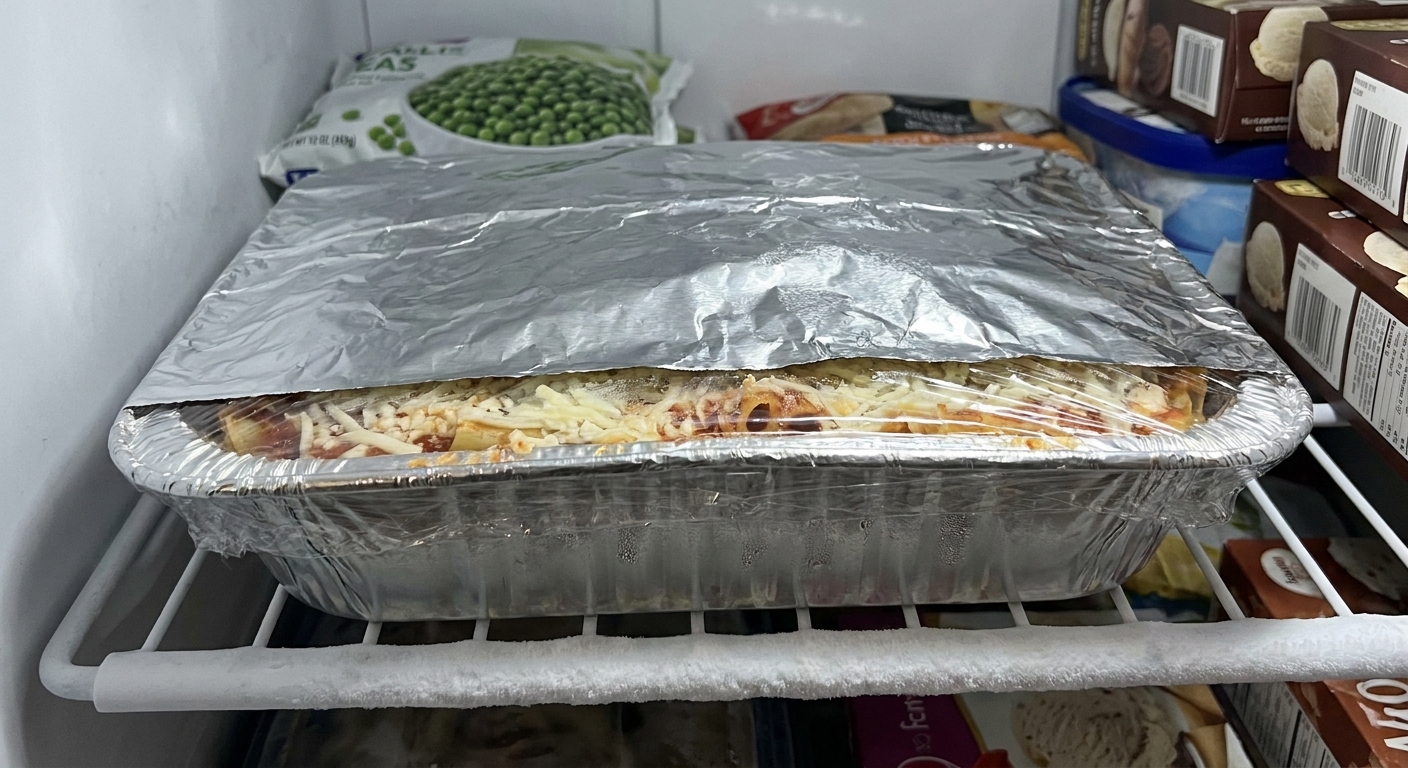
You can freeze stuffed shells baked or unbaked. For the softest result, I like freezing unbaked: assemble in a freezer-safe dish, cover tightly with a layer of plastic wrap and then foil, and freeze up to 3 months.
To bake from frozen: bake covered at 375°F (190°C) for about 60 to 75 minutes, then uncover to brown. If the top looks dry at any point, spoon a little extra sauce over it.
Reheat leftovers
Reheat covered in a 350°F (175°C) oven until hot, usually 20 to 25 minutes. Add a splash of water or sauce before reheating if the dish looks tight.
Easy variations
- Add herbs: chopped basil, parsley, or a little oregano in the filling.
- Make it extra cheesy: swap part of the mozzarella for fontina or provolone.
- Go richer: add a handful of sautéed mushrooms, or a few spoonfuls of pesto to the filling.
- Make it spicy: a pinch of red pepper flakes in the sauce.
FAQ
Should I rinse jumbo shells after boiling?
For stuffed shells, yes. A quick rinse is enough to stop the cooking and prevent sticking while you fill. Drain well, then sauce goes on later in the baking dish.
Can I use fresh spinach instead of frozen?
Absolutely. Wilt it in a pan with a tiny splash of water, then cool and squeeze it very dry before chopping. Moisture is the main enemy here.
Why is my filling watery after baking?
Usually it is one of two things: undrained ricotta or spinach that still held a lot of water. Next time, drain the ricotta and squeeze the spinach until no more liquid comes out. Also make sure you are using low-moisture mozzarella, not fresh mozzarella, which releases water.
How many shells should I cook?
I cook a few extra because a shell or two can crack. For a 9x13-inch pan, 24 to 30 shells is the sweet spot depending on size and how snugly you arrange them.
Serving ideas
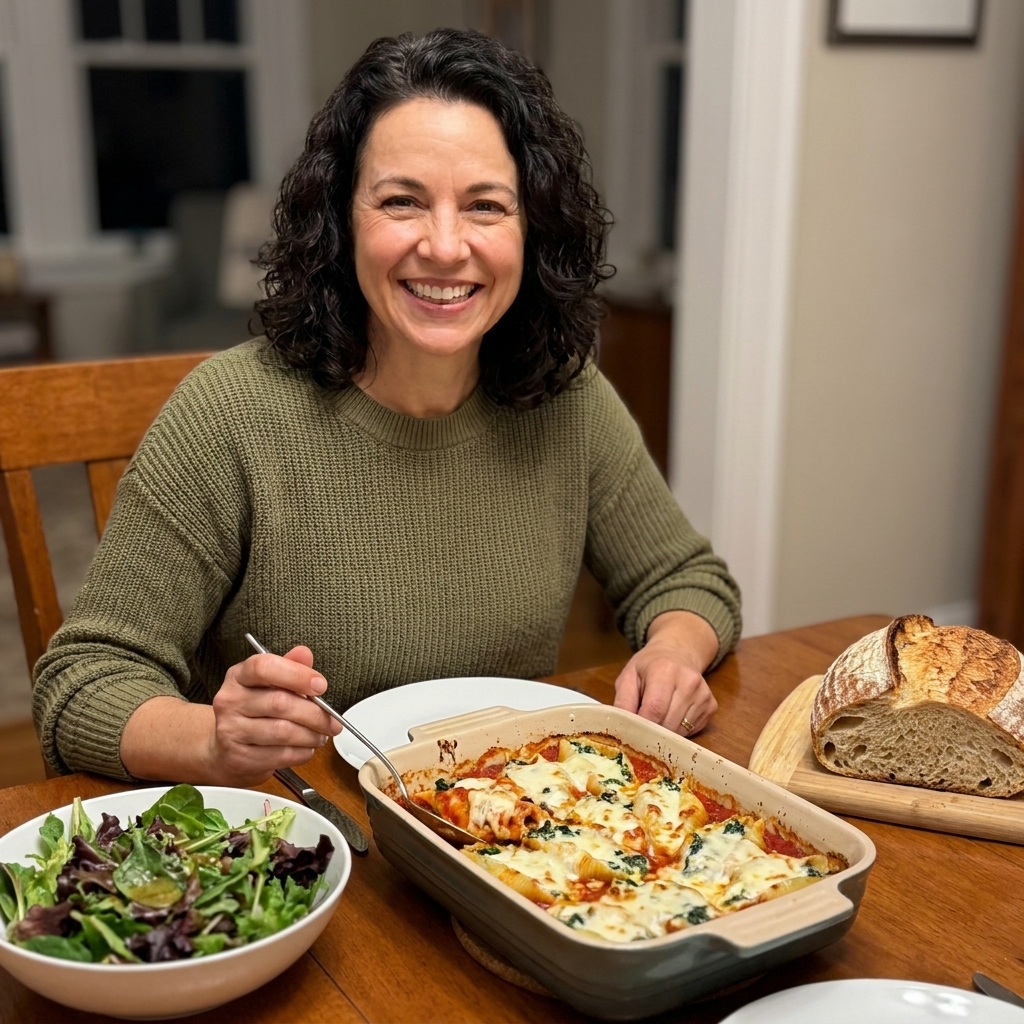
These shells are rich and cozy, so I like to keep the sides simple: a crisp green salad with lemony vinaigrette, garlicky sautéed broccoli rabe, or roasted zucchini. And if there is bread on the table, it is really just there to rescue any sauce left behind.