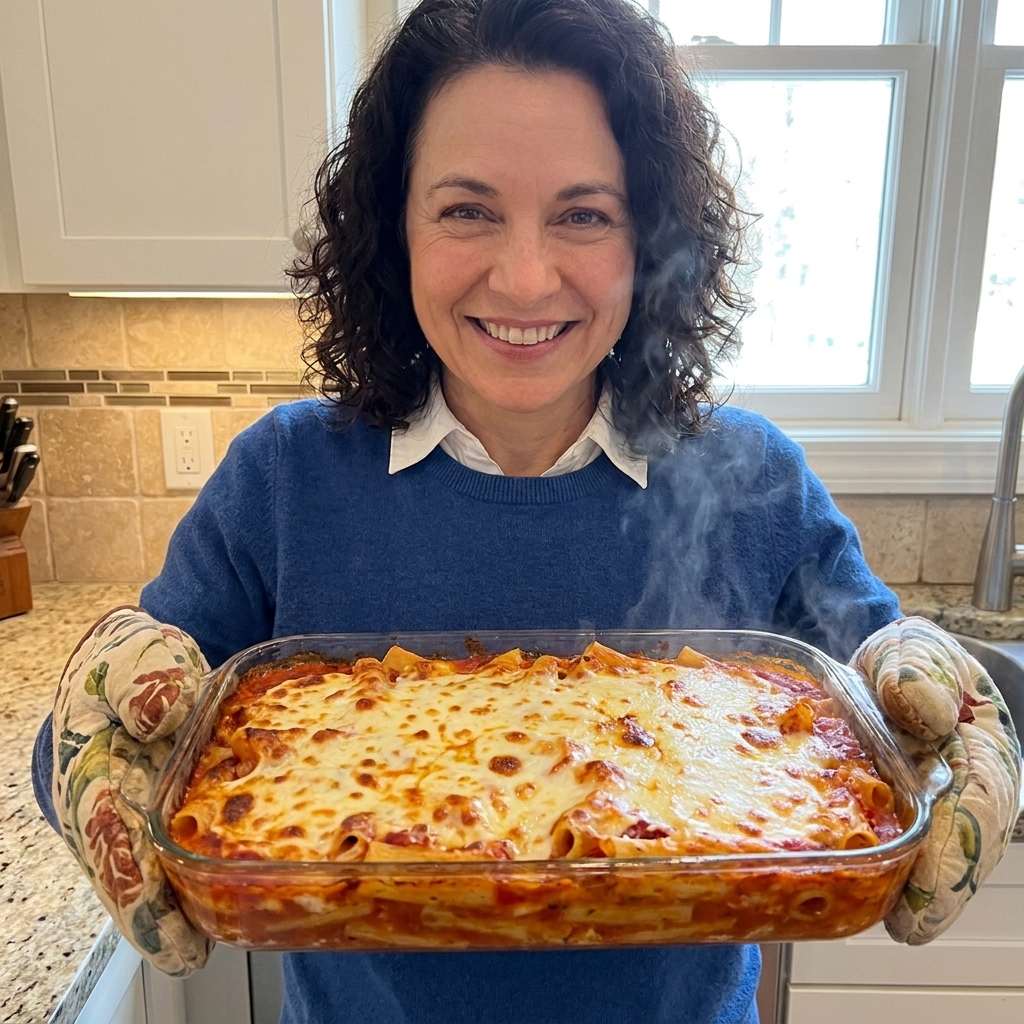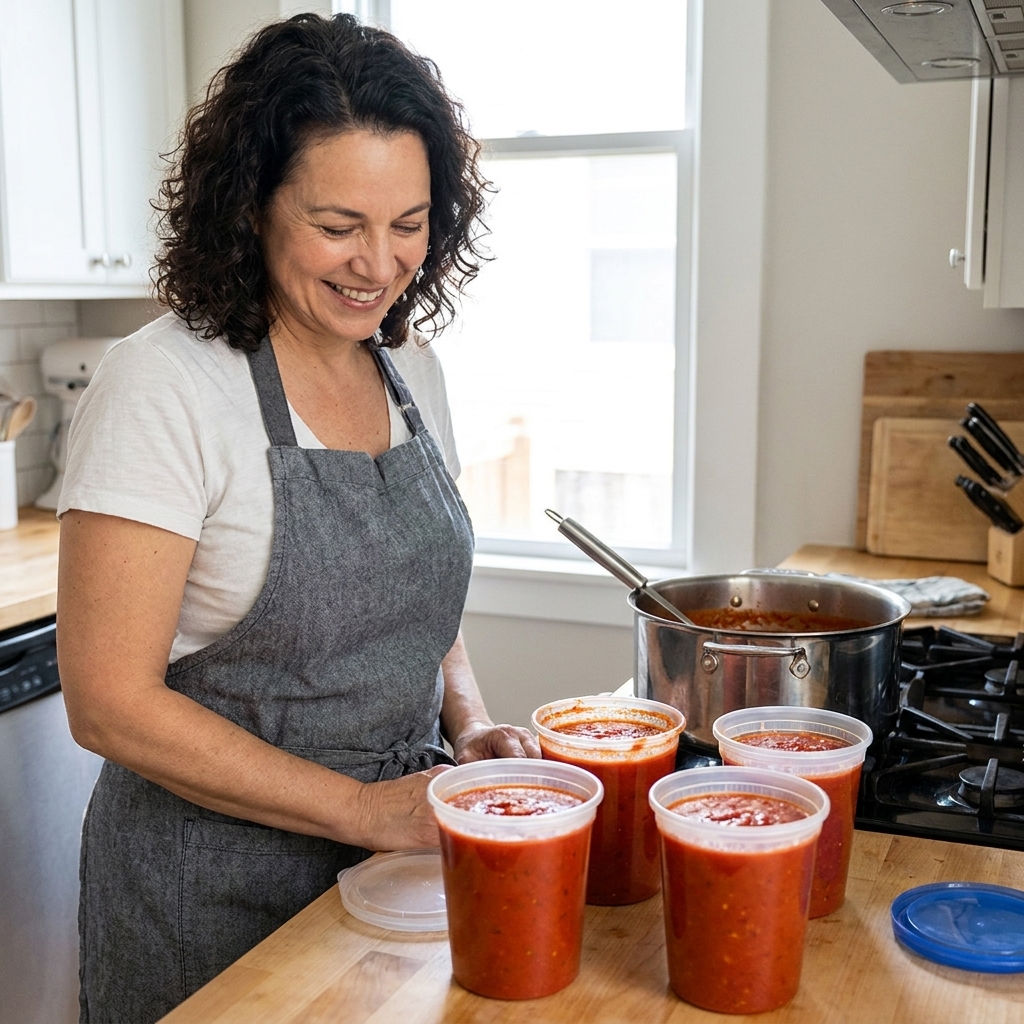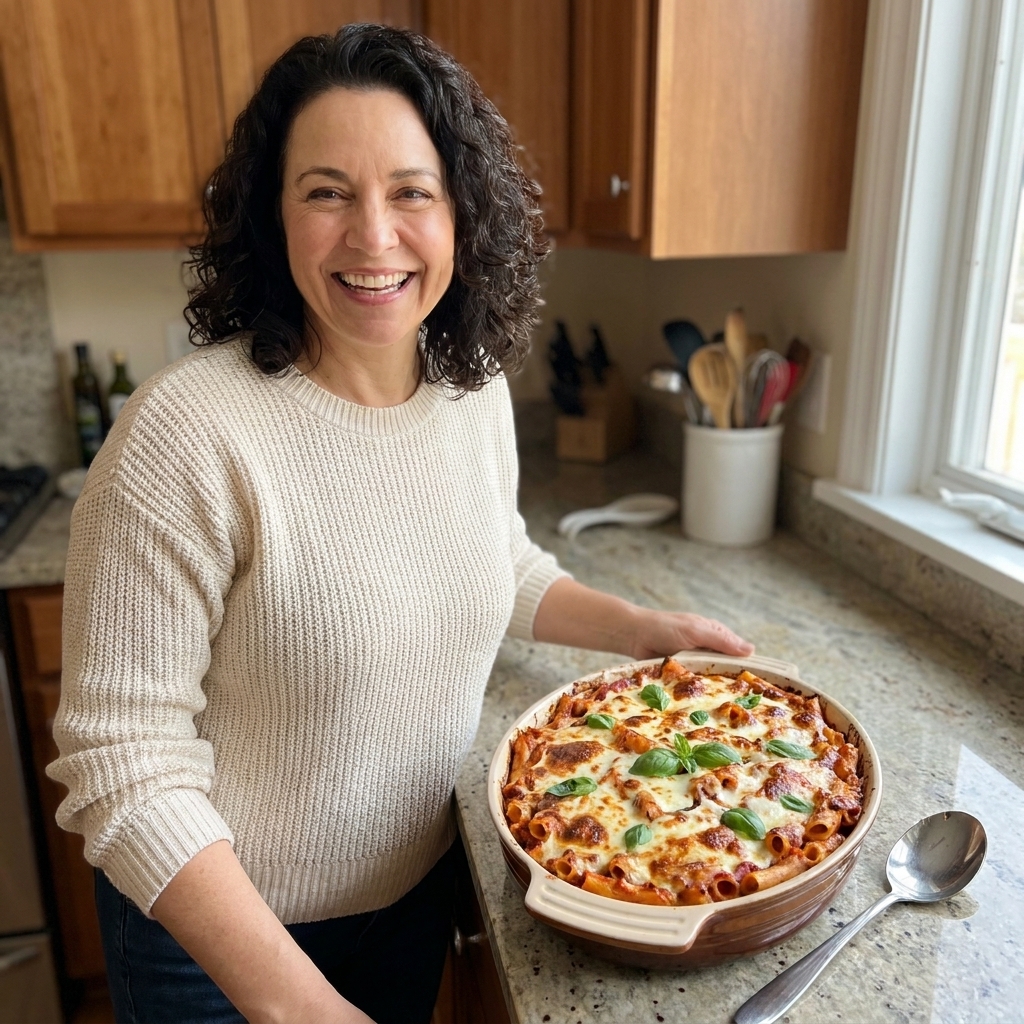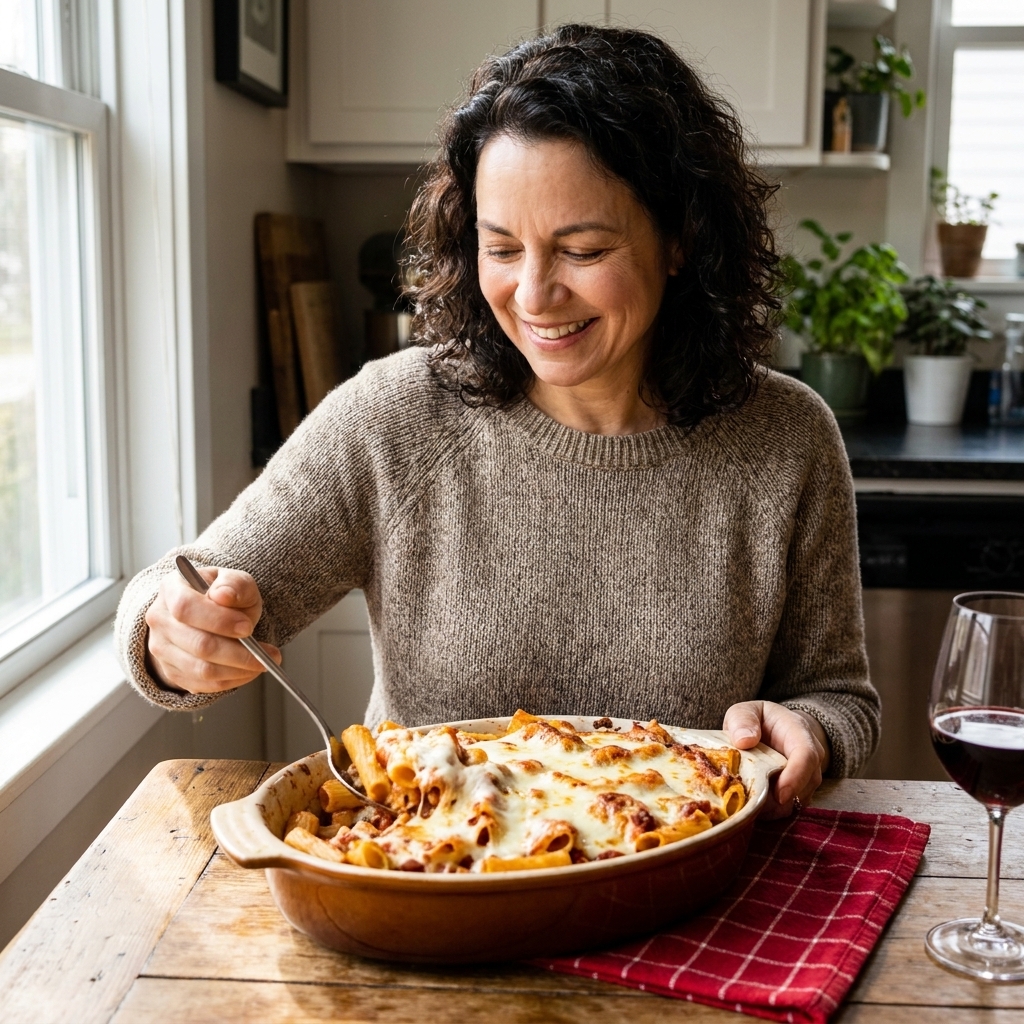
There is something so comforting about opening the freezer and finding a neatly wrapped tray of baked ziti waiting for you like a future hug. If you have ever pulled out a frozen pasta bake and ended up with dry corners, watery sauce, or that strange freezer taste, I promise you are not alone. The good news is baked pasta freezes beautifully when you build it with a little intention.
Below is exactly how I make, freeze, and reheat baked pasta dishes for meal prep, whether you are freezing them unbaked (my favorite for fresher texture) or fully baked (best when you want true heat-and-eat).
Which baked pastas freeze best
Almost any pasta al forno can be frozen, but some hold their texture better than others. The best candidates have a sauce that clings and enough cheese or béchamel to protect the pasta from drying out.
Great for freezing
- Baked ziti, penne al forno, rigatoni al forno
- Lasagna (meat, spinach and ricotta, or mushroom)
- Manicotti and stuffed shells
- Baked pasta with meat sauce or a thick ragù
- Pasta bakes with béchamel (think creamy, protected layers)
Trickier (but doable)
- Very delicate pastas like fresh egg noodles can go soft if overcooked before freezing
- Seafood pasta bakes can taste stronger after freezing. If you do it, freeze unbaked and bake from frozen, then serve right away
- Watery vegetables (zucchini, mushrooms, spinach) need extra cooking and draining first so your bake does not weep
Golden rules before freezing
1) Undercook the pasta on purpose
For pasta bakes, I cook the pasta a little shy of al dente, usually 1 to 3 minutes early depending on the shape and brand. It will finish cooking in the oven during baking and again during reheating. If you cook it perfectly now, it often turns soft later.
Sensory cue: you want the center of the pasta to still feel quite firm when you bite it, like it is not quite ready for the table.
2) Cool quickly and safely
If you are assembling with hot sauce and hot pasta, spread things out and cool them before wrapping for the freezer. This protects texture and helps food safety.
- Cool sauce and pasta until they are no longer steaming heavily.
- Do not leave cooked pasta, sauce, or assembled casseroles at room temperature for more than 2 hours total (1 hour if your kitchen is very warm).
- Only wrap once the food is fully cool so you do not trap condensation (and so plastic wrap is not touching hot food).
3) Use a sauce that is a touch thicker than usual
Freezing and thawing can thin sauces. If your marinara is very loose, simmer it a few minutes longer so it coats the spoon. For ragù, you want it rich and thick enough that it does not pool at the bottom of the pan.
4) Protect the surface
The top layer is always the first to dry out. A thin layer of sauce on top before the cheese, or even a light brush of olive oil over exposed pasta, makes a big difference.
Freeze unbaked pasta bakes
Freezing unbaked means your pasta bakes up with that fresher, just-made feel. This is my go-to for baked ziti and lasagna when I am meal prepping for a busy week or stocking the freezer for new-baby meals.
Step-by-step
- Prepare your components: undercook pasta, make sauce, mix ricotta filling if using, shred mozzarella.
- Choose your pan: a disposable foil pan is easiest, or a freezer-safe ceramic dish if you have space. If you want to keep your nice baking dish free, line it with foil so you can lift the frozen block out later.
- Assemble cool-ish, not piping hot: layer pasta, sauce, and cheese as usual.
- Decide on the cheese topping: you can freeze with the full cheese topping, but if you really hate rubbery mozzarella, hold back some of the mozzarella and add it fresh halfway through baking.
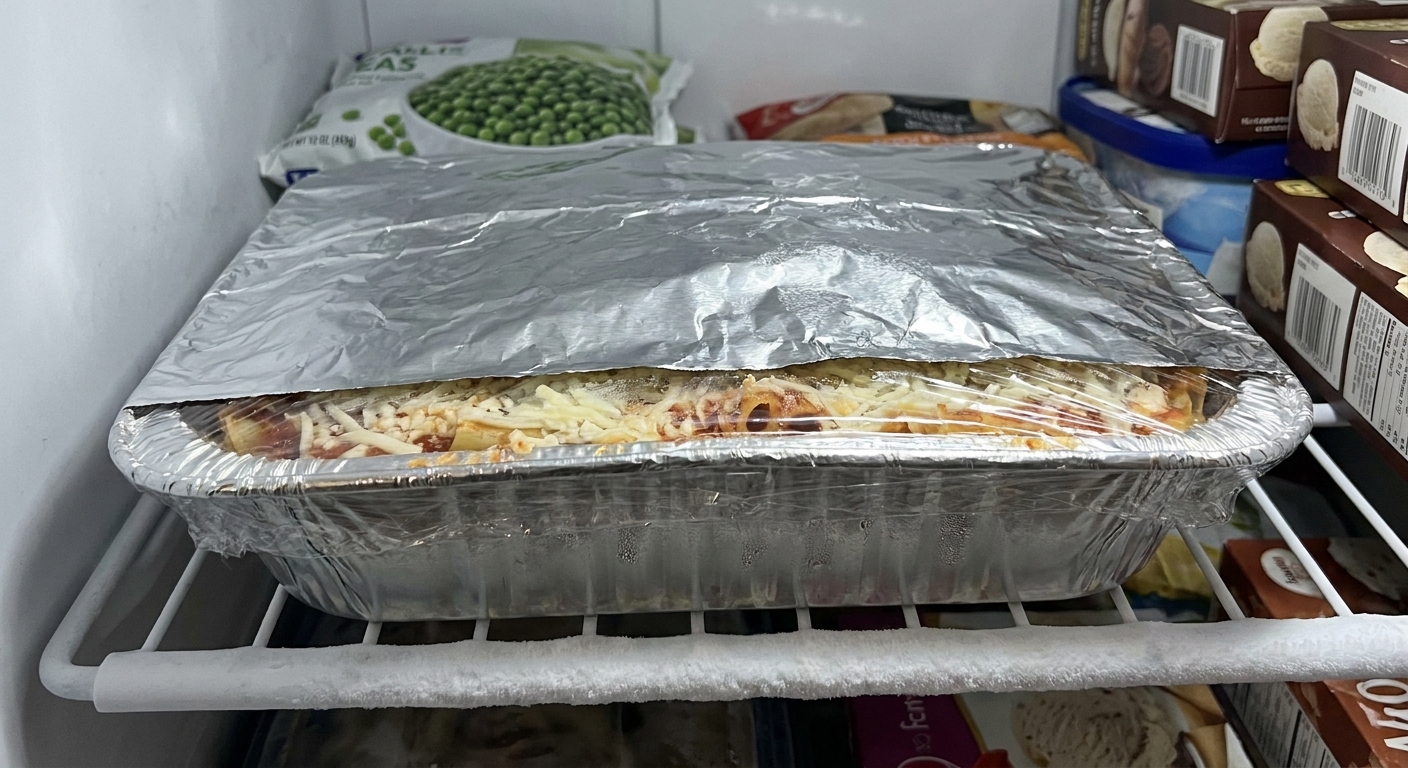
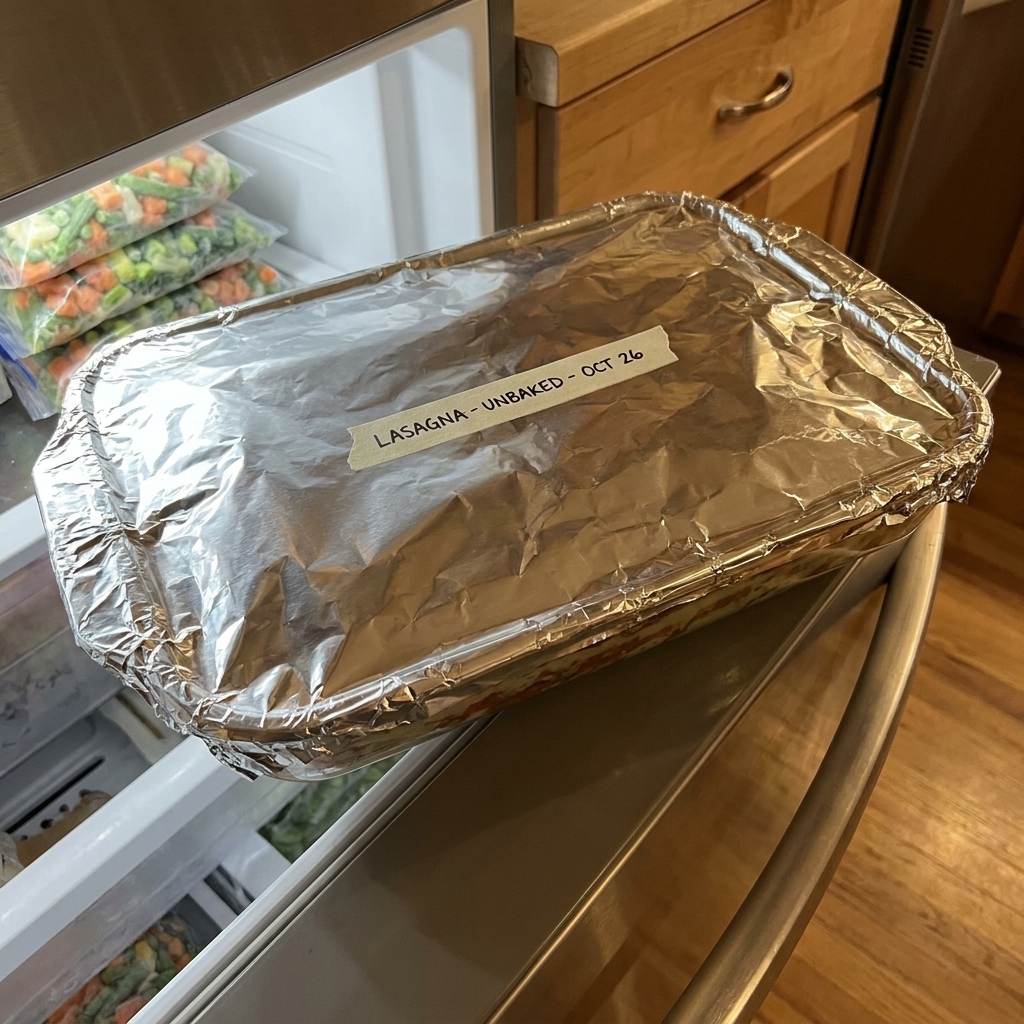
- Wrap using the standard: press plastic wrap directly onto the surface, then wrap the whole pan in another layer of plastic wrap, then a final layer of foil.
- Label: write the dish name, date, and baking instructions on the foil.
- Freeze flat: set it on a sheet pan so it freezes level, then you can stack later.
How long it keeps: best within 2 to 3 months for flavor and texture, though it will remain safe longer if kept frozen solid.
Freeze fully baked pasta bakes
If you want the easiest possible meal prep, bake first, cool, then freeze. This works wonderfully for portioning into smaller containers and for anyone who wants minimal oven time on a weeknight.
Step-by-step
- Bake until just done: you want bubbling edges and melted cheese, but do not overbake. Overbaked now becomes dry later.
- Cool completely: cool at room temperature briefly (about 20 to 30 minutes max), then refrigerate until cold.
- Portion if you like: cut into squares once chilled. This is especially handy for lasagna.
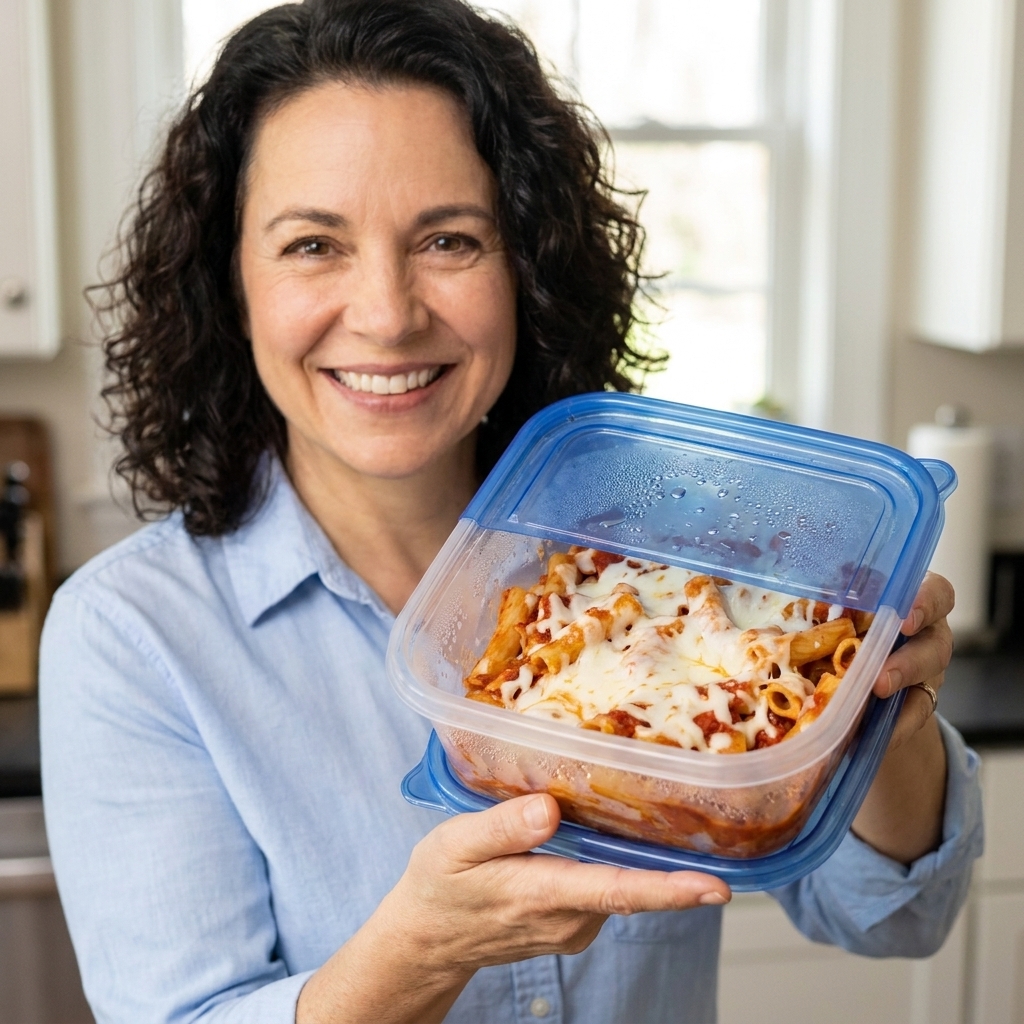
- Wrap using the standard: wrap portions or the whole pan tightly. For portions, use freezer containers or wrap well and place in a freezer bag.
- Freeze: keep it flat and protected.
How long it keeps: best within 2 to 3 months.
Pans and packaging
Foil pans
My meal-prep workhorse. They freeze fast, stack well, and you do not risk cracking a beloved ceramic dish. The tradeoff is they are thin, so protect the top carefully and bake on a sheet pan for stability.
Glass and ceramic baking dishes
These are great if they are truly freezer-safe, but avoid extreme temperature shocks. Never move a frozen glass dish straight into a very hot oven unless the manufacturer says it is safe.
Freezer bags for smaller portions
For leftovers or meal-prep portions, bags are space-efficient. Let portions cool fully, wrap them, then slide into a bag and press out excess air. Thinner, flatter portions reheat more evenly than thick chunks.
The wrapping standard I trust
- Plastic wrap pressed directly on the food surface (minimal air contact)
- A second tight wrap layer
- Foil layer on the outside for protection
Labeling tip: include the oven temperature and whether it is baked or unbaked. You will thank yourself later.
Thawing
Thaw in the fridge (most reliable)
For the most even bake, thaw overnight in the refrigerator. A deep 9x13-inch pasta casserole can take about 24 to 36 hours to thaw fully, depending on the depth of the dish, the pan material, and how cold your fridge runs. If the center still feels icy, give it more time or plan for a longer covered bake.
Bake from frozen
You can bake unbaked casseroles from frozen, especially in a foil pan. It just takes longer and needs a covered bake first so the center heats without drying the top.
Important: if you used a glass or ceramic dish, check that it is safe to go from freezer to oven. If you are unsure, thaw first.
Reheat baked pasta without drying it out
Dry edges usually happen because the oven is too hot or the pasta is exposed. Steam is your friend here.
Reheating a full pan in the oven
- Preheat to 350°F (175°C).
- Add moisture: drizzle a few tablespoons of water or extra sauce around the edges. For lasagna, a spoonful or two of marinara on top helps too.
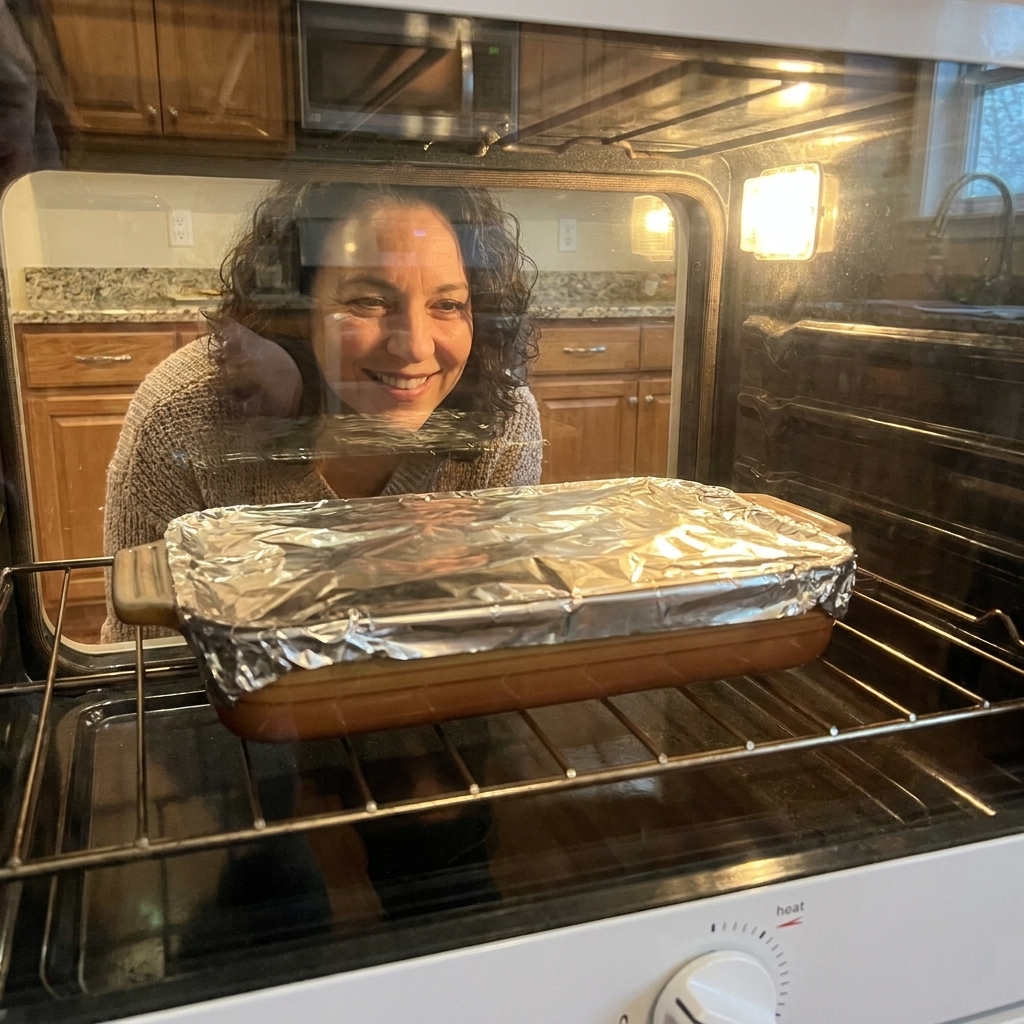
- Cover tightly with foil.
- Heat until hot in the center: timing can vary widely based on pan size and whether it is thawed or frozen. Start checking around 30 to 45 minutes if thawed, longer if frozen, and aim for 165°F (74°C) in the center.
- Uncover to finish: remove foil for the last 10 minutes to re-melt and brown the cheese.
Sensory cue: look for bubbling around the edges and a gentle jiggle in the center, not a dry, stiff top.
Reheating a single portion
- Microwave: place in a bowl, add a spoonful of water or sauce, cover loosely, and heat at 50 to 70% power in short bursts until steaming hot throughout. Thinner, flatter portions heat more evenly than tall, thick ones.
- Oven or toaster oven: 350°F (175°C), covered with foil, until hot. Great for keeping edges tender.
Food safety basics
Cooling and the 2-hour rule
Do not leave cooked pasta, sauce, or assembled casseroles at room temperature for more than 2 hours total. If your kitchen is very warm, aim for 1 hour. Cool promptly, then refrigerate.
Safe reheating temperature
For leftovers and make-ahead meals, reheat until the center reaches 165°F (74°C). If you do not have a thermometer, make sure the middle is steaming hot, not just warm, and that sauce bubbles in the center when stirred.
Note: official food safety recommendations can vary a bit by country and agency. When in doubt, follow your local guidance.
Refreezing
For best quality, I try not to refreeze a casserole once it has been thawed. If you thawed in the refrigerator and it stayed cold the whole time, it can be safe, but the texture will suffer. When in doubt, bake it and portion it for the fridge instead.
How long can it stay frozen?
Food safety-wise, properly frozen food can be safe beyond a few months, but quality drops. For pasta bakes, I aim for 2 to 3 months for the best flavor and texture.
Common freezing problems
Watery pasta bake
- Cook vegetables down before assembling and drain excess liquid.
- Simmer sauce longer so it is thicker.
- Thaw in the fridge so water does not separate as dramatically.
Dry edges and rubbery cheese
- Cover with foil for most of the reheat.
- Add a splash of water or extra sauce around the edges.
- Do not reheat at very high heat. Gentle heat wins.
- Next time, consider adding some mozzarella fresh near the end of baking instead of freezing all of it on top.
Freezer burn flavor
- Wrap tighter and press plastic wrap directly onto the surface.
- Use a second layer of protection like foil.
- Freeze sooner rather than letting it sit uncovered in the fridge.
Mushy pasta
- Undercook pasta before assembling, and use a firm-in-the-center bite as your cue.
- Avoid very small shapes that overcook easily if you plan to freeze and reheat multiple times.
Make-ahead foil instructions
For unbaked, frozen baked ziti
- Bake covered at 375°F (190°C) for 60 to 75 minutes.
- Uncover and bake 10 to 15 minutes more until bubbly and browned.
- Rest 15 minutes before serving so slices hold together.
For baked, frozen pasta
- Thaw overnight if possible.
- Reheat covered at 350°F (175°C) until hot in the center. Timing varies, so start checking around 30 to 45 minutes if thawed and use 165°F (74°C) as your target.
- Uncover for the last 10 minutes.
My extra tip: if you have extra sauce, freeze it in a small container right next to the casserole. A spoonful on top during reheating makes everything taste freshly made.
FAQ
Is it better to freeze lasagna baked or unbaked?
If you want the best texture and the most freshly made result, freeze it unbaked. If you want the quickest dinner with the least effort, freeze it baked and reheat.
Can I freeze baked pasta with ricotta?
Yes. Ricotta freezes well in baked dishes. The key is tight wrapping and gentle reheating so it does not dry out.
Do I need to thaw before baking?
Not always. Foil pans can go from freezer to oven easily. For glass and ceramic, thaw first unless the dish is rated for freezer-to-oven use.
How do I keep baked ziti from getting dry?
Undercook the pasta slightly, use enough sauce, wrap well for freezing, and reheat covered with foil with a splash of water or extra sauce around the edges.