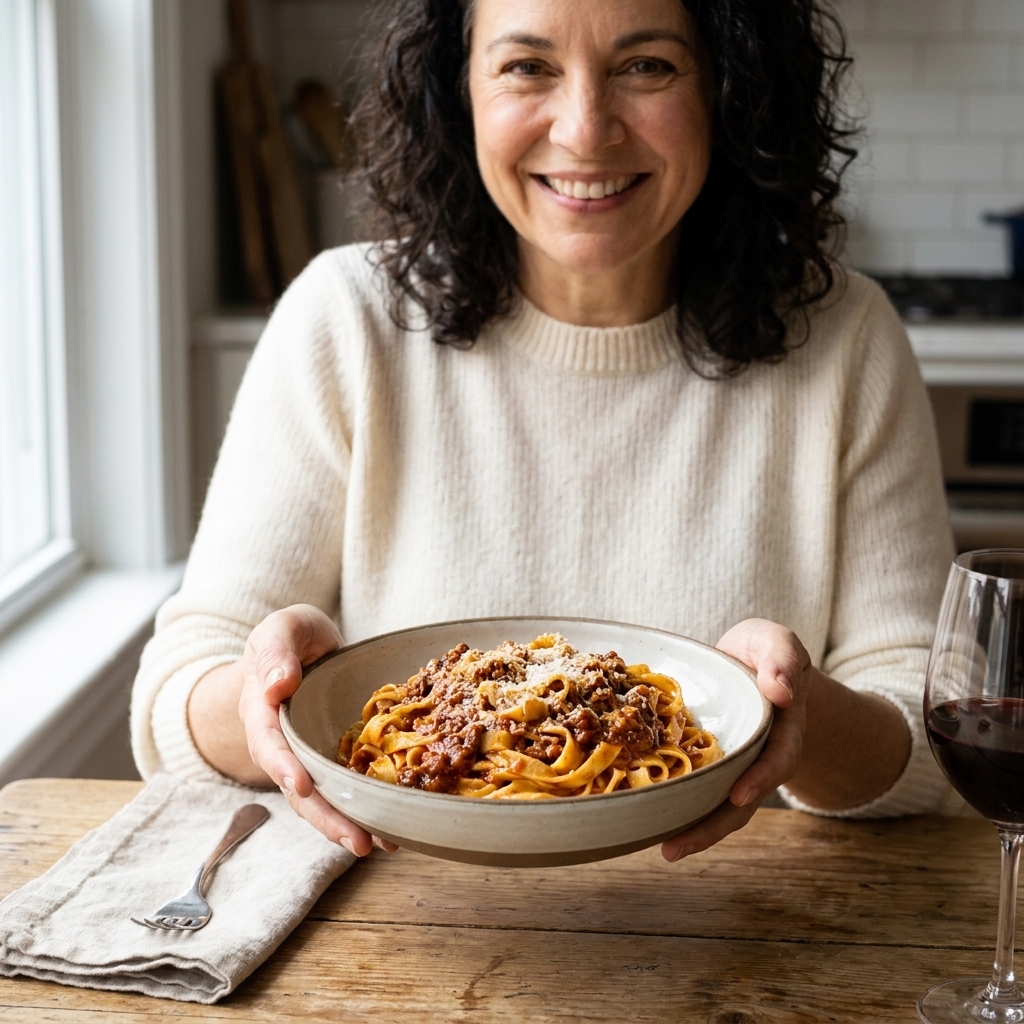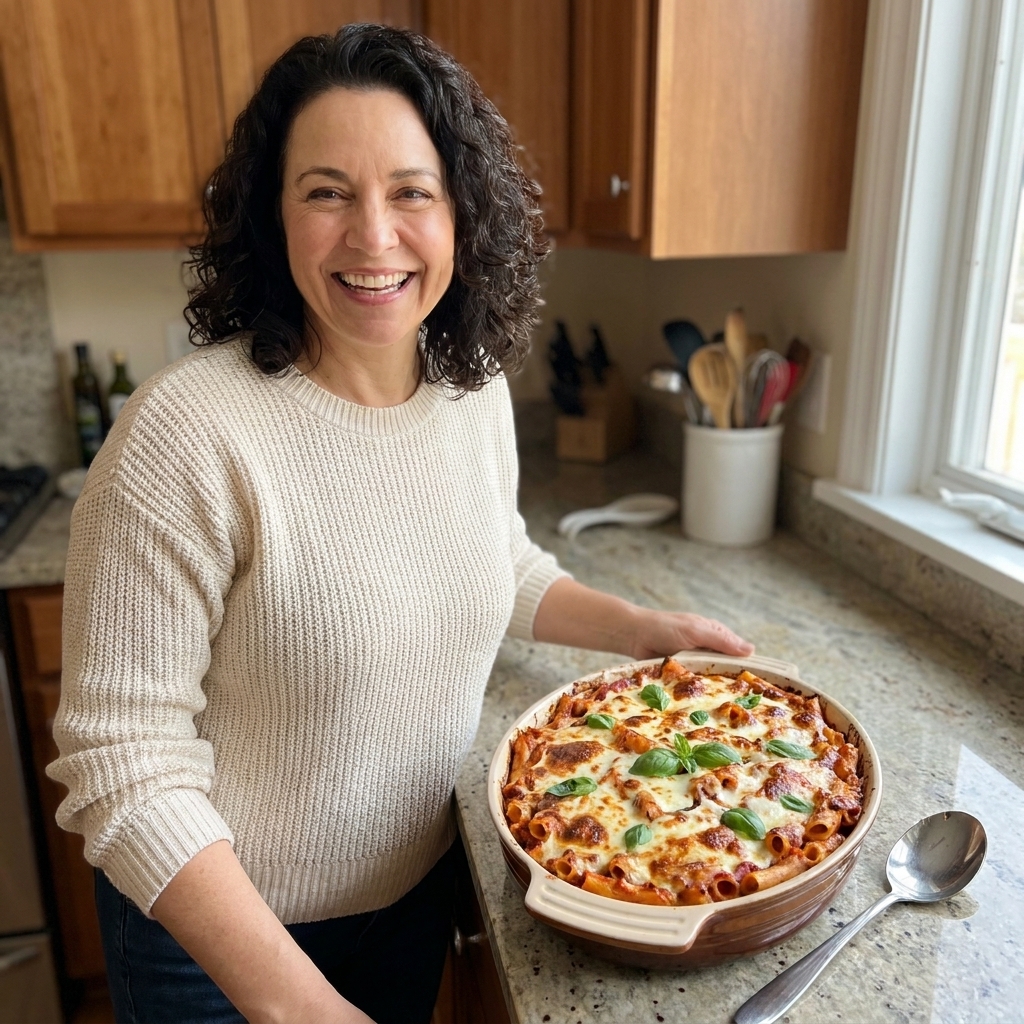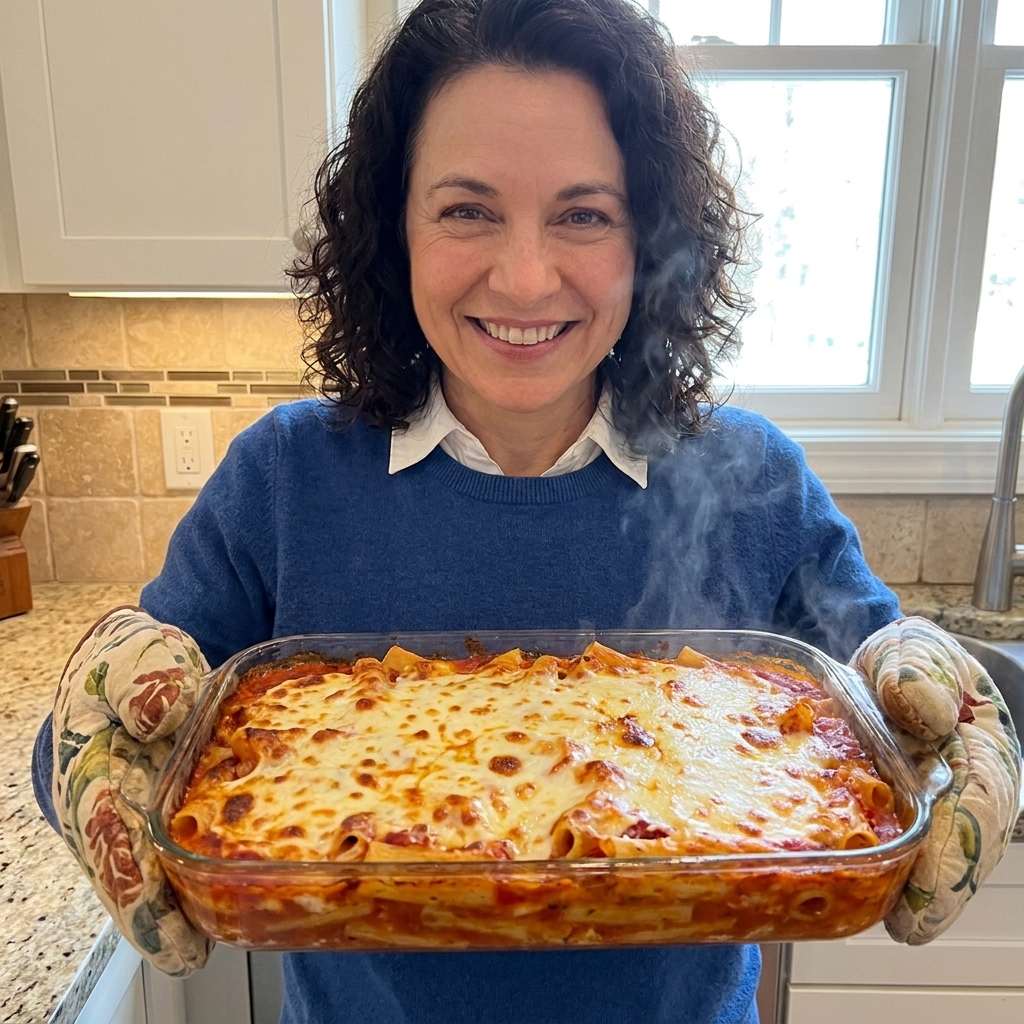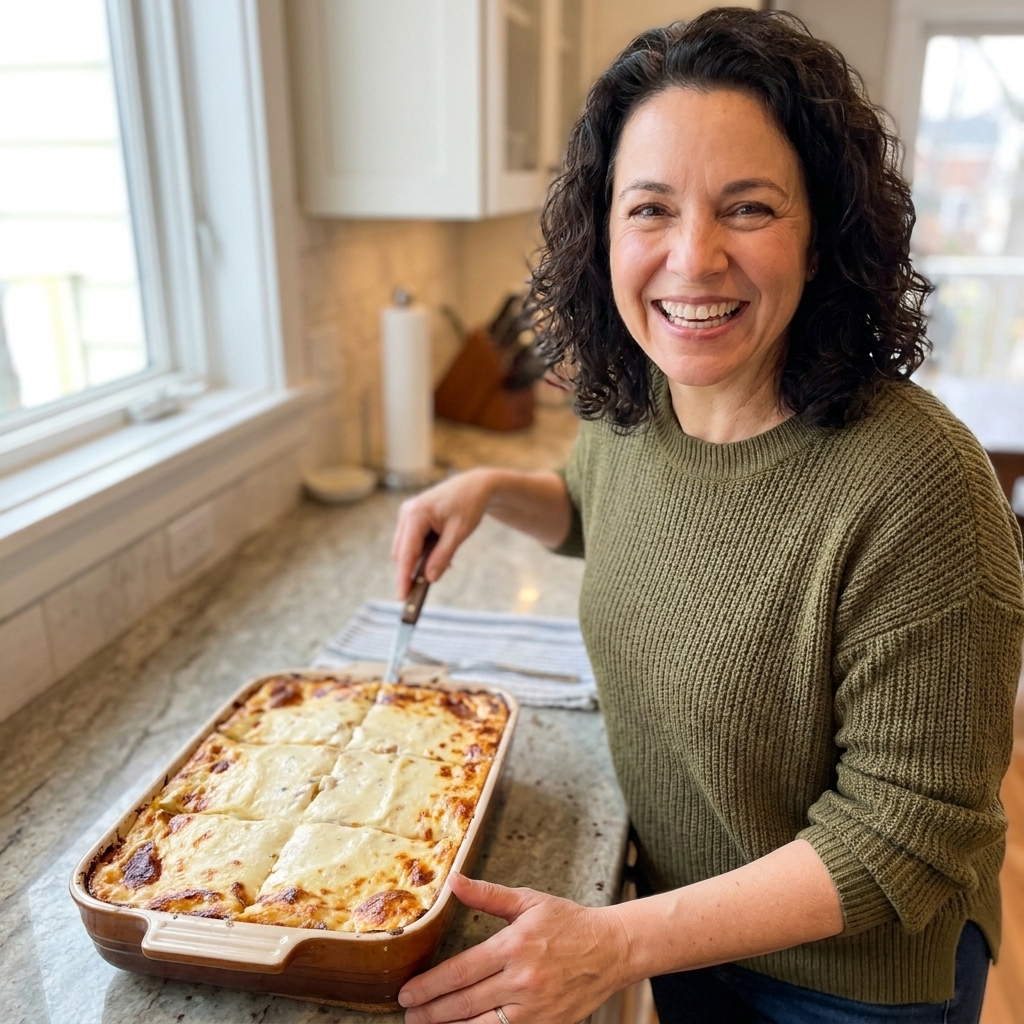
If you have ever pulled a bubbling pasta al forno out of the oven only to find the pasta turned soft and tired, it is tempting to blame the sauce. Often, though, the biggest culprit is the shape.
Baked pasta is tough love. The pasta gets boiled, then coated in sauce, then bakes again, soaking up liquid and heat from every angle. The best shapes can handle all that without collapsing. They stay pleasantly chewy in the center, catch sauce in all the right places, and give you those crispy, toasty edges everyone fights over.
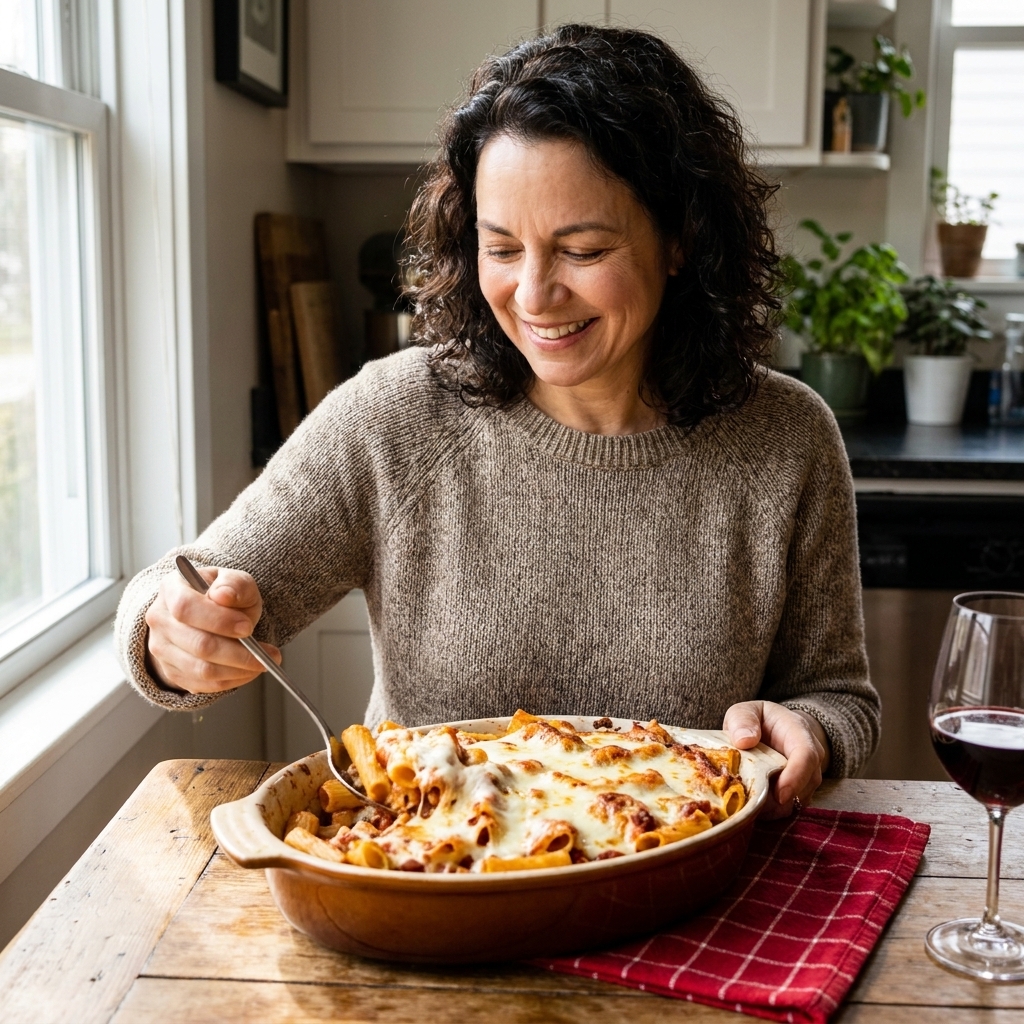
What makes a pasta shape good for baking
When I am standing in the pasta aisle deciding what to bake, I look for a few very specific traits. You can use these like a checklist.
- Thick walls: Thicker pasta stands up to a second cook in the oven. Thin shapes can go from al dente to mushy fast.
- Hollow centers or deep curves: Tubes and cups trap sauce and little pockets of ricotta, ragù, peas, or bits of sausage.
- Ridges (rigate): Ridges grab heavy sauces and help everything cling instead of sliding off and pooling at the bottom.
- Medium to large size: Tiny shapes disappear under cheese and overcook easily. Bigger shapes keep their identity after baking.
- Durum wheat semolina: Many traditional dried Italian pastas are made this way. It is a reliable cue for a firm, springy bite.
One more thing: pasta al forno rewards shapes that create texture. You want creamy spots, saucy spots, and those golden, crispy corners all in one pan.
Top pasta shapes for pasta al forno
These are my go-to dried shapes when I want a bake that slices cleanly, reheats well, and still tastes like real pasta, not casserole noodles.
Rigatoni
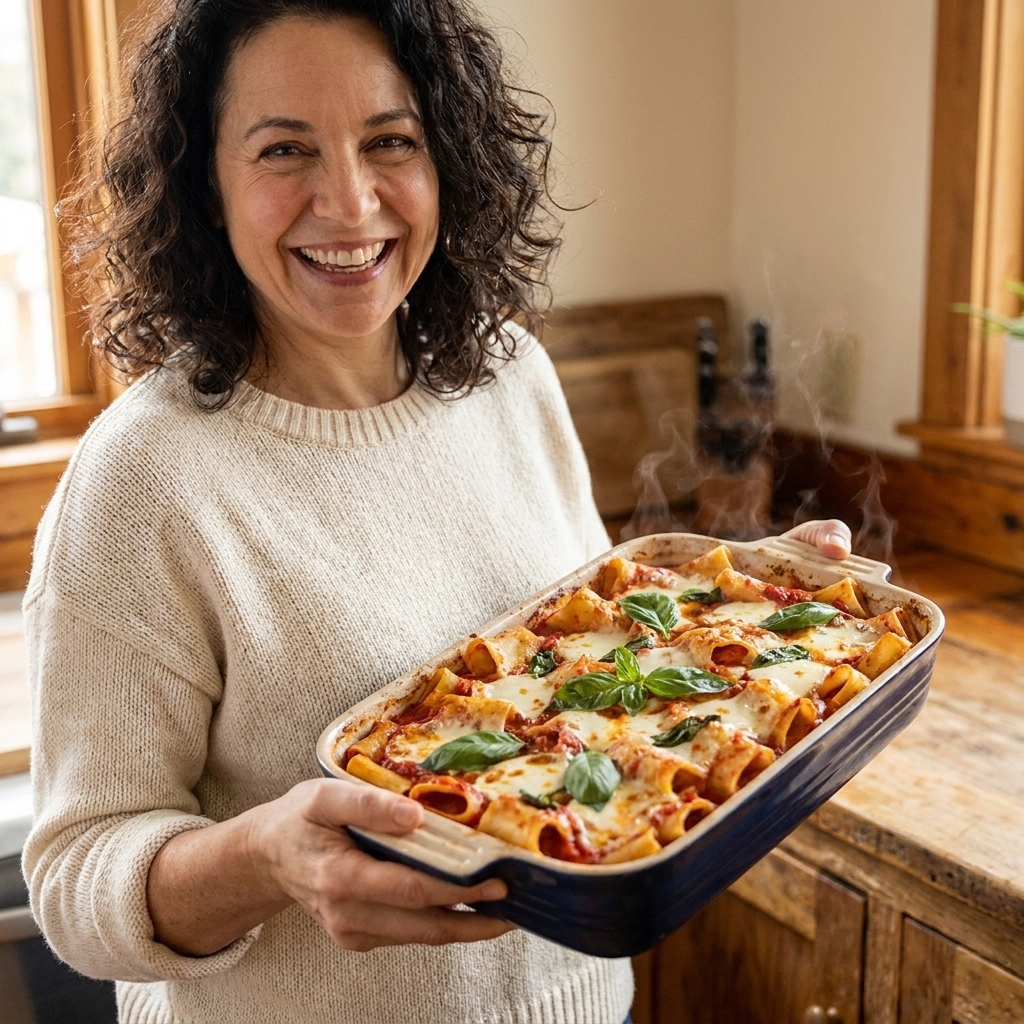
Rigatoni is the classic for a reason. Big tubes, ridged sides, thick walls. It holds meat sauce like a champ, and the ridges help the sauce cling so the bake tastes cohesive, not slick.
- Best with: ragù alla bolognese, sausage and peppers, vodka sauce, baked ziti style casseroles when you cannot find ziti
- Why it works: stays pleasantly chewy, catches sauce inside and out
Paccheri
Paccheri is like rigatoni’s dramatic cousin. These wide tubes feel special, even if you are just feeding your family on a Tuesday. They make a baked pasta look instantly restaurant worthy.
- Best with: slow-simmered meat ragù, mushroom cream sauces, baked pasta with béchamel, anything with chunks that can tuck inside
- Why it works: extra thick and roomy, so it resists overcooking and holds hearty fillings
Penne rigate
Penne rigate is dependable and easy to find. The key is choosing rigate, not smooth penne. Ridges hold sauce better, and the pasta bakes up less slippery.
- Best with: tomato basil sauce, arrabbiata, baked pasta with ricotta, vegetable bakes
- Why it works: short tubes cook evenly and portion easily
Ziti
Ziti is the true baked ziti noodle. It is a smooth tube, usually longer than penne, and it gives you that classic, scoopable bite.
- Best with: marinara plus ricotta and mozzarella, meat sauce, Sunday gravy leftovers
- Why it works: sturdy tube that layers beautifully and reheats like a dream
Mezzi rigatoni (or tortiglioni)
If you love rigatoni but want something slightly smaller and easier to serve, mezzi rigatoni is a sweet spot. Tortiglioni is similar, often with deeper spiraled ridges that cling like crazy.
- Best with: anything chunky or meaty, baked pasta with roasted vegetables
- Why it works: ridges plus thick walls, but a bit more fork-friendly
More shapes that bake well
If your store is out of the classics, these are excellent backups. They are sturdy, sauce-friendly, and hard to ruin.
Cavatappi (cellentani)
Those tight spirals are basically built for catching sauce and melted cheese. It is a great pick for meat sauce bakes or anything leaning cozy and creamy.
- Best with: sausage ragù, tomato cream sauces, mac and cheese style bakes
- Why it works: thick spiral shape holds sauce in every curve
Fusilli (or rotini)
Fusilli is not a tube, but it grips sauce like one. It is especially good in vegetable-heavy bakes where you want little bits of zucchini, mushrooms, or spinach to cling to something.
- Best with: roasted vegetables, pesto-leaning bakes, meat sauce with lots of small pieces
- Why it works: twists trap sauce and toppings so each bite stays interesting
Extra saucy pockets
Some shapes are not tubes, but they earn their place in the baking dish by holding sauce in curves and cups.
Conchiglie (shells), medium or large
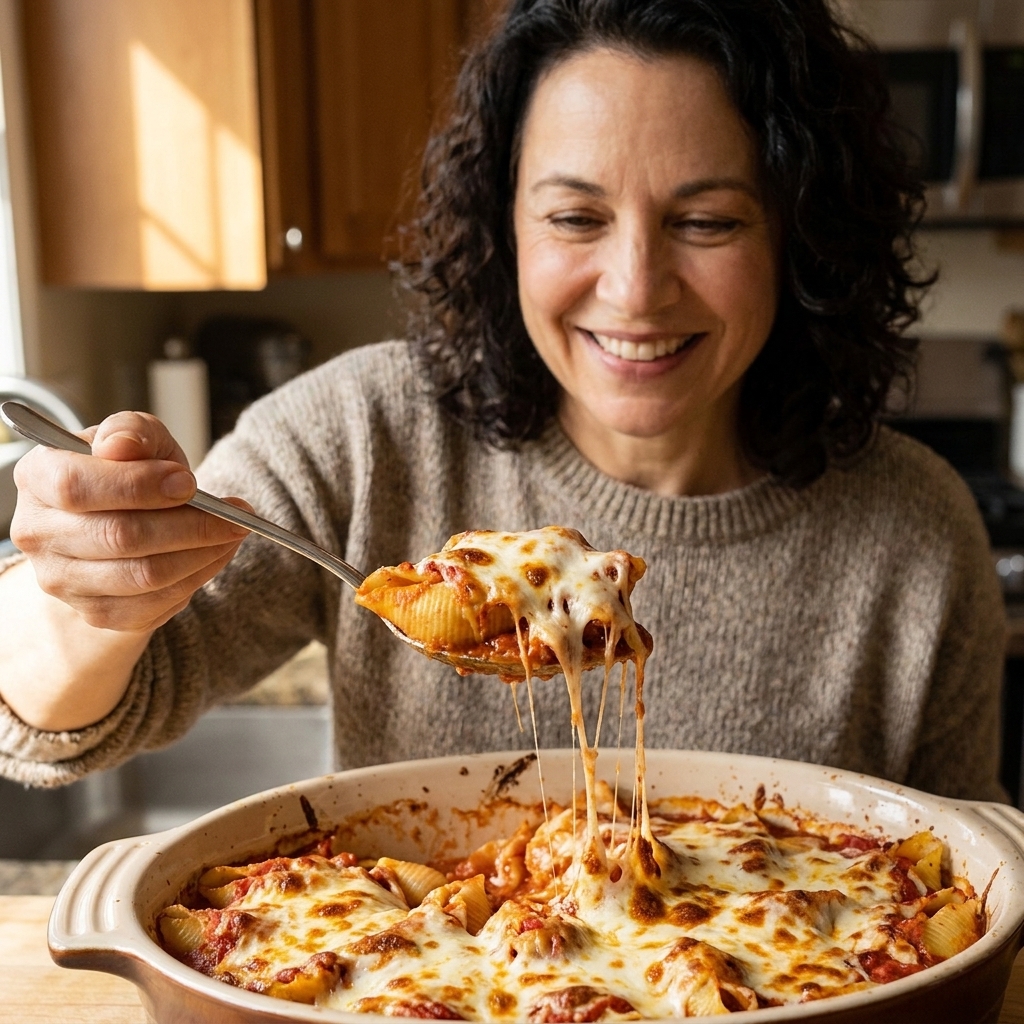
Shells are little sauce scoops. In the oven, each shell turns into a bite that is half pasta, half filling. Choose medium or large shells for baking.
- Best with: ricotta mixtures, pesto cream, meat sauce, baked mac and cheese style sauces
- Why it works: every shell holds its own “portion” of sauce and cheese
Quick shell note: Medium shells are usually best for mixing throughout the casserole. Jumbo shells are better when you want to stuff them one by one.
Orecchiette (for rustic bakes)
Orecchiette is not the first pasta I reach for when baking, but it can be wonderful in a more rustic, less layered dish. Think broccoli rabe, sausage, and pecorino, then a quick bake to crisp the top.
- Best with: greens, crumbled sausage, garlicky olive oil sauces with a little tomato
- Why it works: the “little ears” catch bits of filling
Shapes I avoid (and why)
I am not saying you cannot bake these, but they are fussy. If your goal is a stress-free, reliable pan of pasta, I would skip them.
- Spaghetti, linguine, fettuccine: long strands clump, dry out on top, and turn soft easily. They are happier in a skillet than a casserole dish.
- Angel hair: too thin, overcooks fast, and disappears into sauce.
- Orzo and tiny shapes: they drink sauce like a sponge and can turn into a dense, risotto-like bake unless you are very intentional.
- Very delicate egg noodles: great for some casseroles, but not ideal for a classic Italian pasta al forno texture.
Dried vs fresh pasta for baking
If you are choosing between fresh and dried, dried is usually more forgiving for pasta al forno. It is built to stay springy after a longer cook. Fresh pasta can be delicious, but it tends to soften quickly, especially in very saucy bakes. If you use fresh, keep the bake shorter, keep the sauce a touch thicker, and watch it closely.
How to cook pasta for baking
This is where most baked pasta goes wrong. Remember: the pasta will keep cooking in the oven, and it will keep absorbing moisture.
Undercook it on purpose
As a starting point, I boil most shapes about 2 minutes less than the package time, then I taste early. You want the center to feel a little too firm when you drain it. Bake time, brand, and shape all change the exact minute where pasta goes from perfect to sad, so trust your teeth.
Salt the water generously
The sauce cannot fully fix bland pasta. Your boiling water should taste pleasantly salty, like the sea.
Drain well, but do not rinse
Rinsing washes off starch that helps sauce cling. If you are worried about sticking, toss the drained pasta immediately with some sauce.
Save a cup of pasta water
If your sauce looks thick, loosen it with a splash of starchy pasta water before mixing. In the oven, thick sauce can turn dry fast.
Matching shapes to sauces
If you remember nothing else, remember this: the heavier the sauce, the sturdier the pasta.
- Heavy meat ragù or sausage sauce: rigatoni, mezzi rigatoni, paccheri, tortiglioni
- Creamy sauces and béchamel bakes: paccheri, rigatoni, shells, penne rigate, cavatappi
- Ricotta-forward baked ziti style: ziti, rigatoni, penne rigate
- Chunky vegetable bakes: penne rigate, mezzi rigatoni, shells, fusilli
And a little sensory cue from my kitchen: when you stir pasta with sauce before baking, it should look luxuriously coated, not dry. If your spoon leaves clean trails at the bottom of the bowl, add a bit more sauce or a splash of pasta water.
Tips for a bubbling bake
Use enough sauce
Baked pasta needs more sauce than stovetop pasta. The oven steals moisture. If you are unsure, err on the saucier side.
Layer like you mean it
I like this order: a thin layer of sauce on the bottom of the dish, then pasta mixture, then dollops of ricotta or béchamel, then cheese. Repeat if your dish is deep enough.
Cover, then uncover
Cover with foil for the first part of baking to keep moisture in, then uncover to brown the top. If your cheese browns too fast, lower the rack and keep an eye on it.
A good baseline bake
If your recipe does not specify, 375 to 400°F is a reliable range for most pasta al forno. I usually bake covered for 20 to 25 minutes, then uncover for 10 to 15 minutes to brown, depending on how deep the dish is and how cold everything was going in.
Let it rest
Resting 10 to 15 minutes helps everything set so it slices and serves cleanly. Also, it saves your tongue. That first bite is lava.
Quick picks
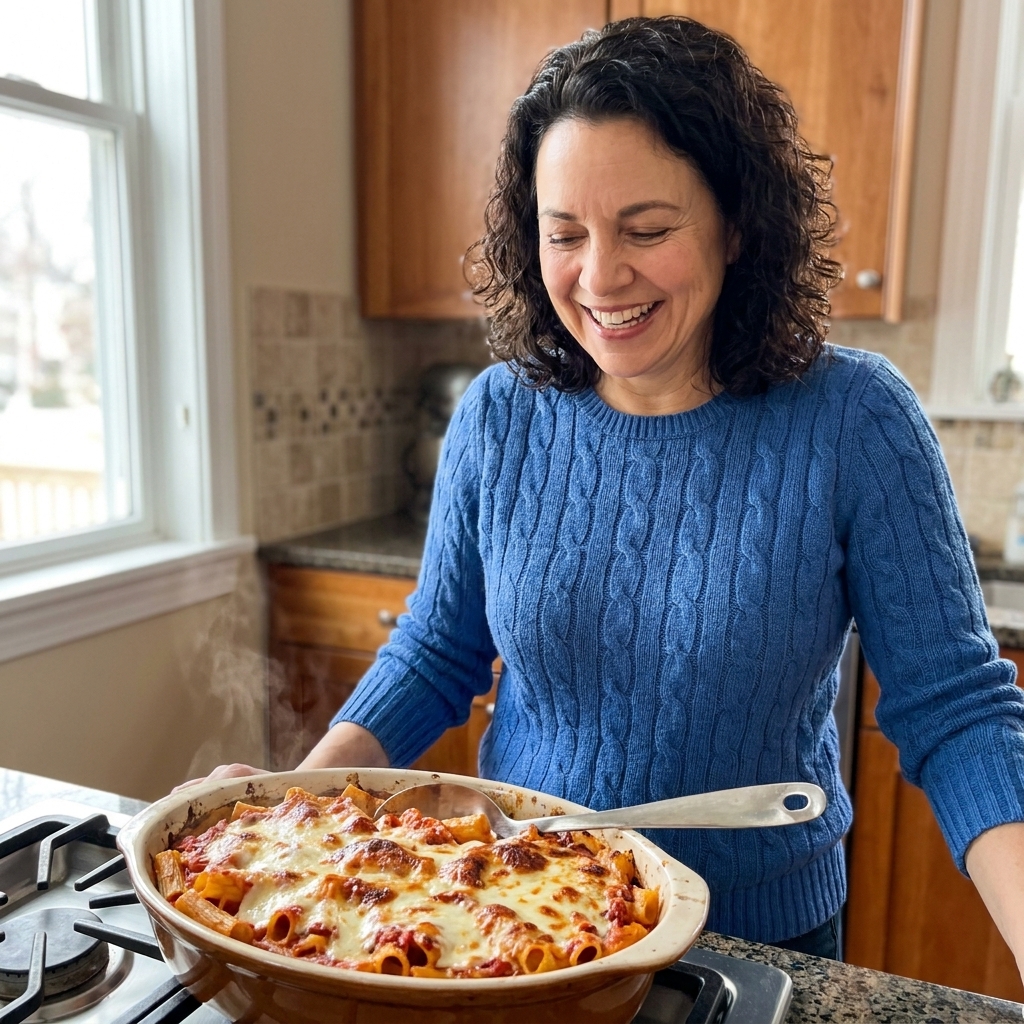
- If you want the safest bet: rigatoni
- If you want a wow bake: paccheri
- If you need an easy pantry option: penne rigate
- If you are making classic baked ziti: ziti, or rigatoni if ziti is not available
- If you love creamy pockets and scoops: medium shells
- If you want a twisty, cheesy bake: cavatappi
FAQ
Can I bake pasta without boiling it first?
You can, but it is less forgiving. No-boil baked pasta works best with smaller shapes and very saucy mixtures, tightly covered, with enough baking time for the pasta to hydrate. For most pasta al forno, I still recommend boiling first so the texture is predictable.
Should I undercook pasta for baked ziti?
Yes. Start about 2 minutes under the package time and taste early. The pasta should feel a touch too firm when you drain it. It will finish in the oven.
Is smooth pasta or ridged pasta better for baking?
Ridged is better most of the time because it grips sauce. Smooth tubes like ziti can still bake beautifully, especially in ricotta-heavy casseroles.
What is the best gluten-free pasta shape for baking?
Look for gluten-free short tubes like rigatoni or penne, and be extra strict about undercooking. Gluten-free pasta can go from firm to soft quickly in the oven, so a shorter boil and plenty of sauce makes a big difference.