Dry baked pasta breaks my heart a little, because pasta al forno is supposed to feel like a warm hug. You want saucy edges, a bubbling center, and noodles that stay tender even after they’ve spent time in the oven.
The good news is dryness is most often a technique or balance issue, not a “you’re bad at cooking” issue. (Sometimes it is simply a too-dry recipe: not enough sauce, extra-lean fillings, or a long uncovered hold.) Below are the fixes I use when I want baked ziti, lasagna-style bakes, or any pasta casserole to come out moist every single time.
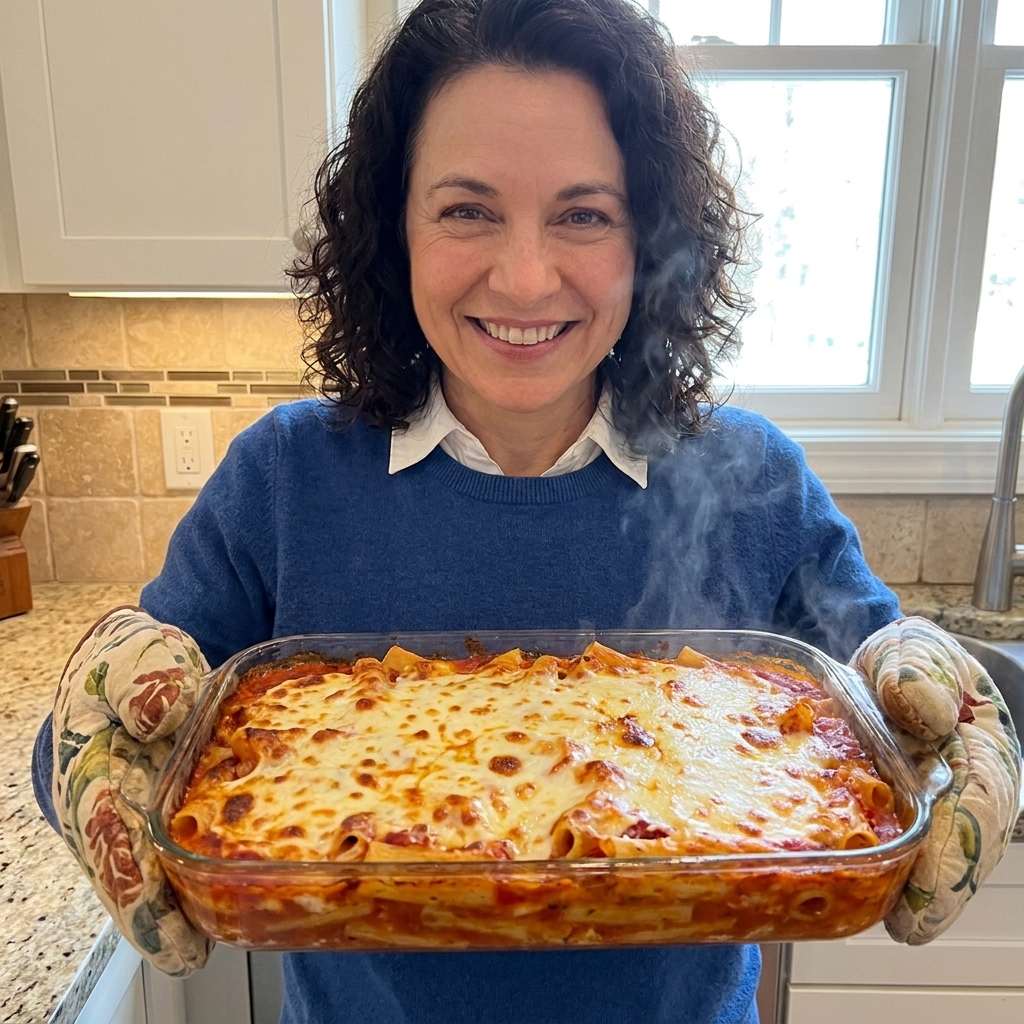
1) Slightly undercook the pasta on purpose
Pasta keeps cooking after you drain it, and it cooks again in the oven. If you boil it to perfectly al dente, it can end up overcooked and thirsty, soaking up sauce until the bake turns tight and dry.
What to do
- Pull short shapes 2 minutes before the package’s stated al dente time (if it lists a range, use the lower number). For very thick shapes (rigatoni, paccheri), pull 3 minutes early.
- When you bite a piece, it should feel a touch too firm in the center, like it still has somewhere to go.
- Drain well, but do not rinse. You want some surface starch so sauce clings.
Clara cue: If the pasta tastes “almost ready” at the stove, it will taste perfect after baking.
2) Use more sauce than you think (and loosen it)
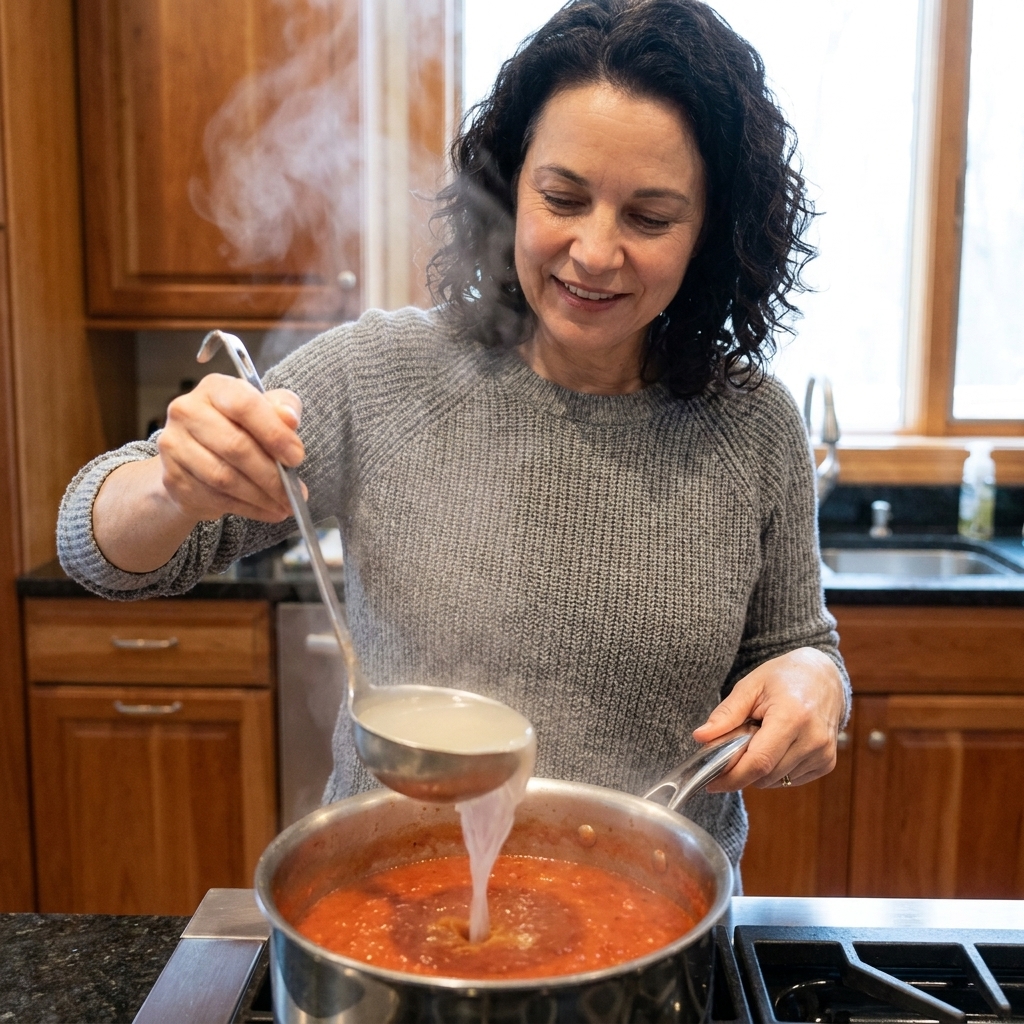
The oven is a drying environment. Steam escapes and pasta absorbs liquid like a sponge. The number one fix is simple: more sauce, and a slightly thinner sauce than you’d use for a bowl of pasta.
A simple range that works
- 1 pound (450 g) pasta: aim for about 4 1/2 to 6 cups sauce total.
- Stay closer to 4 1/2 to 5 cups if you are using a generous amount of ricotta or a very creamy component.
- Go closer to 5 1/2 to 6 cups if you love a loose, spoonable bake, if you are using very lean meat, or if you are adding absorbent extras (lots of browned mushrooms, a big handful of parmesan, extra pasta).
- If your sauce is very thick, stir in 1/2 to 1 cup pasta water, or a splash of broth, or even a little milk if it’s a creamy bake.
Clara cue: The pasta mixture should look a little “too saucy” in the bowl. In the oven, it settles into just right.
3) Season early so you do not chase flavor with more cheese
This sounds unrelated, but it matters. When pasta and sauce taste flat, we tend to “fix” it with extra cheese on top. A very thick cheese layer can tighten as it bakes, and if the dish goes a few minutes too long (or sits uncovered), the surface dries out fast. Better seasoning means you can keep the cheese layer balanced and let the sauce do the moisture work.
What to do
- Salt pasta water until it tastes pleasantly salty, like the sea. This seasons the noodles from the inside.
- Make sure your sauce tastes bold before it goes in the oven. Adjust salt, pepper, and a little basil or oregano.
- Use cheese as a finish, not as the main source of flavor.
4) Layer for moisture: sauce on the bottom, sauce on the top
Dry corners happen when pasta sits directly against the hot dish. The fix is simple layering. Think of sauce as insulation.
My no-dry layering method
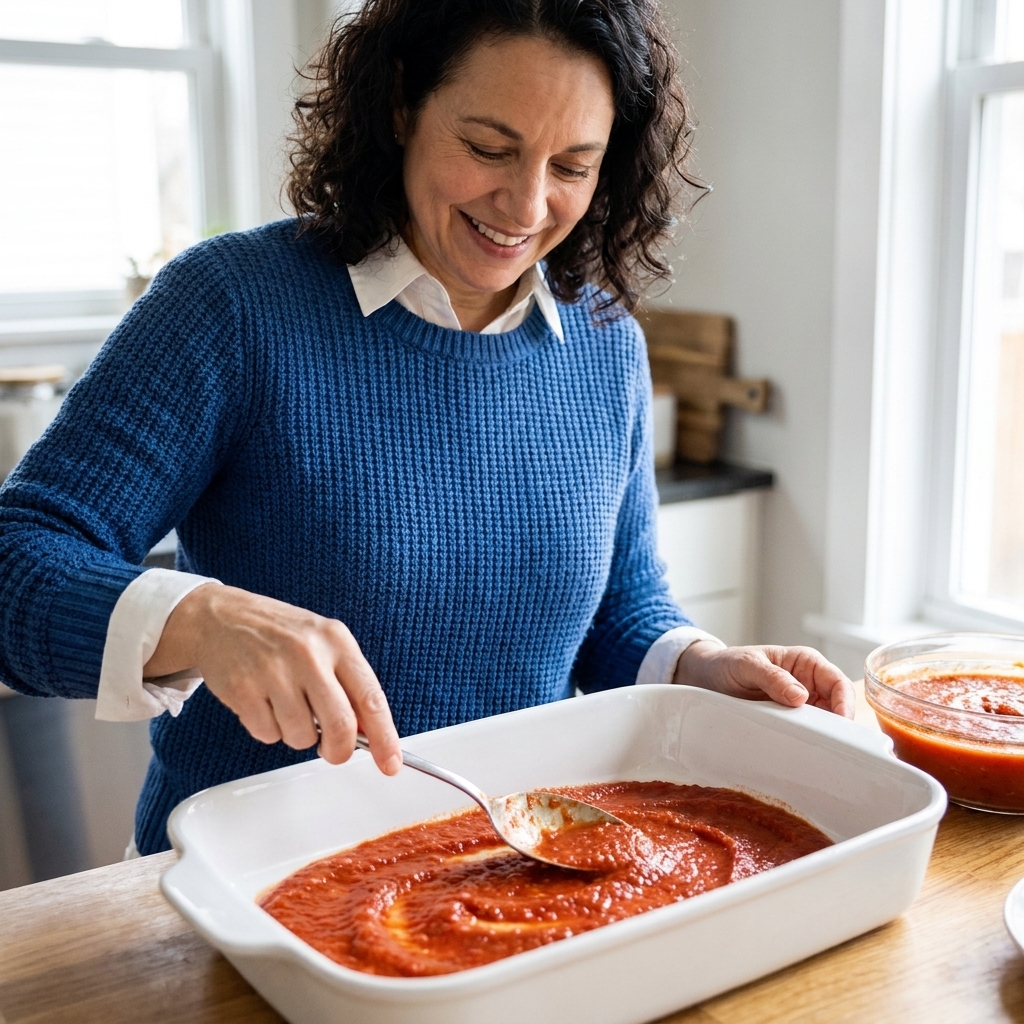
- Spoon a thin layer of sauce on the bottom of the baking dish first.
- Add your pasta mixture and gently fold as you transfer so the pasta stays intact and evenly coated.
- Finish with a final ladle of sauce dotted across the surface, then cheese.
Clara cue: If you can see lots of bare pasta poking out on top before baking, it will likely dry out. Tuck it in with a little more sauce.
5) Use foil the right way (and do not remove it too early)
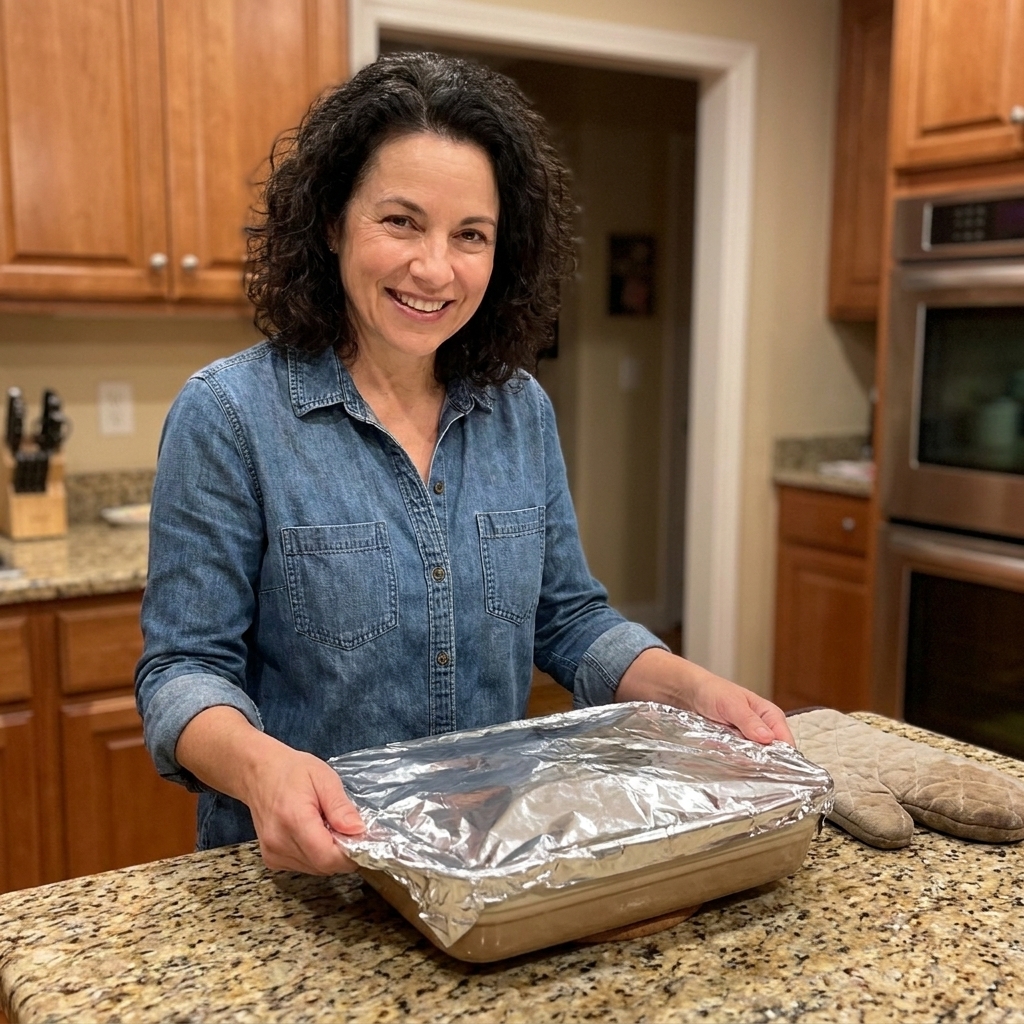
Foil is not just to prevent burning. It is your moisture trap. Covered baking lets the inside steam and stay tender, then you uncover at the end to brown the top.
Foil technique that prevents dryness
- Cover tightly for most of the bake.
- If you hate cheese sticking to foil, lightly oil the foil or tent it so it does not touch the top.
- Uncover only for the last 10 to 15 minutes to brown and bubble.
Clara cue: When you lift the foil, you should see active bubbling around the edges. That bubbling is moisture and heat doing their job.
6) Pick a dish that fits the batch
A very large dish spreads pasta into a thin layer, which dries faster and gives you more exposed surface area. A slightly deeper layer stays moister because less pasta is directly in the line of oven heat.
What to aim for
- Use a dish that gives you about 2 to 3 inches of depth once filled.
- For 1 pound of pasta, a 9x13-inch dish is classic, but if your dish runs wide and shallow, consider going a touch smaller and deeper.
- Glass, ceramic, and metal all work. Just know that metal can brown faster at the edges, so keep an eye on it.
7) Do not overbake
Most baked pasta is made from components that are already cooked or close to cooked. The oven’s job is to meld flavors, heat everything through, and brown the top. If you keep it in “just to be safe,” the sauce reduces and the pasta drinks it up.
Timing and temperature that stay juicy
- Bake at 375°F (190°C) covered until hot and bubbly, usually 20 to 30 minutes depending on depth and whether it started cold.
- Uncover for 10 to 15 minutes to brown.
- Rest 10 minutes before serving so the sauce thickens slightly and stops sloshing.
Clara cue: The center should be steaming and the edges should be bubbling. If you like a number, aim for about 165°F (74°C) in the middle.
Bonus: Ingredients that can dry a bake
Sometimes the method is solid and the ingredients still nudge you toward dryness. A quick check helps.
- Very lean meat: If you use extra-lean beef, turkey, or chicken, add a little more sauce or a splash of broth as you assemble.
- Watery vegetables: Mushrooms, zucchini, spinach, and onions should be cooked down first. If they dump water in the oven, it can throw off the texture and tempt you to overbake.
- Cheese choices: Low-moisture mozzarella melts beautifully and is reliable. Fresh mozzarella brings moisture but can also weep. If you use it, blot and use it in moderation, and keep your sauce slightly thicker so the bake stays cohesive.
Quick rescue: it already looks dry, now what?
If you peek in and it’s drying out, you can often save it.
- Add moisture fast: Pour a few tablespoons of warm sauce around the edges, or drizzle 1/4 cup hot water or broth down the side of the dish.
- Cover back up: Put foil on tightly and bake 8 to 10 minutes more.
- Finish gently: Uncover only briefly to re-crisp the top if needed.
Holding and reheating without drying out
Baked pasta is famous for drying out on the counter and in the microwave. The fix is the same idea as the main bake: trap steam and give it a little liquid to work with.
- Holding: If it is waiting to be served, keep it covered with foil. If the top is already perfect, turn the oven off and let it sit covered for 10 to 20 minutes.
- Reheating a pan: Add a few tablespoons of water, broth, or sauce around the edges, cover tightly with foil, and warm at 350°F (175°C) until hot.
- Reheating a slice: Put it in a small dish, add a spoonful of sauce or a splash of water, cover, and reheat gently. Uncover at the end if you want the top to re-crisp.
FAQ
Should I rinse pasta for baked ziti?
No. Rinsing removes surface starch that helps sauce cling. Just drain well and mix with sauce right away.
Can I make baked pasta ahead without it drying out?
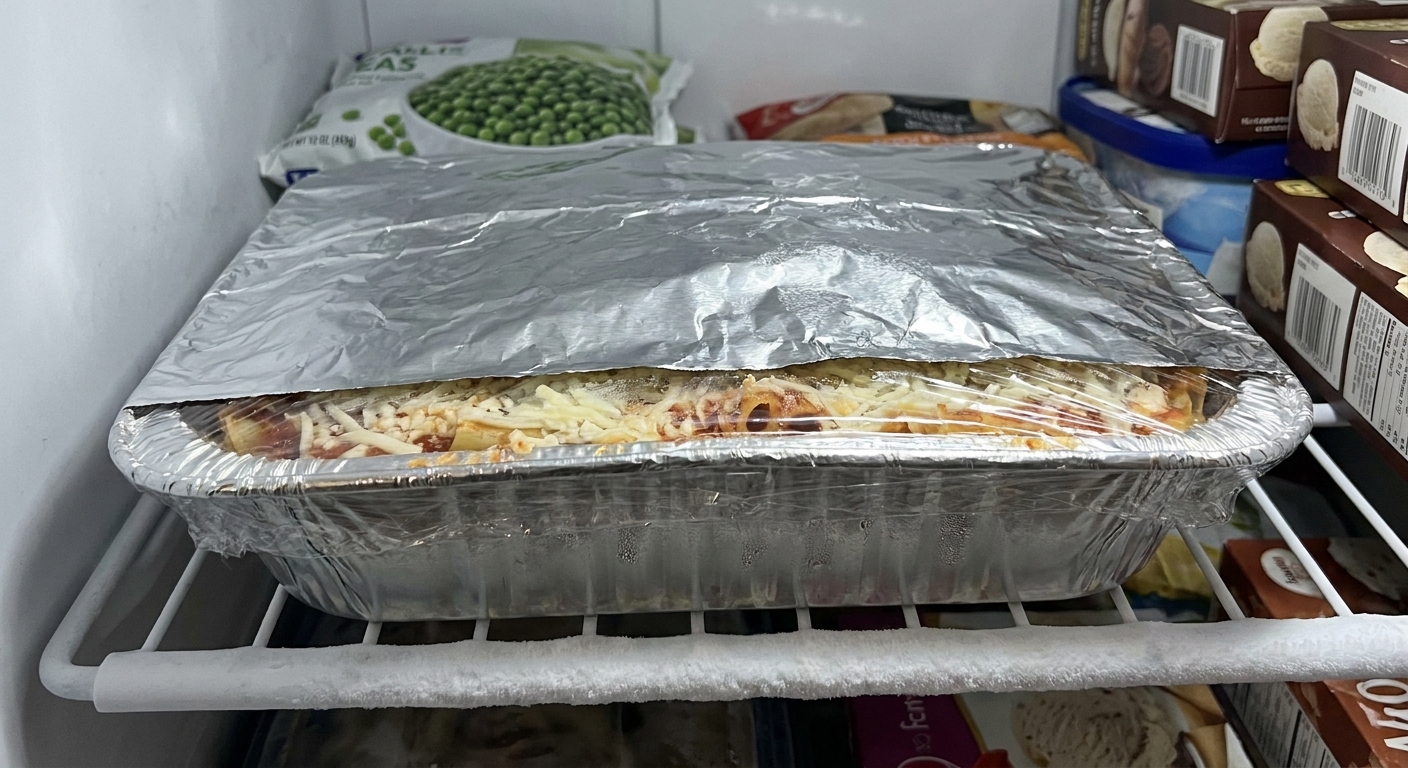
Yes. Assemble it a little saucier than usual, cover tightly, and refrigerate. Bake covered until bubbling, then uncover to brown. If it’s very cold from the fridge, you may need an extra 10 to 15 minutes covered.
Why is my baked pasta dry on top but wet underneath?
Usually the top has exposed pasta or not enough sauce coverage, or it was uncovered too long. Add a thin layer of sauce on top before the cheese and keep it covered for most of the bake.
Does mozzarella make baked pasta dry?
Mozzarella itself is not the enemy, but a very thick cheese layer can tighten as it bakes, and the surface can dry if it bakes uncovered too long. Use enough to cover, then rely on sauce and proper covering to keep things moist.
My last little promise
If you remember only two things, make it these: undercook your pasta a little and use a generously saucy, slightly loosened mixture. Add smart foil time, and your pasta al forno will come out the way it’s meant to, moist, bubbly, and impossible not to go back for seconds.