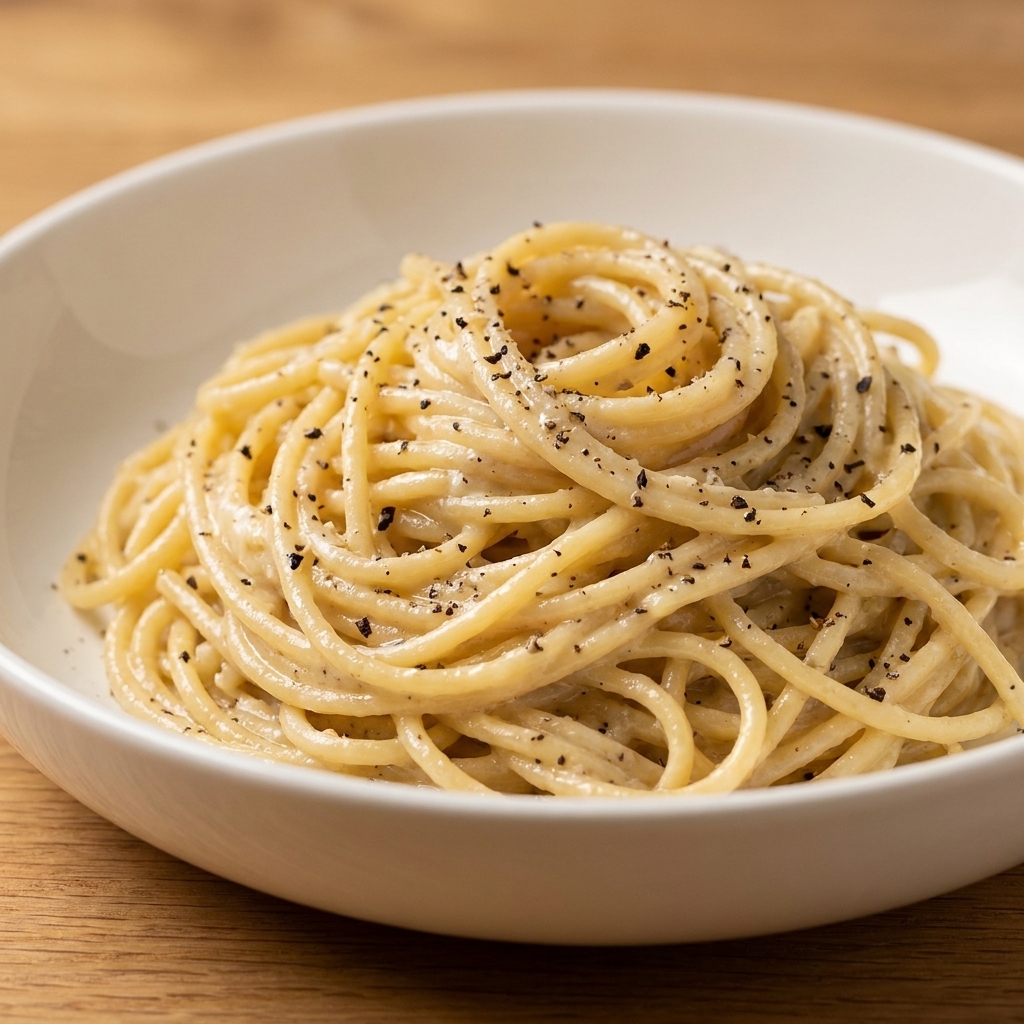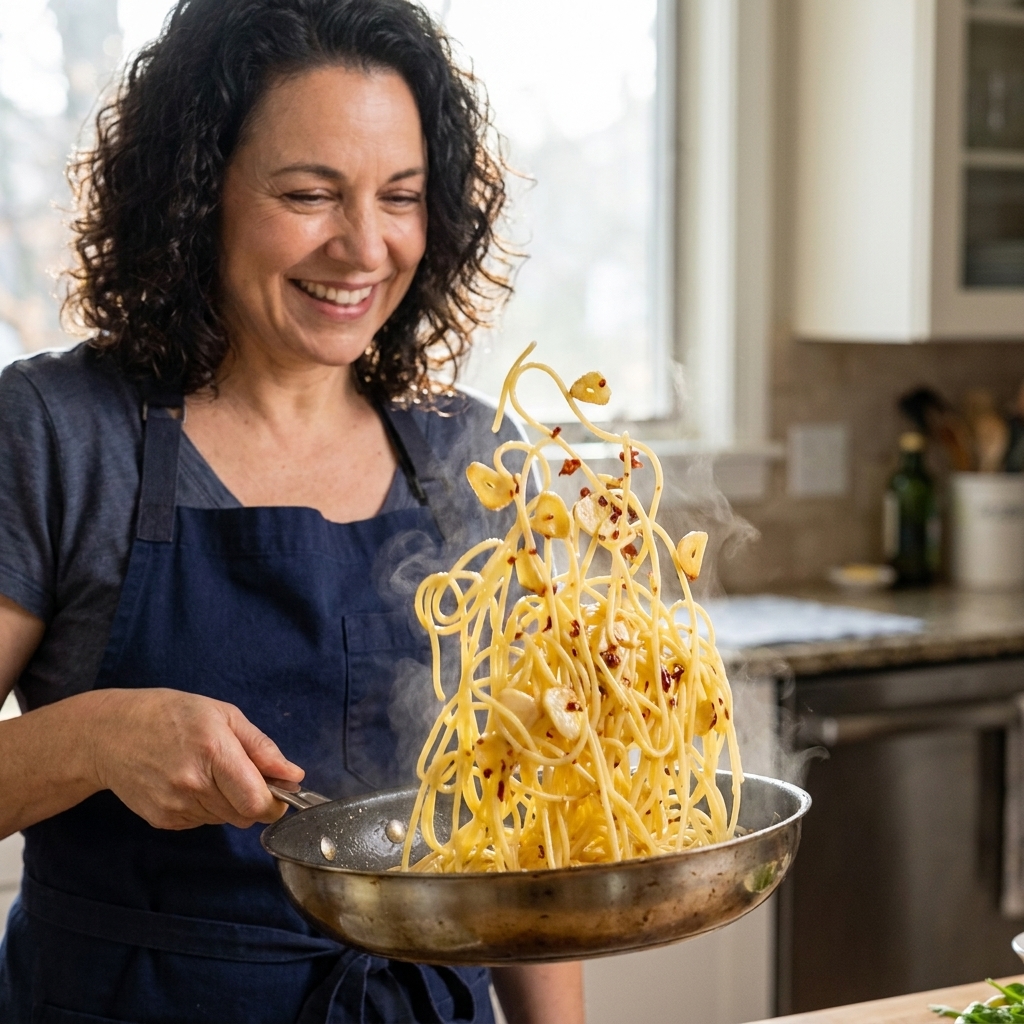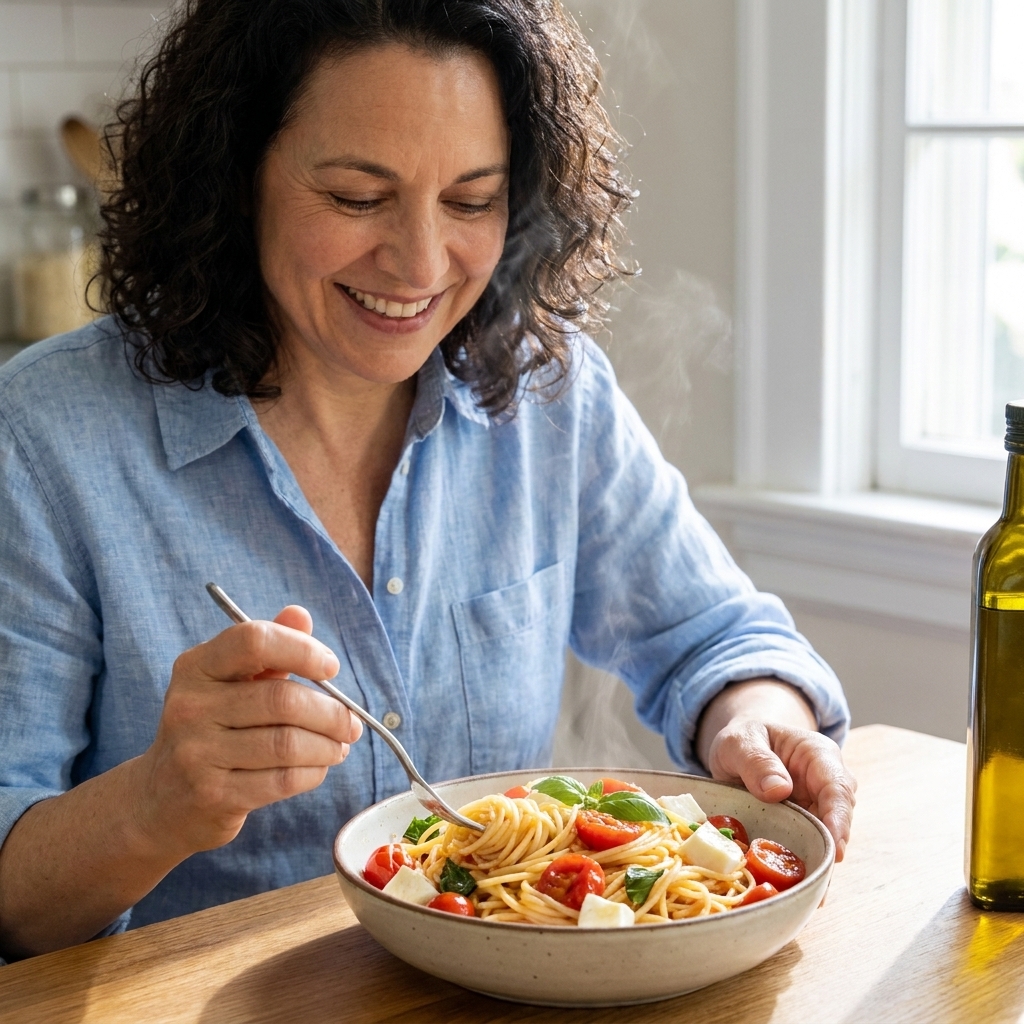
Some nights you want a real bowl of pasta, not a sad jar situation, but you also do not have time to babysit a sauce. This is my favorite little weeknight “trick”: while the pasta boils, you stir together fresh ricotta, grated cheese, herbs, and a splash of hot pasta water until it turns into a silky, creamy sauce. No cooking. No blender. No stress.
The key is using the starchy pasta water like you would in a restaurant. It loosens the ricotta, helps it cling to every noodle, and makes the whole thing taste like you worked much harder than you did.
Why this sauce works
- Ricotta does not need cooking, so it just needs to be seasoned and loosened into a sauce.
- Hot pasta water melts the cheese, smooths the ricotta, and helps everything come together into a glossy coating.
- It is flexible. Make it lemony and bright, garlicky and herby, or cozy with a pinch of chili flakes.
If your ricotta sauce has ever felt grainy or dry, it is most often one of a few things: the ricotta was very cold, you did not use enough hot pasta water, or the ricotta itself was on the drier or grainier side (part-skim can do this). All are easy fixes.
5-minute no-cook ricotta sauce
Makes: enough for 12 ounces pasta (about 3 to 4 servings)
Ingredients
- 12 ounces pasta (spaghetti, rigatoni, penne, or shells all work)
- 1 cup whole-milk ricotta (about 8 ounces)
- 1/2 cup finely grated Parmesan or Pecorino Romano, plus more to serve
- 2 to 3 tablespoons extra-virgin olive oil
- 1 small garlic clove, finely grated (optional but lovely)
- Zest of 1 lemon, plus 1 to 2 teaspoons lemon juice (optional but highly recommended)
- 2 tablespoons chopped fresh parsley or basil (or a mix)
- 1/2 teaspoon kosher salt, plus more for pasta water
- Freshly ground black pepper
- Pinch of red pepper flakes (optional)
- 3/4 to 1 1/4 cups hot starchy pasta water, as needed
How to make it
- Boil the pasta. Bring a large pot of water to a boil and salt it until it tastes like the sea. If you like a more specific guide, aim for 1 to 2 tablespoons kosher salt per gallon of water. Cook pasta until just al dente.
- Mix the base. While the pasta cooks, add ricotta, grated cheese, olive oil, garlic (if using), lemon zest, herbs, salt, and a few cracks of black pepper to a large bowl.
- Loosen with hot pasta water. When the pasta is almost done, scoop out at least 1 cup of pasta water. Start with 1/2 cup hot water in the ricotta bowl and stir hard. You are looking for a sauce that is creamy like loose yogurt. Add more water a splash at a time as needed.
- Toss immediately. Transfer the pasta straight into the bowl (tongs or a spider are great here) and toss vigorously for 30 to 60 seconds. Do not shake the pasta bone-dry. A little extra clingy water helps. If it looks thick, add another splash of pasta water and toss again.
- Finish and serve. Taste for salt, add a squeeze of lemon juice if you want brightness, and top with more cheese and pepper.
Clara tip: If you want that extra-silky finish, toss in the pasta while it is still steaming hot. Heat is your friend here.
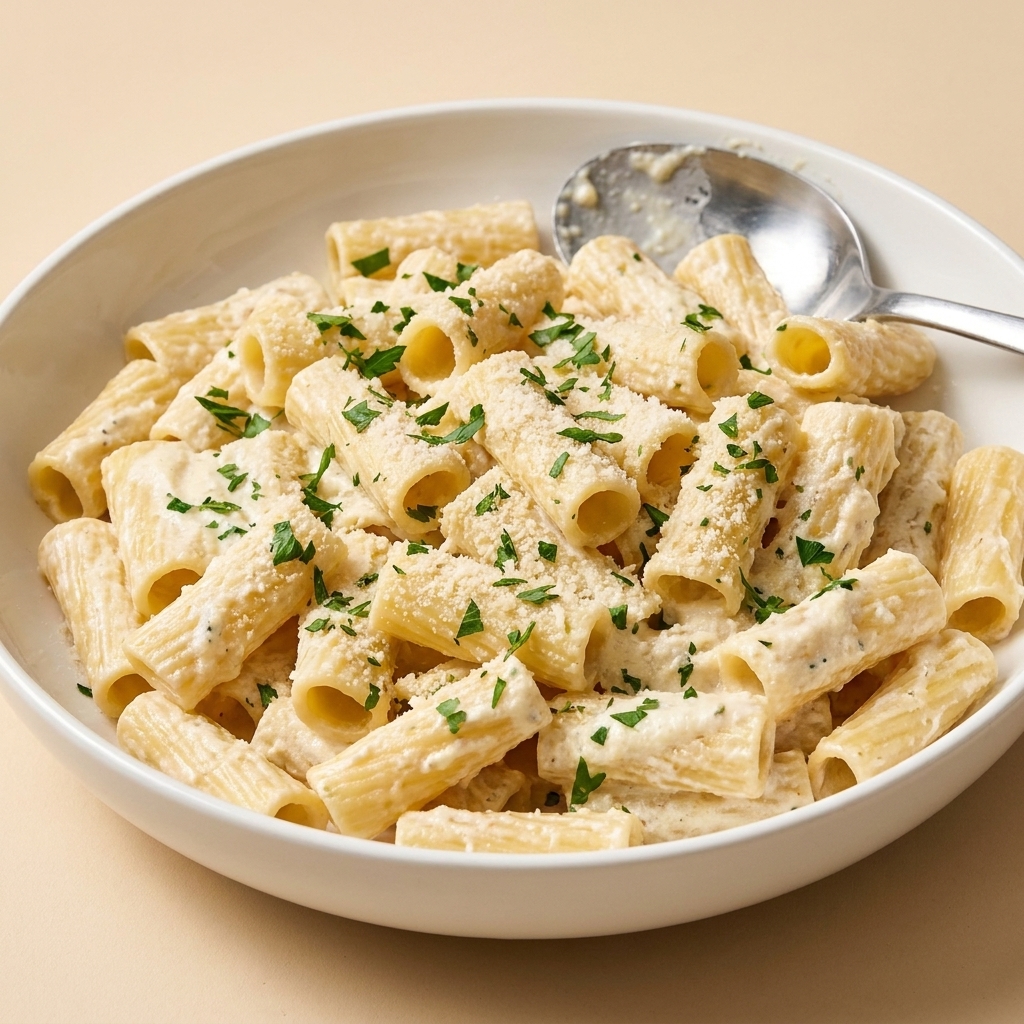
What the texture should look like
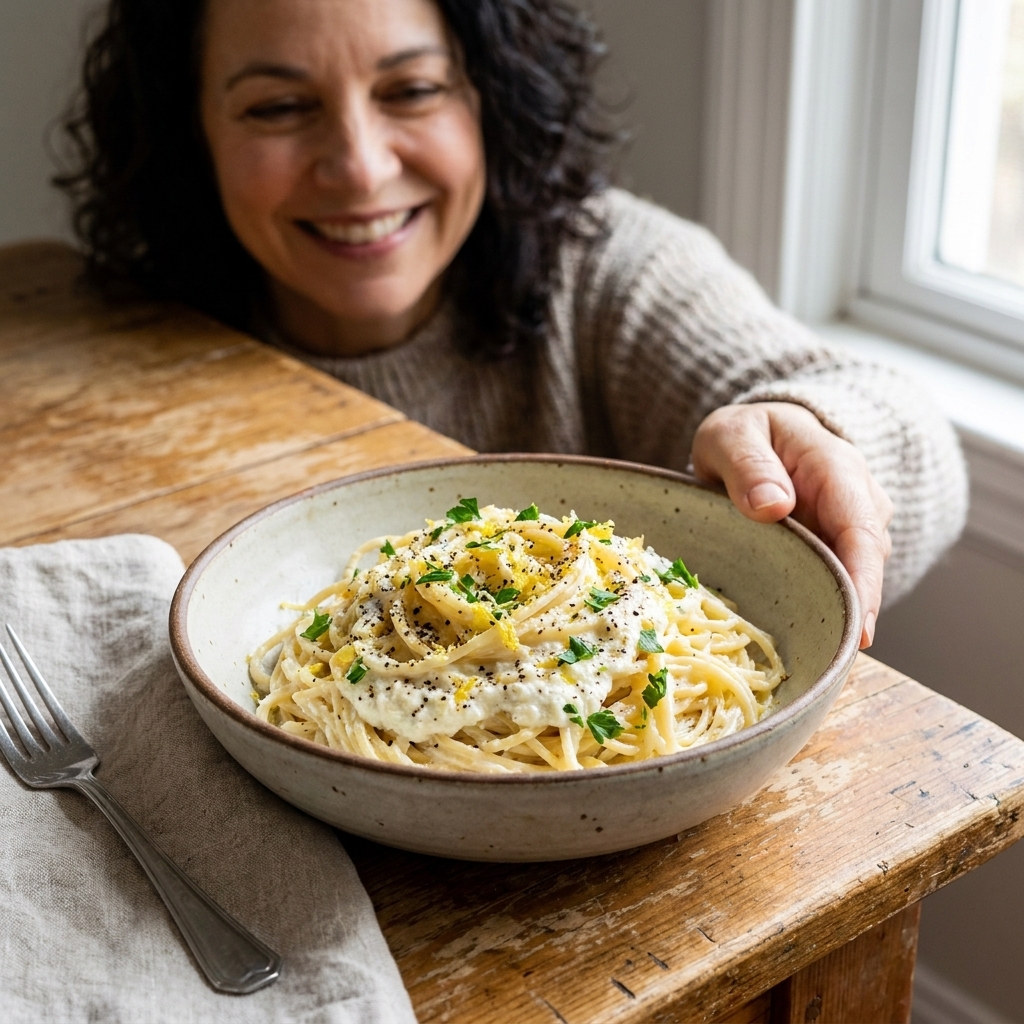
When you first stir ricotta with cheese, it will look thick and a little clumpy. Do not panic. As soon as you add hot pasta water and stir, it should turn into a smooth, pale cream that slowly slides off your spoon.
If it is still looking like “spread,” add more hot water. If it gets a little too loose, toss with the pasta anyway. The noodles will drink some up, and the starch will help it tighten into a sauce that clings.
Best pasta shapes
- Short tubes: rigatoni, penne, mezze maniche (they catch little pockets of sauce)
- Curves and ridges: fusilli, casarecce, conchiglie (shells are adorable for this)
- Long strands: spaghetti or linguine (classic and fast)
Fresh pasta works too, but it cooks quickly, so have your ricotta mixture ready before you drop it in the water.
Easy add-ins
Protein
- Crispy pancetta or guanciale: cook in a skillet while the pasta water heats, then stir in.
- Rotisserie chicken: shred and warm briefly with a spoon of pasta water.
- White beans: drain and toss in for a cozy, filling bowl.
Vegetables
- Cherry tomatoes: halved and tossed in raw for a fresh burst, or blistered quickly in olive oil.
- Spinach or arugula: fold in at the end so it just wilts.
- Zucchini: sauté thin slices until golden, then toss with the pasta.
Flavor boosters
- Lemon and basil for a bright, summery version.
- Calabrian chili paste or red pepper flakes for gentle heat.
- Toasted walnuts for crunch and a cozy, nutty finish.
Make-ahead and storage
This sauce is at its best right after mixing, when the pasta is hot and the sauce is silky. If you want to get ahead, you can:
- Mix the base (ricotta, cheese, herbs, lemon zest, garlic, seasonings) up to 24 hours ahead and refrigerate.
- When ready to eat, loosen with hot pasta water right before tossing with pasta.
Leftovers: store in an airtight container for up to 3 days, refrigerated promptly. Reheat gently with a splash of water on the stove or in the microwave. Ricotta tightens when cold, so do not be shy with the splash of water.
Troubleshooting
My sauce is grainy
Ricotta varies a lot by brand. Whole-milk tends to be smoother, and part-skim can lean grainy. Stir in more hot pasta water and a little more olive oil, and toss vigorously. If it still bothers you, press the ricotta through a fine mesh sieve next time before mixing.
My sauce is too thick
Add pasta water a tablespoon at a time until it looks creamy and spoonable. Thick is normal at first. Pasta water fixes it.
My sauce is watery
Some ricotta is wetter than others. Next time, let very wet ricotta drain in a fine mesh sieve for 5 to 10 minutes before mixing. For tonight: add a bit more grated cheese and toss over low heat for 30 seconds to tighten. Keep the heat gentle so the cheese does not clump.
It tastes bland
Add more salt, more pepper, and a little lemon juice. Also, make sure your pasta water was salted. That is where a lot of flavor comes from.
Quick serving ideas
- With a simple salad: arugula, lemon, olive oil, and shaved Parmesan.
- With roasted broccoli: the crisp edges are perfect with the creamy sauce.
- With garlic bread: because sometimes you need the full comfort package.
FAQ
Can I use part-skim ricotta?
You can, but the sauce will be a little less rich and can lean grainy. If that is what you have, add an extra tablespoon of olive oil and be generous with hot pasta water.
Do I have to use lemon?
No, but a little zest makes the sauce taste lighter and more “alive.” If you skip lemon, try a pinch of nutmeg or extra herbs for lift.
Does raw garlic make it too sharp?
It can. Grating it very finely helps it melt in. If you are sensitive to raw garlic bite, rub the mixing bowl with a cut clove instead (then discard), or use garlic-infused olive oil.
Is this the same as Alfredo?
Not exactly. Alfredo is butter and Parmesan, usually cooked and emulsified. This is a no-cook ricotta cream sauce. Different, but just as comforting in its own easy way.
Can I make it gluten-free?
Yes. Use your favorite gluten-free pasta and still save some of the cooking water. It is starchy enough to help the sauce come together.
Dinner in boiling-water time
If your evenings are anything like mine, dinner has to happen in the cracks between everything else. Keep a tub of good ricotta in the fridge, and you are five minutes away from a creamy, comforting pasta that tastes like you planned ahead.
If you make it, tell me what direction you went in: lemony and herb-fresh, or spicy and cozy. I love seeing how you make these little weeknight pasta shortcuts your own.