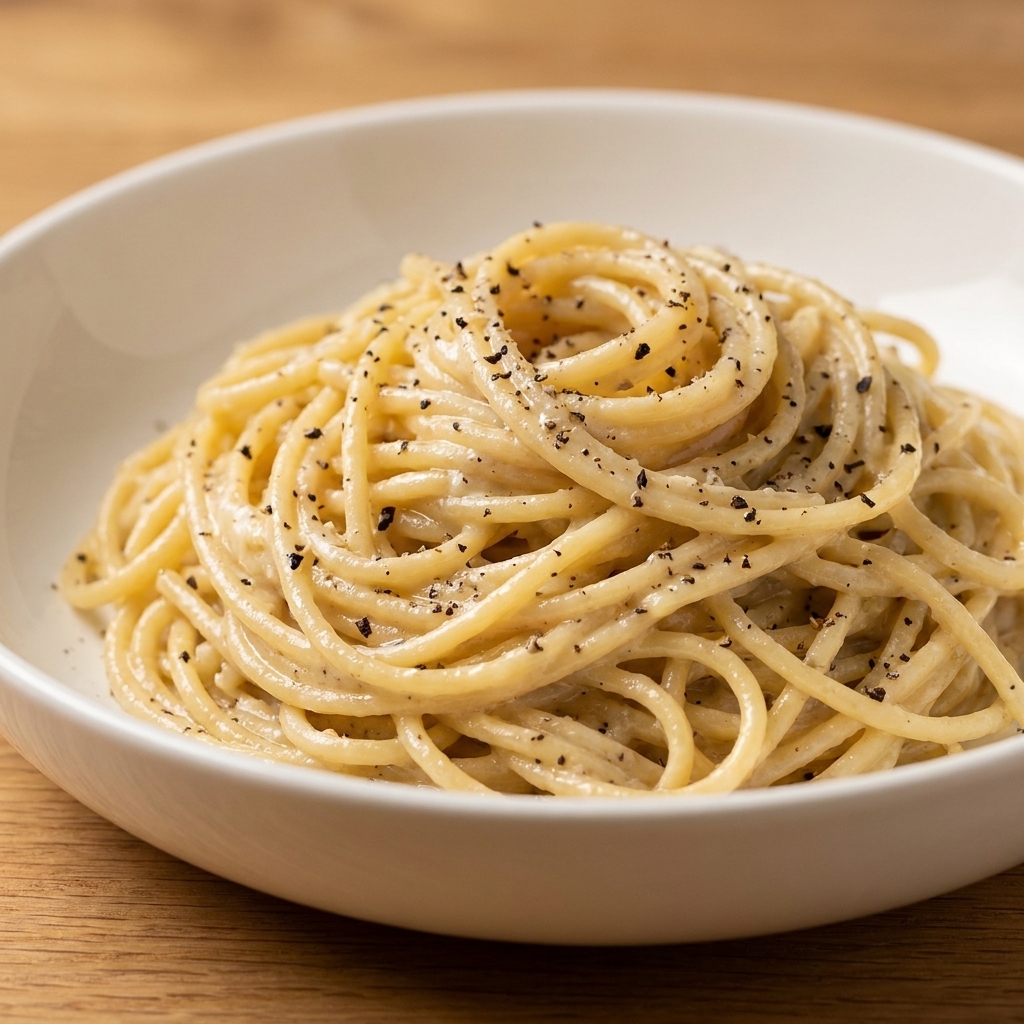
In my family, “What’s for dinner?” was rarely answered with a plan. It was answered with a pot of water going on the stove, a quick peek in the fridge, and that quiet confidence that you can always make pasta taste like something. That is the real Italian weeknight tradition I grew up with: not a strict recipe, but a set of building blocks.
You do not need a chef’s pantry or a fancy blender. You need a few essentials, a little pasta water, and your senses: how the garlic smells, how the tomatoes darken at the edges, how the sauce clings when you toss it with the pasta. Let’s make that second nature.
The weeknight Italian mindset
Italian home cooking has plenty of beloved “named” sauces, but on a Tuesday night, many of us cook more like this:
- Use what you have. A heel of cheese, two slices of prosciutto, half a zucchini.
- Cook quickly but intentionally. High heat at the right moment, low heat when needed, and no rushing the aromatics.
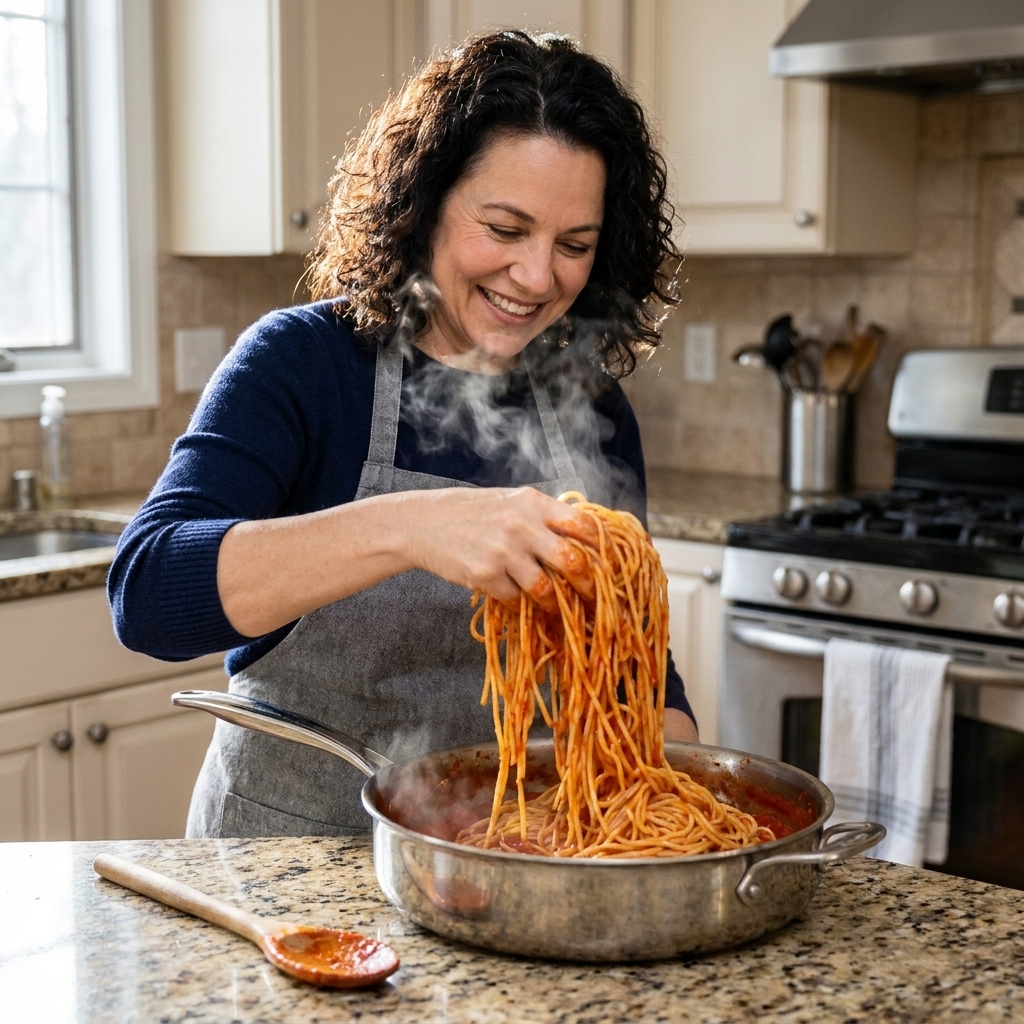
- Finish in the pan. Sauce and pasta meet and marry for the last minute or two, with pasta water doing the magic.
Once you understand the roles each ingredient plays, you can improvise confidently and still land in classic, traditional-style flavor.
How to build a sauce
Think of your sauce like a good conversation. It needs a foundation, a little warmth, something substantial, a bright moment, and then a satisfying ending.
1) Pick your base
Your base is what coats the pasta first. Choose one:
- Olive oil: clean, fast, perfect for garlic, anchovy, chili, greens.
- Butter: round and sweet, best with mushrooms, lemon, sage, prosciutto.
- Tomato: crushed tomatoes, passata, even leftover marinara.
- Broth or starchy water: great when you are building a light pan sauce with vegetables.
- Dairy: cream, mascarpone, ricotta, or Greek yogurt in a pinch (off heat).
Clara’s cue: If your base is oil or butter, do not let it smoke. You want it shimmering and fragrant, not bitter.
If you are using Greek yogurt: keep it off heat, loosen it first with a spoonful or two of hot pasta water, then stir it in gradually. It can taste tangy and it can split if it gets too hot, so ricotta or mascarpone is the more forgiving “pinch” option.
2) Add an aroma
Aromatics are your flavor starters. Use what you have, but do not use everything at once.
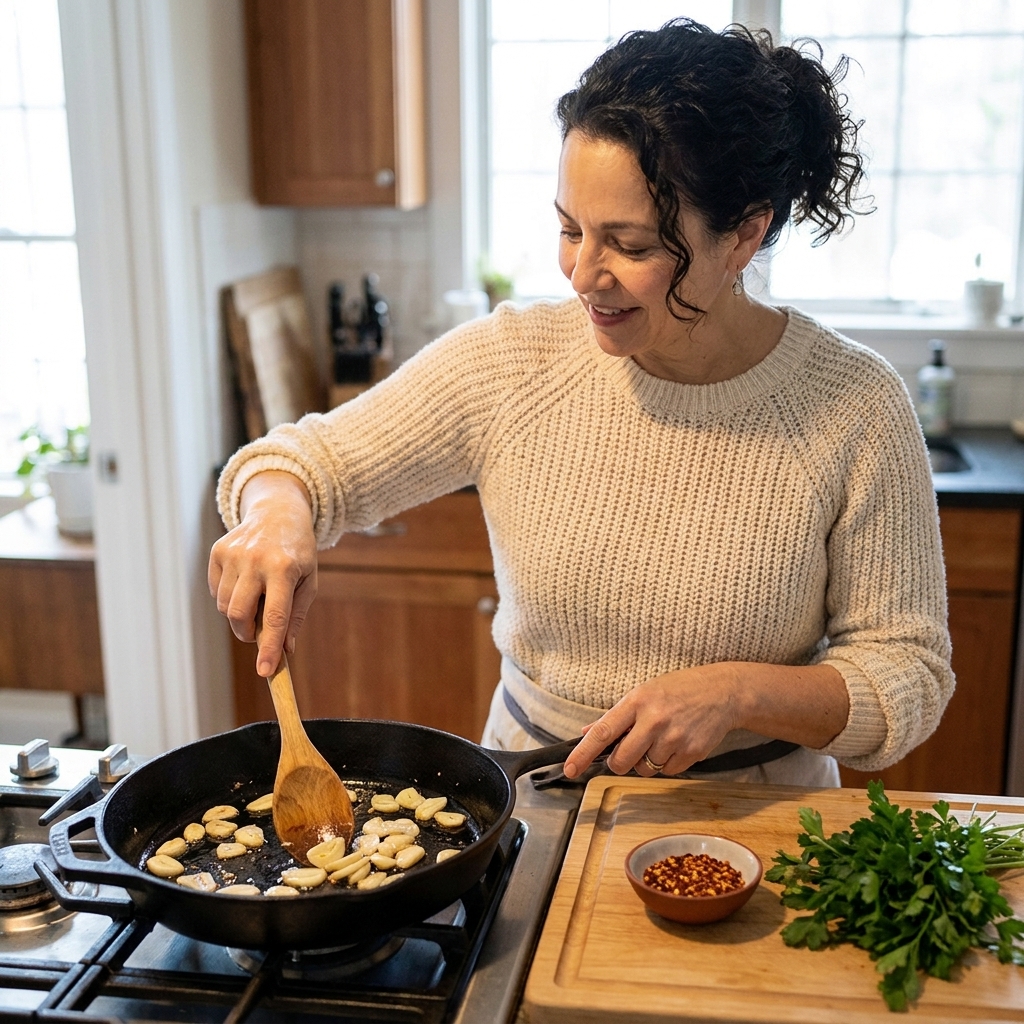
- Garlic: sliced for sweeter, slower flavor; minced for stronger punch. Keep it pale gold for the cleanest taste. If it goes too dark, it can turn bitter, so lower the heat and keep going.
- Onion or shallot: builds sweetness and body, especially in tomato or creamy sauces.
- Celery and carrot: a mini soffritto makes leftovers taste cooked on purpose.
- Chili flakes: not just heat, it wakes up the whole pan.
Sensory check: When the aromatics smell mellow and a little sweet, you are ready for the next ingredient. If they smell sharp or toasted, lower the heat and add a splash of water.
3) Build the body
This is where your fridge-foraging shines. Pick one or two, not five.
- Vegetables: zucchini, mushrooms, spinach, broccoli rabe, peas, cherry tomatoes, roasted peppers.
- Cured meats: pancetta, guanciale, prosciutto, salami, speck. A small amount goes far.
- Protein leftovers: shredded rotisserie chicken, canned tuna, cooked sausage, chickpeas.
- Pantry helpers: olives, capers, sun-dried tomatoes, artichokes.
A classic Italian move: brown cured meat first to render fat, then cook aromatics in that fat. If you are using vegetables, let them sit against the hot pan long enough to get a little color. Color equals flavor.

The pasta water rule
If you take one habit from this article, let it be this: save pasta water and use it like an ingredient.
- Salt your pasta water well, so it tastes seasoned. A useful ballpark is about 10 to 20 grams of salt per liter of water (roughly 1 to 2 percent). If you measure by spoons, remember it varies a lot by brand and crystal size. Diamond Crystal and Morton do not behave the same, so taste the water and adjust.
- Before draining, scoop out at least 1 cup of starchy water.
- Start with about 1/4 cup in the pan, then add more a splash at a time as you toss.
Clara’s cue: When the sauce is right, it looks glossy and it hugs the pasta, not puddling at the bottom of the bowl.
Two easy ways to do it: reserve water with a mug or measuring cup before you drain, or skip draining altogether and use tongs or a spider to move the pasta straight into the pan.
Heat matters: once pasta water goes in, keep things at a lively simmer, not a hard boil. You want emulsified and clingy, not splashed and broken.
Five weeknight sauce paths
These are not strict recipes. They are reliable patterns. Once you learn the shape of each one, you can swap ingredients freely.
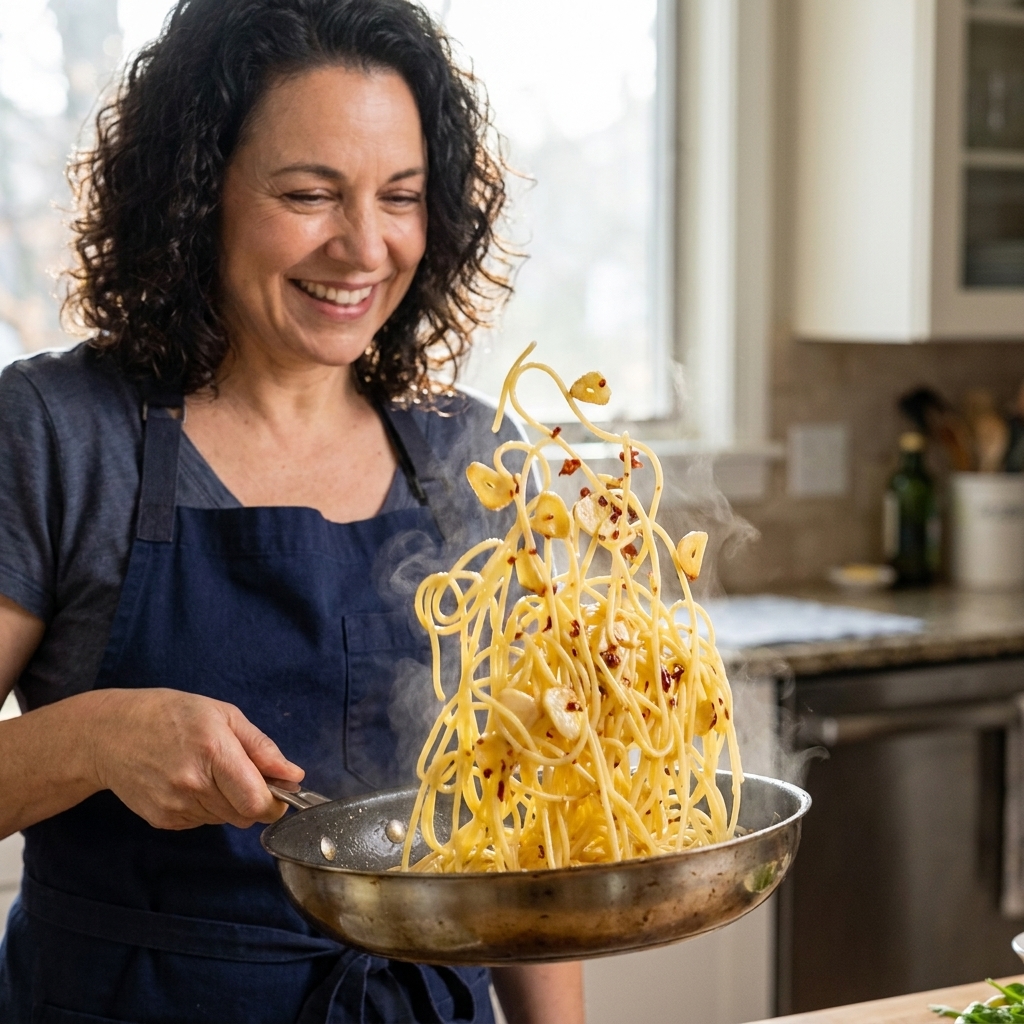
1) Aglio e olio style
Best for: when the fridge is almost empty.
- Base: olive oil
- Aroma: sliced garlic, chili flakes
- Body: wilted spinach, leftover broccoli, toasted breadcrumbs, canned tuna
- Finish: parsley, lemon zest, Pecorino (optional)
Watch out: garlic can go from golden to bitter fast. Keep the heat moderate and pull the pan off the burner for a moment if it is racing ahead.
Try this combo: oil + sliced garlic + broccoli rabe + lemon + Pecorino.
2) Tomato sprint
Best for: turning pantry tomatoes into something that tastes like you paid attention.
- Base: olive oil
- Aroma: garlic or onion
- Body: canned tomatoes plus one helper like olives, capers, anchovy, or a spoon of tomato paste
- Finish: basil, butter knob, Parmesan
Clara’s cue: Let the tomatoes sizzle until they darken slightly on the bottom of the pan, then stir. That caramelized edge gives you depth fast.
Try this combo: tomato + onion + capers + olives + basil.
3) Creamy without heavy cream
Best for: using up leftover cheese and making dinner feel luxurious.
- Base: butter or olive oil
- Aroma: shallot, black pepper
- Body: sautéed mushrooms, peas, zucchini, ham or prosciutto bits
- Finish: grated Parmesan or Pecorino plus pasta water to emulsify
Important: keep the heat low when you add cheese. High heat can make it clumpy. Toss, add pasta water, toss again.
4) Egg-and-cheese pasta, carbonara-inspired
Roman carbonara is traditionally egg, Pecorino Romano (sometimes with a little Parmigiano), guanciale, and black pepper. If you do not have those exact ingredients, you can still make a silky egg-and-cheese pasta inspired by the technique, without pretending it is the original.
- Base: rendered fat from pancetta, bacon, or even olive oil
- Aroma: lots of black pepper
- Body: crispy cured meat, peas or sautéed greens
- Finish: beaten egg mixed with grated cheese, plus pasta water off heat
Clara’s cue: the pan should be warm, not scorching, when the egg mixture goes in. Take the pan off the heat, toss hard, and use a splash of hot pasta water to smooth it out. Serve immediately. If you are pregnant, immunocompromised, or simply cautious about eggs, consider using pasteurized eggs or choosing another path.
5) Beans and greens
Best for: a hearty meal from humble ingredients.
- Base: olive oil
- Aroma: garlic, chili flakes
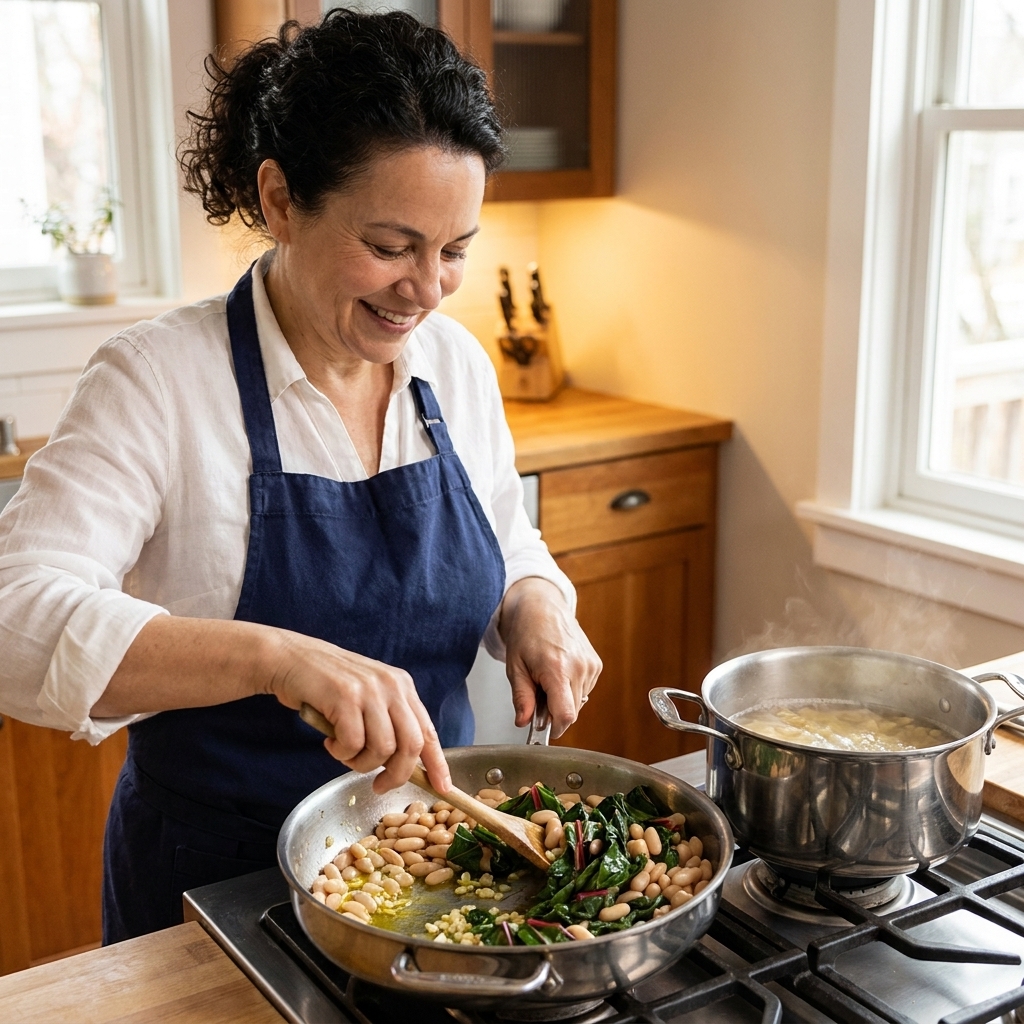
- Body: cannellini beans, chickpeas, escarole, kale, broccoli rabe
- Finish: lemon, Pecorino, extra olive oil
It is cozy, filling, and it loves short pasta shapes that trap little bits.
Try this combo: olive oil + garlic + cannellini + kale + chili + lemon.
Fridge-foraging map
Leftover cheeses
- Parmesan or Grana Padano: salty, nutty, melts smoothly. Great in almost everything.
- Pecorino Romano: sharper and saltier. Use a lighter hand, especially if you have cured meat.
- Mozzarella: best in baked or broiled finishes, or stirred in right at the end for stretch.
- Ricotta: makes an instant creamy sauce when loosened with pasta water and a little olive oil.
- Mascarpone: a spoonful makes tomato sauce silky and mellow.
Clara’s cue: if your cheese is very salty, season the sauce last. Let the cheese and pasta water guide you.
Cured meats
- Pancetta or guanciale: render slowly to crisp and release fat.
- Prosciutto: add near the end so it stays tender.
- Salami: dice and crisp quickly for spicy, savory bursts.
If you are using cured meat, you may not need extra salt at all.
Vegetables
- Watery veg (zucchini, mushrooms): use higher heat and do not crowd the pan so they brown instead of steaming.
- Leafy greens: add at the end with a splash of pasta water, cover for 30 seconds to wilt.
- Roasted leftovers: chop and warm through, then finish with lemon or vinegar for brightness.
A 20-minute method
- Put the pasta water on. Salt it well.
- Start your base in a large pan. Oil or butter, medium heat.
- Add aromatics. Cook until sweet-smelling.
- Add your body ingredients. Brown or soften, depending on what they are.
- Undercook the pasta by 1 minute. Move it straight into the pan. (Fresh pasta cooks faster, so keep an eye on it and shave off less time.)
- Add pasta water and toss. Start with about 1/4 cup, then add more as needed. Keep tossing until glossy and clingy.
- Finish off heat. Cheese, herbs, lemon, extra oil. Taste, then adjust.
Once you can do that with your eyes mostly off the clock, you will never feel stuck at dinner again.
Fix it fast
If it tastes flat
- Add a pinch of salt, or a salty helper like Parmesan.
- Add a bright note: lemon zest, a squeeze of lemon, a teaspoon of capers, or a tiny splash of vinegar.
- Add heat: chili flakes.
If it tastes too salty
- Add more pasta water and more pasta, if you have it.
- Add unsalted fat like olive oil or a knob of butter.
- Add a mild ingredient: a spoon of ricotta or a handful of sautéed veg.
If it is too thick
- Pasta water, a splash at a time, tossing between splashes.
If it is too thin
- Keep tossing over medium heat for 30 to 60 seconds.
- Add a little grated cheese to help tighten and emulsify.
Quick pasta pairings
- Long pasta (spaghetti, linguine): oil-based, creamy emulsions, quick tomato.
- Short tubes (penne, rigatoni): chunkier sauces with veg, meat, beans.
- Ridges and twists (fusilli, strozzapreti): anything with little bits like olives, capers, sausage.
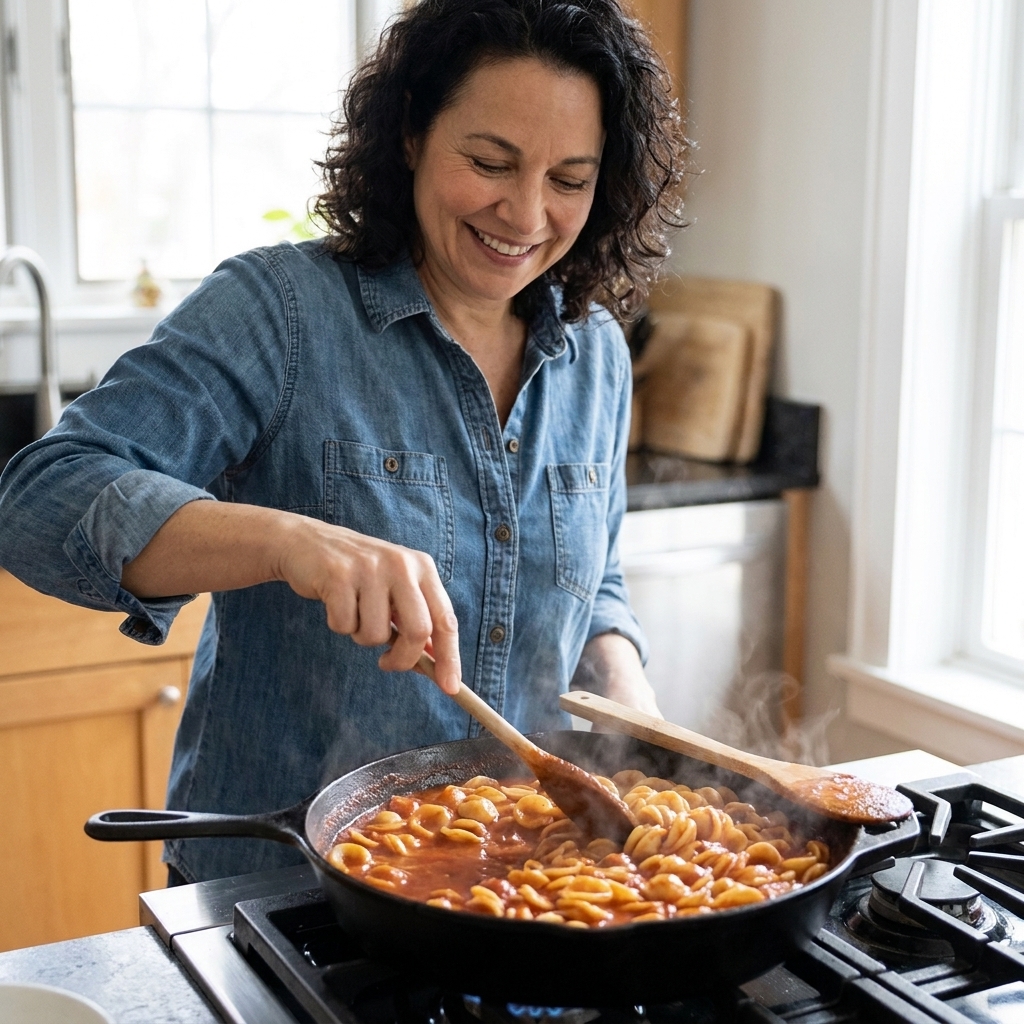
- Small shapes (orecchiette, ditalini): beans and greens, quick ragù-style leftovers.
Clara’s cue: if your sauce has chunks, choose a shape with ridges or pockets. If your sauce is silky, choose something that lets it coat every strand.
FAQ
Is it still traditional-style if I am making it up?
Yes. The “realness” often comes from the method: good ingredients, simple technique, finishing with pasta water, and keeping the pasta as the main event.
Can I use jarred sauce and still make it taste homemade?
Absolutely. Warm it in a pan with olive oil and a clove of garlic, or sauté onion first, then add the sauce. Finish with basil, a knob of butter, and a splash of pasta water. That last toss with the pasta makes the biggest difference.
What is the biggest mistake with weeknight pasta sauces?
Draining the pasta and leaving it sitting while the sauce waits. Pasta should go straight into the pan so it finishes cooking in the sauce and absorbs flavor.
What can I do with the Parmesan rind?
Simmer it in tomato sauce, bean pots, and soups for extra savoriness, especially if the pot is going for a while. Fish it out before serving. (You can drop a small piece into pasta water out of curiosity, but the bigger payoff is in longer simmers.)
Your next Tuesday night
Next time you are tempted to order takeout, do this instead: put on pasta water, open the fridge, and pick one base, one aroma, and one body ingredient. Promise yourself you will finish in the pan with pasta water and a handful of cheese.
That is the Linguinara way. Not perfection, just a warm bowl of pasta that tastes like you meant it.