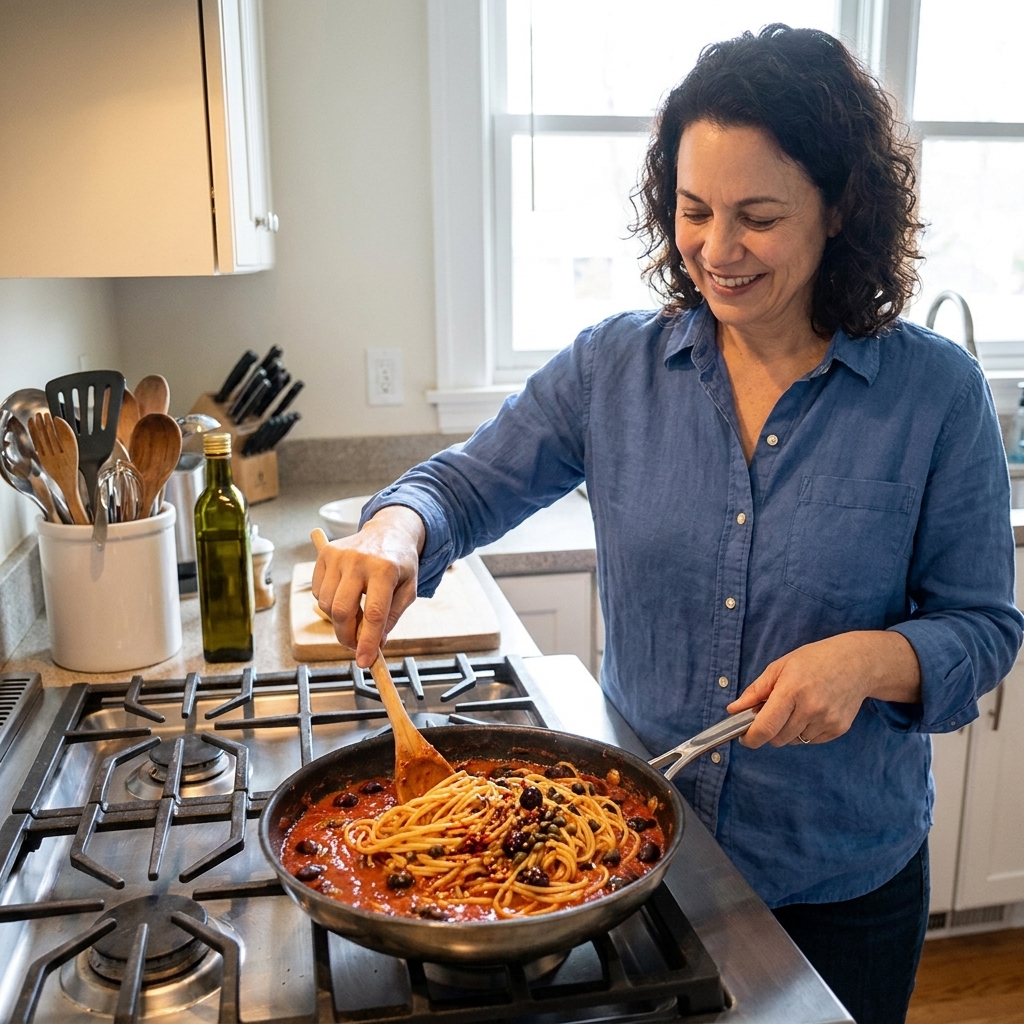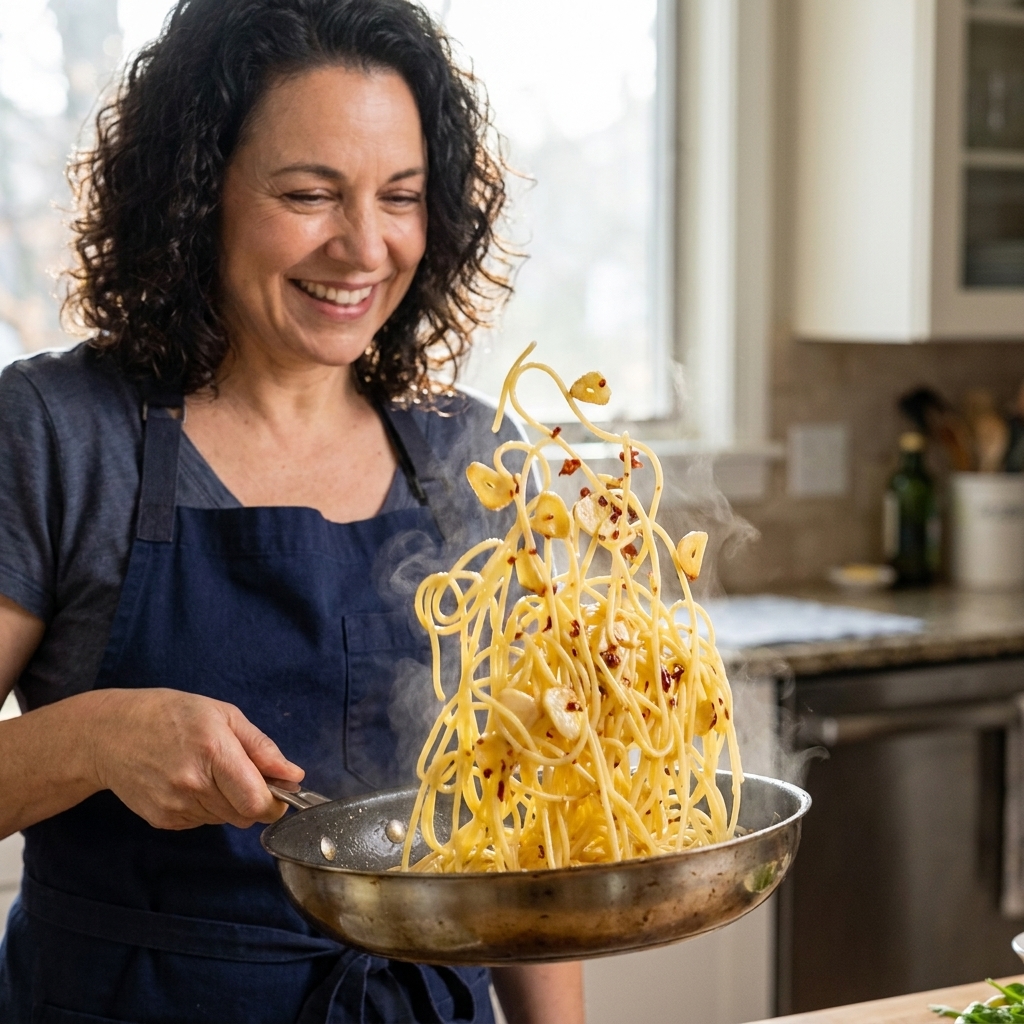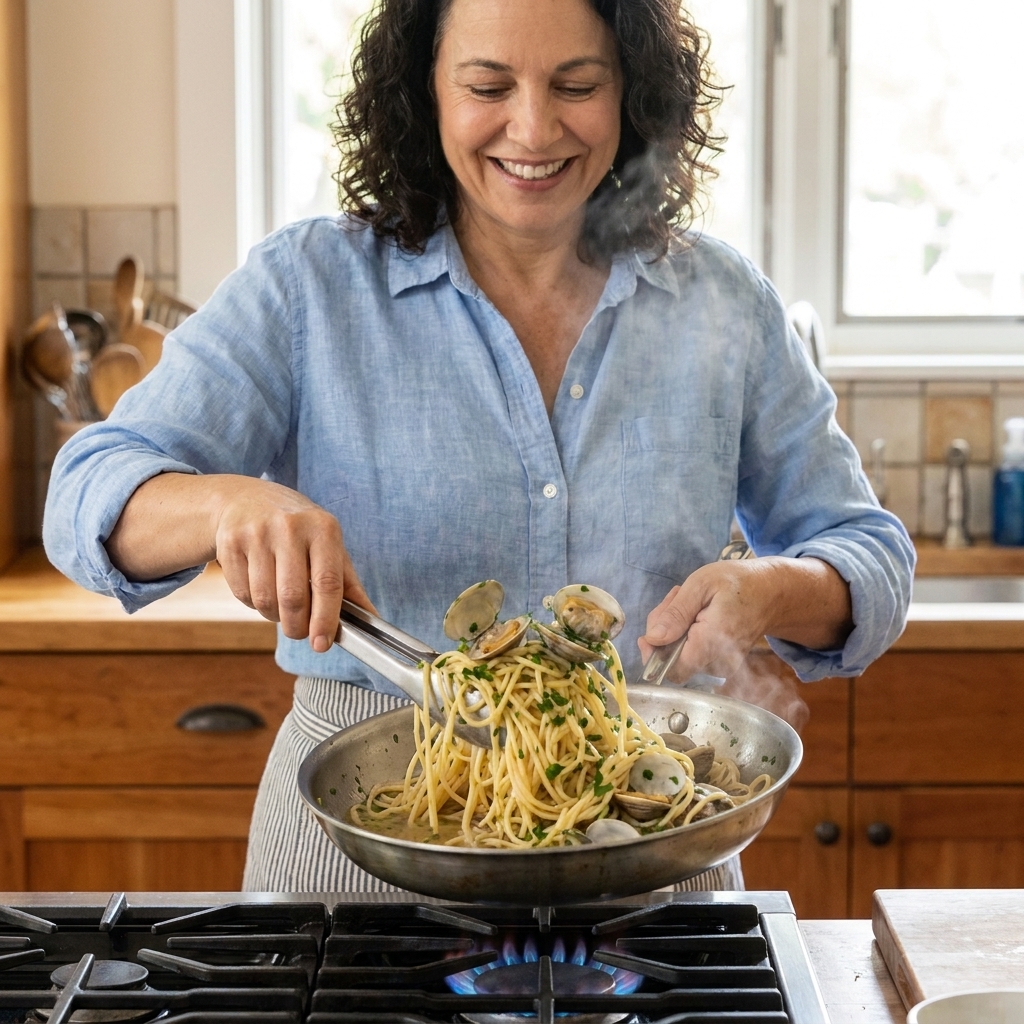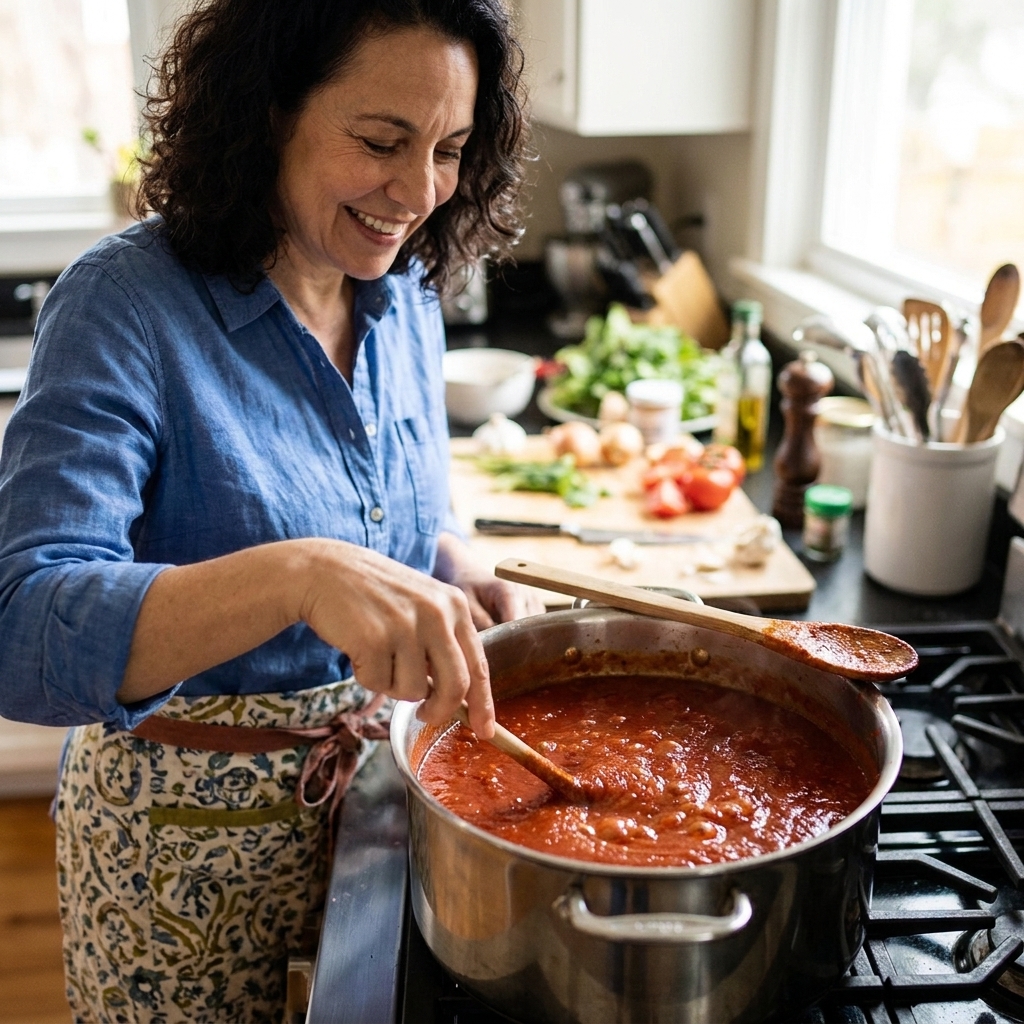
There is a special kind of comfort in a pantry pasta that tastes like you actually planned dinner. Pasta al tonno is exactly that. It is the kind of meal my family could pull together on a Tuesday when the fridge looked bare, but the table still needed to feel loved: garlic warming in olive oil, a quick simmer of tomatoes, then tuna stirred in at the end so it stays silky and rich.
The secret is not doing anything fancy. The secret is doing a few simple things on purpose: use good tuna, let the garlic gently perfume the oil, and marry the sauce with pasta water so every bite clings.

What makes it authentic
In many Italian homes, pasta al tonno is a true pantry staple. There is no single, official version, but a very common traditional approach keeps the ingredient list short and lets quality do the talking.
- Tuna packed in olive oil for flavor and texture (it turns tender and rich in the warm sauce instead of drying out).
- Garlic and extra virgin olive oil as the base, warmed gently so it turns fragrant, not bitter.
- Tomatoes, often passata or crushed tomatoes, simmered briefly so the sauce stays bright.
- Starchy pasta water to emulsify and make the sauce cling.
You will also see regional and family add-ons like capers, olives, anchovy, a little peperoncino, or even a bianco version with no tomato. Below, I will show you when to add them and how much so the tuna still tastes like the star.
Best tuna to use
If pasta al tonno ever tasted boring to you, it is almost always the tuna.
Choose this if you can
- Jarred Italian tuna in olive oil: tender, meaty, and deeply savory.
- Solid canned tuna in olive oil: widely available and perfect for weeknights.
Can I use tuna in water?
You can, but add a little extra olive oil to the sauce and be gentle with heat after the tuna goes in. Tuna in water dries out faster. Think: warm it through, then stop.
Ingredients (serves 4)
- 400 g pasta (spaghetti, linguine, mezze maniche, or rigatoni)
- 3 tbsp extra virgin olive oil, plus more to finish
- 3 garlic cloves, thinly sliced
- 1/2 tsp crushed red pepper flakes (optional)
- 400 g crushed tomatoes (or passata)
- 2 cans tuna in olive oil (2 x 140 to 200 g cans, aiming for about 160 to 200 g drained total)
- Salt
- Black pepper
- 2 tbsp chopped parsley (or a little torn basil)
- Optional: 1 tbsp capers, rinsed and patted dry
- Optional: zest of 1/2 lemon (only at the end)
Cheese note: In many Italian households, we often skip cheese with fish. If you love a salty finish, use toasted breadcrumbs instead, or just a gorgeous drizzle of olive oil.
How to make Pasta al Tonno
Plan to move quickly once the pasta water is boiling. This sauce is fast, and that is the point.
1) Boil the pasta
Bring a large pot of water to a boil and salt it well. It should taste pleasantly salty, like the sea. If you want a baseline, start with about 1 to 2 tablespoons kosher salt for a large pot, then adjust to taste. Cook the pasta until just shy of al dente, because you will finish it in the sauce.
Tip: Before draining, scoop out 1 to 2 cups of pasta water. You will usually start with 1/2 cup, then add more as needed. That starchy water is the difference between sauce that sits on top and sauce that hugs every strand.
2) Build the base
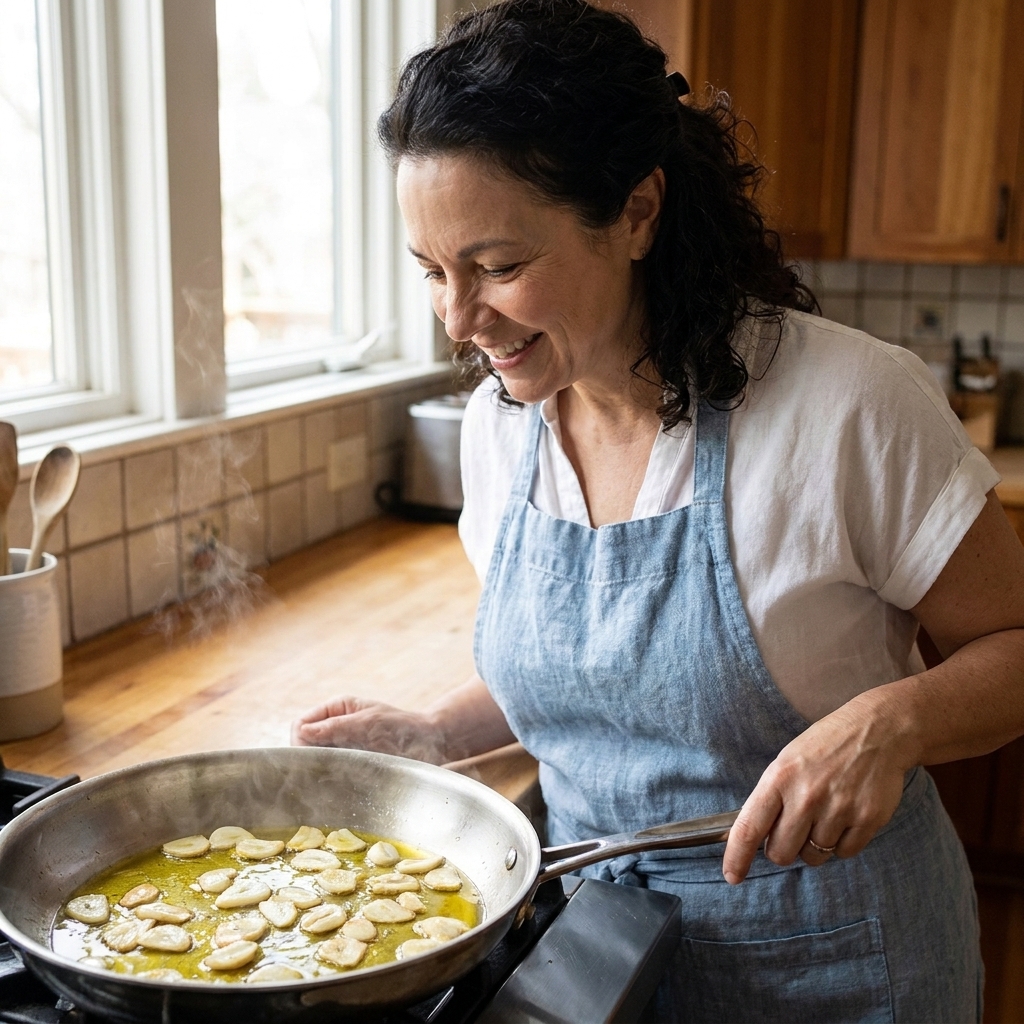
While the pasta cooks, warm the olive oil in a large skillet over medium-low heat. Add the sliced garlic (and pepper flakes if using).
Cook gently until the garlic smells sweet and toasty and turns the lightest blond at the edges, about 1 to 2 minutes. If it starts to brown fast, lower the heat right away. Bitter garlic can ruin an otherwise beautiful sauce.
3) Simmer the tomatoes briefly
Add the crushed tomatoes and a pinch of salt. Stir and let the sauce simmer for about 6 to 8 minutes, just until it thickens slightly and tastes rounded instead of raw.
If you are using capers, add them now so they soften and season the sauce.
4) Add tuna at the end
Lower the heat to low. Flake the tuna into the pan, including a spoonful of its olive oil if you like. Stir gently and warm it through for about 1 minute. You want the tuna to stay tender, not cooked to death.
5) Finish the pasta in the sauce
Add the nearly cooked pasta directly into the skillet. Toss well, adding pasta water a splash at a time, until the sauce looks glossy and clings to the pasta.
This is the little Italian “magic” moment: oil, tomato, and starchy water emulsify into something silky.
Turn off the heat. Add parsley and a few grinds of black pepper. Taste and adjust salt.
6) Serve
Serve immediately with a final drizzle of extra virgin olive oil. If you like lemon, add a touch of zest right at the end for a clean, bright lift.
Timing and weeknight strategy
- Start to finish: about 20 minutes (depending on pasta shape and how quickly your water boils)
- Best multitask: start the sauce as soon as the pasta water goes on
- Keep it cozy: simmer tomatoes while pasta cooks, then tuna goes in last
If you are the kind of cook who gets flustered, do this: open the tuna cans, slice the garlic, and measure the tomatoes before you turn on the stove. Two minutes of prep makes the whole thing feel calm.
Common mistakes
Burning the garlic
Keep the heat moderate to low. Garlic should smell warm and fragrant, never sharp or acrid. If it browns, start over. It is worth it.
Overcooking the tuna
Tuna is already cooked. Treat it like something delicate. Stir it in to warm through, then focus on emulsifying with pasta water.
Skipping the pasta water
Without it, the sauce can feel oily or thin. Add a splash, toss, and watch it turn glossy.
Using too much tomato
This is not meant to be a heavy red sauce. Keep it quick and bright. If you want it less tomato-forward, use a little less crushed tomato and add an extra spoon of olive oil.
Variations
Bianco (no tomato)
Skip the crushed tomatoes. Add a generous splash of pasta water, plus lemon zest and parsley. Finish with olive oil. It is clean, salty, and very weeknight-friendly.
With olives
Add 1/3 cup sliced Gaeta or Kalamata olives when you add the tomatoes. They melt into the sauce in the best way.
With anchovy
Mash 1 anchovy fillet into the olive oil with the garlic (or up to 2 if you love it). It disappears and adds deep savoriness, not “fishiness”.
With more heat
Add 1/4 to 1/2 teaspoon peperoncino or crushed red pepper flakes with the garlic, then taste again after tossing with pasta water.
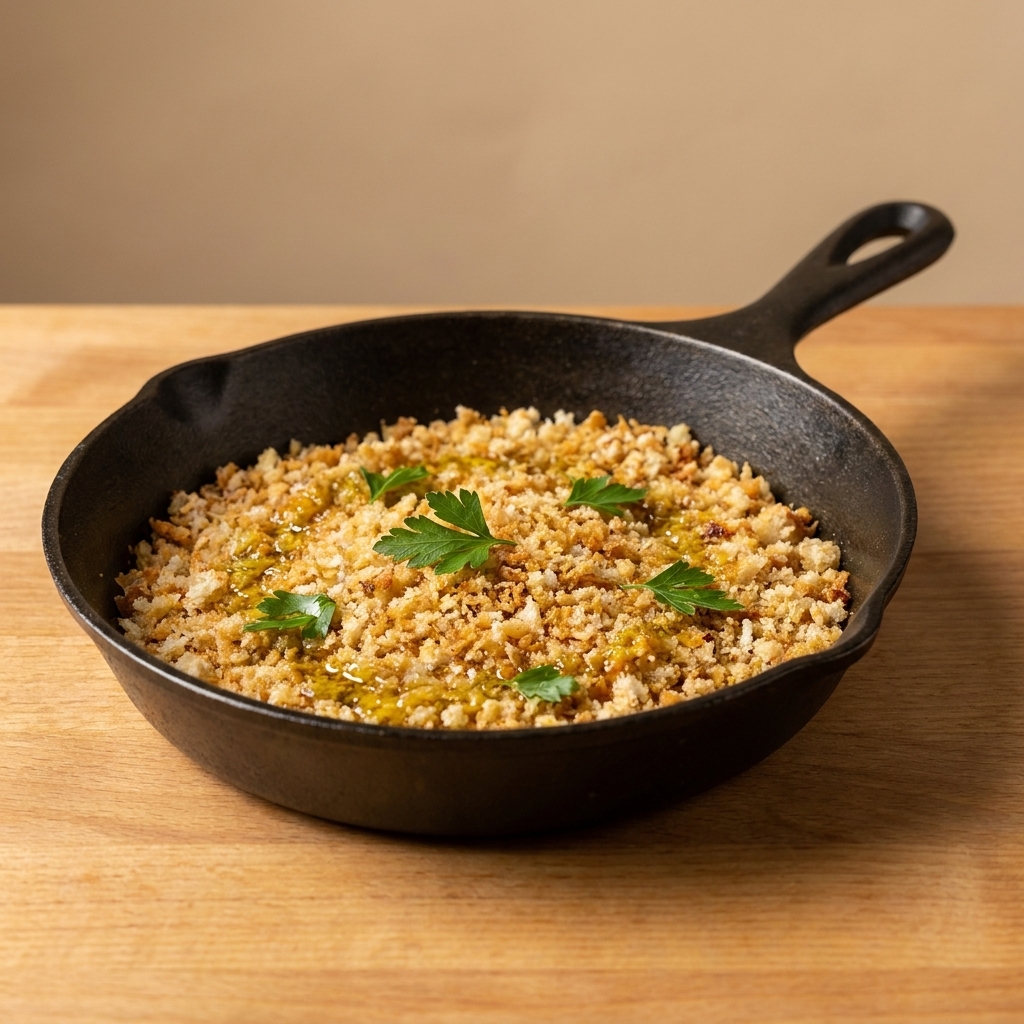
With breadcrumbs instead of cheese
Toast fresh breadcrumbs in olive oil with a pinch of salt until golden, then sprinkle on top at the table for crunch.
What to serve with it
- Simple green salad with lemon and olive oil
- Roasted broccoli rabe or sautéed broccolini with garlic
- Fennel and orange salad for something bright and crisp
- Warm crusty bread to swipe the plate clean
Storing and leftovers
This pasta is best right after tossing, when the sauce is glossy and the tuna is tender. If you do have leftovers:
- Refrigerate in an airtight container and cool promptly, up to 2 days.
- Reheat gently in a skillet with a splash of water and a drizzle of olive oil until steaming. Low heat keeps the tuna from turning dry.
Quick FAQ
Can I use spaghetti?
Absolutely. Spaghetti and linguine are classic here. Short pasta like rigatoni is great if you want more bite.
Do Italians put Parmesan on tuna pasta?
Typically no, especially with fish. That said, plenty of people do what they like. If you want a savory finish that feels traditional, try toasted breadcrumbs or extra parsley and olive oil.
Should I drain the tuna?
Drain most of the oil, but feel free to keep a spoonful to enrich the sauce. That olive oil carries a lot of flavor.
Can I make it spicy?
Yes. Add a pinch of peperoncino or crushed red pepper flakes with the garlic, then taste after tossing.