There are nights when you want a bowl of pasta that tastes like you planned ahead, even when you absolutely did not. That is exactly where spaghetti alla puttanesca shines. It is salty, briny, a little spicy, and the sauce clings to every strand of spaghetti like it means it.
If you keep canned tomatoes, olives, capers, and anchovies around, you are basically a weeknight-fast dinner away, usually about 20 to 30 minutes depending on how quickly your water boils. I will walk you through the whole thing with the little sensory cues that matter, like when the garlic is perfectly fragrant and when the sauce has cooked just enough to go glossy and rich.
Why it works
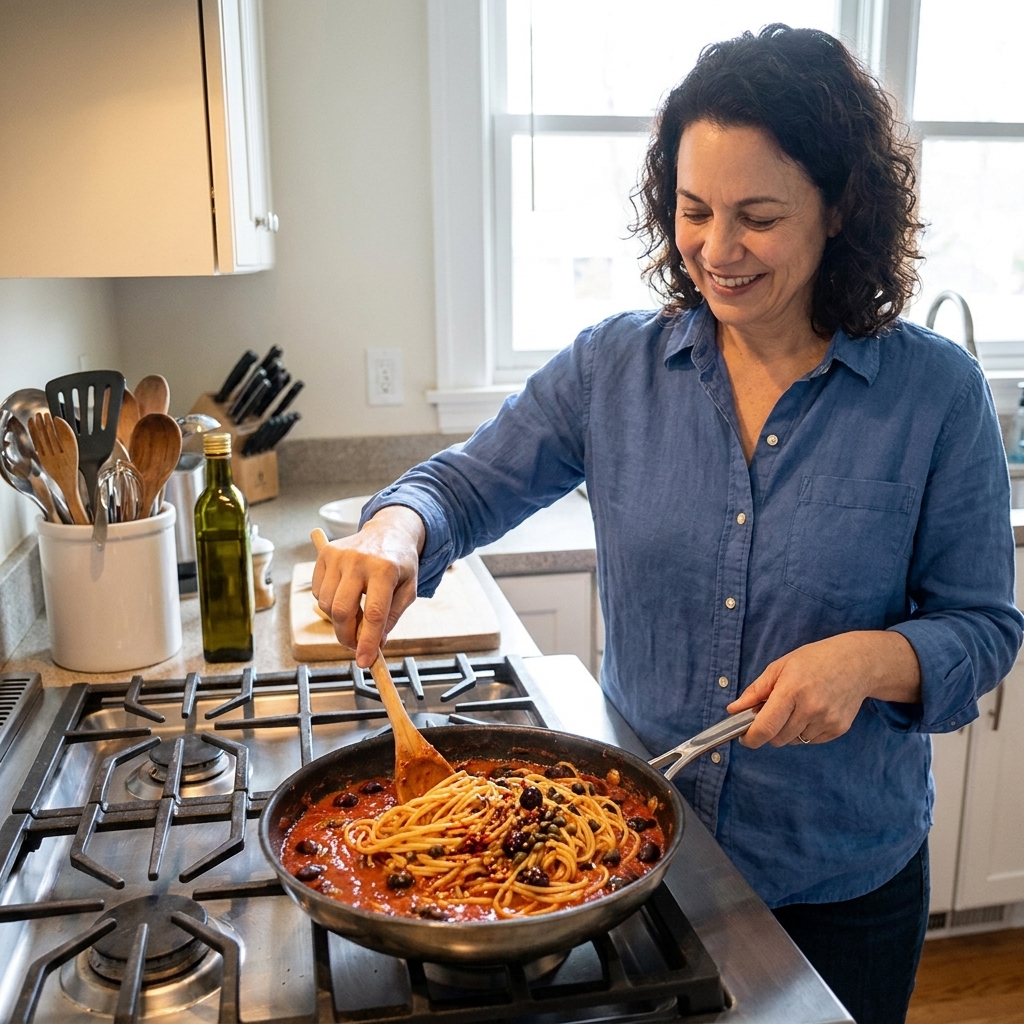
Puttanesca is one of those genius Italian pantry sauces that tastes complex because it is built in layers. You start with olive oil and garlic, then melt anchovies into the oil so they become seasoning, not chunks. Tomatoes simmer briefly, then olives and capers go in for that punchy, seaside salinity.
The whole thing is bold on purpose. The trick is balance, not restraint: enough anchovy to deepen the sauce, enough caper brine to wake it up, and just enough pasta water to make it silky.
Ingredients
Serves: 3 to 4
- 12 ounces spaghetti
- 2 tablespoons extra virgin olive oil
- 3 to 4 garlic cloves, thinly sliced
- 4 to 6 anchovy fillets (from a tin or jar)
- 1/4 to 1/2 teaspoon red pepper flakes (to taste)
- 1 (28-ounce) can whole peeled tomatoes, crushed by hand (or 1 can crushed tomatoes)
- 1/3 cup pitted Kalamata or oil-cured olives, roughly chopped
- 2 tablespoons capers, drained (rinse if yours are very salty)
- 1 tablespoon caper brine (optional, but wonderful)
- Salt (for pasta water) and fresh black pepper
- 2 tablespoons chopped parsley (optional, but it brightens everything)
About cheese: Puttanesca is often served without Parmesan since the flavors are already intense and seafood-adjacent. That said, it is your kitchen. If you love a little cheese, a small sprinkle will not hurt my feelings.
Step by step
1) Boil the pasta
Bring a large pot of water to a boil. Salt it until it tastes pleasantly like the sea, salty but not bitter. Add the spaghetti and stir for the first 30 seconds so it does not clump.
Timing tip: Start the sauce as soon as the pasta goes in. They will finish together.
Pasta doneness: Cook the spaghetti until it is about 2 minutes shy of al dente (check the package timing, then subtract a couple minutes). It will finish in the sauce.
2) Start the sauce
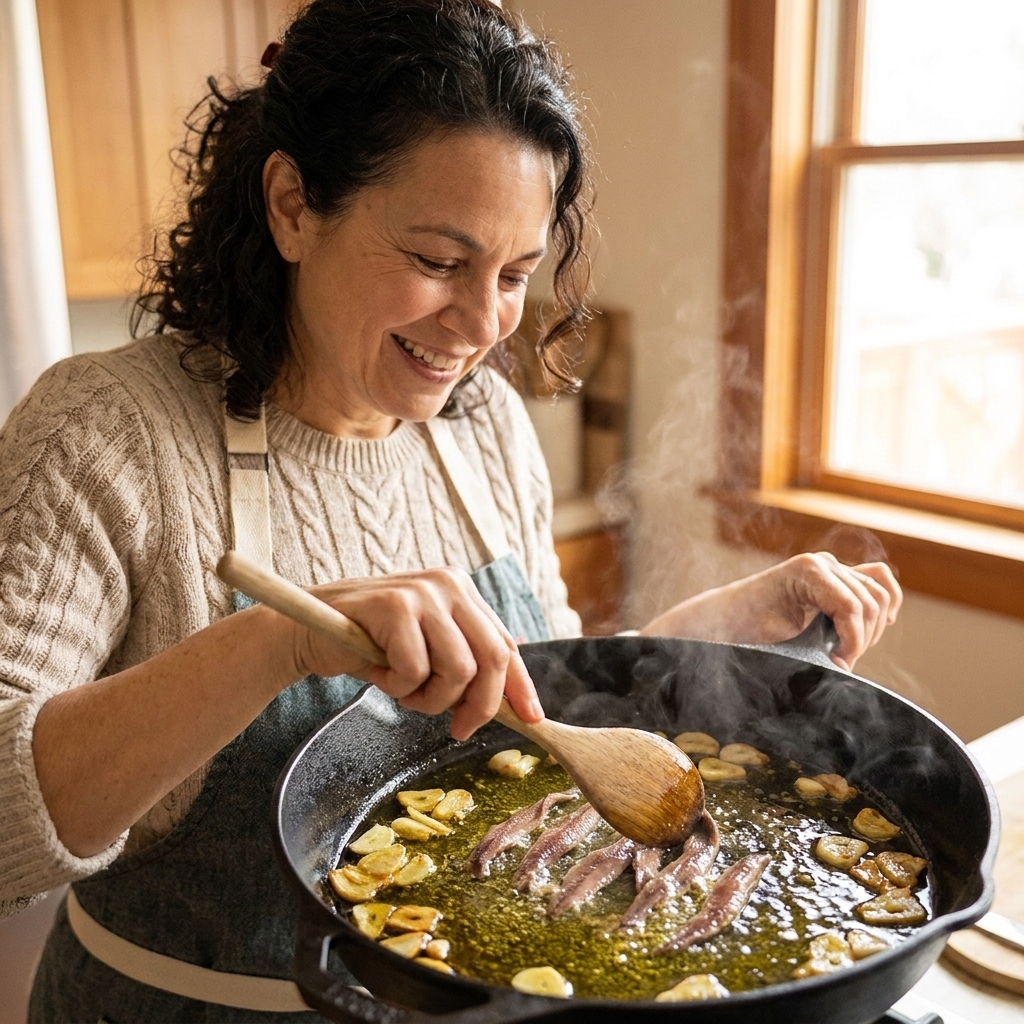
In a large skillet over medium heat, warm the olive oil. Add the sliced garlic and cook for about 30 to 60 seconds, just until it smells fragrant and turns the faintest golden at the edges. Do not let it brown hard, or it will taste bitter.
Add the anchovy fillets and red pepper flakes. Stir and mash the anchovies with a wooden spoon until they melt into the oil. When you cannot really see them anymore, you are done.
3) Add tomatoes
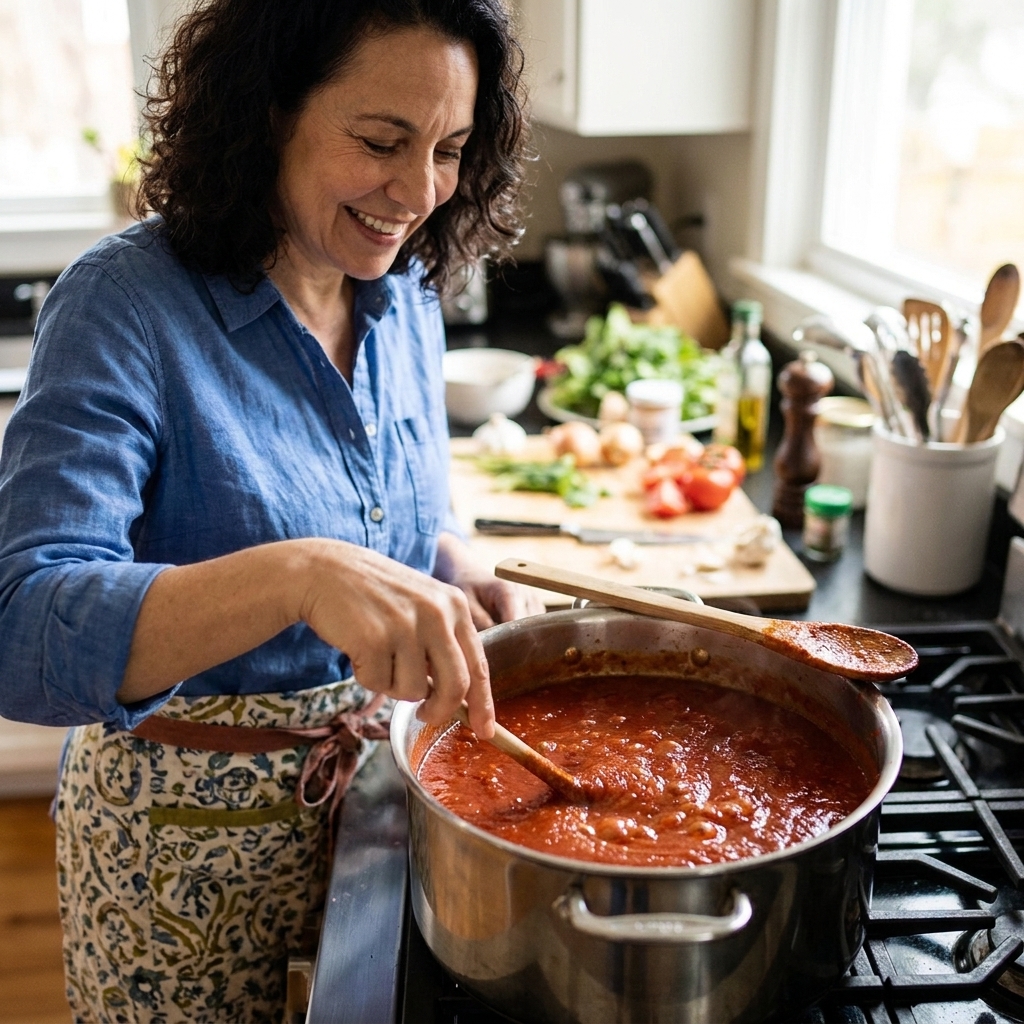
Add the tomatoes (with their juices) and stir, scraping up anything flavorful from the pan. Bring the sauce to a lively simmer, then lower the heat and let it cook for about 6 to 8 minutes.
You are looking for the sauce to go from bright and raw to slightly darker and cohesive. It should smell rounder, more like a sauce and less like a can.
4) Add olives and capers
Add the chopped olives and capers. Simmer 2 minutes more. Taste the sauce before adding any salt because the anchovies, capers, and olives bring a lot of their own.
If you want a little extra punch, stir in a splash of caper brine. It is a small thing, but it makes the flavor feel awake.
5) Toss and finish
Before draining, reserve 1 cup pasta water. Then drain the spaghetti.
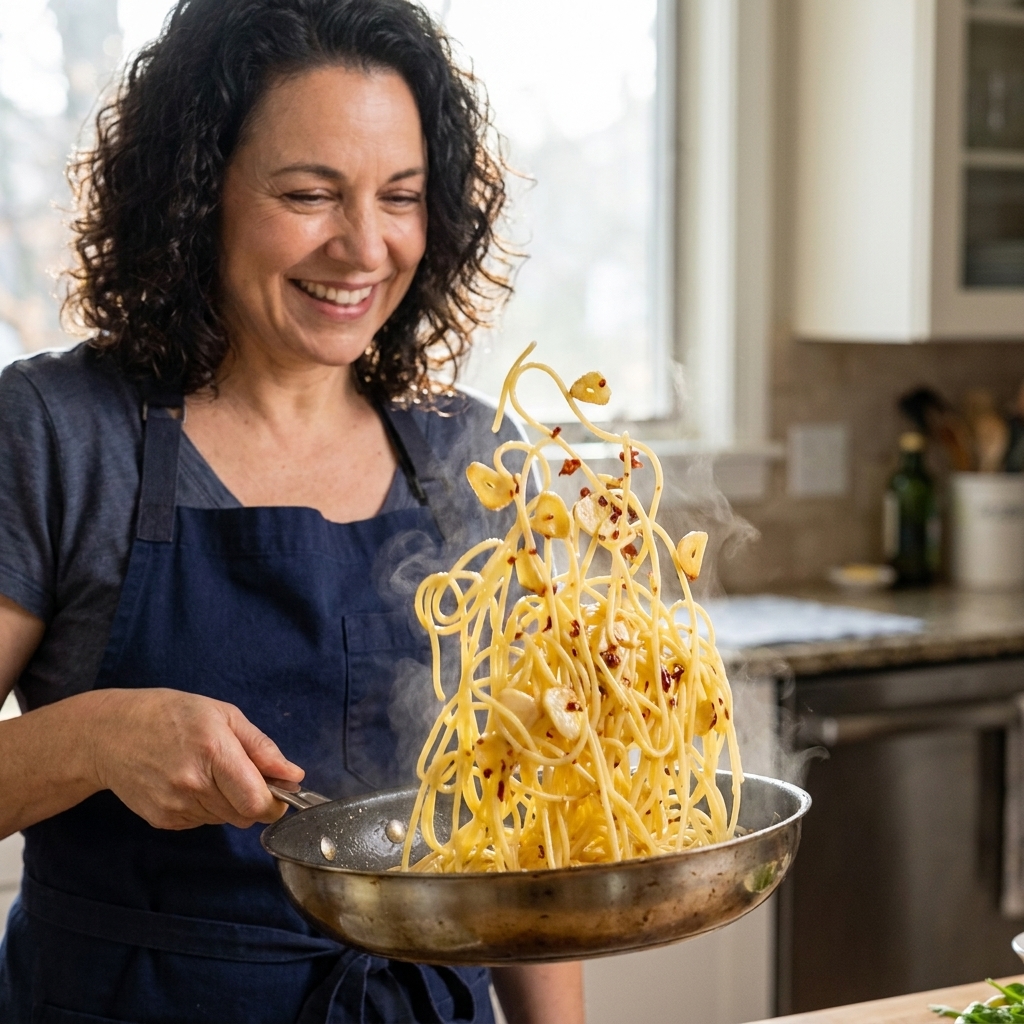
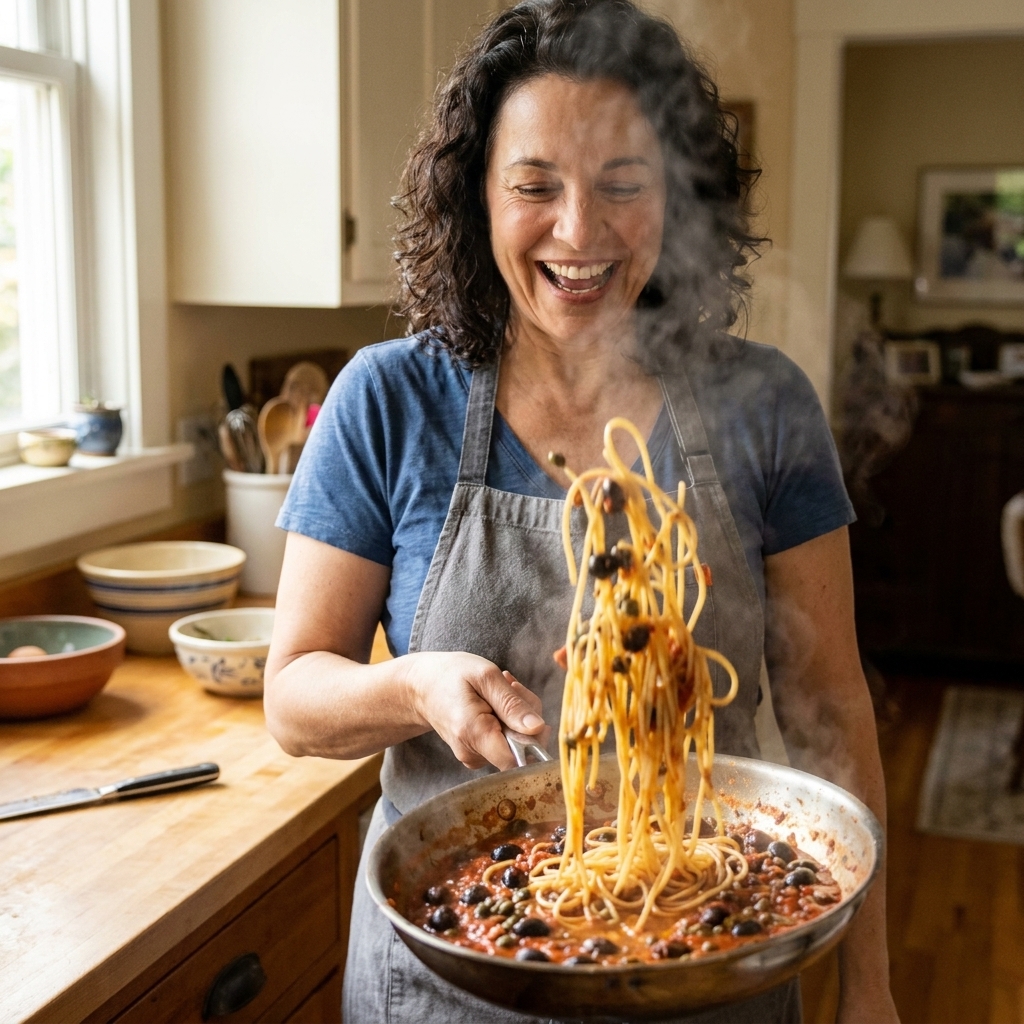
Add the spaghetti straight into the skillet with the sauce. Toss over medium heat for 1 to 2 minutes, adding a splash of pasta water as needed. This is the moment where everything turns silky and the sauce clings instead of pooling.
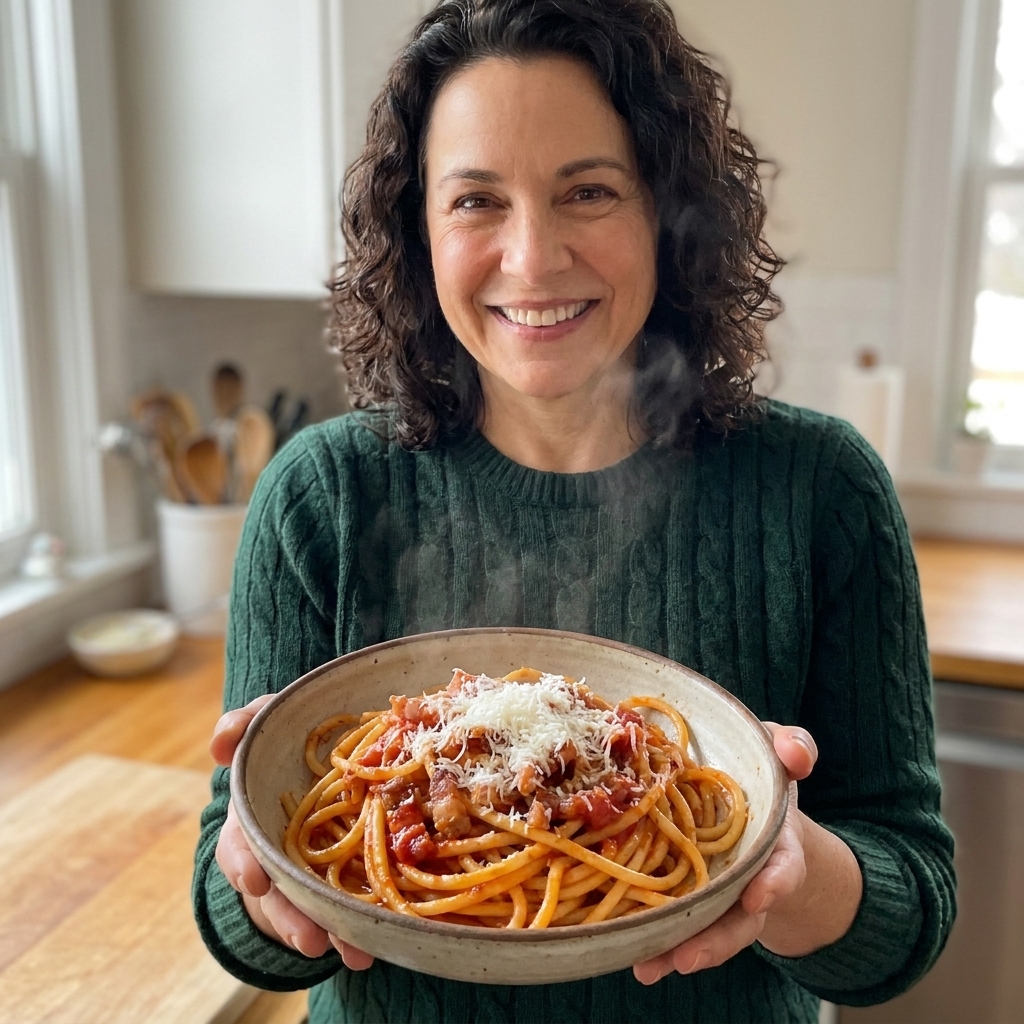
Finish with black pepper and parsley, if using. Serve immediately while it is glossy and hot.
Best tips
- Crush whole tomatoes by hand. It takes 20 seconds and gives you a rustic sauce with little tomato pieces that feel homemade.
- Do not fear the anchovies. They dissolve and become depth. If you can spot them in the finished sauce, they did not melt long enough.
- Reserve pasta water before draining. It is easy to forget when you are hungry. That starchy water turns a quick tomato sauce into something that coats.
- Add pasta water a tablespoon at a time. Stop when the sauce looks satiny and clings.
- Keep the garlic gentle. If it browns too much, you will taste it. You want sweet, fragrant garlic, not toasted chips.
- Taste before salting. Most puttanesca needs very little extra salt, if any.
Variations
Make it spicier
Add more red pepper flakes, or finish with a tiny drizzle of chili oil.
Add tuna
Stir in 1 can of good olive oil packed tuna at the end, just long enough to warm through. It turns the dish into something closer to a complete meal.
No anchovies?
You will miss some depth, but you can still make a delicious olive and caper tomato sauce. Add a bit more olive oil and consider a pinch of dried oregano to round it out. Taste, then adjust with a touch more caper brine.
Swap the pasta
Spaghetti is classic, but this sauce is fantastic with linguine, bucatini, or short shapes like penne when you want it extra hearty.
What to serve with it
- Garlicky sautéed broccoli rabe or simple roasted broccoli
- Mixed green salad with lemon and olive oil
- Crunchy bread for swiping the last streaks of sauce
- Simple fruit after dinner, like oranges or grapes, to keep the meal bright
Storage
Fridge: Store leftovers in an airtight container for up to 3 days.
Reheat: Warm gently in a skillet with a splash of water to loosen the sauce. Microwave works too, but the skillet brings the texture back faster.
Make-ahead: You can make the sauce up to 3 days ahead. Reheat it while the pasta boils and you are right back to a weeknight-fast dinner.
Quick FAQ
Does puttanesca have anchovies?
In most classic versions, yes. They melt into the oil and give the sauce its savory backbone. If you are nervous, start with 2 to 3 fillets and taste.
Can I use sliced canned olives?
You can, especially on a weeknight. I prefer whole or halved olives for better texture, but sliced will still give you that briny flavor.
Why does my sauce taste too salty?
It usually comes from salty olives plus capers plus added salt. Rinse the capers next time, skip the caper brine, and be cautious salting the sauce. You can also add a few spoonfuls of plain tomatoes to soften the salinity.
How do I know the sauce is done?
It should look glossy, smell rounded and savory, and taste balanced rather than sharply acidic. Since it is a quick sauce, we are not cooking it for an hour, just long enough for the flavors to come together.
One last nudge
Keep the core puttanesca ingredients in your pantry and you will always have a dinner plan. The next time it is late and everyone is hungry, put the pasta water on first, let the anchovies melt into the oil, and trust the briny magic. Dinner will taste like you meant to do it all along.