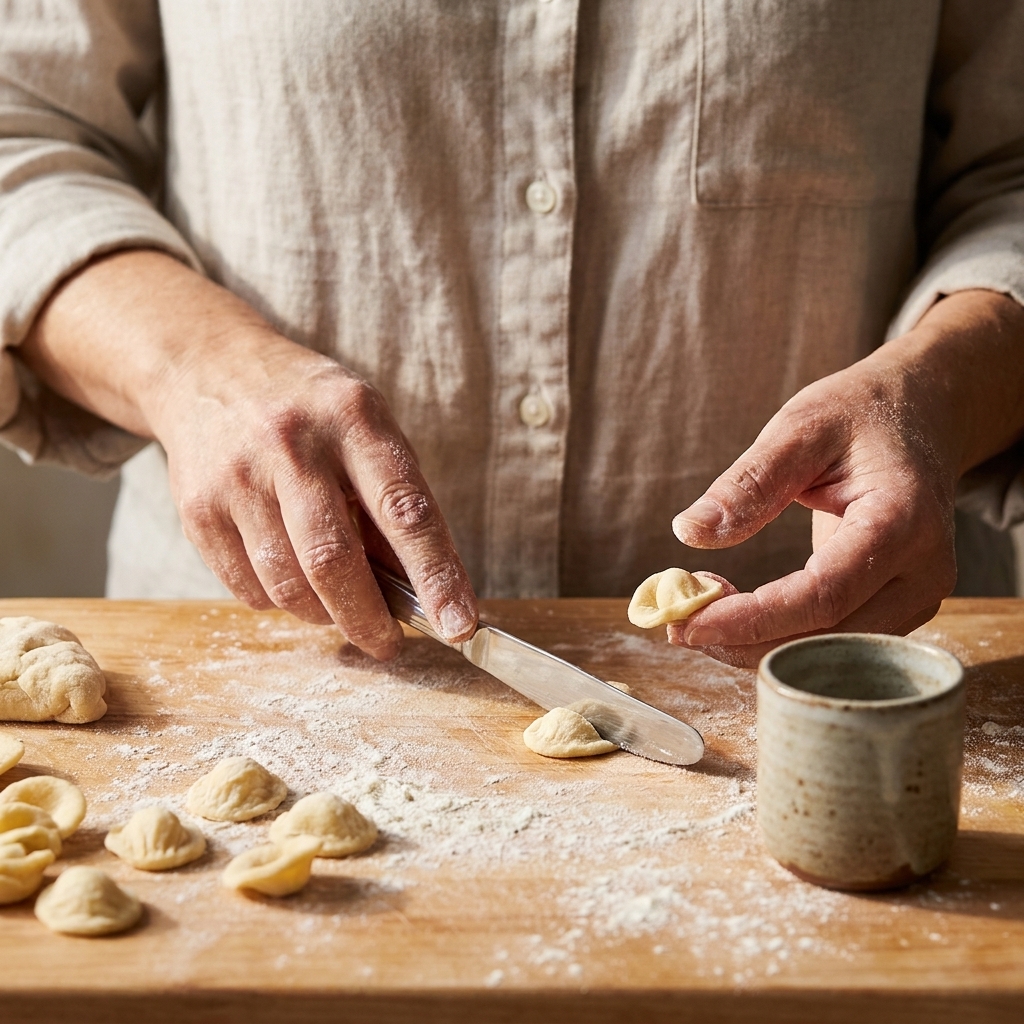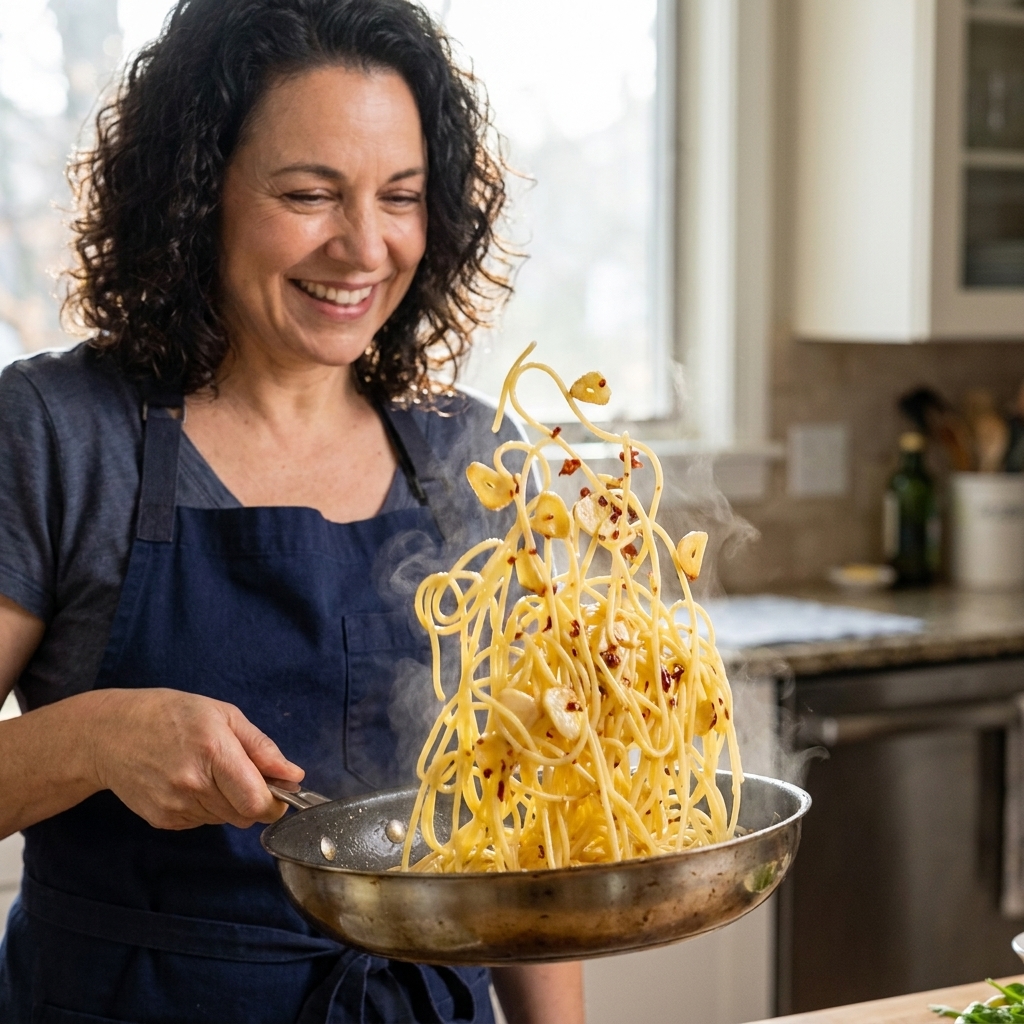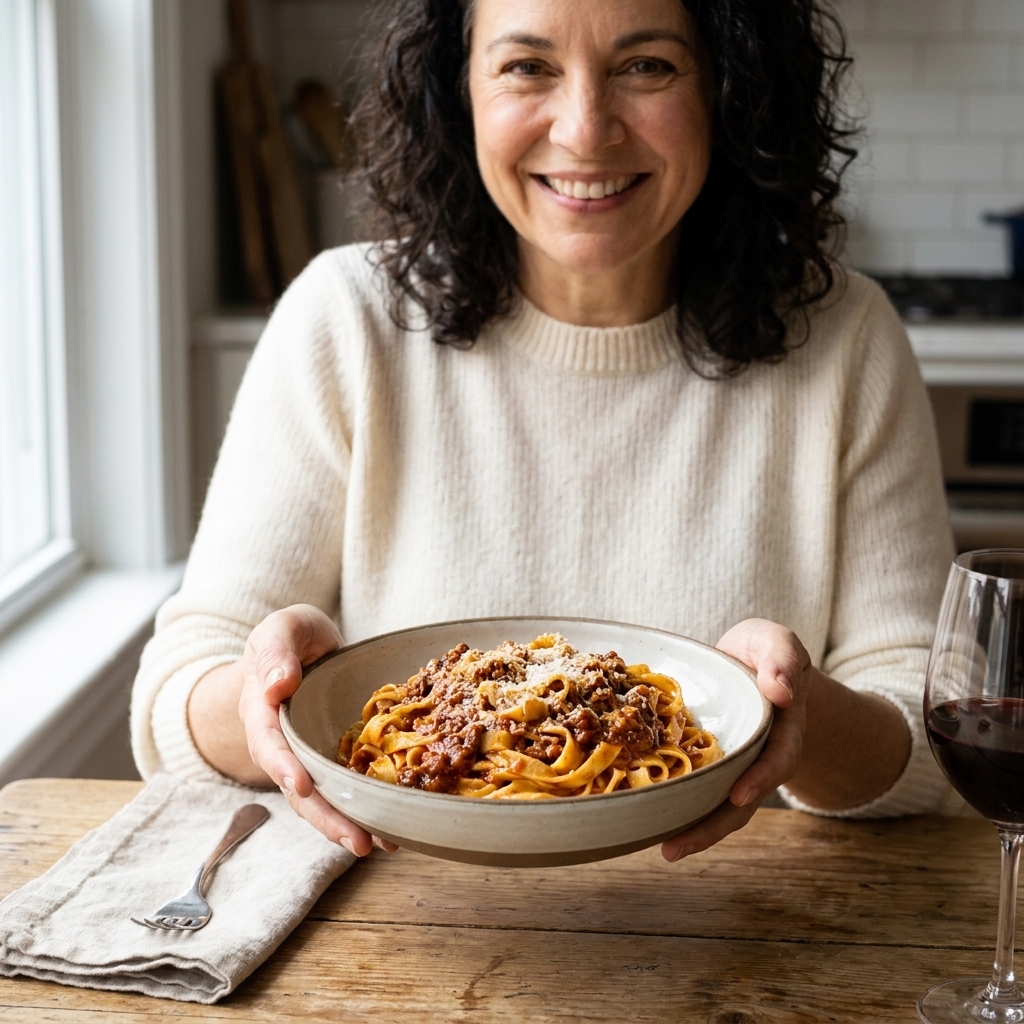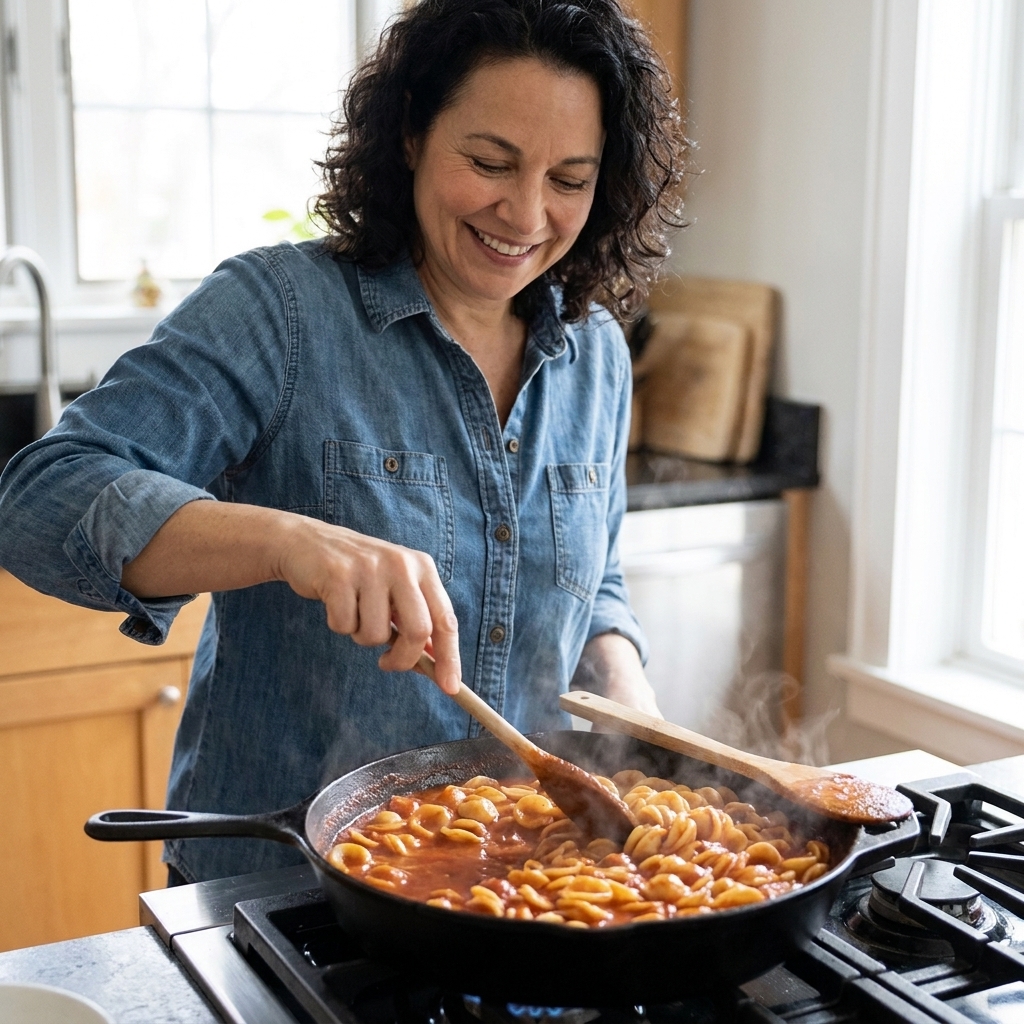
If you love a pasta that tastes like a real dinner, not a compromise, this is the one. Orecchiette with sausage and broccoli rabe is an Apulian classic for a reason: the little “ears” catch every glossy bit of garlicky oil, the sausage brings richness, and that pleasantly bitter broccoli rabe keeps it all lively and grown-up.
My favorite part for a Tuesday night is the smartest trick in the whole dish: you cook the broccoli rabe and the orecchiette in the same pot. Less mess, better timing, and the pasta water ends up tasting like the greens, which makes the sauce practically build itself.
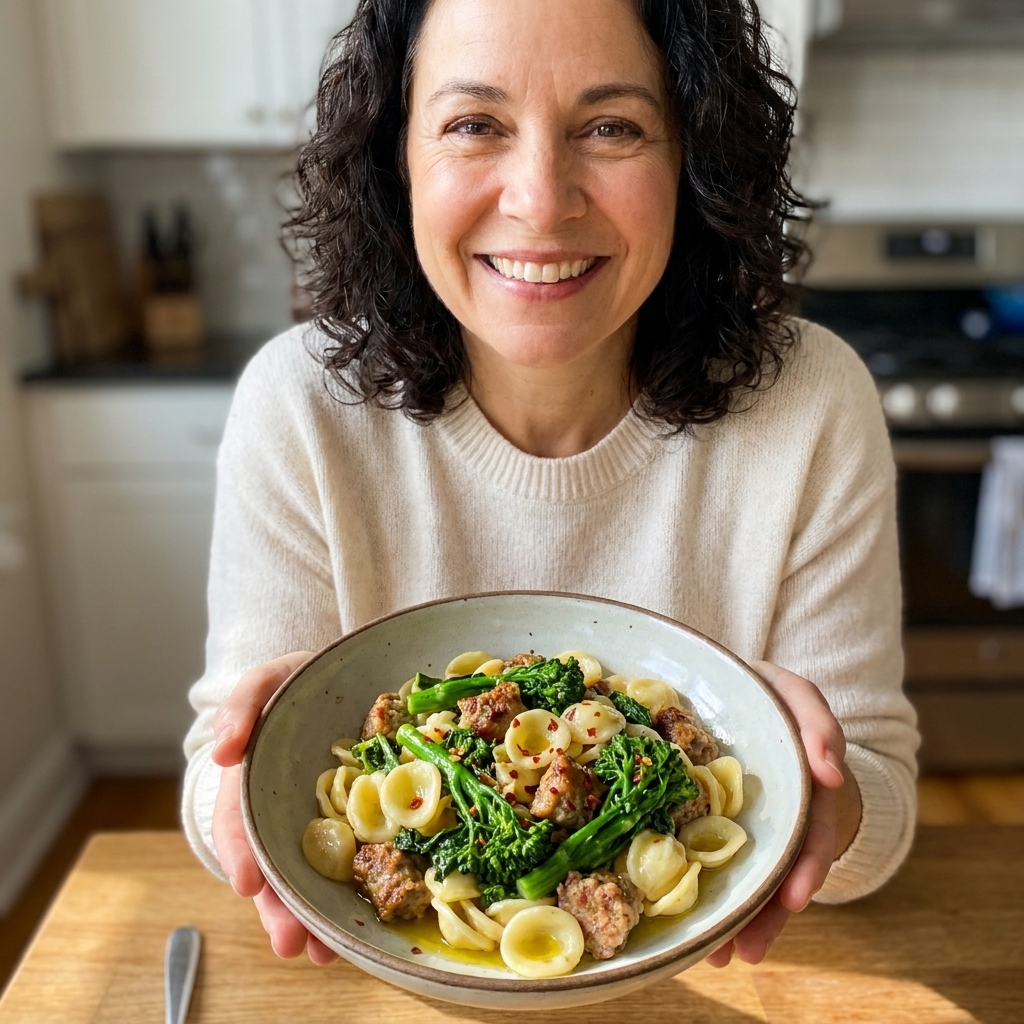
Why it works
- Orecchiette has nooks that hold onto sausage and greens, so every forkful feels full.
- Broccoli rabe is slightly bitter and peppery, which is exactly what you want against fatty sausage.
- Garlic, chili, and pasta water turn olive oil into a silky, clingy sauce without cream.
Ingredients (serves 4)
- 12 oz (340 g) orecchiette
- 1 large bunch broccoli rabe (about 12 to 16 oz), trimmed
- 1 lb (450 g) Italian sausage, sweet or hot (casings removed)
- 4 tbsp extra-virgin olive oil, plus more to finish
- 4 to 6 garlic cloves, thinly sliced
- 1/2 tsp crushed red pepper flakes, or to taste
- Kosher salt
- Freshly ground black pepper
- Optional: 1/2 cup grated Pecorino Romano, plus more to serve
- Optional but wonderful: zest of 1 lemon, or lemon wedges for serving
Pecorino is traditional and salty, but you can also skip cheese entirely. Some families do, especially if the sausage is already heavily seasoned. Trust your taste buds.
Quick prep
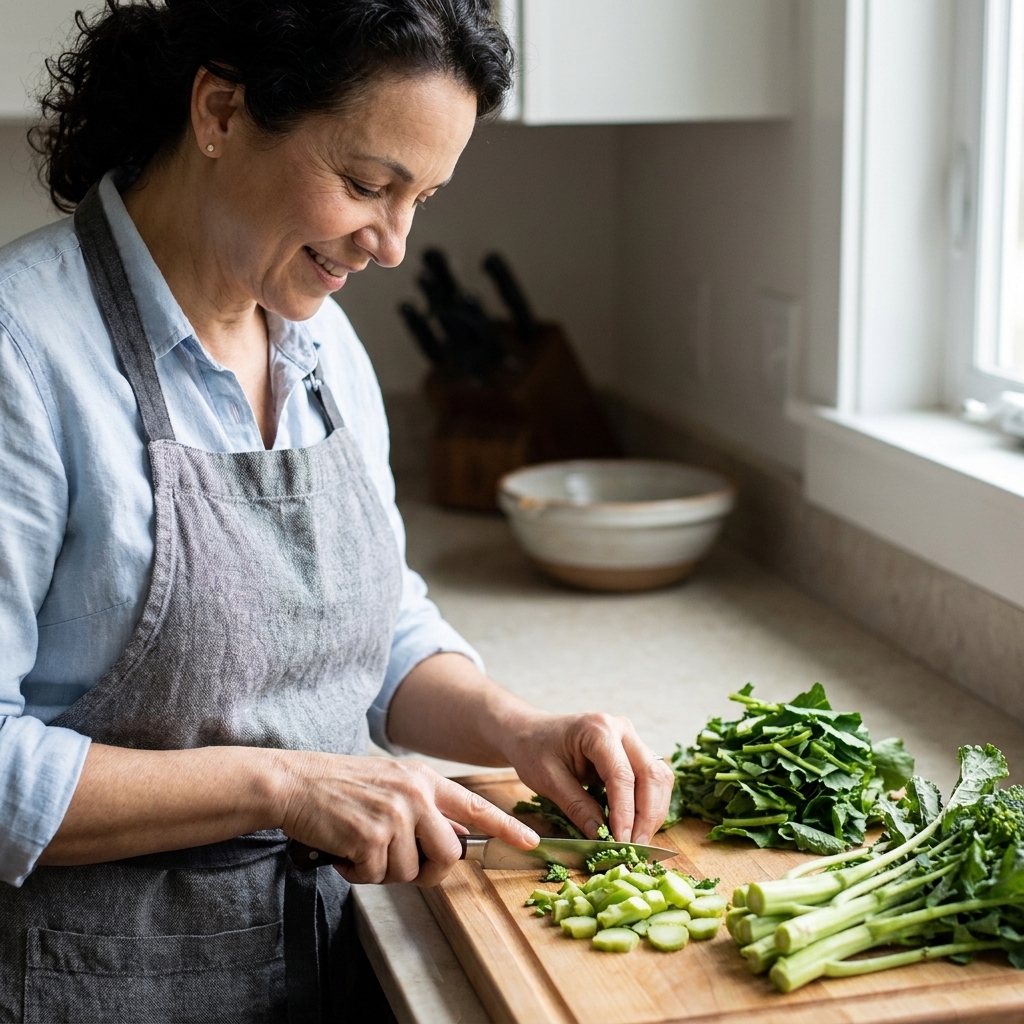
Trim the broccoli rabe
Rinse it well, then trim off the very bottom ends of the stems. If the stems are thick, split them lengthwise so everything cooks evenly. Chop stems and leaves into 2 to 3 inch pieces so you can grab greens and pasta together.
Prep the sausage
If it is in links, slit the casings and pull the sausage out. You want it loose so it browns into small crumbles that tuck into the orecchiette.
Step by step
-
Bring a big pot of water to a boil.
Salt it generously, about 1 to 2 tablespoons kosher salt per 4 quarts of water. You want well-seasoned water without accidentally turning dinner into seawater.
-
Brown the sausage while the water heats.
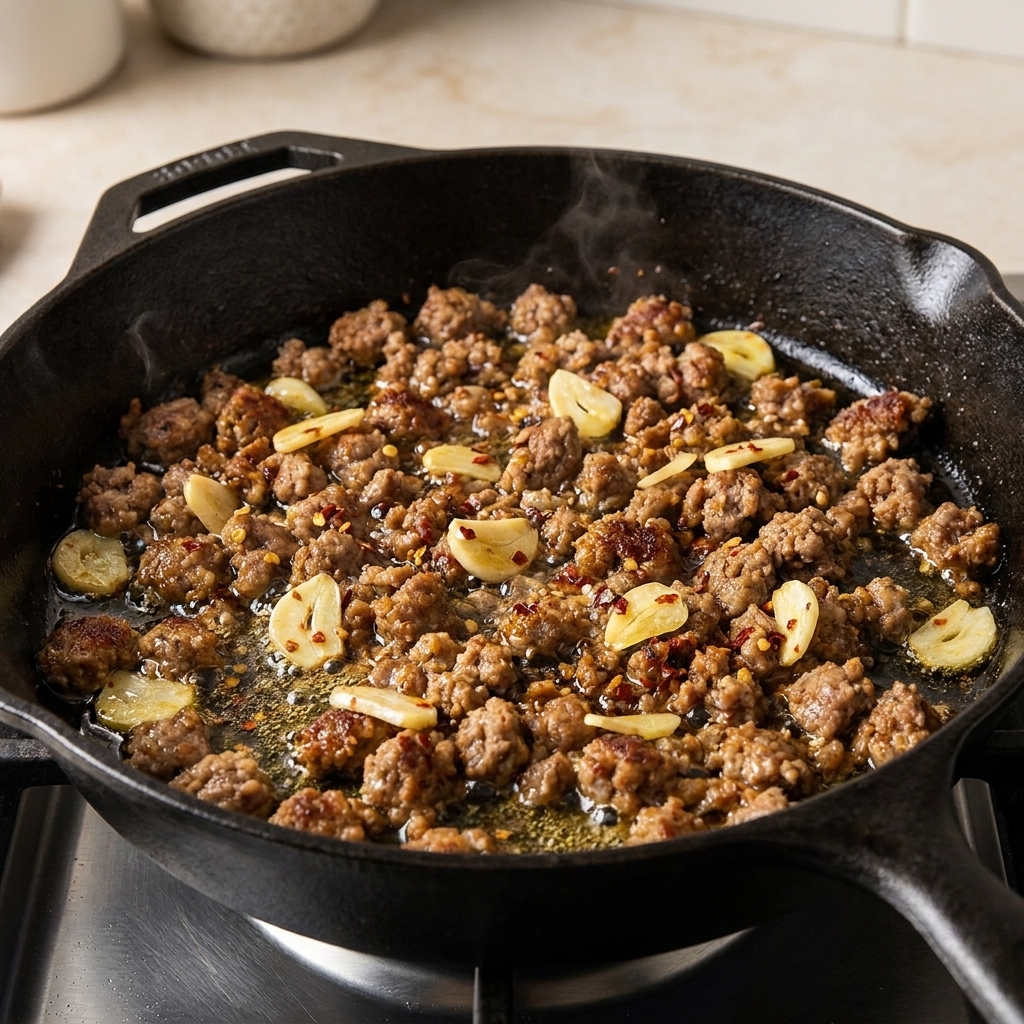
In a large skillet over medium-high heat, add 1 tablespoon olive oil and the sausage. Break it up and let it sit in places so it actually browns. You want deep golden bits, not pale steamed crumbles. This takes 6 to 8 minutes.
If the sausage renders a lot of fat, spoon off the excess so you have roughly 1 to 2 tablespoons in the pan before you move on. You want glossy, not greasy.
-
Add garlic and chili.
Lower heat to medium. Add the remaining olive oil, then stir in the sliced garlic and red pepper flakes. Cook 30 to 60 seconds, just until the garlic smells sweet and fragrant. If it starts to darken fast, pull the pan off the heat for a moment. Burnt garlic will take over the whole dish.
-
Cook the orecchiette.
Add the orecchiette to the boiling water and stir. Cook until it is just shy of al dente, usually 7 to 9 minutes depending on the brand. Start tasting around minute 6 or 7 and trust your bite, especially if you are using a new brand.
-
Add the broccoli rabe at the end.
When the pasta has about 2 to 3 minutes left, add the chopped broccoli rabe (stems and leaves) and stir. This keeps the stems tender but the leaves still lively, not mushy.
If your bunch has especially thick stems, give them a head start: add the chopped stems 1 minute before the leaves, or add the whole bunch a minute earlier and taste a stem to check tenderness.
-
Reserve pasta water, then drain.
Before draining, scoop out about 1 1/2 cups of the starchy, green-tinged pasta water (you likely will not use it all). Drain the pasta and broccoli rabe together.
-
Toss and build the sauce.
Add the drained pasta and broccoli rabe to the skillet with the sausage. Toss over medium heat, adding pasta water a splash at a time until the pasta looks lacquered and the sauce lightly clings to the pan instead of pooling. Usually 1/2 to 1 cup is perfect. Season with black pepper and taste for salt.
-
Finish and serve.
Turn off the heat. Add Pecorino if using and toss again (off heat keeps it silky instead of clumpy). Finish with a small drizzle of olive oil. A little lemon zest wakes everything up, especially if your broccoli rabe is very mellow.
Signs you nailed it
- Garlic: It should smell sweet and toasty, not sharp or burnt. If you smell bitterness, it is already too dark.
- Broccoli rabe: Stems should be tender when you bite, with a gentle chew. Leaves will look darker green and silky, not shredded.
- Sauce: When you toss, the pan should not look oily or watery. It should look glossy, like the pasta is wearing a thin coat of olive oil and starch.
Tips and swaps
Sweet vs hot sausage
Hot sausage gives you a restaurant-style punch without needing more chili flakes. Sweet sausage lets the broccoli rabe bitterness shine. Either is correct.
No broccoli rabe?
Use broccolini or regular broccoli plus a big handful of arugula stirred in at the end for a peppery finish. The flavor is different, but the spirit is there.
Make it lighter
Use chicken sausage, or use 1/2 pound sausage and add a can of cannellini beans at the end. Beans love that garlicky oil and make the pasta feel hearty.
No orecchiette?
Cavatelli is the closest cousin. Short shells also work in a pinch, since they catch bits of sausage and greens.
Serving ideas
- At the table: Pecorino, extra chili flakes, and lemon wedges.
- On the side: A simple salad with shaved fennel and orange, or just good bread for swiping the bowl.
- Wine: Something crisp and southern Italian if you have it, like a dry rosato or a bright white.

Leftovers
This pasta is best right away, when the orecchiette is perfectly springy and the broccoli rabe is glossy. But leftovers still make a very good lunch.
- Fridge: Store in an airtight container up to 3 days.
- Reheat: Warm in a skillet with a splash of water to loosen, then finish with a drizzle of olive oil. Microwaving is fine, but the skillet brings it back to life.
FAQ
Do I need to blanch broccoli rabe first?
Not in a separate pot. The easiest move is to drop it into the pasta pot for the last 2 to 3 minutes of cooking. That is enough time to tenderize most stems without turning the leaves to mush.
What if my broccoli rabe stems are thick?
Give the stems a small head start. Add the chopped stems 1 minute before the leaves, or add the whole bunch 1 minute earlier than the recipe suggests and taste a stem. If it still feels too firm, let it go another minute.
How do I make it less bitter?
Give the broccoli rabe a little more time in the boiling water by adding it 4 minutes before the pasta is done instead of 2, and taste a stem. You can also add lemon at the end and go a little heavier on the Pecorino. Salt, acid, and fat balance bitterness beautifully.
Can I add butter?
You can, but you do not need it. The traditional shine here comes from olive oil and starchy pasta water. If you want extra richness, a tablespoon stirred in at the end will make it feel silky.