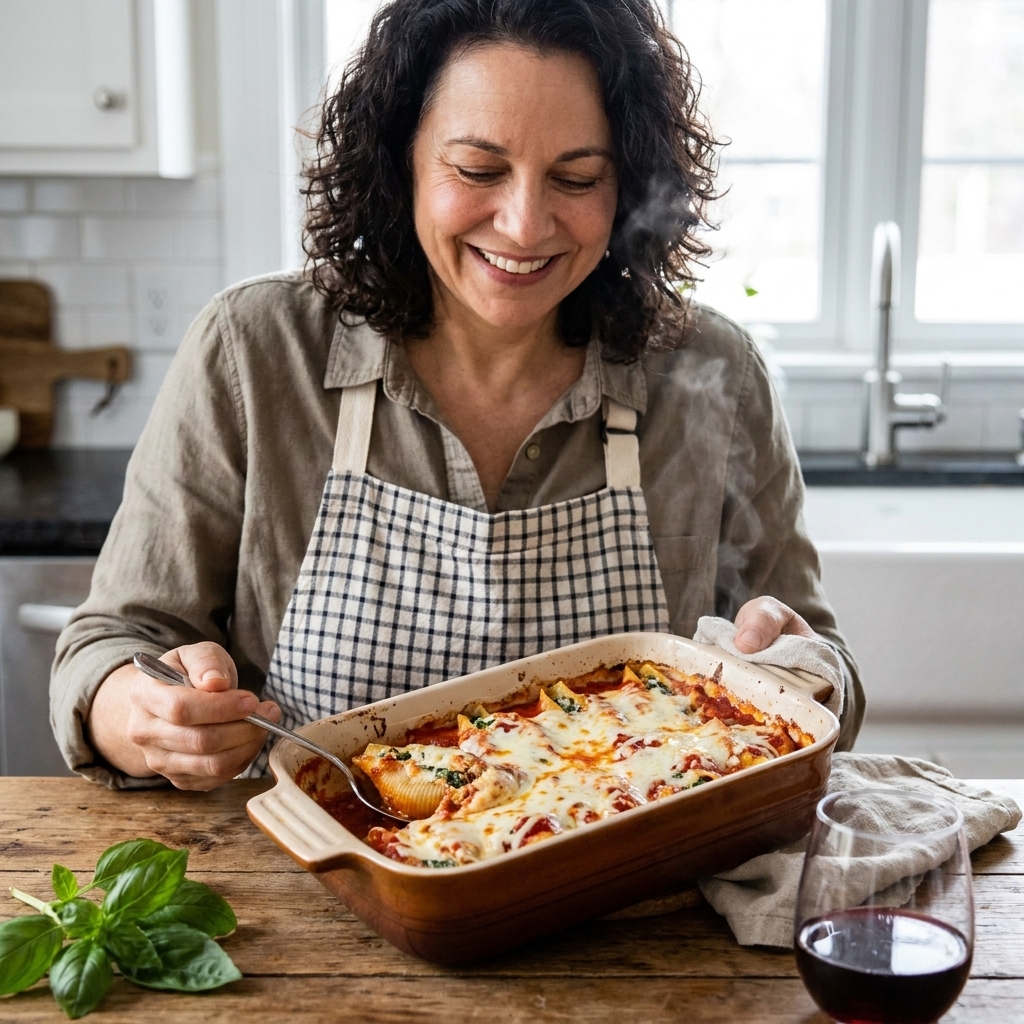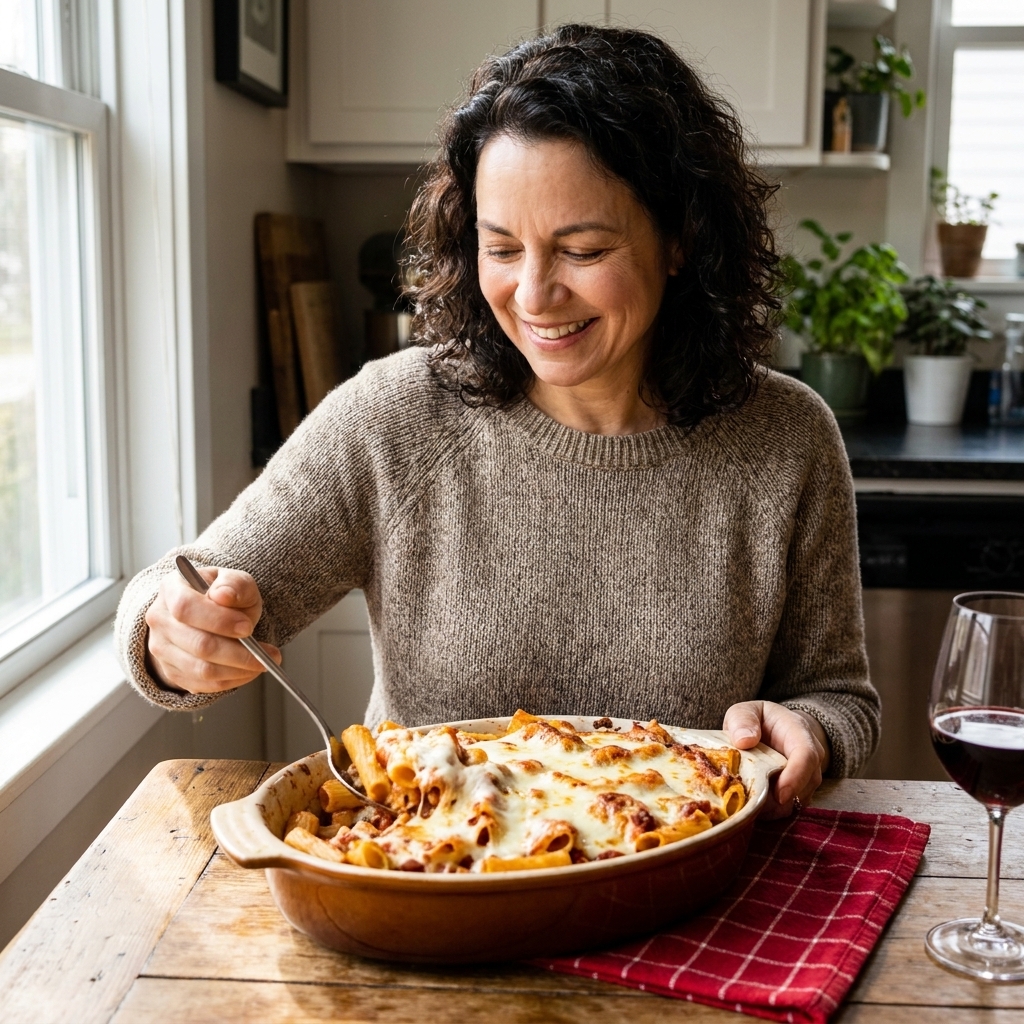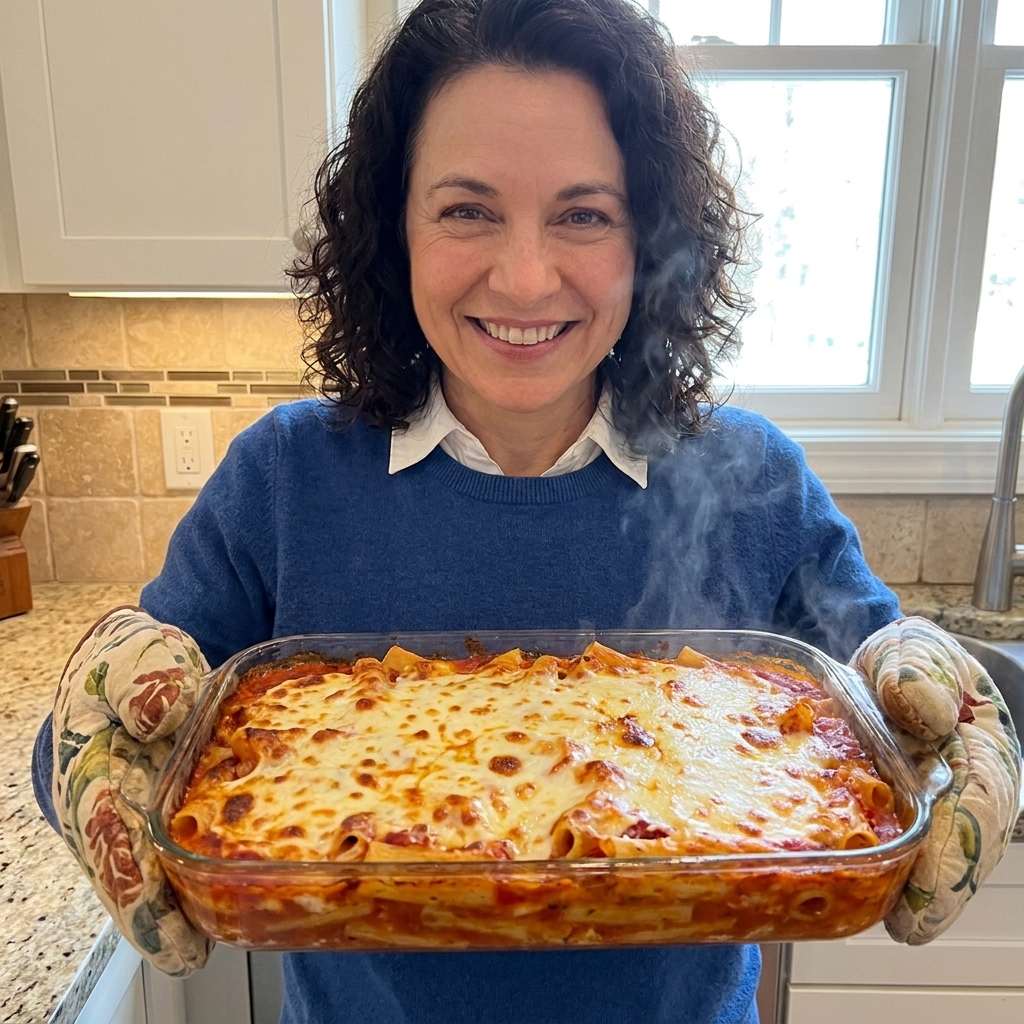
If you have ever stood in the pasta aisle holding a box of manicotti and wondering if it is basically the same thing as cannelloni, you are not alone. They live in the same delicious universe: tender tubes, filled with something creamy and savory, baked under sauce until bubbly and irresistible.
But they are not identical, and the labels can be a little slippery depending on where you live and which brand you buy. The good news is that once you understand what each one wants to be, you can make either dish beautifully, even on a weeknight, even without fancy tools. I will walk you through the differences, what to buy, how to fill them cleanly, and two reliable methods for baking both.

Quick answer: what’s the difference?
Cannelloni most often refers to smooth tubes or pasta sheets rolled into tubes, then filled and baked. In many Italian-style recipes, cannelloni is made by rolling fresh pasta sheets around the filling.
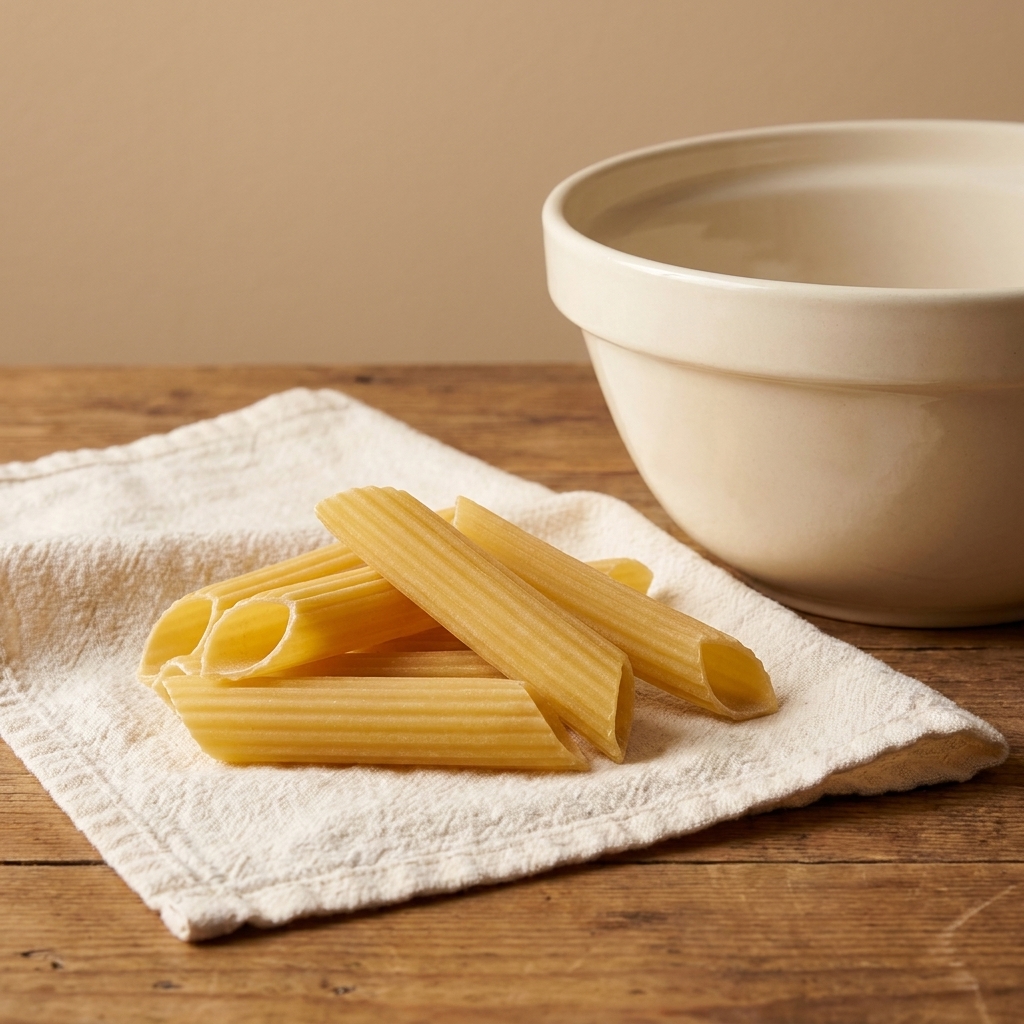
Manicotti in the U.S. is usually ridged, pre-formed dried tubes sold specifically for stuffing and baking. The ridges help sauce cling, and the tubes are sturdy to handle.
Important caveat: In practice, packaging and regional habits vary a lot. You will see “cannelloni” sold as smooth pre-formed tubes in many American supermarkets, and some people use the names interchangeably at home. I like to think of it this way: manicotti is often the ridged “box of tubes”, while cannelloni often signals the smooth or sheet-rolled version.
Why the names get confusing
Cannelloni
The word cannelloni comes from canna, meaning “reed” or “tube.” In Italian cooking, cannelloni is tied to the broad tradition of baked, filled pasta, with fillings like ricotta and spinach, meat ragù, or seafood in coastal areas.
Many classic preparations start with fresh pasta sheets (similar to lasagna sheets), filled, rolled, and laid seam-side down in sauce.
Manicotti
Manicotti translates roughly to “little sleeves,” and it is commonly explained as coming from manica (sleeve) and related forms like manicotto. In Italian American home cooking, manicotti became a beloved baked dish using dried ridged tubes sold specifically for stuffing. That convenience, plus the sturdiness of the pasta, made it a Sunday dinner classic in many families.
So the confusion is honest: both are tubes, both are baked, both are stuffed, and both are wonderful.

Cannelloni vs. manicotti
| Feature | Cannelloni | Manicotti |
|---|---|---|
| Pasta shape | Usually smooth; often made from sheets rolled into tubes | Pre-formed tubes, commonly ridged |
| Common pasta type | Fresh egg pasta sheets or smooth dried tubes | Dried semolina tubes designed for stuffing |
| Texture after baking | More delicate, tender, “silky” if fresh pasta | A bit sturdier, toothsome; ridges hold sauce |
| Ease of stuffing | Easy with sheets; can be trickier with narrow smooth tubes | Easy because tubes are rigid and wide |
| Most common vibe | Classic Italian baked pasta feel | Italian American comfort |
What to buy
If you want cannelloni
- Fresh pasta sheets (store-bought or homemade), cut into rectangles and rolled.
- Cannelloni tubes (often smooth), sometimes labeled oven-ready or no-boil.
Substitution: If you cannot find cannelloni tubes or sheets, manicotti tubes work perfectly. Your dish will still be delicious, and nobody at the table is going to complain.
If you want manicotti
- Boxed manicotti shells (ridged tubes). Some brands are par-boil, some are bake-only.
Substitution: Large conchiglioni (jumbo shells) give the same stuffed-baked comfort with even less stuffing drama.
Clara tip: If the box says “oven-ready” or “no-boil,” believe it, and then overdo the sauce. Under-saucing is the number one reason no-boil stuffed pasta fails.
The best fillings
Both cannelloni and manicotti love fillings that are creamy enough to pipe but not so wet that they turn soupy in the pan.
Classic ricotta filling
- Ricotta (well-drained if it looks watery)
- Egg (binds the filling so it slices cleanly)
- Parmigiano-Reggiano or Pecorino Romano
- Mozzarella (optional, for extra pull)
- Parsley or basil
- Salt, pepper, and a tiny pinch of nutmeg if you like that old-school warmth
Clara tip: If your ricotta is very wet, spoon it into a fine-mesh strainer for 20 to 30 minutes. You are aiming for a filling that holds a soft peak on a spoon, not one that puddles.
Other fillings that bake well
- Spinach and ricotta: squeeze spinach bone-dry before mixing so it does not leak green water into the sauce.
- Meat and ricotta: mix a little cooled browned beef or sausage into ricotta, or use a ragù-based filling.
- Roasted squash: butternut squash with ricotta and sage, especially good with béchamel.
- Mushroom and cheese: sauté mushrooms until dry and deeply browned, then cool before mixing in.

Tomato sauce or béchamel?
You can bake both in either sauce. Here is how I decide:
- Tomato sauce (marinara): bright, classic, and especially good with ricotta, meat, or spinach fillings. If your sauce is very thick, loosen it with a splash of water so the pasta cooks evenly.
- Béchamel: soft, creamy, and dreamy with delicate fillings like squash, mushrooms, or plain ricotta. Many cannelloni recipes use béchamel plus a little tomato, or béchamel with a spoonful of ragù.
Clara tip: No matter which sauce you choose, always put a thin layer on the bottom of the pan first. It prevents sticking and gives the pasta a gentle steam bath while it bakes.
How to fill manicotti
Manicotti tubes are sturdier than they look, but they crack if you bully them. Gentle hands, patient stuffing, and a filling that is not too stiff is the secret.
Best tools
- Piping bag, or a zip-top bag with a corner snipped
- Small spoon (backup plan)
- 9x13-inch baking dish
Step-by-step
- Par-cook if needed (check the package): Some brands require boiling for 5 to 7 minutes first. Cook until flexible, not fully tender. Drain and lay on a towel so they do not stick.
- Make your filling smooth: Stir until creamy. If it is very thick, add 1 to 2 tablespoons of milk or sauce to loosen.
- Pipe from both ends: Hold the tube in your hand and pipe filling in from one side until it reaches the middle. Flip, fill from the other side. This avoids air pockets.
- Arrange in a snug single layer: Place stuffed tubes in the sauced baking dish.
- Sauce generously: Cover well, especially the edges. Dry corners are where pasta goes chewy.
Sensory cue: When you pipe, you should feel steady resistance, like frosting a cupcake. If it is impossible to squeeze, the filling is too stiff. If it runs like batter, it is too wet.
How to make cannelloni
Method 1: pasta sheets
This is the most forgiving way to make cannelloni at home. No cracking, no wrestling tubes. Just roll, place, bake.
- Cook the sheets briefly: If using fresh pasta sheets, blanch for 30 to 60 seconds in salted water. If using dried lasagna sheets, par-boil until flexible. Lay flat on a towel.
- Cut into rectangles: About 4x5 inches is a good starting point. You just need a rectangle that can roll around the filling with a little overlap.
- Add filling in a line: Spoon or pipe a line of filling along one edge.
- Roll into a tube: Roll gently but snugly. Place seam-side down in your sauced dish.
- Top with sauce and cheese: Then bake.
Method 2: cannelloni tubes
If you have dried cannelloni tubes, you often stuff them without boiling and bake them in plenty of sauce. Always read the package, but here is the general approach:
- Use slightly looser filling: These tubes hydrate in the oven, so a dry filling can stay chalky. Loosen with a spoonful of sauce or milk.
- Cover completely with sauce: The pasta needs moisture to cook. Do not be shy.
- Bake covered longer: Plan on a longer covered bake, then uncover to brown.

Bake times and temperature
Every oven has its personality, and the timing depends on the pasta type (no-boil vs par-cooked), how saucy your dish is, and how cold everything started. But this schedule rarely fails me as a starting point:
- Temperature: 375°F (190°C)
- Covered bake: 30 to 40 minutes (keeps moisture in so pasta cooks through)
- Uncovered bake: 10 to 15 minutes (to brown and bubble)
- Rest: 10 minutes before serving (so the filling sets and slices cleanly)
How to tell it is done: Poke a thin knife into the center of a tube. If it slides in easily and comes out hot, you are there. If you feel a hard core, cover and bake 8 to 10 minutes more.
Serving note: For most appetites, plan about 2 to 3 tubes per person, depending on size and what else is on the table.
Make-ahead, freezing, reheating
Make ahead
You can assemble both dishes up to a day ahead. Cover tightly and refrigerate. Before baking, let the dish sit on the counter for 20 to 30 minutes while the oven heats so it bakes evenly.
Freeze
These freeze beautifully.
- Unbaked: Assemble in a freezer-safe dish, wrap well, freeze up to 2 months. Bake from frozen covered until hot and tender, often 70 to 100 minutes depending on depth, pasta type, and how frozen-solid the center is.
- Baked: Cool completely, portion, then freeze. Reheat covered with a splash of water or sauce.
Reheat
Cover with foil and warm at 350°F (175°C) until heated through. Add a spoonful of sauce if it looks dry. Pasta loves a little extra moisture on day two.
Common problems
My shells crack when I stuff them
- Par-boil until flexible, not still rigid.
- Use a piping bag instead of a spoon.
- Do not overfill in one push. Fill from both ends.
The pasta is chewy after baking
- Not enough sauce, or sauce was too thick. Thin it with a splash of water.
- Dish was not covered long enough. Cover and bake longer.
- Pasta was packed too tightly and did not get sauce between pieces. Nestle snugly, but do not stack.
Watery bottom
- Drain ricotta if wet.
- Squeeze cooked spinach very dry.
- Let baked pasta rest before cutting so it sets.
Filling tastes bland
- Season the filling more than you think, especially with salt and grated cheese.
- Add a handful of Parmigiano or a pinch of nutmeg.
- Use a flavorful sauce. A flat sauce makes a flat bake.
Which one should you make?
If you want the simplest path with the least fuss, make manicotti with boxed tubes and a piping bag. If you want that classic, tender, rolled feel and you can get pasta sheets, make cannelloni from sheets.
And if you are cooking for people you love, here is the honest truth from my family table: nobody has ever been sad to see either one come out of the oven.
FAQ
Are cannelloni and manicotti the same?
They are very similar and often used interchangeably, but traditionally cannelloni are smooth tubes (often rolled from pasta sheets), while manicotti are ridged, pre-formed tubes commonly sold dried in the U.S. Labels vary by brand and region.
Do I have to boil manicotti shells before stuffing?
It depends on the brand. Some are no-boil, many are not. If the package says to par-cook, do it. The goal is flexible tubes that will not crack while stuffing.
Can I use lasagna sheets to make cannelloni?
Yes, and it works wonderfully. Par-boil until flexible, cut into rectangles, fill, roll, and bake seam-side down in sauce.
What is the easiest way to stuff them?
A piping bag or a zip-top bag with the corner snipped. For tubes, fill from both ends toward the middle. For sheets, pipe a line of filling and roll.
Can I make either one vegetarian?
Absolutely. Ricotta and spinach is a classic, and roasted vegetables like squash or mushrooms are delicious in both cannelloni and manicotti.