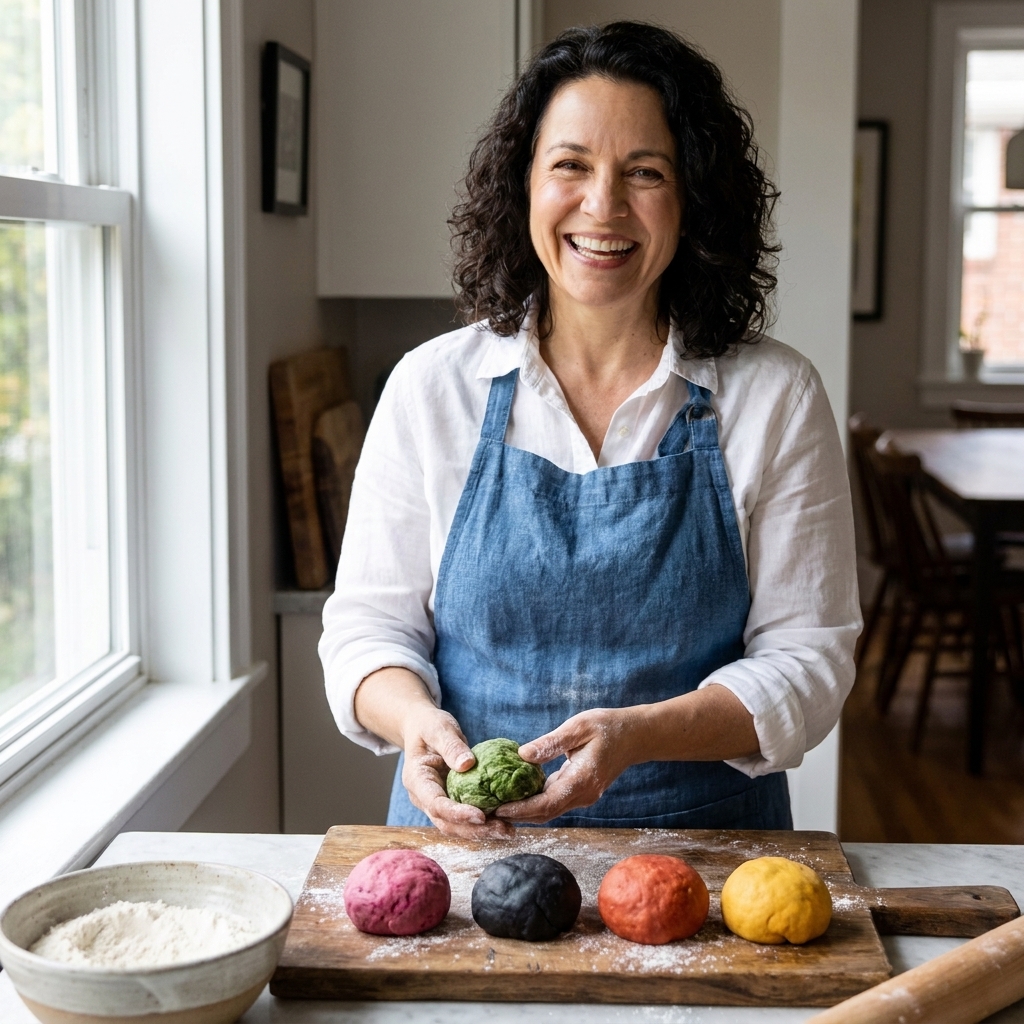
There is something a little magical about unwrapping a ball of fresh dough and seeing it glow green or blush pink before you even roll it out. In my family, colored pasta was never “fancy restaurant food.” It was Sunday dinner fun. A way to make the table feel festive without buying anything complicated.
The secret is simple: use ingredients that bring both color and flavor, and balance them so your dough still behaves like pasta dough. Below are my five favorite natural add-ins, plus the exact texture cues I watch for at the counter.
Before you start: base dough rules
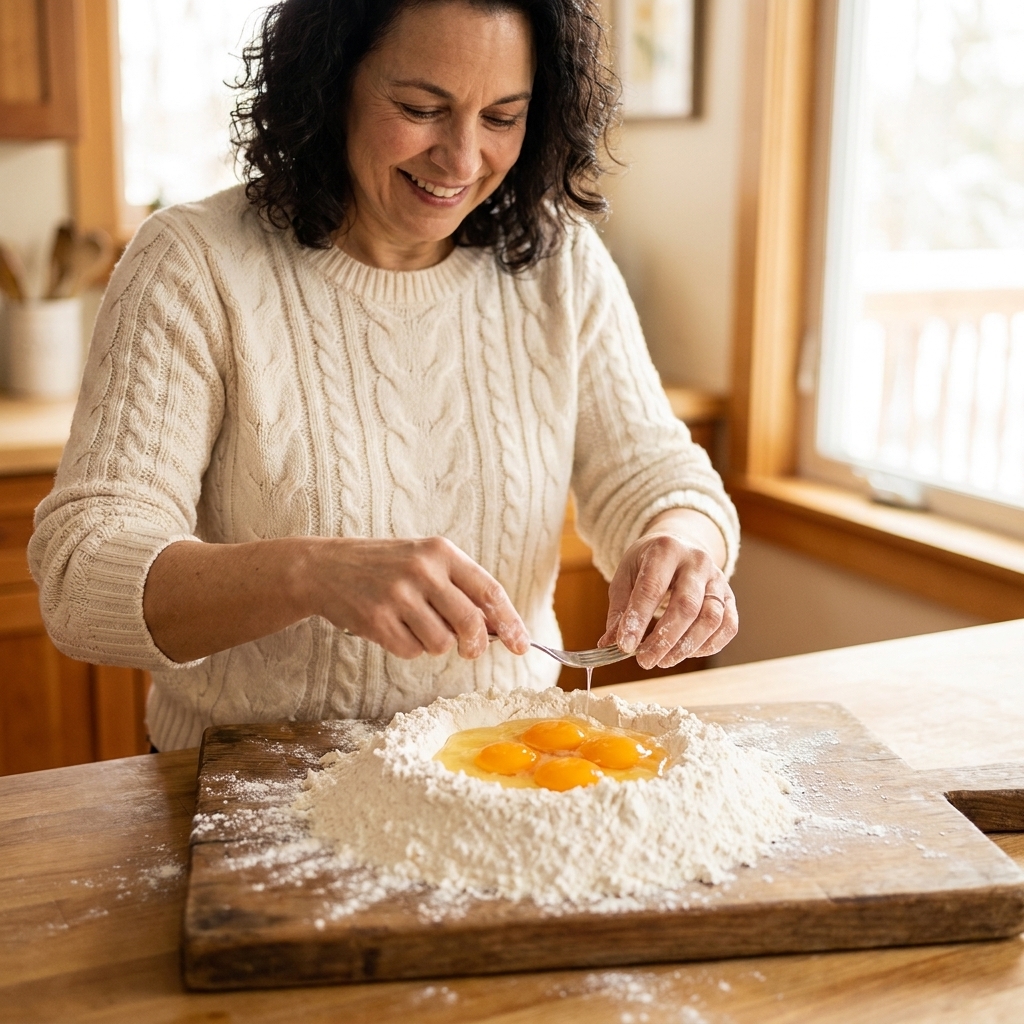
You can color almost any fresh pasta dough, but here is a reliable starting point for a classic egg dough:
- 200 g 00 flour (or half 00, half semola rimacinata for extra bite)
- 2 large eggs
- Pinch of salt
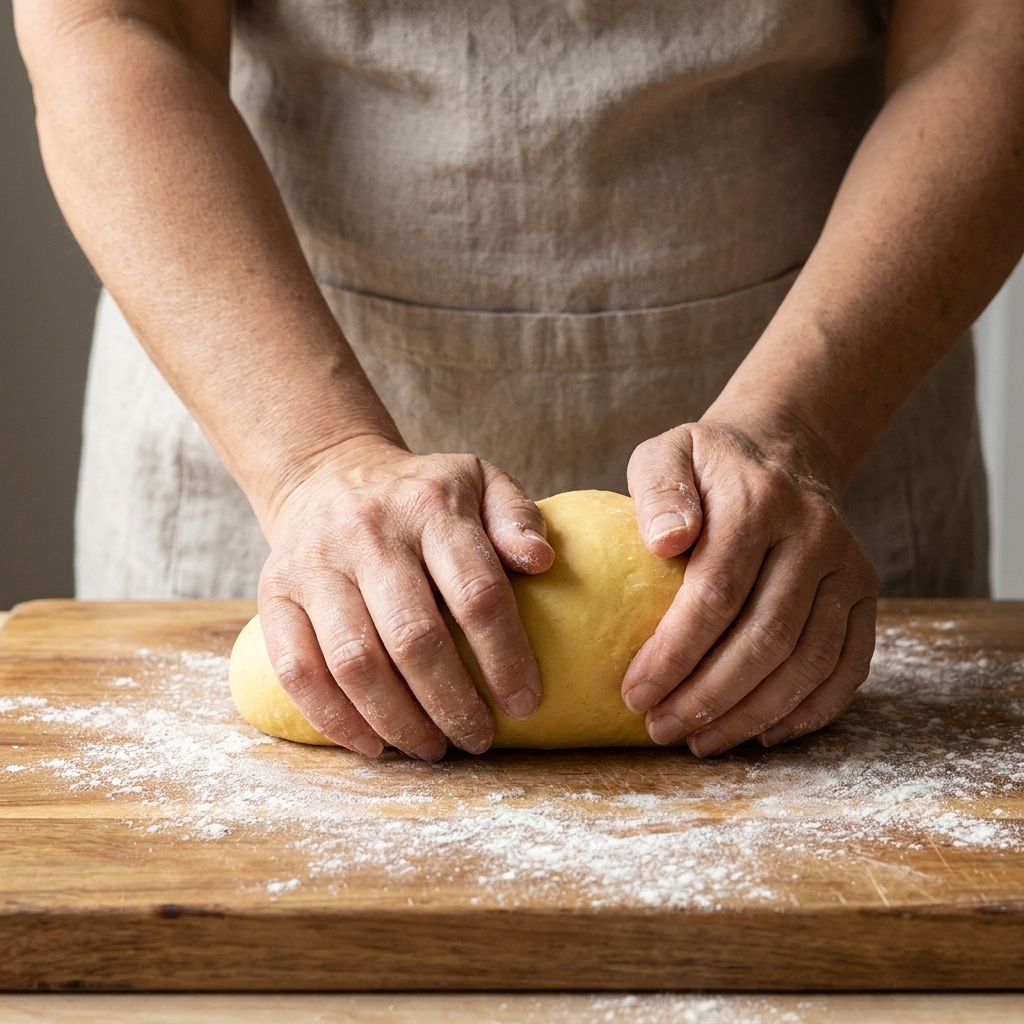
Depending on egg size, flour, and humidity, you may need a tiny adjustment. If the dough feels sandy and refuses to come together, add a few drops of water. If it feels tacky or leaves smears on the board, dust in a little flour and keep kneading. Your finished dough should feel firm and smooth, like a supple stress ball.
The big rule: color ingredients usually add extra moisture. Start by adding less egg or less liquid than you normally would, then bring the dough together slowly.
Two habits that make colored dough better
- Dry your add-ins. Squeeze spinach dry, reduce tomato paste, blot beet puree. Water is the enemy of neat sheets.
- Rest longer. Colored dough often benefits from a 45 to 60 minute rest (wrapped well). It gives the flour time to hydrate and the color time to deepen.
1) Spinach pasta (green)
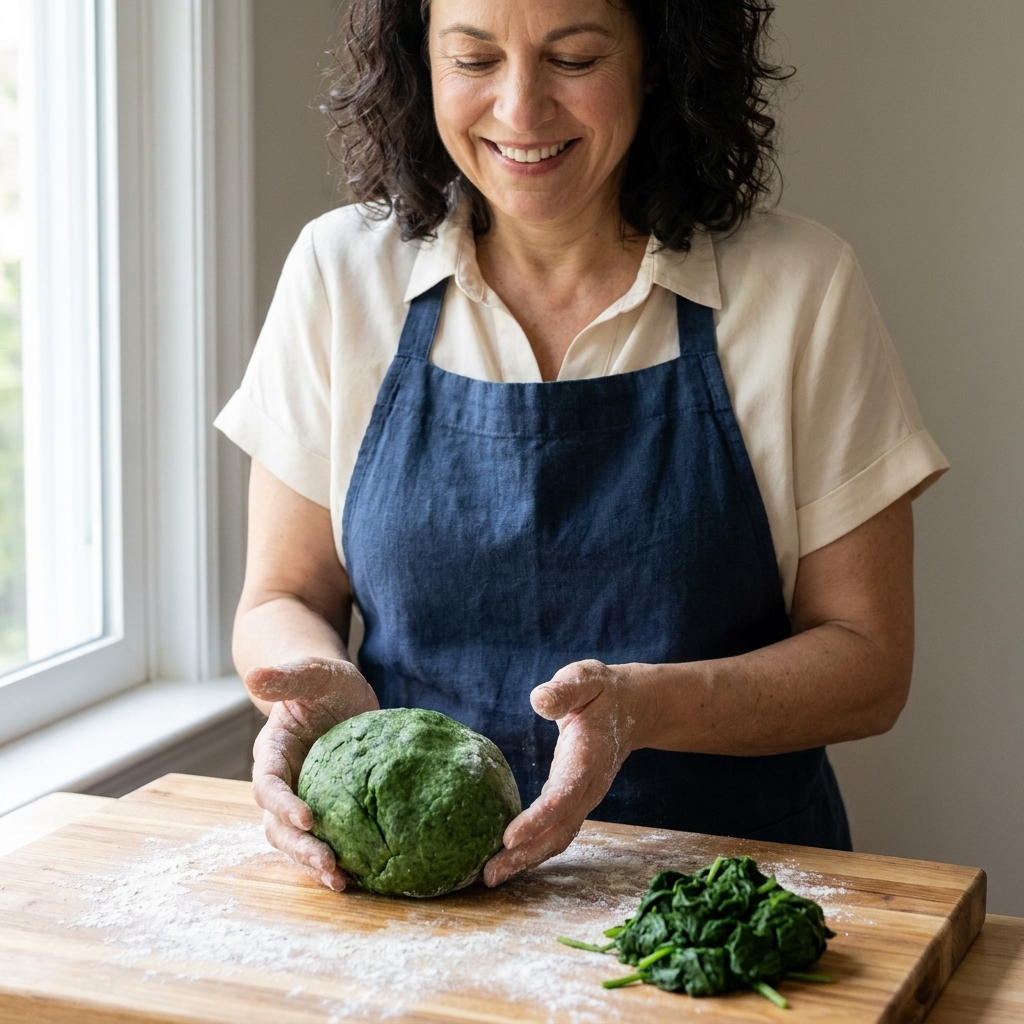
Spinach is my go-to because it is forgiving and tastes like something you would actually want to eat with butter and Parmigiano. The key is removing as much water as humanly possible.
Best form to use
Cooked spinach puree (fresh or frozen), squeezed bone-dry.
How much to add
- Use 60 to 80 g cooked spinach (after squeezing) per 200 g flour.
- Because spinach replaces some egg moisture, start with 1 egg plus 1 yolk. Then adjust. If your spinach is extremely dry, you may be able to use 2 whole eggs.
Clara’s method
- Blanch spinach for 30 seconds, then shock in cold water.
- Squeeze in a clean towel until it feels almost crumbly.
- Blend to a thick puree.
- Add puree to your flour well with the eggs and knead until the dough turns evenly green.
Sensory cue: the dough should smell lightly vegetal and feel slightly springier than plain egg dough.
2) Beet pasta (pink to ruby)
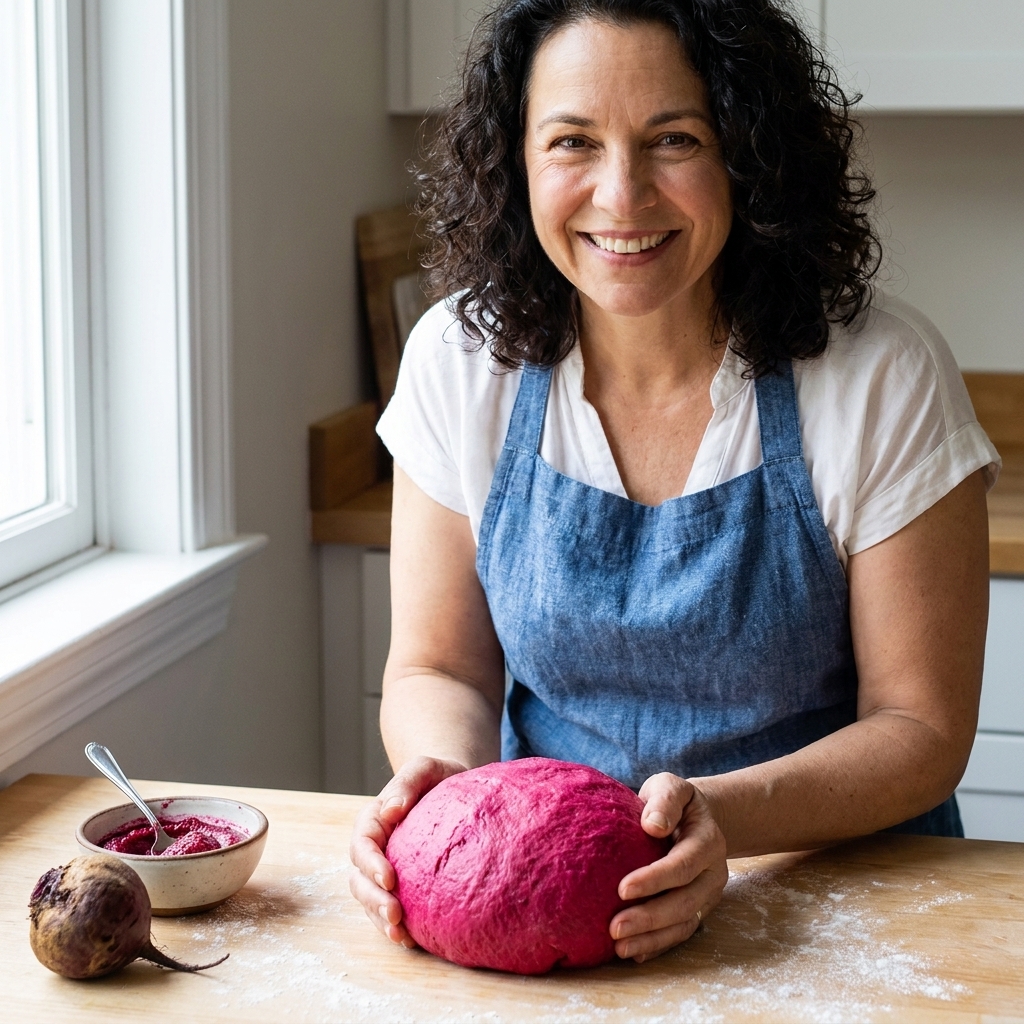
Beet dough is the showstopper. It can range from soft rose to deep magenta, depending on how concentrated your beet is. I love it with goat cheese, browned butter, walnuts, or a simple mascarpone sauce.
Best form to use
Roasted beet puree. Roasting gives you color without extra water and keeps the flavor sweet and mellow.
How much to add
- Use 50 to 70 g roasted beet puree per 200 g flour (weight is for the smooth puree, not the whole beet).
- Start with 1 egg plus 1 yolk. Beets bring moisture, so you often need less egg white.
Clara’s method
- Wrap a medium beet in foil and roast at 400°F until tender, meaning a knife slides in easily (often 45 to 75 minutes depending on size).
- Peel, then puree until very smooth.
- If it looks loose, simmer the puree in a small pan for a minute or two to thicken, then cool completely.
- Knead into your dough until the color is even.
Heads up: beet pasta will dull slightly once cooked. For the brightest pink, keep sauces light colored and avoid long simmering in sauce. Also skip any “alkaline tricks” in the water, like baking soda, because beet color hates it.
3) Squid ink pasta (black)
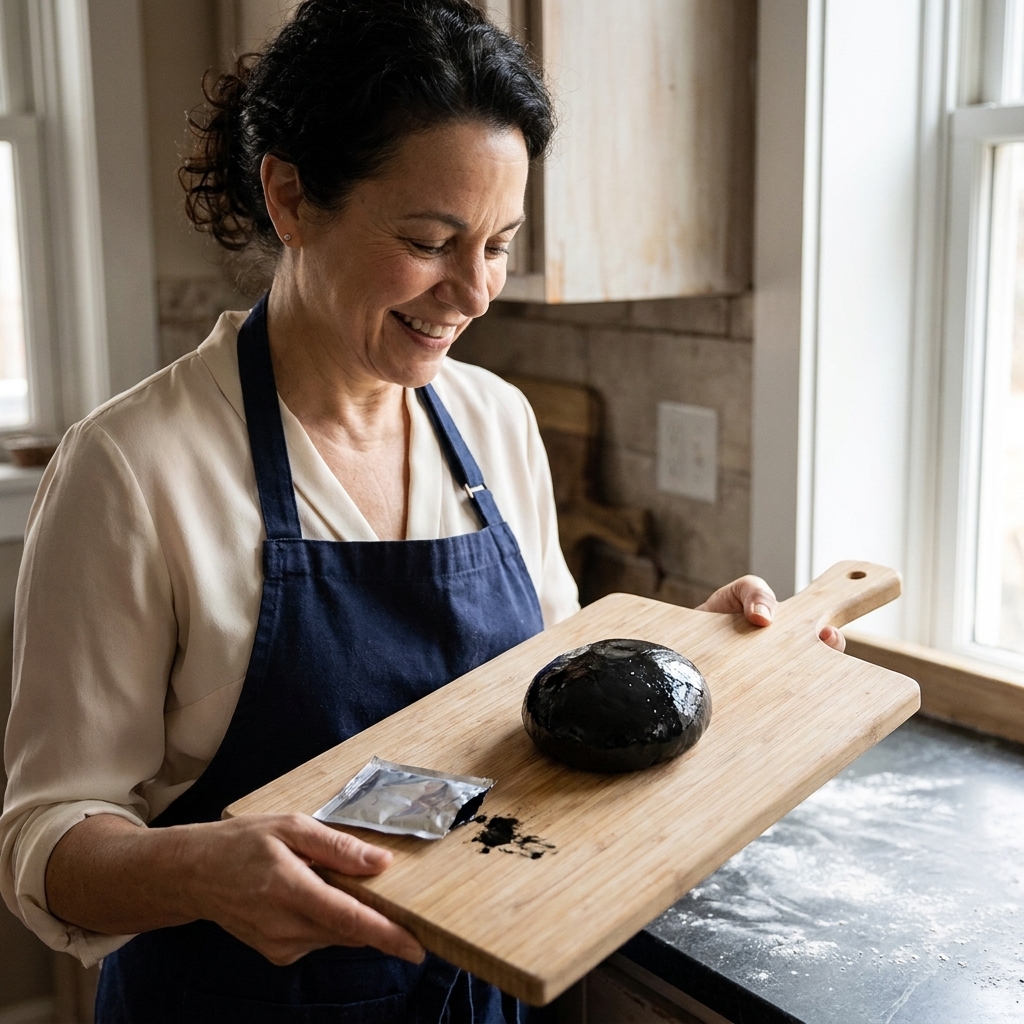
Squid ink pasta feels dramatic, but it is actually one of the easiest colored doughs because ink is concentrated and does not throw off the dough’s moisture very much. Flavor-wise, think briny and ocean-kissed, not “fishy.”
Best form to use
Squid ink sachets (common in Italian specialty shops) or small jars of ink.
How much to add
- Use 4 to 8 g squid ink per 200 g flour, which is usually 1 to 2 small sachets (many are about 4 g each).
- Typically you can keep the classic starting ratio: 2 whole eggs per 200 g flour, then add ink.
Clara’s method
- Whisk squid ink into the eggs until the mixture is uniform.
- Pour into your flour well and knead.
- If the dough looks streaky, keep kneading. It goes from marbled to inky-black with a little patience.
What to serve it with: olive oil, garlic, lemon zest, chili flakes, and seafood. Keep it simple so the color stays bold.
Note: squid ink is seafood. If you are cooking for allergies or anyone avoiding fish and shellfish, choose a different color option.
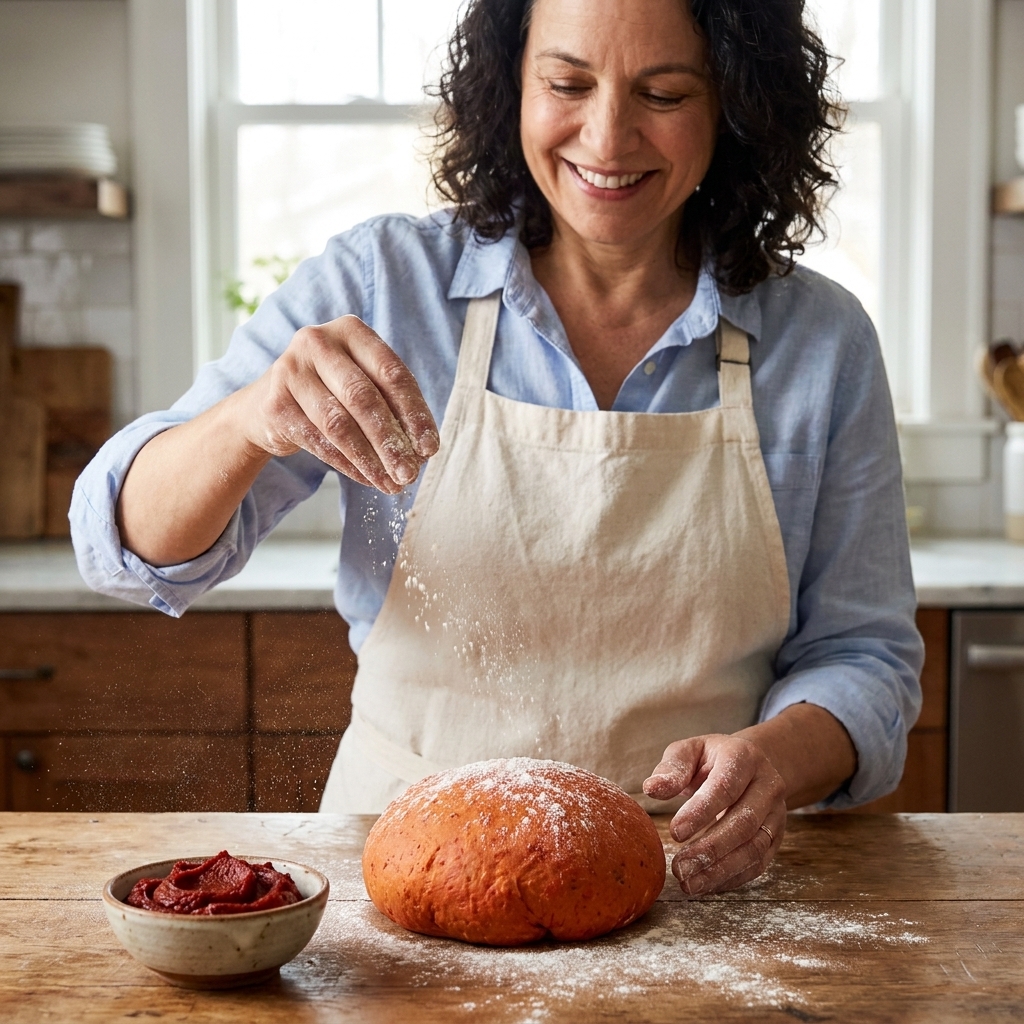
4) Tomato pasta (red-orange)
Tomato dough tastes like summer. It is slightly sweet, a little tangy, and absolutely perfect for shapes that hold sauce, like garganelli, maltagliati, pappardelle, or hand-rolled little tubes made from sheets.
Best form to use
Tomato paste, ideally briefly cooked to concentrate it.
How much to add
- Use 30 to 45 g tomato paste (about 2 to 3 tablespoons, depending on how you measure) per 200 g flour.
- Start with 1 egg plus 1 yolk, then adjust. Tomato paste contributes moisture and acidity.
Clara’s method
- Toast tomato paste in a small dry pan over medium heat for 1 to 2 minutes, stirring, until it darkens slightly and smells sweet.
- Cool completely.
- Whisk into your eggs, then make your dough.
Texture cue: tomato dough can feel a touch tighter at first, then relax beautifully during the rest.
5) Saffron pasta (golden yellow)
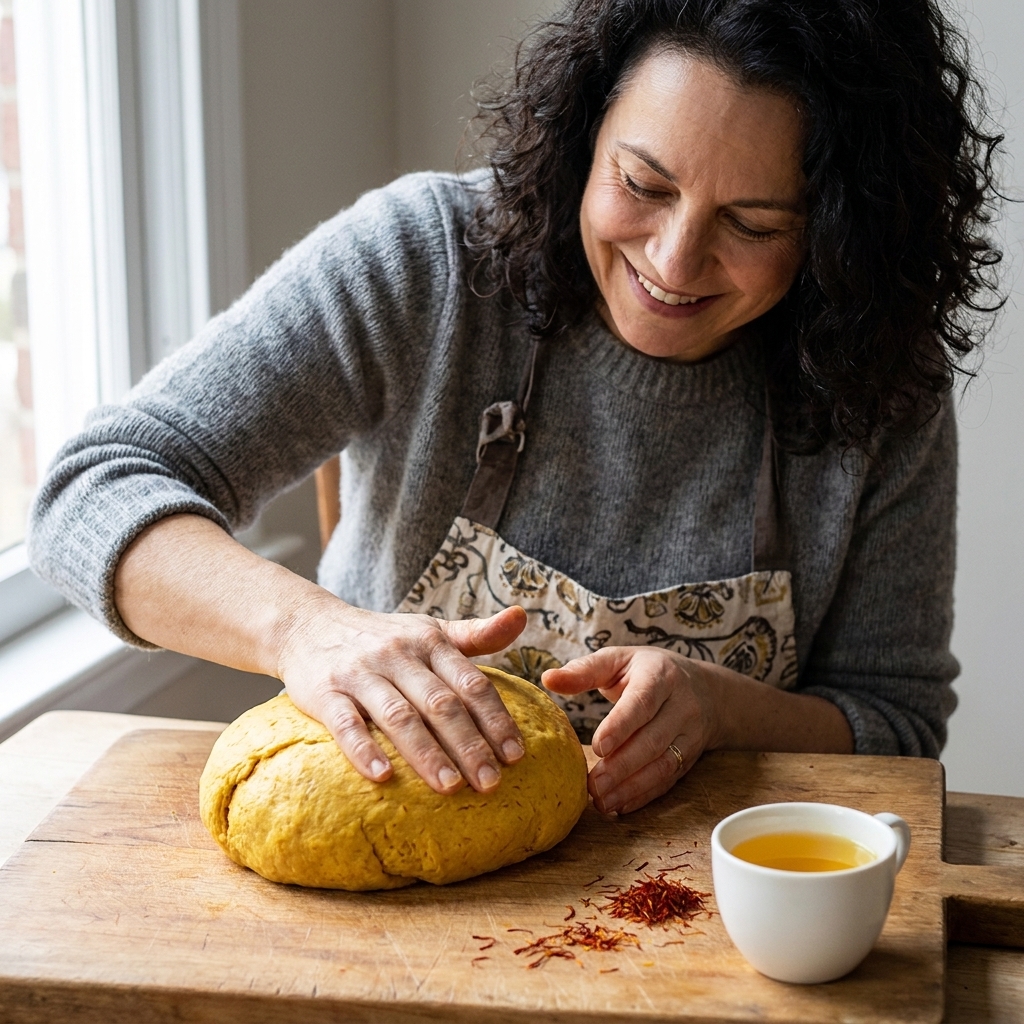
Saffron pasta is subtle and sunny, and it makes even a plain butter sauce feel special. The perfume is delicate, so treat it gently and avoid overpowering sauces.
Best form to use
Saffron threads bloomed in a tiny amount of warm liquid.
How much to add
- Use 0.1 to 0.2 g saffron (a generous pinch) per 200 g flour.
- Bloom in 1 to 2 teaspoons warm water or warm egg, then add to your eggs.
- Because the added liquid is small, you can usually stick with 2 whole eggs.
Clara’s method
- Crush saffron threads between your fingers.
- Stir into warm water and let sit 5 minutes.
- Add the saffron liquid to the eggs, whisk, then make your dough.
Flavor pairing I love: peas, prosciutto, lemon, and Parmigiano. Or just butter and a shower of cheese.
Roll and cook without fading
Rolling tips
- Dust lightly. Too much flour dulls color. Use just enough to prevent sticking.
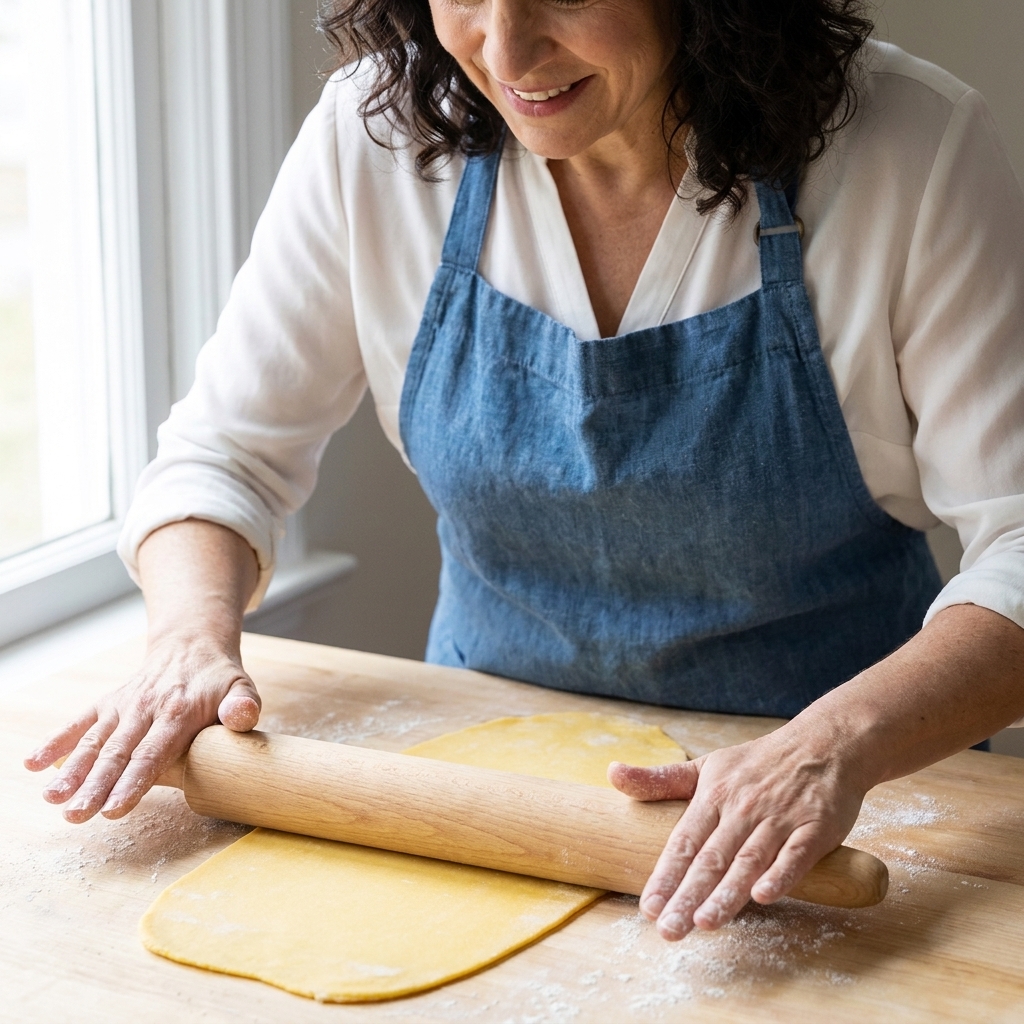
- Start a little thicker. Colored dough can show cracks if it is rushed. Start wider, fold, then continue thinning.
- Rest if it fights you. If it snaps back, cover and wait 10 minutes. It is not you, it is gluten.
Cooking tips
- Salt the water well and cook in a wide pot so the pasta moves freely.
- Do not overcook. Bright colors look best when the pasta is just tender.
- Sauce quickly. Toss in the pan for 30 to 60 seconds, not 5 minutes, especially for beet and spinach.
- Avoid alkaline water. No baking soda. It can turn greens drab and make beets look tired.
Troubleshooting
My dough is too wet
Add flour a teaspoon at a time and knead until the surface is dry and smooth. For very wet dough, let it rest 10 minutes before adding more flour. Hydration can even out as the flour drinks up moisture.
My dough is cracking at the edges when I roll
It is either too dry or not rested enough. Mist your hands with a few drops of water, knead briefly, then rest 20 to 30 minutes wrapped well.
The color is streaky
That is just under-kneading. Keep going until the color is uniform, especially for squid ink and tomato. If your puree was lumpy, press it through a fine sieve next time.
The pasta turned dull after cooking
That is most common with beets and spinach. Concentrate your puree more, cook a touch less, and keep sauces light colored. A gentle gloss of butter or olive oil brings the color back to life.
Quick idea: two-tone pasta
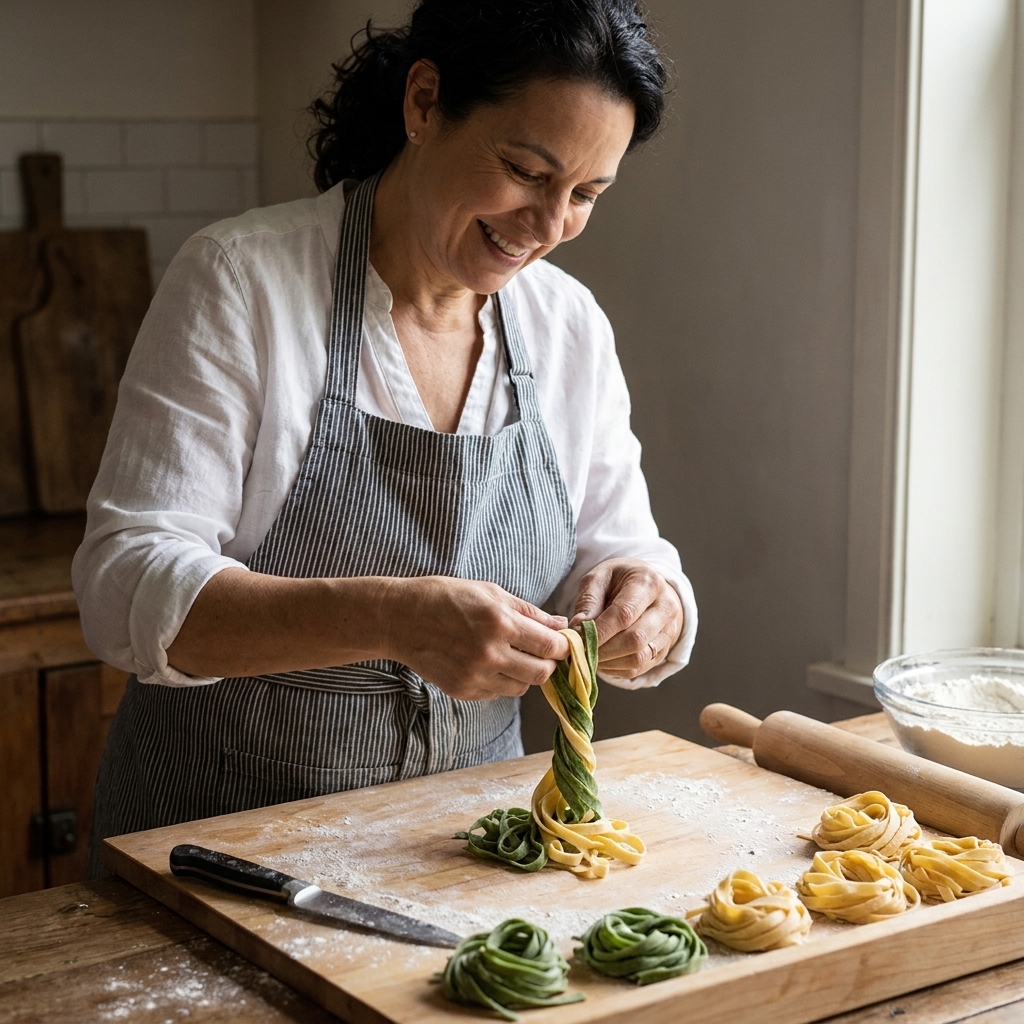
If you want a wow moment without extra work, make one plain dough and one colored dough. Roll both to the same thickness, lightly brush one sheet with water, press together, then run through the machine once more. Slice into tagliatelle and watch the ribbons twist into stripes as they fall.
Frequently asked questions
Can I use vegetable powders instead of purees?
Yes. Powders are convenient and add less moisture, but the flavor is often lighter. Start with 1 to 2 tablespoons powder per 200 g flour, then adjust until the dough color looks right.
Do I need a pasta machine for colored dough?
No. A rolling pin works beautifully. The trick is patience: roll, rest, rotate, and keep dusting minimal so the color stays vibrant.
Can I dry naturally colored pasta?
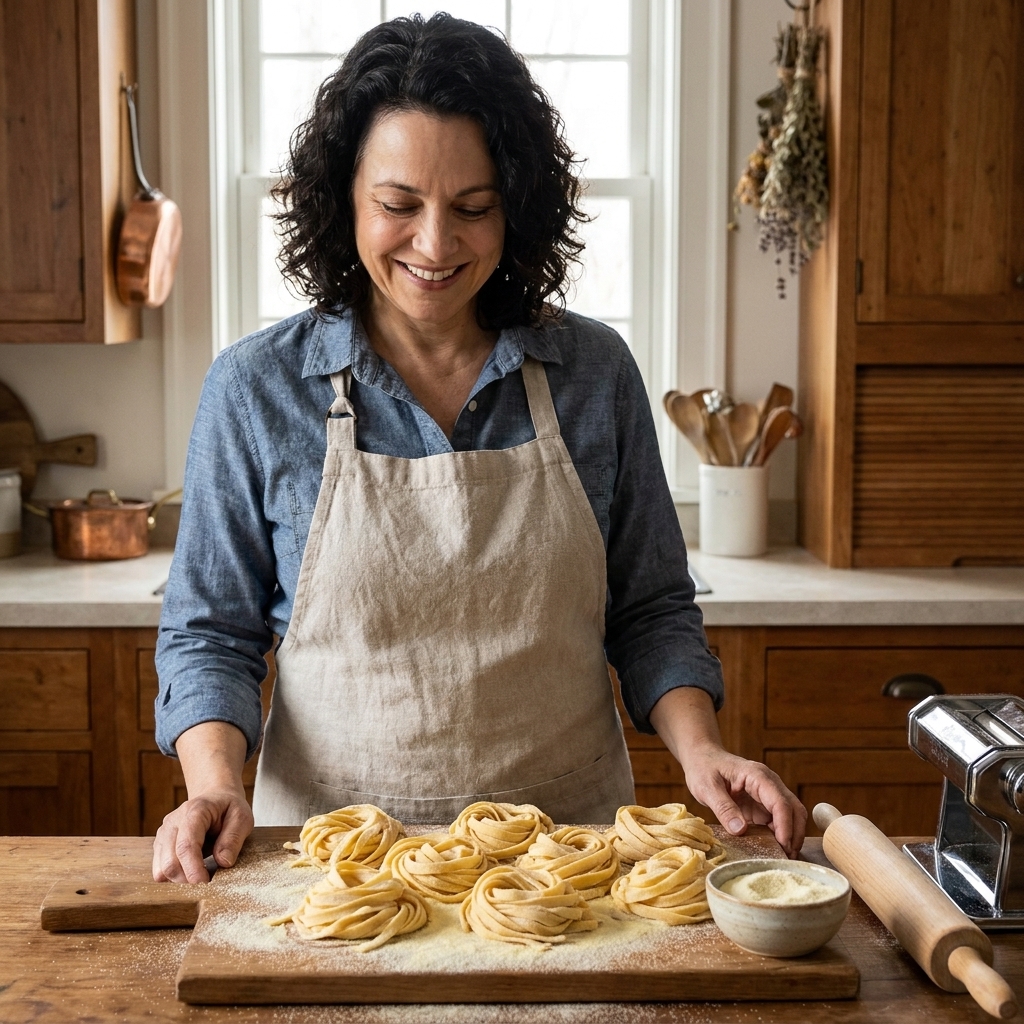
You can air-dry shapes like tagliatelle nests for a few hours, but for long storage I prefer freezing. Some colors, especially spinach, can fade a bit during long drying.
What is the best way to store colored fresh pasta?
For same-day cooking, keep it lightly floured and covered. If you want to hold it overnight, refrigerate well covered and cook within 24 hours. For longer storage, freeze in little nests on a tray, then transfer to a bag. Cook from frozen, no thawing needed.
One last Clara tip
Colored pasta is supposed to feel joyful, not stressful. If your green is more “sage” than “emerald,” it is still going to be delicious. Trust your hands, watch the dough’s feel, and remember that the real magic happens when everyone is gathered around the table, twirling that first forkful.